
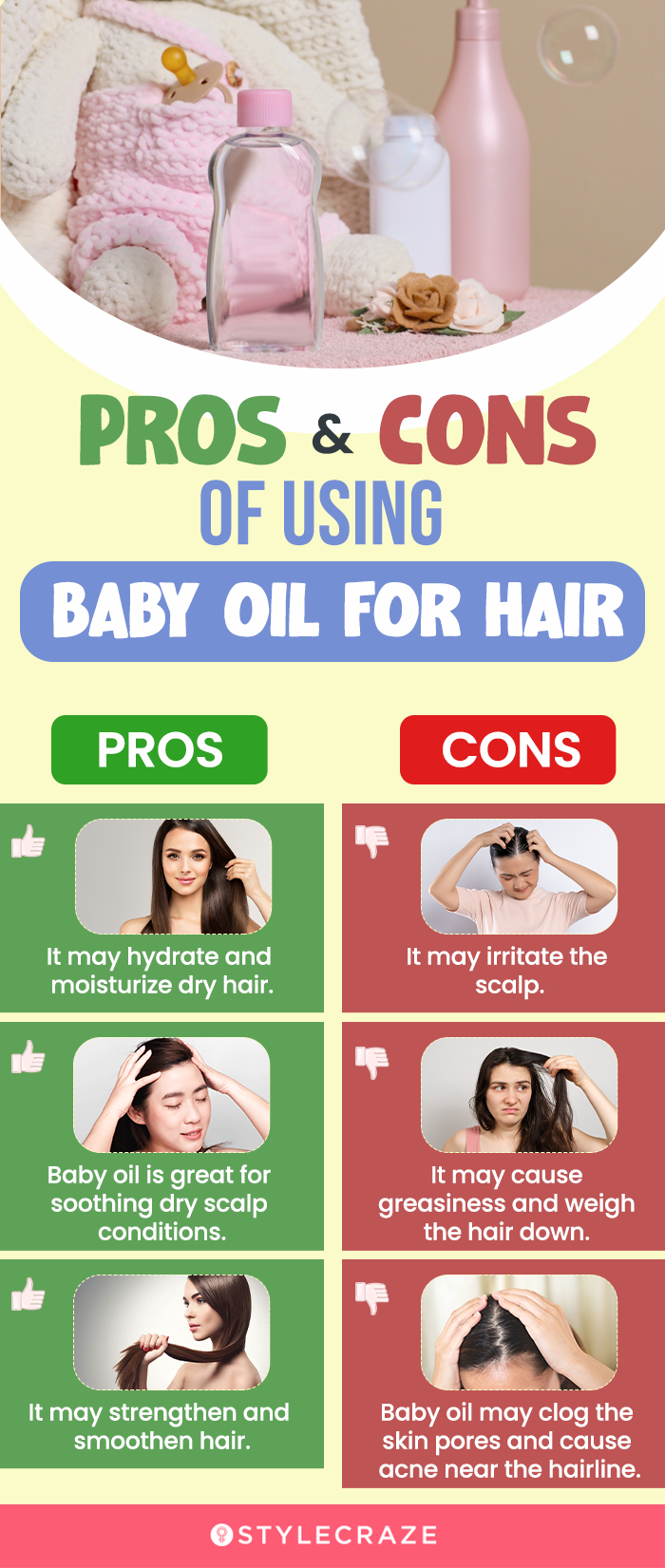
Baby oil seals in moisture, softens dry skin, and helps reduce friction without adding water to the skin.
What does baby oil do beyond its familiar use after bath time? Usually made with highly refined mineral oil, it forms a light barrier over the skin. This guide explains its real benefits, safe uses, limits, and common mistakes so you can use it with confidence.
What does baby oil do?
Baby oil mainly acts as an occlusive. That means it sits on the skin and slows water loss. Think of it as a soft raincoat for your skin, not a glass of water.
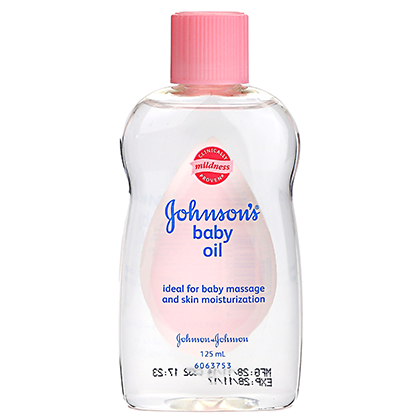
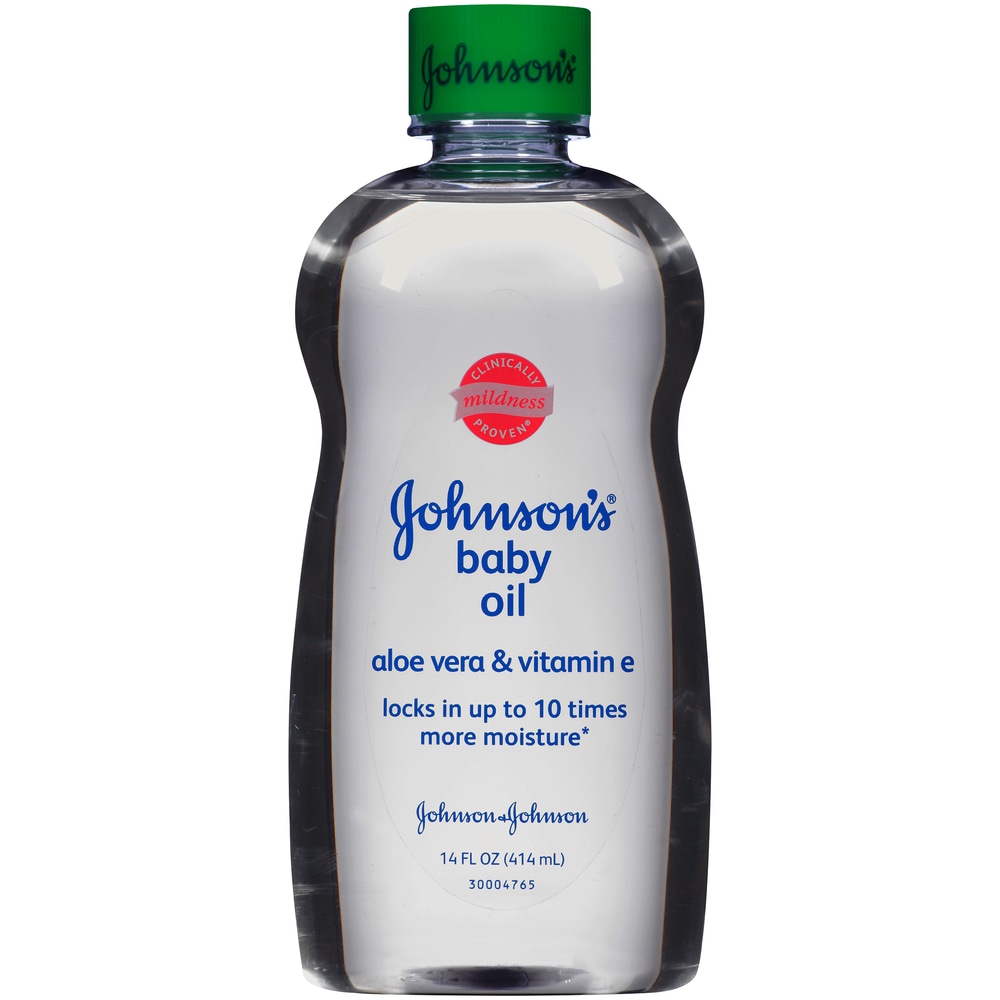
Most baby oils contain mineral oil. Some also include fragrance, aloe, vitamin E, or plant oils. The exact formula varies by brand, so always read the label.
What does baby oil do for dry skin? It can:
• Seal in moisture after bathing
• Smooth rough skin
• Reduce friction
• Soften flaky areas
• Help loosen cradle cap scales
• Make skin feel less tight
• Provide slip during a gentle massage
Baby oil does not add much water to dry skin on its own. For best results, apply a small amount to damp skin after a bath or shower. The water hydrates the outer skin layer, while the oil helps hold that water in.
Research on mineral oil supports its role as a skin protectant. It is also known for being stable, low in allergens, and unlikely to react with the skin when properly refined. Still, fragrance can bother some people, especially babies and those with sensitive skin.
:format(webp))
How baby oil works on the skin
The outer layer of skin contains cells, fats, and natural oils. This layer helps keep water inside the body. Dry air, hot showers, harsh soap, and cold weather can weaken that barrier.
Baby oil helps by creating a thin film over the surface. This film reduces transepidermal water loss, which is the amount of water that escapes through the skin.
What does baby oil do when used after a shower? It traps some of the water left on your skin. This is why damp skin is the best time to apply it.
Use this simple method:
- Take a short, warm shower or bath.
- Pat your skin gently with a towel.
- Leave the skin slightly damp.
- Apply a small amount of baby oil.
- Rub it in with slow, gentle strokes.
Do not pour a large amount onto your skin. A little goes a long way. Too much can leave a greasy layer and make floors, tubs, and clothing slippery.
Baby oil works best as a sealant. It does not replace every type of moisturizer. If your skin is very dry, look for a cream with ingredients such as glycerin, ceramides, or petrolatum. You can apply the cream first and use a thin layer of oil over it.
:max_bytes(150000):strip_icc()/VWH-GettyImages-2178336222-2ed0379b39ff4bd29a3bea7953939d82.jpg)
Benefits of baby oil for adults
Baby oil can be useful in a simple skin-care routine. It is affordable, easy to find, and often gentle when it contains only mineral oil.
Moisturizing dry skin
What does baby oil do for dry legs, arms, or elbows? It helps keep moisture from leaving the skin. This can make rough areas feel softer and smoother.
Apply it after washing while your skin is still damp. It may work well on dry hands, knees, heels, and elbows. Avoid using it as your only treatment for severe cracking, bleeding, or painful skin.
Reducing friction
Baby oil can reduce rubbing between skin surfaces. Some people use it on dry feet, thighs, or areas that rub against clothing.
Use only a small amount. Too much oil can make the skin feel hot or sticky. Friction can also come from poor shoe fit, rough fabric, sweat, or an underlying skin problem. Oil does not solve those causes.
Supporting a relaxing massage
What does baby oil do during a massage? It gives the hands more glide and reduces pulling on the skin. This can make a gentle massage feel more comfortable.
Avoid applying oil to broken skin, active rashes, or areas with infection. Wash your hands before a massage, and stop if burning, redness, or itching develops.
Removing makeup and adhesive residue
Oil can help loosen some makeup and sticky residue from tape or labels. Apply a little to a cotton pad, then wipe gently.
Keep it away from the eyes unless the product label says it is safe for that use. Oil can blur vision and irritate the eye surface. Wash the area with clean water if the product gets into your eyes.

What does baby oil do for babies?
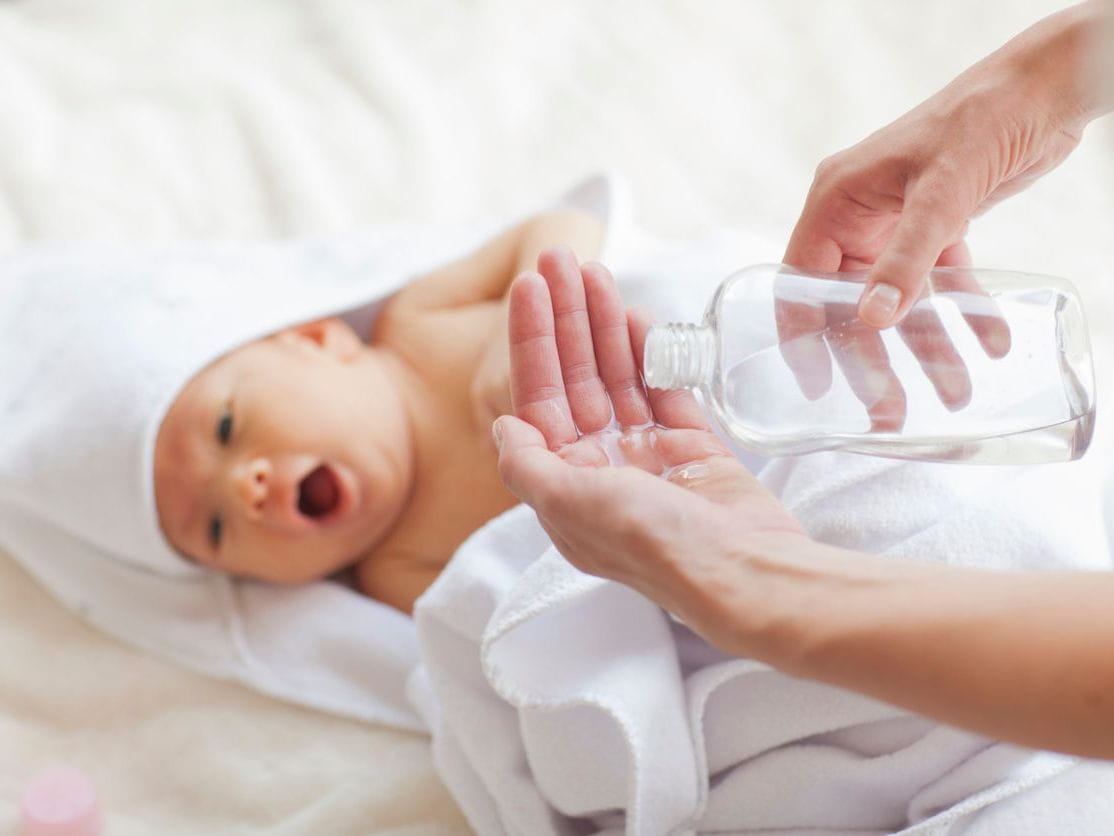
Baby oil can soften dry patches and support gentle massage, but babies need extra care. Their skin is thinner and more sensitive than adult skin.
For a baby, choose a product with a short ingredient list. Fragrance-free options are often a better choice. Test a small amount on one area first and watch for redness, bumps, or swelling.
Safe habits include:
• Use a small amount on intact skin
• Keep oil away from the face and hands
• Keep the bottle out of reach
• Use gentle strokes during massage
• Stop if the skin becomes red or irritated
• Ask a pediatric clinician about persistent dryness or rash
Never use baby oil as a treatment for eczema, infection, or an unexplained rash without professional advice. It may reduce dryness, but it does not treat the cause.
A major safety issue is inhalation. Baby oil can be dangerous if a child swallows it and then inhales it into the lungs. Keep it locked away, and contact poison control or emergency services right away if a child swallows a noticeable amount, coughs, chokes, or has trouble breathing.
Never put baby oil in a baby’s nose, mouth, or ears. Do not use it as a sunscreen. Mineral oil does not provide reliable protection from ultraviolet rays.
Baby oil and cradle cap
What does baby oil do for cradle cap? It can soften thick scales on a baby’s scalp. It does not cure the condition, but it may help loosen flakes before washing.
To try this method:
- Apply a tiny amount to the scalp.
- Wait a few minutes.
- Massage very gently with your fingertips.
- Use a soft baby brush if needed.
- Wash the hair with mild shampoo.
- Rinse away all oil.
Do not scratch, peel, or force scales off. That can cause small wounds and raise the risk of infection.
Do not leave large amounts of oil on the scalp for a long time. Oil buildup may trap dirt and irritate the skin. Ask a pediatric clinician for advice if the scalp is swollen, bleeding, oozing, very itchy, or not improving.
What baby oil cannot do
Understanding the limits of baby oil helps prevent disappointment. What does baby oil do? It softens and seals. It does not fix every skin problem.
Baby oil cannot:
• Replace sunscreen
• Cure acne
• Treat fungal infections
• Heal serious eczema
• Remove deep scars
• Repair sun damage
• Kill bacteria on the skin
• Treat diaper rash in every case
• Provide lasting hydration without water or another moisturizer
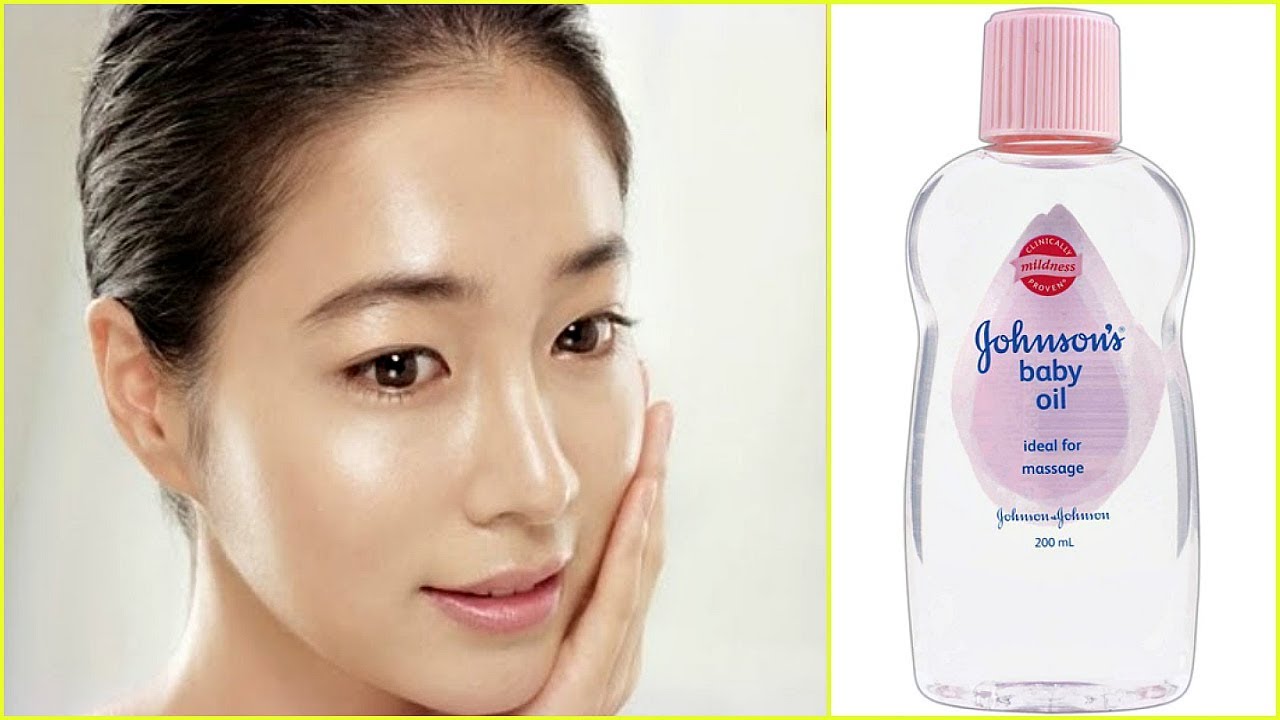
Baby oil may also worsen acne for some people, especially when used on the face. Mineral oil itself is generally considered non-comedogenic in refined cosmetic formulas, but the full product may contain fragrance or other ingredients. Skin can also react to heavy products through heat, sweat, or blocked pores.
If you have acne-prone skin, test it on a small area first. A lightweight, non-comedogenic moisturizer may be a better daily choice.
Is baby oil safe for sensitive skin?
Mineral oil is often well tolerated because it is highly refined and has a low allergy risk. However, not every baby oil formula is the same.
Fragrance is a common concern. It may smell pleasant, but it can cause itching, redness, or irritation in sensitive skin. Essential oils can also trigger reactions in some users.
Before full use, apply a small amount to the inner arm. Wait 24 hours if possible. Stop using the product if you notice:
• Redness
• Burning
• Itching
• Swelling
• Hives
• Small bumps
• Peeling or worsening dryness
People with eczema may need a thicker cream or ointment instead. A dermatologist can help identify the best product when dryness is severe or lasts for weeks.
Common mistakes when using baby oil
Many problems come from using too much or using it in the wrong place. These simple lessons can make baby oil safer.
Applying it to completely dry skin
What does baby oil do on dry skin? It can reduce water loss, but it cannot add much water. Apply it after bathing while the skin is still slightly damp.
Using it on the face without testing
Facial skin can react differently from body skin. Test first, and avoid the product if it causes clogged pores or irritation.
Using it near open flames
Many baby oils contain mineral oil, which can burn. Keep the bottle away from candles, cigarettes, fireplaces, hair dryers, and other heat sources. Wash oil-soaked clothing before placing it near heat.
Pouring it into a bathtub
This creates a serious slipping risk. Apply a small amount to your skin after bathing instead. Clean any spill from the tub or floor at once.
Using it with latex condoms
Oil-based products can weaken latex. This may increase the risk of condom breakage. Use a water-based or silicone-based lubricant that is labeled as compatible with latex.
Assuming “baby” means risk-free
The name suggests gentleness, but it does not guarantee that every ingredient suits every person. Always check the label, especially when using the product on an infant.
Baby oil compared with other moisturizers
Different skin products do different jobs. What does baby oil do compared with lotion or cream? Baby oil mainly seals. Lotion and cream may add water and skin-supporting ingredients.
| Product | Main role | Best use |
|---|---|---|
| Baby oil | Seals in moisture | Damp skin after bathing |
| Lotion | Adds light moisture | Normal skin and daily use |
| Cream | Adds more moisture | Dry or sensitive skin |
| Ointment | Creates a strong barrier | Very dry or cracked areas |
| Body butter | Softens and protects | Rough body skin |
For mild dryness, lotion may feel more comfortable. For very dry skin, cream or ointment often works better. You can also apply a cream first and use a thin layer of baby oil afterward.
The right product depends on your skin, the climate, and the ingredients. There is no single best moisturizer for everyone.
Practical tips for choosing baby oil
A good product choice starts with the label. Look for a formula that matches your needs.
Consider these points:
• Choose fragrance-free oil for babies or sensitive skin
• Pick a short ingredient list when possible
• Avoid products that cause past reactions
• Check the age guidance on the package
• Choose a flip-top or pump bottle to reduce spills
• Store it at room temperature and out of children’s reach
• Do a small patch test before broad use
If you want baby oil for massage, choose a product with good slip and no strong fragrance. If you want it for dry skin, a plain mineral oil formula may be enough.
Plant oils are not automatically safer. Some can cause allergies, become rancid, or irritate sensitive skin. Simple formulas are often easier to assess.
When to seek medical advice
Baby oil is suitable for simple dryness, but some symptoms need expert care. Contact a health professional if skin is painful, cracked, bleeding, swollen, warm, or leaking fluid.
For babies, seek advice for a rash that spreads quickly, affects the eyes or mouth, comes with fever, or does not improve with gentle care. Breathing problems after oil exposure require urgent medical help.
Persistent itching may point to eczema, allergy, scabies, or another condition. Baby oil may make the skin feel softer, but it cannot identify or treat the cause.
Frequently asked questions about what does baby oil do
Does baby oil moisturize the skin?
Baby oil helps seal moisture into the skin, but it does not add much water by itself. Apply it to damp skin or over a cream for better results.
Can you use baby oil on your face?
You can use it on the face only if your skin tolerates it and the label supports that use. Patch-test first, and avoid it if you have acne, irritation, or very sensitive skin.
Is baby oil safe for newborns?
A plain, fragrance-free product may be suitable for some newborns, but newborn skin is delicate. Ask a pediatric clinician before regular use, and never put oil near the baby’s mouth, nose, or eyes.
Can baby oil treat eczema?
Baby oil may reduce water loss and soften dry skin, but it does not treat eczema inflammation. A fragrance-free cream or ointment is often more useful, and persistent eczema needs medical advice.
Can baby oil be used as sunscreen?
No. Baby oil does not provide reliable ultraviolet protection. Use a broad-spectrum sunscreen with an appropriate SPF and limit direct sun exposure.
Does baby oil remove makeup?
Baby oil can loosen some makeup, especially products that resist water. Keep it out of the eyes, wipe gently, and wash the skin afterward.
Can baby oil cause breakouts?
It may cause a heavy or greasy feel and can worsen breakouts for some people. Test it carefully, especially on oily or acne-prone skin.
Conclusion
What does baby oil do? It creates a light barrier that helps slow water loss, soften dry skin, reduce friction, support massage, and loosen some scalp flakes. Its best use is on damp, intact skin in small amounts.
Baby oil is not a cure-all. It is not sunscreen, acne treatment, eczema medicine, or a safe bath additive. Choose a simple formula, avoid fragrance when needed, keep it away from babies’ faces and mouths, and store it safely.
Try a small patch first, use less than you think you need, and choose a cream or medical treatment when dryness or irritation continues. For more practical skin-care guidance, explore trusted health resources and share your own experience in the comments.