Most people go into labor anywhere from hours to several weeks after the baby drops.
If you are wondering, “how long after baby dropped did you go into labor?” you are not alone. Many pregnant people notice a lower belly, easier breathing, or more pelvic pressure and wonder if labor is close. The truth is that lightening, also called baby dropping, can happen long before contractions begin. This guide explains what dropping means, what real timing can look like, and which signs matter more than position alone.
What Does It Mean When the Baby Drops?
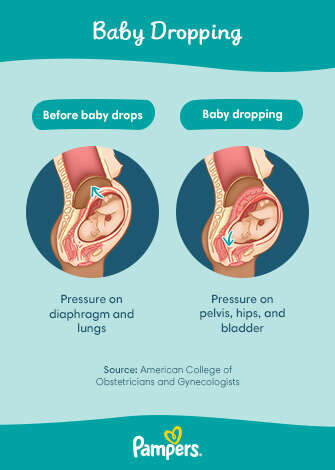
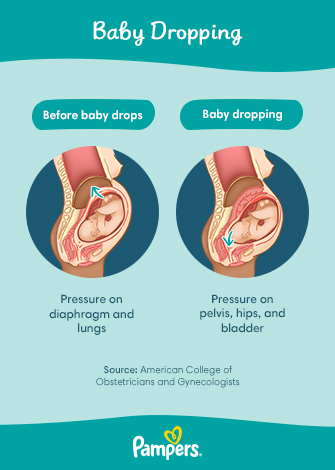
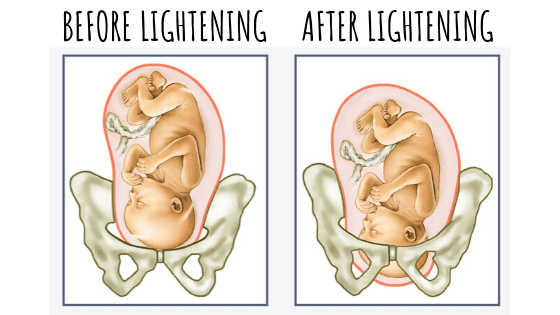
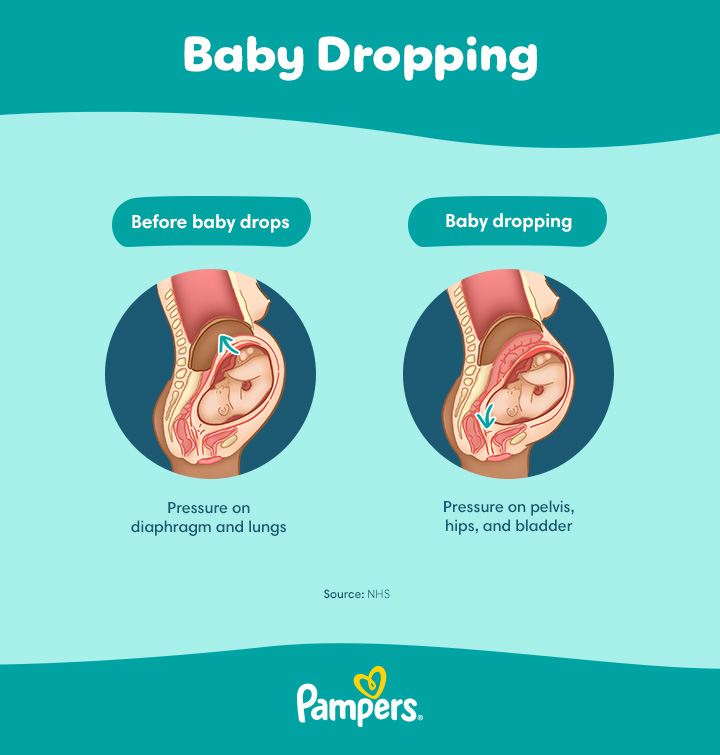
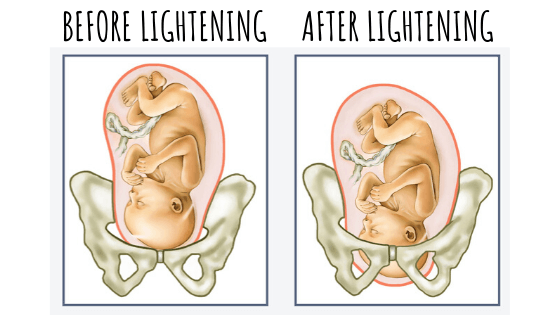
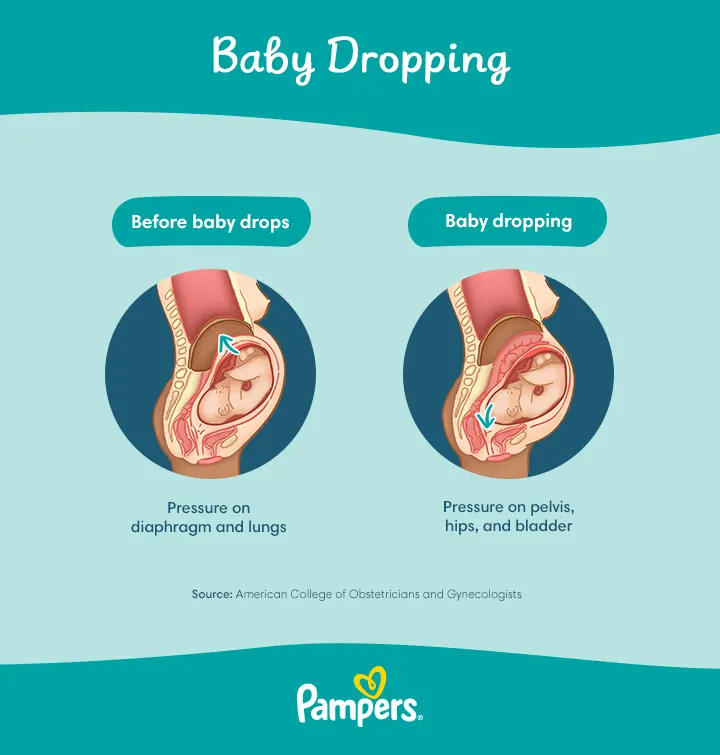
“Baby dropping” means your baby moves lower into your pelvis. Health professionals often call this lightening or engagement. The baby’s head may settle deeper into the pelvic area as the body prepares for birth.
You may notice several changes, including:
• A lower-looking belly
• Less pressure under your ribs
• Easier breathing
• More pressure in your pelvis
• Increased trips to the bathroom
• More vaginal discharge
• A waddling walk
• More discomfort when standing or walking
Baby dropping does not always happen in a clear or noticeable way. Some people feel a major change, while others do not notice anything at all. Your provider may see the change during an exam before you feel it yourself.
Baby dropping is one piece of the birth puzzle. It is not a countdown clock. Your cervix still needs to soften, thin, and open before active labor can begin.

How Long After Baby Dropped Did You Go Into Labor?
The answer can range from a few hours to several weeks. In a first pregnancy, the baby may drop two to four weeks before labor. In later pregnancies, the baby may not drop until labor starts or very near the due date.
If you ask, “how long after baby dropped did you go into labor?” the most accurate answer is that timing varies widely. Some people give birth the same day. Others remain pregnant for several weeks after the baby settles lower.
Here are common patterns:
• First baby: Dropping may happen weeks before labor.
• Later babies: Dropping may happen days before labor or during labor.
• Early dropping: It can occur around 34 to 36 weeks without meaning birth is near.
• Late dropping: It can occur during early labor.
• No obvious dropping: Labor can still begin normally.
Your due date also matters. A baby dropping at 39 weeks may suggest that labor is approaching, but it still does not predict the exact day. A baby dropping at 35 weeks may simply be changing position.
The best way to think about it is this: dropping means your baby is getting into position, not necessarily that birth is about to begin.

Why Does the Baby Drop Before Labor?
The baby usually drops because of changes in the uterus, pelvis, and baby’s position. Near the end of pregnancy, the baby may move head down and settle into the pelvis.
Several factors can affect when this happens:
First pregnancy
The abdominal and pelvic muscles may be tighter during a first pregnancy. Because of this, the baby may settle lower weeks before labor begins.
Later pregnancies
The muscles and tissues may be more flexible after a previous birth. The baby may stay higher until contractions help guide the baby down.
Baby’s position
A head-down baby is more likely to engage in the pelvis. If the baby is breech, sideways, or facing a less favorable direction, dropping may look different or may not occur before labor.
Pelvic shape and body structure
Each pelvis is different. The baby’s size, position, and angle also affect how low the baby feels.
Uterine activity
Mild contractions, including Braxton Hicks contractions, can help the baby move lower. These contractions may be uncomfortable but usually do not become steadily stronger or closer together.
Signs That Labor May Be Near
Baby dropping alone cannot tell you when labor will start. Other signs may offer more useful clues, especially when several happen together.
Regular contractions
True labor contractions usually become stronger, longer, and closer together. They continue even after you rest, drink water, or change position.
Braxton Hicks contractions often remain irregular. They may ease when you walk, rest, hydrate, or change positions.
Loss of the mucus plug
The mucus plug seals the cervix during pregnancy. It may come out as thick mucus, clear discharge, or pink or blood-tinged material.
Losing the mucus plug can happen hours, days, or even weeks before labor. Some people do not notice it at all.
Bloody show
Bloody show is mucus mixed with a small amount of blood. It can mean that the cervix is changing. However, heavy bleeding is not normal and needs urgent medical attention.
Water breaking
Your water may break as a gush or a slow leak. Labor may begin soon after, but not always right away.
If you think your water broke, contact your maternity care team. Note the time, color, and odor of the fluid. Green or brown fluid may signal that the baby passed meconium and needs prompt assessment.
Cervical changes
A cervical exam can show dilation and effacement. Even these findings cannot predict the exact start of labor.
Some people remain at one or two centimeters for days or weeks. Others dilate quickly with little warning.
Does Baby Dropping Mean Labor Is Imminent?
Not always. Baby dropping can mean your body is preparing, but it does not prove that labor will start soon.
Think of it like parking a car near the exit. The car is in a useful position, but it has not left the parking lot yet. Your baby may be low while your cervix remains closed and labor hormones are still building.
The timing may be more meaningful when dropping occurs with:
• Regular painful contractions
• A noticeable increase in pelvic pressure
• Bloody show
• Ruptured membranes
• Cervical changes
• Persistent lower back pain or cramping
Even then, no single sign guarantees that delivery will happen on a certain day. Pregnancy timing has many moving parts.
Can You Go Into Labor Without the Baby Dropping?
Yes. Some babies remain relatively high until labor begins. Contractions can help move the baby down during early or active labor.
This is more common in people who have given birth before, but it can happen in a first pregnancy too. A baby that has not dropped does not automatically mean that labor will be delayed or that something is wrong.
Your provider may check the baby’s station during a vaginal exam. Station describes how high or low the baby is in relation to the pelvic bones. It is only one part of a complete labor assessment.
What Can You Do After the Baby Drops?
There is no proven way to make labor start safely at home. Walking, gentle movement, and upright positions may help you stay comfortable, but they do not guarantee labor.
Try these practical steps:
- Drink water regularly unless your provider gave you fluid limits.
- Rest when pelvic pressure or back pain increases.
- Pack or check your hospital bag.
- Keep your phone charged.
- Review when your provider wants you to call.
- Track contractions if they become regular.
- Arrange care for older children and pets.
- Keep eating light meals if you can tolerate them.
- Use supportive shoes and avoid activities that worsen pain.
- Ask your provider about safe ways to manage discomfort.
Avoid castor oil, unapproved herbs, and intense exercise to start labor. These methods can cause dehydration, diarrhea, or other problems. Ask your maternity care team before trying any labor-related method.
When Should You Call Your Provider?
Call your provider when you are unsure. You do not need to wait until every labor sign appears.
Contact your care team promptly if:
• Your water breaks
• You have vaginal bleeding more than light spotting
• Your baby is moving less than usual
• You have regular painful contractions
• You have severe or constant abdominal pain
• You have a severe headache or vision changes
• You have sudden swelling of the face or hands
• You have a fever
• You are less than 37 weeks pregnant and have possible labor signs
Many providers use the 5-1-1 pattern for full-term labor: contractions every five minutes, lasting one minute each, for one hour. This rule can differ based on your pregnancy, distance from the hospital, and provider’s instructions.
If you have a high-risk pregnancy, a previous fast labor, twins, or a planned cesarean birth, your instructions may be different.

Real-Life Timing Examples
People often search “how long after baby dropped did you go into labor?” because they want a personal comparison. Real-life stories show why there is no single answer.
One first-time parent may notice a lower belly at 36 weeks and deliver at 40 weeks and 2 days. Another may feel the baby drop at 39 weeks and begin regular contractions that evening.
A parent who has already given birth may feel no dropping at all. The baby may descend during contractions, and birth may follow within hours.
These examples are useful for perspective, but they are not a medical prediction. Your body, baby, health history, and pregnancy are unique.
I cannot honestly claim a personal pregnancy or clinical career experience. However, a common lesson in childbirth education is clear: people often put too much weight on the baby’s position and too little on contraction patterns, fluid leakage, fetal movement, and provider guidance.
The mistake to avoid is treating dropping as a deadline. Use it as a reason to prepare, not a reason to panic or assume labor must begin that day.
How Providers Estimate Whether Labor Is Near
Your provider may consider several findings together. No single test can accurately predict the exact start of spontaneous labor.
They may review:
• Your contraction pattern
• Cervical dilation
• Cervical effacement
• Cervical softness
• Baby’s station
• Baby’s position
• Your pregnancy history
• Whether your membranes have ruptured
• Your symptoms and overall health
A scoring system called the Bishop score may help estimate how ready the cervix is, especially when discussing induction. It is not a perfect predictor of when natural labor will begin.
Research and clinical guidance support a cautious approach. Due dates are estimates, and normal labor can begin across a broad window around that date. This is why providers focus on your complete clinical picture instead of baby dropping alone.
Frequently Asked Questions About How Long After Baby Dropped Did You Go Into Labor
How long after baby dropped did you go into labor with a first baby?
Many first-time parents notice dropping two to four weeks before labor. Some go into labor within hours, while others remain pregnant until after their due date.
How long after baby dropped did you go into labor with a second baby?
With a second or later baby, dropping may happen only days before labor or during labor itself. The timing can still vary greatly from one pregnancy to another.
Can the baby drop at 35 weeks and labor not start?
Yes. Baby dropping at 35 weeks does not necessarily mean premature labor. Contact your provider if you also have regular contractions, leaking fluid, bleeding, strong pelvic pressure, or reduced fetal movement.
Does a dropped baby mean the cervix is dilating?
Not necessarily. A baby can move lower while the cervix remains closed. Only an exam can assess cervical dilation, and even dilation does not predict the exact day labor will begin.
Can you go into labor before the baby drops?
Yes. Some babies descend during early or active labor. This is especially common in later pregnancies, but it can occur in any pregnancy.
Is increased pelvic pressure after the baby drops normal?
Mild to moderate pelvic pressure is common after the baby settles lower. Severe pain, bleeding, leaking fluid, or a major change in fetal movement requires prompt medical advice.
What is the most reliable sign that labor is starting?
Regular contractions that become stronger, longer, and closer together are one of the clearest signs. Ruptured membranes and other symptoms may also occur, so follow your provider’s instructions.
Conclusion
So, how long after baby dropped did you go into labor? It may be hours, days, or several weeks. First babies often drop earlier, while later babies may descend during labor. Baby dropping shows that your baby is moving into position, but it does not provide an exact birth date.
Pay closer attention to regular contractions, fluid leakage, bleeding, fetal movement, and your provider’s advice. Prepare calmly, trust your care team, and call when something feels wrong or different. For more guidance, review your birth plan with your provider and share your own experience in the comments.