
In Spanish, “baby” is bebé, pronounced beh-BEH, and it works for a baby of any sex.
Learning how to say baby in Spanish is simple, but using the word naturally takes a little more care. The main word is bebé, yet Spanish speakers also use words such as niño, niña, nene, and guagua depending on age, tone, and region. This guide explains the meaning, pronunciation, grammar, common phrases, and cultural details so you can speak with confidence.
The Basic Spanish Word for Baby
The most common translation of “baby” in Spanish is bebé.
It can refer to a very young child, usually from birth through the first year or two. Spanish speakers use bebé for both boys and girls.
Examples include:
• El bebé duerme.
The baby is sleeping.
• La bebé está despierta.
The baby girl is awake.
• Mi bebé tiene seis meses.
My baby is six months old.
• El bebé necesita comer.
The baby needs to eat.
One useful detail is that bebé is often treated as a masculine noun in general statements, but it can also be feminine when the speaker clearly refers to a baby girl. You may hear both el bebé and la bebé.
So, if someone asks, “How do you say baby in Spanish?” the safest answer is bebé.
How to Pronounce Bebé
Bebé has two syllables: be-bé.
The final syllable is stressed. It sounds close to “beh-BEH.” The accent mark over the final é shows where the stress belongs.
Try saying it slowly:
- Say beh.
- Say beh again with slightly more stress.
- Join the sounds: beh-BEH.
The Spanish b sound is softer than the English b in some positions. However, English speakers can use a normal b sound and still be understood clearly.
The accent mark matters. Bebé means baby. Without the accent, bebe can look like a different verb form related to beber, meaning “to drink.” In everyday writing, always use bebé when you mean a baby.
A common learner mistake is to stress the first syllable and say “BEH-beh.” Spanish speakers say be-BÉ.
How to Use Bebé in a Spanish Sentence
Spanish nouns usually appear with an article or possessive word. This means you will often hear bebé with words such as el, la, mi, tu, or un.
Here are useful sentence patterns:
• El bebé está llorando.
The baby is crying.
• La bebé está jugando.
The baby girl is playing.
• Mi bebé tiene hambre.
My baby is hungry.
• Tu bebé es muy tranquilo.
Your baby is very calm.
• Hay un bebé en la habitación.
There is a baby in the room.
• Vi a un bebé en el parque.
I saw a baby in the park.
When bebé is the subject, use el bebé or la bebé. When it is the direct object, Spanish often uses the personal a:
• Conocí a tu bebé.
I met your baby.
• La madre abraza al bebé.
The mother hugs the baby.
The form al combines a and el. Thus, a + el bebé becomes al bebé.
Bebé, Niño, Niña, and Nene: What Is the Difference?
Although bebé is the direct answer to how do you say baby in Spanish, Spanish has several related words. Each one suggests a slightly different age or tone.
Bebé
Bebé usually means an infant or very young child.
• El bebé tiene tres meses.
The baby is three months old.
It is the best word for a newborn or infant.
Niño and Niña
Niño means boy or child, while niña means girl or child. These words often refer to children older than babies, though families may use them for toddlers too.
• El niño tiene cuatro años.
The boy is four years old.
• La niña está aprendiendo a caminar.
The girl is learning to walk.
Nene and Nena
Nene and nena are warm, informal words. They can mean little boy, little girl, kid, or baby, depending on the country and context.
• El nene está durmiendo.
The little boy is sleeping.
• La nena quiere su biberón.
The little girl wants her bottle.
These words are common in family speech but may sound less formal than bebé.
Pequeño and Pequeña
Pequeño means little or small for a boy. Pequeña is the feminine form.
• Mi pequeño tiene un año.
My little one is one year old.
• Mi pequeña está cansada.
My little girl is tired.
These words describe affection more than a specific age.

Affectionate Ways to Say Baby in Spanish
Spanish speakers often add diminutive endings to show affection. The most common forms are bebito and bebita.
• Bebito means little baby boy or an affectionate baby reference.
• Bebita means little baby girl or an affectionate baby reference.
Examples:
• Mi bebita está dormida.
My baby girl is asleep.
• Qué lindo bebito.
What a cute baby boy.
• Hola, mi bebito.
Hello, my little baby.
You may also hear bebé lindo, bebé hermosa, mi amor, or mi vida when someone speaks lovingly to a baby.
These expressions are not limited to parents. Grandparents, relatives, and close friends may use them too. Still, tone matters. A word that sounds sweet in a family setting may feel too personal when used with a stranger’s child.
Regional Words for Baby
Spanish is spoken across more than 20 countries, so vocabulary can change from place to place. The word bebé is widely understood everywhere, but regional alternatives are also common.
Guagua
In parts of Chile, Ecuador, Bolivia, Peru, and the Caribbean, guagua can mean baby. The exact use varies by country.
For example, a speaker may say:
• La guagua está durmiendo.
The baby is sleeping.
Do not assume guagua means baby in every Spanish-speaking place. In some regions, it can have another meaning or may sound unfamiliar.
Chichí
In some areas, especially in parts of the Caribbean, chichí may be used as an affectionate word for a baby or small child. It is informal and regional.
Criatura
Criatura literally means creature, but it can refer affectionately to a small child. It may sound playful, warm, or slightly old-fashioned depending on the speaker.
For international communication, bebé remains the clearest choice. Regional words add color, but they are best learned with local context.
Common Phrases With Bebé
Once you know how do you say baby in Spanish, you can build many useful phrases. These expressions work in family conversations, travel, and basic Spanish practice.
Everyday Baby Phrases
• El bebé está dormido.
The baby is asleep.
• El bebé tiene sueño.
The baby is sleepy.
• El bebé tiene hambre.
The baby is hungry.
• El bebé tiene sed.
The baby is thirsty.
• El bebé está llorando.
The baby is crying.
• El bebé necesita un cambio de pañal.
The baby needs a diaper change.
• ¿Dónde está el bebé?
Where is the baby?
• ¿Cómo se llama el bebé?
What is the baby’s name?
• El bebé está creciendo muy rápido.
The baby is growing very quickly.
Sweet Comments About a Baby
• ¡Qué bebé tan lindo!
What a cute baby!
• ¡Qué hermosa bebé!
What a beautiful baby girl!
• ¡Es un bebé precioso!
He is a beautiful baby.
• ¡Qué bonito bebé!
What a cute baby!
• El bebé se parece a su mamá.
The baby looks like his or her mother.
Notice that Spanish often uses qué plus an adjective to express admiration. The phrase qué lindo means “how cute” or “what a cute.”
Baby-Related Spanish Vocabulary
Knowing a few related words helps you use bebé in real conversations.
• Pañal means diaper.
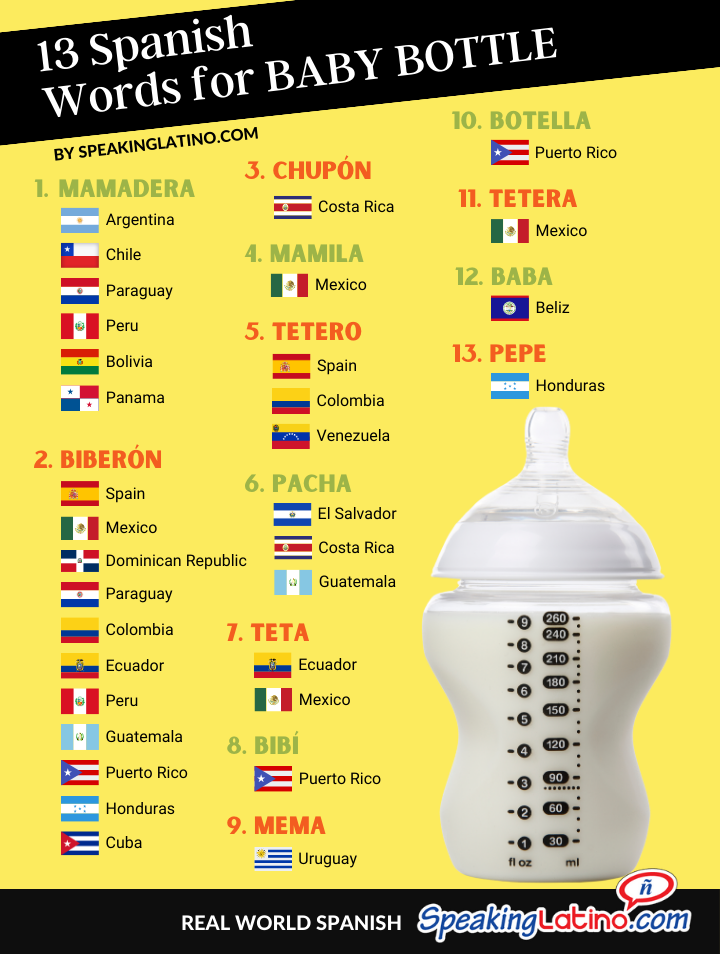
• Biberón means baby bottle.
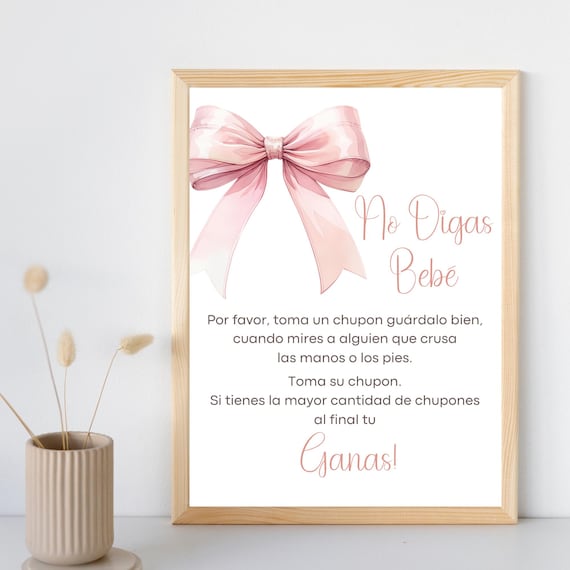
• Chupete means pacifier.
• Cuna means crib.
• Cochecito means stroller.
• Ropa de bebé means baby clothes.
• Leche materna means breast milk.
• Fórmula means baby formula.
• Recién nacido means newborn.
• Lactante means infant, especially in medical or formal language.
• Gatear means to crawl.
• Caminar means to walk.
Here are two practical examples:
• Necesito comprar pañales para el bebé.
I need to buy diapers for the baby.
• El recién nacido duerme en la cuna.
The newborn sleeps in the crib.
Lactante is accurate but formal. In normal family conversation, people usually say bebé.

Grammar Tips: Gender and Articles
One of the trickiest parts of how do you say baby in Spanish is understanding gender. The noun bebé ends in é, not in o or a, so its form does not change in the usual way.
You may see:
• el bebé for the baby or baby boy
• la bebé for the baby girl
• los bebés for babies or a group of baby boys
• las bebés for a group of baby girls
The adjective may change according to the baby’s gender:
• El bebé está cansado.
The baby boy is tired.
• La bebé está cansada.
The baby girl is tired.
In a general statement, masculine plural forms may represent a mixed group:
• Los bebés necesitan atención.
Babies need care.
Many Spanish speakers also use bebé as a gender-neutral noun when the child’s sex is not known. In that case, context decides whether the article is el or la.
Common Mistakes English Speakers Make
English speakers often make a few predictable errors when learning how to say baby in Spanish.
Forgetting the Accent Mark
Write bebé, not bebe, when you mean baby. The accent helps show the correct stress and spelling.
Using Bebé for Every Child
Bebé usually suggests an infant. For an older child, niño, niña, nene, or nena may sound more natural.
Confusing Baby With Newborn
A newborn is recién nacido or recién nacida. A baby can be older than a newborn.
• Mi bebé tiene ocho meses.
My baby is eight months old.
• Mi hijo es recién nacido.
My son is a newborn.
Ignoring Regional Differences
Guagua may be perfectly natural in one country and unfamiliar in another. When speaking with people from different Spanish-speaking regions, bebé is the most reliable option.
Translating “Baby” as a Romantic Nickname
In English, baby can be a romantic nickname. Spanish speakers may use bebé as a pet name, but other expressions such as amor, cariño, or mi vida are often more natural.
For example:
• Hola, cariño.
Hi, baby.
The best translation depends on whether baby refers to an infant or a romantic partner.
How to Say Baby in Different Contexts
The English word baby can appear in many settings. Spanish may use different words based on the meaning.
Baby as an Infant
Use bebé.
• We have a new baby.
Tenemos un bebé nuevo.
A more natural phrase is:
• Tenemos un bebé.
We have a baby.
Baby Boy
Use bebé niño, niño pequeño, or bebito. In many cases, bebé alone is enough.
• They had a baby boy.
Tuvieron un niño.
• They had a baby boy.
Tuvieron un bebé varón.
Bebé varón is more formal. Tuvieron un niño is common and natural.
Baby Girl
Use bebé niña, niña, or bebita.
• They had a baby girl.
Tuvieron una niña.
• Their baby girl is adorable.
Su bebita es adorable.
Baby Shower
Spanish speakers may say baby shower, especially in countries where the English event name is common. They may also say fiesta para el bebé or fiesta de bienvenida para el bebé.
Baby Food
Baby food is comida para bebés.
• I need to buy baby food.
Necesito comprar comida para bebés.
Baby Talk
Baby talk can be translated as lenguaje infantil or habla infantil. In casual speech, people may simply describe the cute way an adult speaks to a baby.
A Simple Practice Method
To remember how do you say baby in Spanish, connect the word with short phrases instead of memorizing it alone.
Practice these five sentences:
El bebé duerme.
The baby sleeps.Mi bebé está aquí.
My baby is here.La bebé tiene hambre.
The baby girl is hungry.El bebé está llorando.
The baby is crying.Qué bebé tan lindo.
What a cute baby!
Say each sentence aloud three times. Then replace bebé with nene, nena, niño, or niña and notice how the meaning changes.
In language practice, one of the most useful habits is learning a word in a real sentence. It is like placing a small tool in a toolbox. You are more likely to use it when you remember what it can do.
Frequently Asked Questions
How do you say baby in Spanish?
You say bebé. It is pronounced be-BÉ, with stress on the final syllable.
Is bebé masculine or feminine in Spanish?
Bebé can be used for a baby of any sex. Speakers may say el bebé for a baby boy or general reference and la bebé for a baby girl.
What is the difference between bebé and niño?
Bebé usually means infant or very young child. Niño means boy or child and often refers to someone older than a baby.
How do you say baby girl in Spanish?
You can say bebé niña, niña, or bebita. Tuvieron una niña is a common way to say “They had a baby girl.”
How do you say baby boy in Spanish?
You can say bebé niño, niño, or bebito. Tuvieron un niño is a natural translation of “They had a baby boy.”
What does bebita mean?
Bebita means little baby girl or baby girl in an affectionate way. It is a diminutive form of bebé.
Does guagua mean baby in Spanish?
Guagua means baby in several Spanish-speaking regions, including parts of Chile, Ecuador, Bolivia, Peru, and the Caribbean. Because it is regional, bebé is safer for general use.
Can bebé be a romantic nickname?
Yes, some Spanish speakers use bebé as a romantic nickname. However, cariño, amor, and mi vida may sound more natural in many situations.
Conclusion
The clearest answer to how do you say baby in Spanish is bebé. Remember its pronunciation, be-BÉ, and use the accent mark in writing. For older children, regional speech, or affectionate conversation, words such as niño, niña, nene, nena, bebito, and guagua may fit better.
Start with simple phrases like mi bebé, el bebé duerme, and la bebé está aquí. Then listen to native speakers from different regions to learn how word choice changes with age, culture, and tone. Explore more Spanish vocabulary, practice these phrases aloud, and share your favorite Spanish baby expression in the comments.