A 10-month-old may cry, cling, or crawl after you when you leave the room. This is usually a normal part of infant development, not bad behavior. The best response is a calm, repeatable goodbye, short practice separations, and steady care from trusted adults.
Separation anxiety often grows stronger between about 8 and 18 months. Your baby now knows that you still exist when you are out of sight, but they do not yet understand when you will return. That gap can feel very big to them.
In the United States, the American Academy of Pediatrics (AAP) and the Centers for Disease Control and Prevention (CDC) describe attachment, crying at separation, and stranger anxiety as common parts of early development. Each baby responds in their own way, so focus on patterns rather than a fixed timetable.

What separation anxiety looks like at 10 months
Separation anxiety is a baby’s distress when a parent or regular caregiver leaves. It may happen at home, at child care, during bedtime, or when a new person tries to hold the baby.
Common signs include:
- Crying when you walk away
- Reaching for you or clinging to your clothes
- Crawling after you
- Becoming upset when another adult picks them up
- Waking more often and checking for you
- Refusing comfort from a familiar caregiver
- Crying during drop-off but settling soon after
- Becoming more upset when tired, hungry, sick, or overstimulated
These signs do not mean your baby is insecure or that you caused a problem. They often show that your baby has formed a strong bond with you and is learning how people come and go.
A 10-month-old also has a limited sense of time. “I’ll be back in five minutes” has no useful meaning yet. Your baby learns through repeated experiences: you leave, a trusted adult provides care, and you return.
When does it usually get better?
Separation anxiety often comes and goes. It may ease as your baby gains memory, language, movement, and confidence. It can also return during illness, travel, a move, a new child-care setting, or a change in sleep.
There is no exact age when it must end. Many children continue to need support with separation well into the toddler years.
What to do when your 10-month-old cries when you leave
Use the same calm plan each time. Your goal is not to prevent every tear. Your goal is to help your baby learn that separation is safe and temporary.
1. Practice very short separations
Start when your baby is fed, rested, and calm. Leave the room for 10 to 30 seconds, then return with a relaxed voice and face.
Try this several times each day. Slowly increase the time only when your baby is coping well.
For example:
- Place your baby with a trusted caregiver.
- Say that you are going to the kitchen.
- Walk out for a few seconds.
- Return before the situation becomes overwhelming.
- Repeat later and add a little more time.
This is practice, not a test. If your baby becomes very distressed, shorten the next attempt.
2. Use a short, clear goodbye
A simple routine works better than a long speech. You might say:
“Mommy is going to work. Grandma will play with you. I’ll come back after your nap.”
Your baby may not understand all the words, but they can learn the tone and pattern. Keep your voice warm and confident.
A useful goodbye may include:
- A hug
- The same short phrase
- A wave
- Handing your baby to the caregiver
- Leaving without returning several times
3. Do not sneak away
Sneaking out may seem easier, but it can make your baby more watchful. They may begin to fear that you will disappear without warning.
Say goodbye even if your baby cries. A brief, honest departure helps create a predictable pattern.
4. Let the caregiver take over
Before you leave, give the caregiver a clear role. They might offer a toy, sing a song, go to a window, or take your baby outside.
Try not to hover for a long time after handing over your baby. A long and uncertain goodbye can increase stress for both of you.
5. Keep the routine predictable
Babies learn through repetition. Use similar steps for common separations:
- Tell your baby what will happen.
- Give a hug or kiss.
- Say the same goodbye phrase.
- Hand them to the caregiver.
- Leave calmly.
- Return when you said you would, when possible.
You do not need a perfect routine. You need one you can repeat.
6. Build trust with the other caregiver
Your baby may need time to accept comfort from someone else. Let the caregiver spend time with your baby while you remain nearby at first.
The caregiver can offer:
- Feeding
- Play
- Diaper changes
- Walks
- Songs
- Books
- Comfort after small frustrations
If your baby sees that this person can meet their needs, separations often become easier.
7. Name the feeling without making it bigger
You can say:
“You’re sad that I’m leaving. You are safe with Dad. I’ll come back.”
This shows that you understand the feeling. Keep your tone steady. Repeatedly saying “Don’t cry” or showing panic can send the message that separation is dangerous.
8. Return calmly
When you come back, greet your baby warmly. You do not need to act excited or apologize repeatedly.
Try:
“I came back. You were with Grandma, and now I’m here.”
This reinforces the lesson your baby needs: leaving happens, care continues, and you return.

How to handle separation anxiety at bedtime
Separation anxiety can cause a 10-month-old to cry when placed in the crib or wake soon after falling asleep. Keep the response loving, brief, and consistent.
Create a steady bedtime routine
A simple routine might include:
- Feeding
- Diaper change and pajamas
- A short book
- A song
- A cuddle
- A clear goodnight phrase
- Placement in the crib on the back
A predictable routine helps your baby know what comes next.
Check the basics first
Before treating bedtime crying as separation anxiety, check whether your baby is:
- Hungry
- Too hot or cold
- Wet or uncomfortable
- Teething
- Sick
- Overtired
- Sleeping at an unusual time
- Adjusting to a new schedule
Pain or illness can look like clinginess.
Offer comfort without unsafe sleep items
The AAP recommends placing infants on their backs on a firm, flat sleep surface with no loose blankets, pillows, stuffed toys, or other soft items. Do not place weighted sleep products, positioners, or loose comfort objects in the crib.
At 10 months, your baby may calm with your voice, a brief pat, or a short cuddle before you return them to the crib. Follow safe-sleep guidance even when your baby is upset.
Avoid making bedtime a long negotiation
Repeatedly leaving and returning for long periods can keep your baby alert. Choose a response you can use consistently. If you check on your baby, keep the room dark, your voice quiet, and the visit brief.
If sleep problems continue, ask your child’s pediatrician for advice that fits your baby’s health, feeding, and sleep history.

What to do at daycare or with a babysitter
Drop-off can be hard even when your baby is happy soon after you leave. Ask the caregiver how long your baby cries and what helps them settle.
A useful handoff plan includes:
- Arriving with enough time for a calm transition
- Bringing a familiar caregiver-approved item when safe
- Sharing your baby’s feeding and nap schedule
- Giving the caregiver information about comfort cues
- Using the same goodbye phrase each day
- Leaving after the handoff rather than returning again and again
- Asking for an update after your baby has had time to settle
Do not judge the success of the separation only by the first few minutes. Some babies cry at the door and then play, eat, or sleep normally.
If your baby remains distressed for a long time at every visit, cannot be comforted by a familiar caregiver, or shows major changes in eating or sleep, discuss the pattern with the child-care provider and pediatrician.

Common mistakes that can make separation harder
Even caring parents can fall into habits that increase stress. These are common and fixable.
Making a long goodbye
Extra hugs may feel helpful, but a long goodbye can keep the separation going. Use warmth and brevity.
Leaving during a meltdown without a plan
If your baby is hungry, exhausted, or ill, separation may be much harder. When possible, choose a time when your baby is rested and has eaten.
Changing the plan every day
One day you may leave quickly, the next day you may stay for 20 minutes, and another day you may leave without warning. This can make the process less predictable.
Showing strong panic
Your baby watches your face and voice. You do not need to hide your feelings, but try to sound calm and confident.
Treating crying as manipulation
A 10-month-old is not using adult reasoning to control you. Crying is communication. Respond with comfort and boundaries rather than shame.
Expecting progress every day
Progress is rarely a straight line. Teething, illness, travel, and developmental changes can cause a temporary setback.

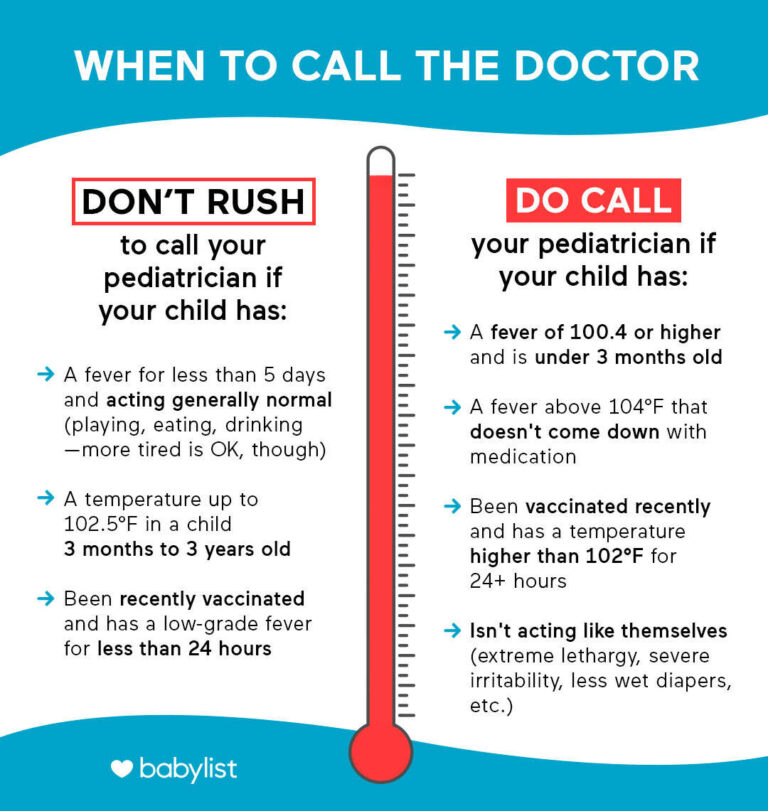
When to call your baby’s pediatrician
Separation anxiety is usually normal, but seek medical guidance when the reaction is severe, sudden, persistent, or linked with other concerns.
Contact your pediatrician if your baby:
- Seems unusually fearful or distressed most of the day
- Cannot be comforted by any familiar caregiver
- Stops eating or drinking normally
- Has ongoing sleep disruption that affects daytime function
- Loses skills they previously had
- Seems unusually withdrawn or does not respond to caregivers
- Has signs of illness or pain
- Has a sudden major behavior change after a frightening event
- Does not improve after several weeks of calm, consistent practice
Call promptly for signs of dehydration, breathing trouble, serious illness, injury, or a baby who is difficult to wake. For urgent danger in the United States, call 911.
A pediatrician can also check hearing, development, feeding, sleep, and family stress. These factors can affect how a baby handles separation.

A simple separation plan for this week
Use this plan for seven days and adjust it to your baby’s needs.
| Day or stage | Practice |
|---|---|
| Start | Leave the room for 10–30 seconds while a trusted adult stays with your baby. |
| Next step | Use the same goodbye phrase and increase the separation by a small amount. |
| Practice outside the home | Try a short handoff to a familiar caregiver. |
| Before daycare or work | Feed and change your baby if needed, then follow the brief goodbye routine. |
| After returning | Greet your baby calmly and resume normal care. |
| If crying gets worse | Shorten the next separation and check for hunger, tiredness, illness, or overstimulation. |
Signs the plan is helping include faster settling, accepting comfort from another caregiver, playing after you leave, and recovering more quickly when you return.
The goal is not a baby who never cries. The goal is a baby who gradually learns that trusted adults can keep them safe when you are away.

FAQs about 10-month-old separation anxiety
Should I let my 10-month-old cry when I leave?
You do not need to ignore your baby. Offer a calm goodbye, make sure a trusted caregiver is present, and allow that caregiver to comfort your baby. A few tears during a normal separation are different from leaving a baby without care or support.
Is separation anxiety worse at night?
It can be. Tiredness, darkness, illness, changes in sleep, and increased awareness of your absence may make bedtime harder. Use a consistent bedtime routine and check for discomfort before assuming the cause is separation anxiety.
Will picking up my baby create more clinginess?
Comfort does not spoil a baby. Responsive care can help a baby feel safe. You can offer comfort while still keeping clear routines and practicing short separations.
Can I use a blanket or stuffed animal to comfort my 10-month-old?
For safe sleep, keep loose blankets, pillows, stuffed toys, and other soft objects out of the crib. Use your voice, a short cuddle, or a safe caregiver’s presence instead. Follow current guidance from your pediatrician and the AAP.
How long should a 10-month-old cry at daycare drop-off?
There is no single safe time limit that applies to every baby. Ask the caregiver whether your baby settles, eats, plays, and sleeps after you leave. If your baby remains intensely distressed or cannot be comforted, review the situation with the caregiver and pediatrician.
Should I see a doctor for normal separation anxiety?
Usually not. Make an appointment if the anxiety is extreme, lasts most of the day, causes feeding or sleep problems, follows a frightening event, or appears with developmental or health concerns.
Conclusion
To deal with separation anxiety in a 10-month-old, stay calm, use a short goodbye, practice small separations, and rely on a consistent caregiver. Do not sneak away, make the goodbye very long, or expect every day to go smoothly.
Start with one small separation when your baby is rested and fed. Repeat the same steps for several days. If your baby’s distress is severe, sudden, or paired with health or developmental concerns, contact your pediatrician.