Introduction
In the United States, most newborns can see light, shapes, faces, and movement from birth. Their vision is still blurry, and they see best at about 8 to 12 inches—the distance from a baby’s face to a parent’s face during feeding.
You can watch your baby for simple signs of vision. However, a home check cannot rule out an eye problem. A pediatrician should check the baby’s eyes during newborn visits, including the red reflex, which helps screen for problems inside the eye.
Call your baby’s doctor promptly if you notice a white or cloudy pupil, a very large or unequal pupil, a drooping eyelid, an eye that does not move, or a baby who does not seem to respond to light or faces.
What Can a Newborn See?
A newborn can usually detect light, large shapes, movement, and a nearby face. Vision is not sharp yet because the eyes and brain are still learning to work together.
Newborns may:
- Look briefly at a parent’s face
- Blink when a light changes or an object comes near
- Turn toward a bright window or lamp
- Watch a slow-moving face or object for a short time
- Prefer bold patterns, such as black and white shapes
- Appear to look past you or lose focus quickly
A newborn’s eyes may also wander or cross from time to time. This can happen because eye control is still developing. Brief, occasional eye crossing is common in the first weeks. Constant eye crossing or an eye that always turns in one direction needs medical advice.
A baby does not need clear vision to recognize a parent. Newborns also use smell, sound, touch, and the familiar rhythm of a caregiver’s voice.
How far can a newborn see?
Most newborns see best at about 8 to 12 inches. This is close to the distance between a baby and a parent during feeding.
At greater distances, faces and objects may look blurred. That does not mean the baby cannot see them. The baby may simply need more time and contrast to notice them.
Do newborns see in color?
Newborns can likely see some color, but their color vision is not yet mature. High-contrast patterns often hold their attention more than pale or low-contrast items.
You do not need special cards or toys to check this. Your face, a simple patterned cloth, or a large dark shape can provide enough visual contrast.
How to Check a Newborn’s Vision at Home
Use a calm, gentle observation rather than a formal test. Check when your baby is awake, fed, and comfortable. A tired or hungry baby may not look at anything, even when vision is normal.
1. Watch for a response to normal room light
Notice whether your baby reacts when you enter a well-lit room or open the curtains. The baby may blink, pause, turn toward the light, or change facial expression.
Do not shine a flashlight into the baby’s eyes. Avoid phone-flash tests. Bright light can distress your baby, and a home light response does not prove that vision is normal.
2. Hold your face close
place your face about 8 to 12 inches from your baby’s face. Speak softly and wait several seconds.
Look for a brief gaze, a change in eye movement, or an attempt to focus on your face. Newborns may look away after a few seconds. Looking away can mean the baby needs a break, not that the baby cannot see.
3. Move a large object slowly
Use your face or a large, high-contrast object. Move it slowly from the center toward one side, then back toward the center.
A newborn may not smoothly follow the object. At first, you may see only a short glance or a small movement of the eyes. Slow and steady movement works better than quick motions.
4. Check each eye during normal care
During feeding or a quiet alert period, notice whether both eyes open and move. Look for major differences between the two eyes.
Do not force an eye open or cover one eye for a long test. If you see a concern in one eye, tell the pediatrician what you noticed and when it happened.
5. Watch the eyes during feeding
Many babies look at a caregiver’s face during feeding. This is not a required test, but it can give you another chance to observe the eyes.
A baby may close their eyes while feeding, especially when tired. That alone is not a sign of poor vision.
Signs that support normal early vision
The following signs are reassuring, but they do not replace an eye exam:
- The baby sometimes looks at a nearby face
- The baby blinks or changes expression with light
- Both eyes open at times
- Both eyes move in the same general direction
- The baby briefly watches a face or large object
- The baby reacts differently to light and dark settings
If your baby does not respond
Try again later when the baby is calm and awake. Newborn behavior changes from hour to hour.
If your baby repeatedly shows no response to light, faces, or large moving objects, contact the pediatrician. Do not wait for a home test to become clear if your concern continues.
What a Pediatrician Checks
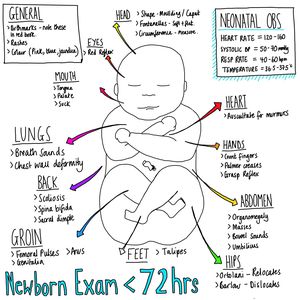
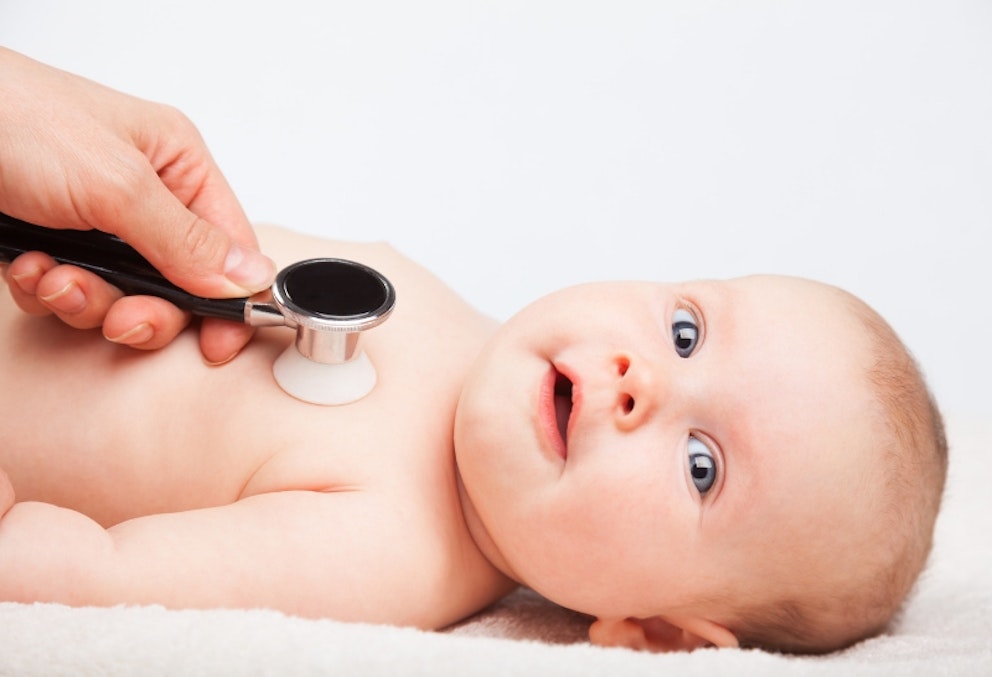
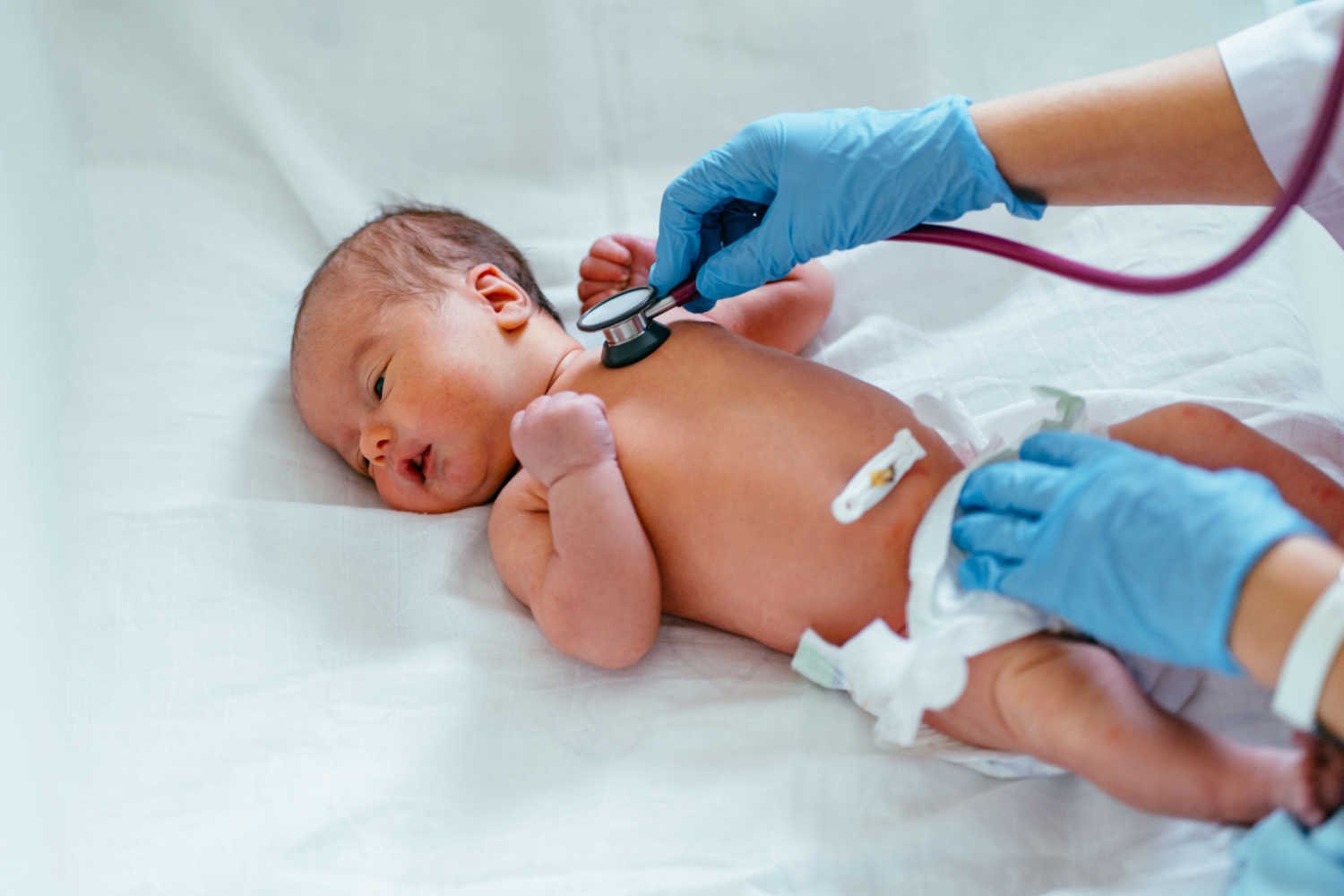
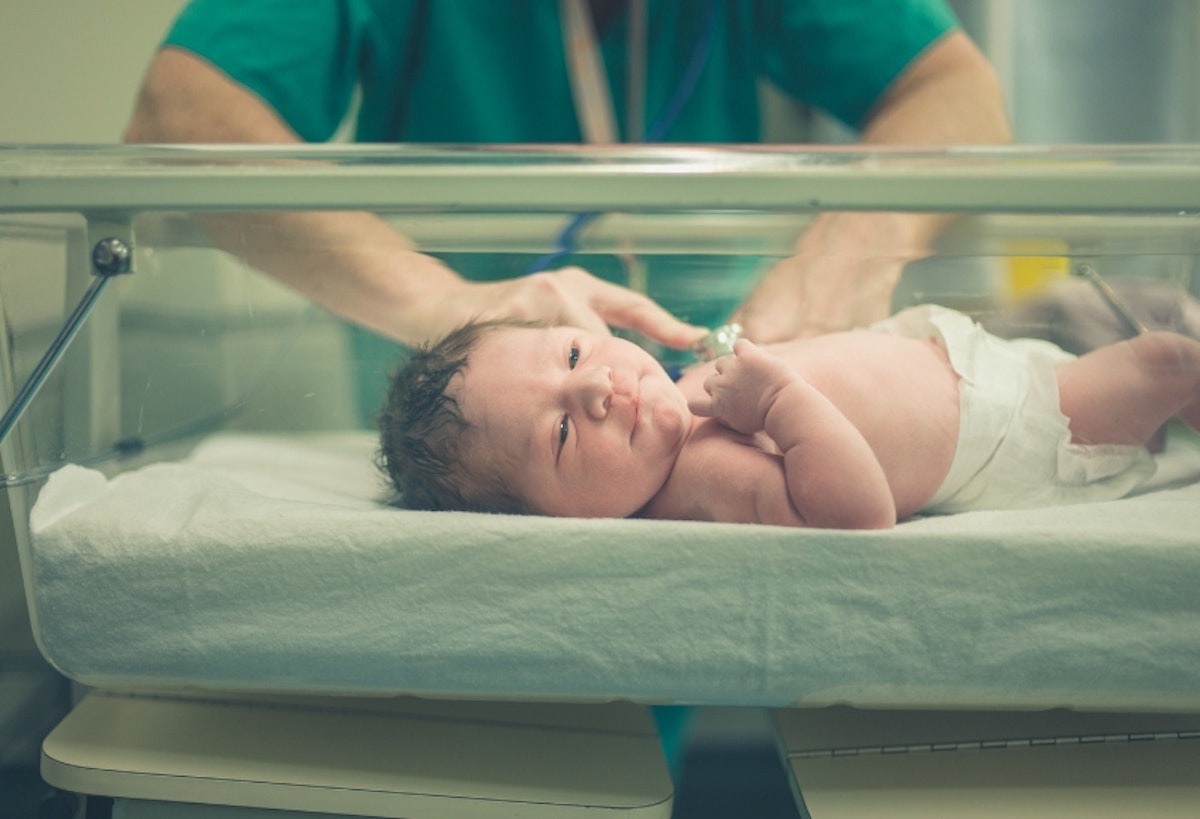
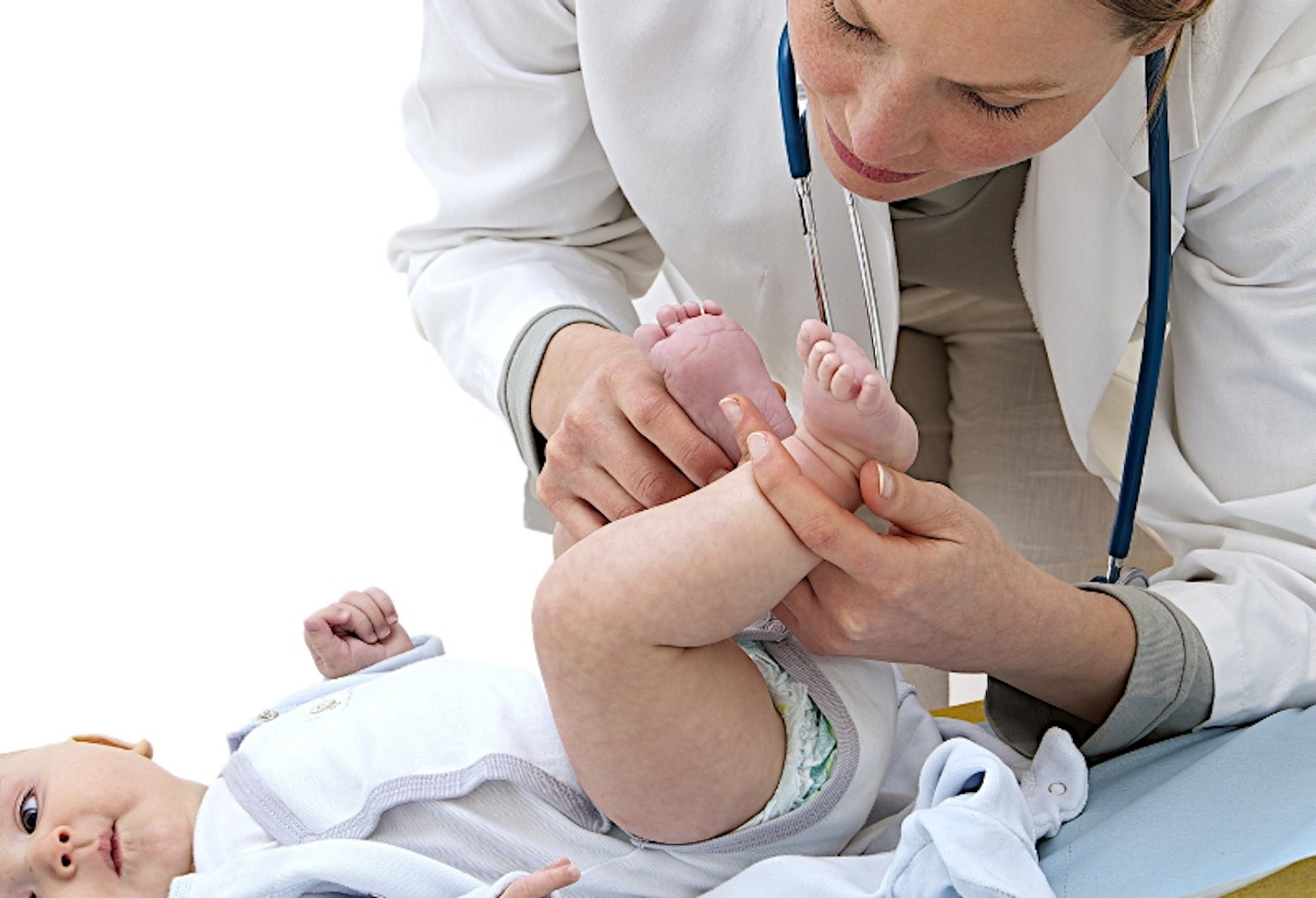
A pediatrician can check parts of vision that parents cannot safely assess at home. The visit may include an inspection of the eyelids, pupils, eye movement, and the red reflex.
The red reflex is the orange-red reflection seen from the back of the eye when a clinician uses a special light. It should appear in both eyes and look similar. A missing, white, cloudy, or noticeably different reflex can signal a problem that needs prompt evaluation.
A red-reflex check is not the same as taking a picture with a phone. Clinicians use trained methods and equipment, and they interpret the finding along with the rest of the examination.
The doctor may also ask about:
- Pregnancy and birth history
- Prematurity
- Family history of childhood eye disease
- The baby’s response to light and faces
- Eye movements and eye alignment
- Any unusual appearance in the pupil or cornea
In the United States, routine pediatric care includes checks for eye concerns. A baby may need referral to a pediatric ophthalmologist if the doctor sees an abnormal finding or if risk factors are present.
Premature babies may need a separate eye exam for retinopathy of prematurity, a condition linked to immature blood vessels in the retina. The timing depends on birth weight, gestational age, and the baby’s medical history. The neonatal team should explain the schedule before discharge.
Warning Signs That Need Medical Attention
Some eye signs should not be watched at home for several days. Contact your pediatrician promptly if you notice any of the following:
- A white, gray, or cloudy-looking pupil
- A pupil that appears much larger than the other
- A red reflex that looks absent or very different between the eyes
- A cloudy or enlarged cornea, the clear front part of the eye
- A swollen eyelid or an eye that stays closed
- A drooping eyelid that covers part of the pupil
- An eye that does not move with the other eye
- Constant eye crossing or a constant outward turn
- Repeated rapid eye movements
- Pus, severe redness, or marked swelling
- Strong light sensitivity
- No apparent visual response in either eye
A white pupil can have several causes, some of which are urgent. It may appear in photographs, but camera effects can also create unusual reflections. If the white appearance is present in real life or keeps appearing in photos, contact a doctor promptly.
Seek urgent care for a serious eye injury, sudden severe swelling, or a baby who seems very ill. If you are unsure how fast to act, call the pediatrician’s office or an appropriate urgent-care service.
Normal findings that can worry parents
Some newborn eye behaviors are often normal:
- Brief eye crossing
- Eyes that wander when the baby is tired
- Short periods of staring
- Looking away from a face
- Mild eyelid puffiness after birth
- Not following an object smoothly
- Closing the eyes in bright light
The key difference is whether the sign is brief and occasional or constant and worsening. A pediatrician should assess anything that concerns you, especially if it affects only one eye.
Common Mistakes When Checking Newborn Vision
The safest home check is simple observation. Avoid tests that can frighten or harm your baby or give false reassurance.
Do not use a bright flashlight
A light response only shows that the eye may detect brightness. It does not show whether the baby can see faces or form clear images.
Use normal room light instead. Never stare a bright beam into a newborn’s eyes.
Do not judge vision by eye color
Blue, brown, gray, or changing eye color does not tell you how well a newborn sees. Eye color often changes during infancy.
Do not expect steady tracking
Newborns often look for only a moment. Smooth tracking develops over time. A baby who does not follow a toy across the room is not automatically showing a vision problem.
Do not rely on photographs alone
Red eyes in a photo can be caused by camera angle, lighting, or flash. A repeated white pupil or an unusual reflection still deserves medical advice, but a photo cannot diagnose the cause.
Do not compare siblings
Babies reach visual milestones at different rates. A sibling who stared early does not create a standard that another baby must meet.
Do not delay care because the baby passed a home check
A baby can react to light and still have a condition that needs treatment. Home observations are useful information for the doctor, not a substitute for screening.
What to Record Before the Appointment
Write down what you saw and when it happened. A short note can help the pediatrician understand the pattern.
Include:
- The baby’s age and whether they were born early
- Which eye seemed different
- Whether the sign was constant or occasional
- Whether it appeared in normal light or only in photos
- Whether the baby was awake, feeding, or crying
- Any redness, swelling, discharge, or light sensitivity
- A photo or short video, if safe and taken without a bright flash
Keep scheduled newborn and well-child visits. Bring the hospital discharge papers if they include the baby’s eye screening results.
If the doctor recommends a pediatric ophthalmologist, ask how quickly the visit should occur and whether there are special instructions.

Newborn Vision: A Simple Decision Guide
Use this guide to decide what to do next. It is not a diagnosis.
| What you notice | What to do |
|---|---|
| Baby briefly looks at a nearby face or light | Continue normal observation |
| Baby looks away or does not track every time | Try again when calm and alert |
| Eyes cross briefly, especially when tired | Mention it at a routine visit |
| One eye always turns or does not move normally | Call the pediatrician |
| White or cloudy pupil | Contact the doctor promptly |
| Severe swelling, injury, or a very cloudy eye | Seek urgent medical care |
| Baby repeatedly shows no visual response | Contact the pediatrician promptly |
| Baby was very premature | Confirm whether a retinopathy of prematurity exam is due |
The main decision point is not whether your newborn can pass a home test. It is whether the eyes look and behave normally enough to discuss at the right medical visit.
Frequently Asked Questions
Can a newborn see right after birth?
Yes. Most newborns can detect light, shapes, movement, and nearby faces. Their vision is blurry, and their ability to focus and track objects is still developing.
How do I know if my newborn is blind?
You cannot confirm or rule out blindness with a home test. Repeatedly seeing no response to light or nearby faces is a reason to contact the pediatrician. An abnormal pupil, cloudy eye, or unusual eye movement also needs medical assessment.
Should a newborn follow a toy with their eyes?
Not reliably. A newborn may briefly look at a large object or face, but smooth tracking is not expected at birth. Use slow movement and test when the baby is calm and alert.
Is it normal for a newborn’s eyes to cross?
Brief, occasional crossing can be normal in the early weeks. Constant crossing, a persistent outward turn, or a difference between the eyes should be assessed by a pediatrician.
Can I use my phone camera to test my baby’s eyes?
No. A phone photo may show a reflection, but it cannot replace a clinical red-reflex exam. Do not use a bright flash or flashlight as a test.
When should a newborn have an eye exam?
The baby’s pediatrician should examine the eyes during newborn care. Babies born very prematurely may need a special retinal exam on a schedule based on gestational age, birth weight, and medical history.
Who checks a baby’s vision?
A pediatrician or other qualified clinician may perform early eye checks. A pediatric ophthalmologist is a medical eye specialist who evaluates and treats eye conditions in infants and children.

Reliable U.S. Resources
For guidance in the United States, use your child’s pediatrician as the first point of contact. The following organizations provide further information:
- American Academy of Pediatrics: HealthyChildren.org
- American Association for Pediatric Ophthalmology and Strabismus
- Centers for Disease Control and Prevention: Vision Health
- National Eye Institute: Children’s Vision

Conclusion
A newborn can usually see light, shapes, movement, and nearby faces, but vision is blurry at first. You can gently watch for blinking, brief eye contact, and responses to nearby faces in normal room light.
Do not use a flashlight, phone flash, or home red-reflex test. Keep all newborn checkups, and contact the pediatrician if one eye looks different, the pupil looks white or cloudy, the eyes do not move together, or your baby repeatedly shows no visual response.