
Babies often stare because they are learning, processing faces, and tuning into social cues.
I have spent years observing infants and advising parents, so I know that the question why do babies stare at me is common and worth a clear answer. This article breaks down the biology, behavior, and social reasons behind that steady gaze. You will learn what newborn sight looks like, how attention changes with age, when staring is normal, and when to seek help. Read on for simple, practical guidance you can use right away.

Why babies stare: basic reasons
Babies stare for many plain and important reasons. They learn by watching faces. The phrase why do babies stare at me captures a real drive in infants. Newborns prefer high-contrast shapes and faces. Staring helps them map features and learn who is safe and kind.
Babies also use staring to test reaction. A smile or a soft voice teaches them about cause and effect. Research shows that babies pay more attention to eyes than other face parts. So when you ask why do babies stare at me, know that their gaze is learning and communicating.
Babies stare when they are tired or curious. Sometimes they stare with calm focus. Other times the stare helps them self-soothe. Understanding these basic reasons makes the stare feel less mysterious.
What babies see and how vision affects staring
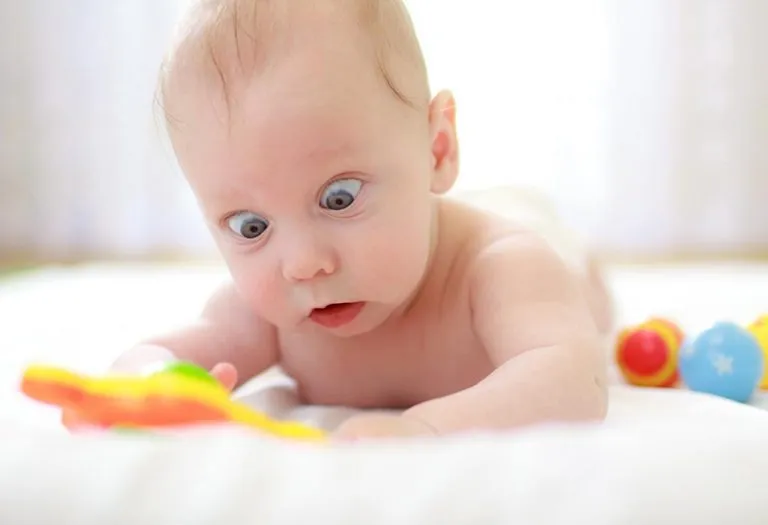
Vision is blurry at first. Newborns clearly see objects about 8–12 inches away. That range is roughly the distance to a person holding them. So when you ask why do babies stare at me, remember that you fall into their clear-view zone.
Babies prefer faces. They like bold edges and moving features. Eyes hold their attention longest. Color vision develops over months, so early on contrast matters most. As sight sharpens, the reasons for staring grow more social and complex.
Light and motion also attract attention. A gentle swing of the head or a patterned shirt can hold a baby’s gaze. Keep in mind that staring is often a sign of healthy sensory development.

Age differences: how staring changes over time
Newborns stare for sensory reasons. They focus on faces and light. By 2 months, they track moving faces and begin to smile socially. At 4–6 months, staring supports social play and recognition.
When parents ask why do babies stare at me during these months, the answer often links to recognition. Babies start to prefer familiar faces. At 9–12 months, staring can be used to communicate wants or test reactions. Older infants may use gaze to point out objects or to share interest.
If you track normal milestones, staring patterns become easier to read. Changes in stare habits often reflect new social skills.
Social and emotional reasons babies stare
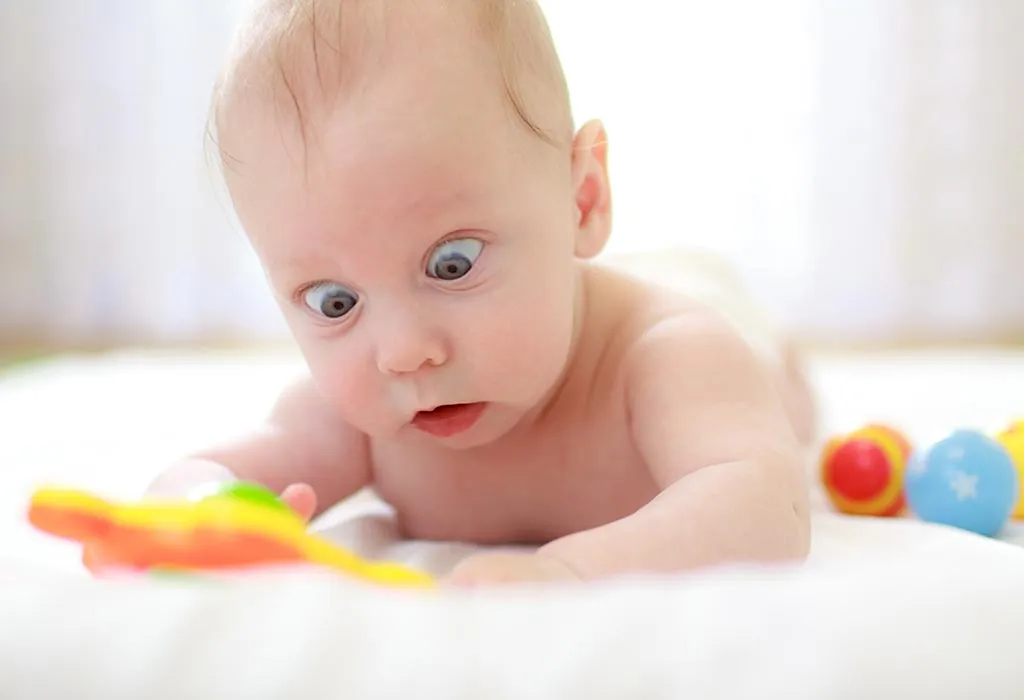
Babies stare to connect. Eye contact helps build attachment. When you hold a baby and they stare, they are often saying "I know you" or "I like you." This simple gaze helps brains wire for trust and social learning.
Babies also stare when they feel strong emotions. They may freeze and stare when upset, surprised, or overwhelmed. A calm response from an adult helps them regulate those feelings. So asking why do babies stare at me can lead to more mindful responses and better bonding.
Some babies stare to get what they want. If staring brings a smile, toy, or feeding, it becomes a communication tool. Watch patterns over time to see what the stare usually asks for.

When to be concerned about staring
Most staring is normal. However, persistent or unusual staring can require a check. If a baby rarely makes eye contact by 6 months, that raises a flag. If staring is paired with odd movements, poor tracking, or delayed speech, mention it to a clinician.
If you worry about vision, hearing, or social delay, seek a professional screen. Early evaluation is low risk and can provide peace of mind. When you wonder why do babies stare at me and the stare seems different, trust your instincts and ask for help.
How to respond: simple, practical tips
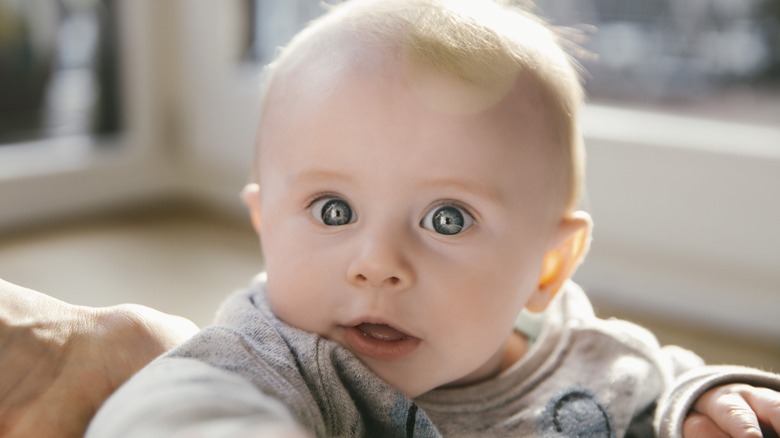
Respond gently and clearly. Here are steps that work well:
- Smile and use a calm voice. Babies learn from tone and expression.
- Move slowly. Babies track slow motion better than quick gestures.
- Hold visual contrast near their face. A plain white and dark patterned cloth works.
- Play peek-a-boo and pause to let them process. Pauses teach turn-taking.
- Mirror their expression briefly. This builds social bonds and shows you see them.
- Limit loud, fast stimuli if they seem overwhelmed. Quiet helps them recover.
From my experience, small changes make big differences. I once worked with parents who thought their baby stared oddly. Simple pauses and gentle play increased the baby’s smiles and reduced tense staring. Try one tip at a time and watch for what the baby prefers.
Common questions answered (PAA-style)
Why do babies stare at people they don’t know?
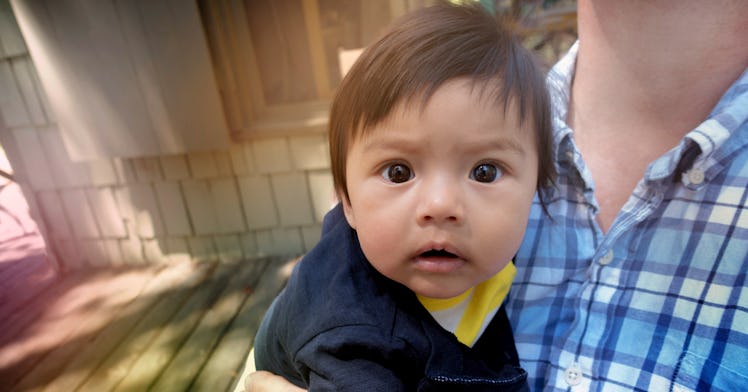
Babies explore new faces to learn about them. Unfamiliar faces are novel, so staring helps them gather information and decide if the person is safe.
Do babies stare to test if you will react?
Yes. Babies quickly learn that certain looks produce smiles or talk. Staring is often a test to see if someone will respond.
Is staring a sign of intelligence in babies?
Staring alone is not a direct measure of intelligence. It does show curiosity and sensory focus, which support learning and development.
Why do babies sometimes stare without blinking?
Short periods of reduced blinking are normal when babies concentrate. If you see long unblinking episodes or other odd signs, mention it to your pediatrician.
Can I encourage better eye contact?
Yes. Use soft speech, face-on interactions, and simple games. Regular, calm face time helps babies grow comfortable with eye contact.
Frequently Asked Questions of why do babies stare at me
What does it mean when a baby stares at you for a long time?
Long staring usually means deep interest or focus. Babies may be studying your face, trying to read your expression, or simply calming themselves.
Why do newborns stare at the ceiling or light?
Newborns are drawn to bright, high-contrast patterns and light. The ceiling light may be one of the few clear shapes they can notice.
Can staring mean a baby is bored?
Sometimes. If a baby stares off and seems listless, they might be bored or tired. Offering new gentle activities can reengage them.
Does eye contact help a baby’s brain development?
Yes. Eye contact promotes social bonding and language pathways. It supports emotional learning and attention skills.
Should I worry if my baby stares but doesn’t smile?
Not always. Some babies focus hard before they show emotion. If you notice other delays in social response by six months, ask a pediatrician.
Conclusion
Babies stare for clear, meaningful reasons. They learn, test, calm, and connect through gaze. When you consider why do babies stare at me, remember that most staring is healthy and helpful. Watch the age patterns and the context, respond with calm and friendly signals, and seek a professional check when something feels off. Try one new tip this week: pause, smile, and mirror the baby’s look for a few seconds. Notice how the connection changes and use that insight to build stronger bonds. If this article helped, leave a comment, share your story, or subscribe for more practical parenting insights.