For families in the United States, safe newborn bottle-feeding means using the right milk, preparing it correctly, holding your baby in a semi-upright position, and following your baby’s hunger and fullness cues. Keep the bottle nearly horizontal, let your baby pause, and never prop a bottle or force your baby to finish it.
Bottle-feeding may use pumped breast milk, infant formula, or both. The basic feeding steps are similar, but breast milk and formula have different storage and preparation rules.
Before You Bottle-Feed Your Newborn
Gather a clean bottle, the correct nipple, breast milk or prepared formula, a burp cloth, and a safe place to sit. Wash your hands with soap and water before preparing milk or handling feeding parts.
Check the bottle and nipple for cracks, tears, or damage. Make sure the nipple is made for a newborn or has a slow flow. A fast nipple can cause coughing, gulping, leaking, or stress during the feed.
Breast milk or formula?
Both pumped breast milk and iron-fortified infant formula can provide the nutrition a newborn needs. Your choice may depend on your health, your baby’s needs, feeding goals, and advice from your baby’s health care provider.
Do not add cereal, water, juice, or other foods to a newborn’s bottle unless a pediatrician gives you specific instructions. Adding extra water can be dangerous. It can lower the amount of nutrients and disturb a baby’s salt balance.
How much milk does a newborn need?
Newborns often eat small amounts many times a day. A baby who receives breast milk may take a different amount from a bottle than a baby who receives formula.
In the first days, many formula-fed newborns take about 1 to 2 ounces per feed. The amount often rises during the first weeks, but needs vary. Use your baby’s hunger and fullness cues rather than trying to make the baby finish a set amount.
Your baby’s doctor can give you a feeding plan if your baby was born early, has trouble gaining weight, has jaundice, or has another medical need.
How to Bottle-Feed a Newborn Step by Step
Follow these steps for most routine bottle feeds. If your pediatrician or hospital gave you a special plan, follow that plan first.
1. Wash your hands and check the milk
Wash your hands before you touch the bottle, nipple, breast pump parts, or formula container. Check the milk’s date and storage time.
If you use formula, follow the label exactly. Measure the water first, then add the correct amount of powdered formula. Do not use extra powder or extra water.
If you use pumped breast milk, gently swirl it if the fat has separated. Do not shake it hard unless your health care provider tells you to do so. You may serve breast milk cold, at room temperature, or warm.
2. Warm the milk safely, if you choose
Warming is optional. If your baby accepts cold or room-temperature milk, there is no need to warm it.
To warm a bottle, place it in warm water or use a bottle warmer made for this purpose. Test a few drops on the inside of your wrist. The milk should feel lukewarm, not hot.
Never microwave breast milk or formula. A microwave can create hot spots that burn your baby’s mouth. It can also heat the bottle unevenly.
3. Hold your newborn close and semi-upright
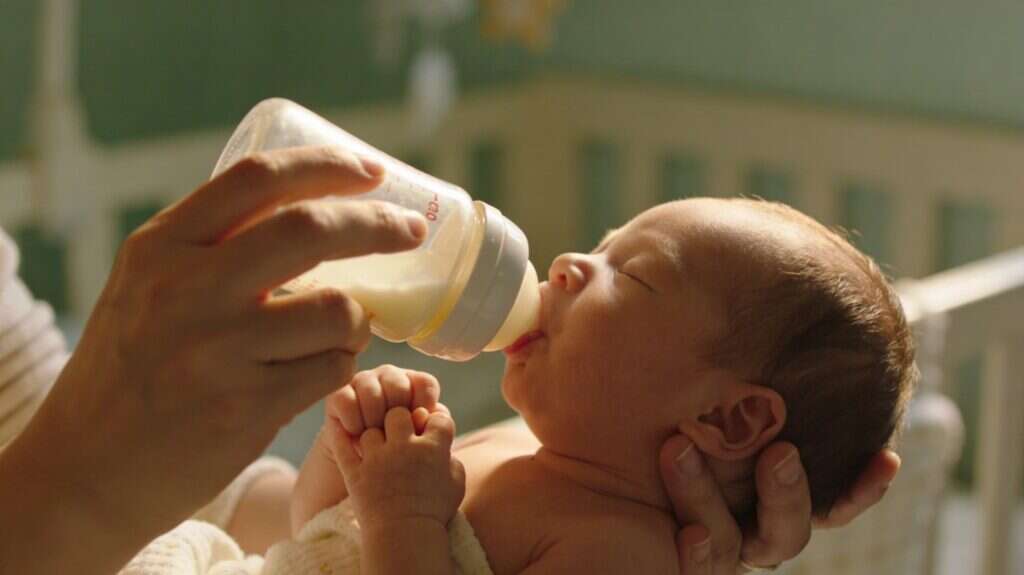
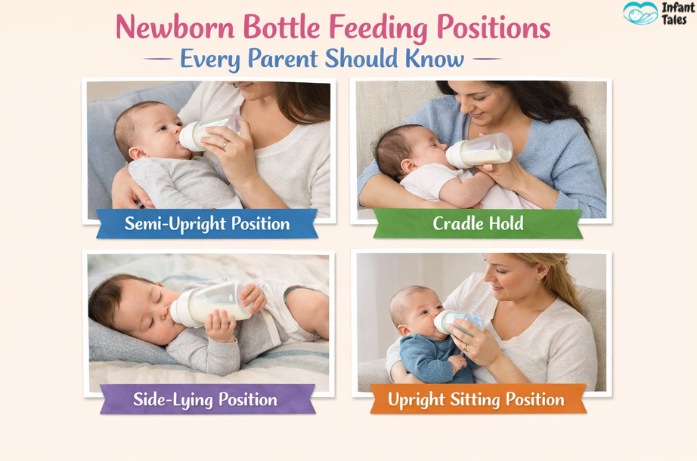
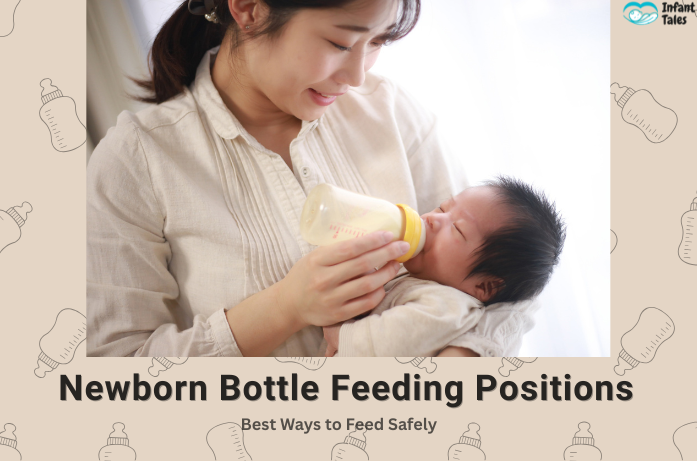
Sit in a comfortable position and hold your baby close to your body. Keep the baby’s head higher than the stomach, with the neck straight and supported.
A semi-upright position helps your baby control the flow. It also makes it easier to watch your baby’s breathing, swallowing, and comfort.
Do not feed your baby flat on their back. Do not leave a baby alone with a bottle.
4. Touch the nipple to your baby’s lips
Gently touch the nipple to your baby’s upper lip. Wait for the baby to open their mouth and draw the nipple in.
Do not push the nipple into a closed mouth. A newborn may need a few seconds to root, open, and latch.
Aim the nipple toward the roof of the mouth. The baby’s lips should seal around the nipple. Milk should not pour freely from the corners of the mouth.
5. Keep the bottle almost horizontal
Hold the bottle at a slight angle so the nipple stays partly full of milk. The bottle should not point straight down.
This method is often called paced bottle-feeding. It slows the flow and gives your newborn more control. Your baby can pause, breathe, and swallow without having to keep up with a fast stream.
Watch for signs that the flow is too fast:
- Coughing or choking
- Gulping
- Milk leaking from the mouth
- Wide eyes or a worried look
- Pulling away
- Hard or noisy breathing
- Taking very fast breaths
If you see these signs, lower the bottle, pause the feed, and let your baby recover. Check that the nipple flow is slow enough.
6. Let your baby set the pace
A newborn may suck for a while, stop, look around, and start again. These pauses are normal. Do not shake the bottle, tap the nipple, or make your baby keep sucking.
You can pause the feed every few minutes by lowering the bottle while keeping your baby upright. This gives your baby time to breathe and notice fullness.
A bottle feed may take about 10 to 20 minutes, but there is no perfect time. A feed that takes only a few minutes may be too fast. A feed that regularly takes much longer may point to a flow, latch, or health problem.
7. Stop when your baby shows fullness
Newborn fullness cues may include:
- Turning the head away
- Closing the mouth
- Relaxing the hands
- Slowing down or stopping sucking
- Pushing the bottle away
- Falling asleep in a relaxed way
Stop when your baby appears full, even if milk remains in the bottle. Do not force the last ounce. Pressure can make feeding stressful and may make it harder for your baby to respond to hunger and fullness.
8. Burp your baby if needed
Some babies need to burp during or after a bottle. Others do not burp every time.
Hold your baby upright against your chest or sit the baby on your lap with the head and neck supported. Gently pat or rub the back for a few minutes.
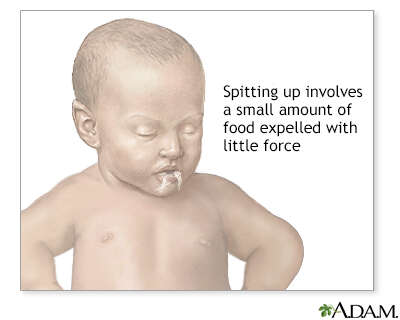
If your baby seems comfortable, you do not need to keep trying. Spitting up a small amount can be common, but forceful vomiting, green vomit, blood, breathing trouble, or poor weight gain needs prompt medical advice.
9. Clean up right away
Throw away formula left in the bottle after a feed. Bacteria from your baby’s mouth can grow in the milk.
For breast milk, follow current storage guidance from the CDC. Clean bottles, nipples, rings, and caps after each use according to the manufacturer’s instructions.
How to Prepare Infant Formula Safely
Safe formula preparation starts with the product label and your local water supply. Use only infant formula made for babies. Do not use homemade formula, toddler drinks, or diluted formula for a newborn.
Powdered formula
Powdered formula is not sterile. The CDC and FDA provide extra precautions for babies younger than 2 months, babies born prematurely, and babies with weakened immune systems.
For these babies, ask the baby’s health care provider whether ready-to-feed liquid formula is a better choice. If you use powdered formula, ask how to prepare it as safely as possible.
For routine preparation:
- Wash your hands.
- Clean the counter and gather clean feeding parts.
- Use a safe water source.
- Measure the water first.
- Add the exact number of level scoops listed on the label.
- Cap the bottle and mix it gently.
- Feed it right away or store it as directed.
Do not add powder before measuring the water. Do not pack the powder into the scoop. Do not use a kitchen spoon to estimate the amount.
Ready-to-feed formula
Ready-to-feed formula does not need water added. Shake the container gently if the label says to do so, pour the needed amount into a clean bottle, and feed it.
Follow the package instructions after opening. Some ready-to-feed products must be refrigerated after opening and used within a set time.
Concentrated liquid formula
Concentrated liquid formula must be mixed with water. Use the exact water amount listed on the label. Never use concentrated formula straight from the container unless the product label says it is ready to feed.
Water safety
In the United States, tap water is often suitable for formula, but local conditions differ. Contact your local health department or water utility if you have concerns about lead, well water, a boil-water advisory, or another water issue.
If your provider tells you to boil water, follow the exact instructions. Let the water cool as directed before mixing formula. Boiling formula after it is mixed is not a safe substitute for correct preparation.

How to Store Breast Milk and Formula
Correct storage prevents milk from becoming unsafe. When in doubt, discard milk that has been left out too long or handled in an uncertain way.
Pumped breast milk
The CDC generally recommends these time limits for freshly pumped breast milk:
| Storage place | General limit |
|---|---|
| Room temperature, about 77°F or cooler | Up to 4 hours |
| Refrigerator, about 40°F | Up to 4 days |
| Freezer | Best within 6 months; acceptable up to 12 months |
Keep milk in the back of the refrigerator or freezer, where the temperature stays more stable. Label each container with the date it was pumped.
Use thawed breast milk within 24 hours after it fully thaws in the refrigerator. Do not refreeze thawed breast milk.
If your baby does not finish a bottle of breast milk, use the leftover milk within 2 hours after the feed ends. After that, discard it.
Prepared infant formula
Use prepared formula within 2 hours of making it if it stays at room temperature. Once feeding starts, use the formula within 1 hour. Throw away the rest.
If you prepare formula ahead of time, refrigerate it right away and use it within 24 hours unless the product label gives a shorter limit.
Do not return a partly used bottle to the refrigerator. Refrigeration does not make milk safe again after bacteria from the baby’s mouth enter the bottle.
How to thaw and warm breast milk
Thaw frozen breast milk in the refrigerator or in cool-to-warm water. You may also hold the container under lukewarm running water.
Do not thaw breast milk in a microwave. Do not boil it. Swirl the milk to mix the fat back in, and test the temperature before feeding.
How to Clean and Sanitize Bottles
Clean feeding parts after every use. Disassemble the bottle fully so milk does not remain under the nipple, ring, or valve.
A basic cleaning routine is:
- Wash your hands.
- Take the bottle apart.
- Rinse parts under running water.
- Wash them with hot water and dish soap.
- Use a clean bottle brush.
- Rinse well.
- Air-dry parts on a clean, unused towel or drying rack.
- Store the dry parts in a clean place.
Do not wipe wet parts with a kitchen towel. Towels can add germs to clean feeding equipment.
Sanitizing may be needed daily for younger babies, babies born prematurely, or babies with certain health conditions. The CDC advises following the bottle maker’s instructions and asking your child’s health care provider if your baby is under 2 months old, was born early, or has a weak immune system.
Never use a nipple with a split, tear, sticky surface, or change in shape. Inspect nipples often, especially if your baby bites or pulls on them.

Newborn Bottle-Feeding Cues to Watch
Responsive feeding means you respond to your baby’s signs instead of following a rigid clock or forcing a specific amount.
Early hunger cues
Feed when you notice early cues, such as:
- Stirring
- Opening the mouth
- Turning the head and rooting
- Bringing hands to the mouth
- Licking or smacking the lips
Crying is a late hunger cue. A crying baby may need calming before they can latch onto the bottle.
Signs your baby is getting enough
No single sign proves that a baby is getting enough milk. Look at the whole pattern:
- Your baby feeds regularly.
- Your baby seems relaxed after many feeds.
- Your baby has regular wet diapers.
- Your baby’s health care provider sees expected growth.
- Your baby has periods of alertness between feeds.
Wet diaper patterns change during the first days. Your pediatrician can tell you what to expect based on your baby’s age, birth weight, and feeding plan.
Signs your baby may need help
Call your baby’s doctor if your newborn:
- Is too sleepy to feed
- Repeatedly refuses feeds
- Coughs or chokes during most feeds
- Takes much less milk than usual
- Has fewer wet diapers than expected
- Vomits forcefully or repeatedly
- Shows signs of dehydration
- Is not gaining weight as expected
Seek urgent care for trouble breathing, blue or gray skin, extreme weakness, or a baby who cannot be awakened for feeding. In a baby younger than 3 months, a rectal temperature of 100.4°F (38°C) or higher needs immediate medical advice.
Common Bottle-Feeding Mistakes to Avoid
Small changes can make bottle-feeding safer and calmer.
Propping the bottle
Never prop a bottle with a pillow, blanket, or other object. A newborn can choke, take in too much milk, or be unable to stop the flow.
Bottle propping also removes the close contact that helps you notice breathing problems and fullness cues.
Feeding a baby flat
A flat position can make milk flow too quickly and may raise the risk of coughing or choking. Keep your baby’s head and chest raised during the feed.
Forcing the bottle
Do not force the nipple into your baby’s mouth or make your baby finish the bottle. Turn the bottle down or stop when your baby needs a break.
Using the wrong nipple flow
A nipple marked “newborn” or “slow flow” is a useful starting point, but labels vary by brand. If your baby struggles, the nipple may be too slow. If your baby coughs, leaks milk, or gulps, it may be too fast.
Change nipple flow based on your baby’s behavior, not only on age printed on the package. Ask your pediatrician or feeding specialist for help when problems continue.
Microwaving milk
Microwaves can create hot spots. Warm milk in water or a bottle warmer instead, and always test it before feeding.
Saving unfinished formula
Discard formula left after the feed begins. Do not save it for the next feeding.
Making formula more concentrated or diluted
Extra powder can overload a baby’s kidneys and cause dehydration. Extra water can prevent a baby from getting enough nutrients and can cause serious illness.
Adding cereal
Cereal does not belong in a newborn’s bottle unless a health care provider gives a specific medical instruction. It can change the texture, add calories, and create feeding or choking concerns.

What to Do if Bottle-Feeding Is Not Going Well
First, stop and check your baby’s breathing and comfort. If your baby is coughing, choking, or struggling, remove the bottle and hold the baby upright. Do not continue until breathing is calm.
Then check the most common causes:
| What you notice | Possible cause | What to try |
|---|---|---|
| Coughing or gulping | Milk flow is too fast | Use a slower nipple and keep the bottle more level |
| Milk leaking from the mouth | Poor seal, fast flow, or poor position | Reposition your baby and check the nipple |
| Feed takes a very long time | Flow may be too slow or baby may tire | Check the nipple and speak with the pediatrician |
| Baby cries at the bottle | Baby may be too hungry, tired, or uncomfortable | Calm the baby and offer the bottle again |
| Frequent spit-up | Too much milk, fast flow, or swallowed air | Use paced feeds, offer pauses, and avoid forcing feeds |
| Baby refuses several feeds | Illness, pain, oral issue, or feeding difficulty | Call the pediatrician |
Do not enlarge a nipple hole with a needle. This can make the flow unpredictable and may cause pieces of the nipple to break off.
If feeding remains hard, ask for a referral to a lactation consultant, pediatric feeding therapist, or speech-language pathologist with infant feeding experience. Ongoing coughing, choking, noisy breathing, poor weight gain, or exhaustion during feeds deserves professional assessment.
Key Takeaways for Safe Newborn Bottle-Feeding
- Hold your newborn semi-upright with the head and neck supported.
- Use a slow-flow nipple and keep the bottle nearly horizontal.
- Let your baby pause and stop when the baby shows fullness.
- Never prop a bottle or feed a baby unattended.
- Follow the formula label exactly.
- Do not microwave milk or add cereal and water without medical advice.
- Discard leftover formula after a feed.
- Clean bottles after every use.
- Call the pediatrician about repeated choking, poor feeding, fewer wet diapers, or poor weight gain.
Frequently Asked Questions
Should a newborn drink a bottle at room temperature?
Yes. A newborn can usually drink breast milk or formula at room temperature if the baby accepts it and the milk has been stored safely. Warming is not required.
How often should I bottle-feed a newborn?
Feed your newborn when the baby shows hunger cues. Many newborns eat often, including during the night. The right schedule depends on age, weight, milk type, and medical needs. Your baby’s pediatrician can give you a personal feeding plan.
How do I know if a bottle nipple is too fast?
Coughing, gulping, choking, milk leaking, pulling away, or noisy breathing can mean the nipple flow is too fast. Try a slower-flow nipple and use paced bottle-feeding. Speak with a health care provider if the problem continues.
Should I wake my newborn to feed?
Some newborns need to be woken for feeds, especially if they are premature, jaundiced, sleepy, or not gaining weight. Ask your baby’s pediatrician when to wake your baby and how often to feed.
Can I save breast milk left in the bottle?
You may use leftover breast milk within 2 hours after the feeding ends. After that, discard it. Do not save leftover formula after feeding begins.
Is paced bottle-feeding required for every newborn?
Paced feeding is not a strict rule, but it can help a newborn control the flow and take breaks. It is especially useful when a bottle flows quickly, when a baby coughs or gulps, or when a family combines breast and bottle-feeding.
Conclusion
Proper newborn bottle-feeding is less about making a baby finish a bottle and more about creating a safe, calm pace. Use clean equipment, prepare milk exactly as directed, hold your baby upright, keep the bottle nearly level, and respond to hunger and fullness cues.
If your baby often chokes, refuses feeds, tires during feeding, or does not gain weight as expected, contact the pediatrician. A feeding professional can check the nipple flow, position, latch, swallowing, and overall feeding plan.