
Introduction
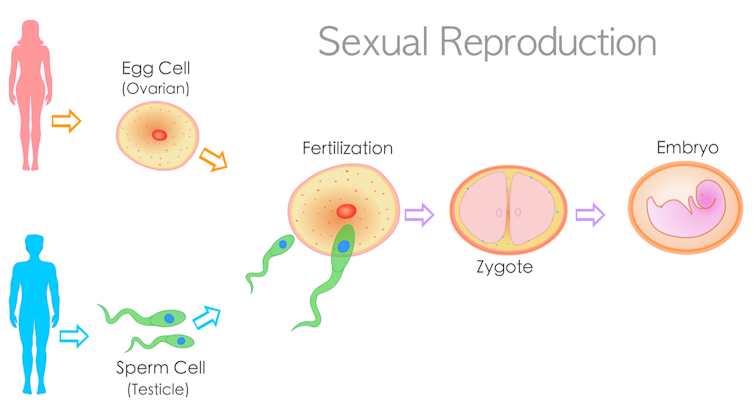
In the United States, most babies begin when a sperm cell from one person joins an egg cell from another person. This is called fertilization. The fertilized egg can then attach to the lining of the uterus and grow into an embryo, fetus, and eventually a baby.
A pregnancy can begin through penis-in-vagina sex, fertility treatment, or assisted reproductive technology such as in vitro fertilization (IVF). Families can also grow through adoption, surrogacy, and other paths that do not involve a pregnancy.
This guide explains the biology in simple terms. It also covers fertile days, pregnancy tests, birth, contraception, infertility, and when to seek medical care.

What does “making a baby” mean?
“Making a baby” usually means starting a pregnancy. A pregnancy begins after a sperm and an egg meet, and the resulting embryo implants in the uterus.


The main body parts involved are:
- Testicles: Make sperm and the hormone testosterone.
- Ovaries: Store and release eggs. They also make hormones.
- Penis: Can carry semen into the vagina during sex.
- Vagina: A muscular canal that leads to the cervix.
- Cervix: The lower part of the uterus.
- Uterus: The organ where a pregnancy grows.
- Fallopian tubes: Carry an egg from an ovary toward the uterus.
A sperm cell is very small. An egg is much larger. The egg carries half of the genetic material needed to build a human body. The sperm carries the other half.
Most human cells have 46 chromosomes. An egg has 23 chromosomes, and a sperm has 23. When they join, the new cell usually has 46 chromosomes.
How sex can lead to pregnancy
Pregnancy can happen when semen enters the vagina or gets close to the vaginal opening. Semen is a fluid that may contain millions of sperm.
During ejaculation, sperm can move through the vagina, cervix, and uterus. Some may reach a fallopian tube. If an egg is present, one sperm may enter it. This is fertilization.
Pregnancy can happen even if ejaculation does not occur inside the vagina. Pre-ejaculate, or “pre-cum,” can sometimes contain sperm. Semen near the vaginal opening may also allow sperm to enter the vagina.
Pregnancy cannot begin from kissing, hugging, oral sex, touching, or sharing a toilet. It can happen through sexual activity that allows sperm to reach the vagina.

How fertilization and pregnancy happen
Fertilization usually occurs in a fallopian tube, not in the uterus. After fertilization, the early embryo moves toward the uterus.
The process has several steps:
- Ovulation: An ovary releases an egg.
- Sperm movement: Sperm travel through the reproductive tract.
- Fertilization: One sperm joins with the egg.
- Cell division: The fertilized egg divides into more cells.
- Implantation: The developing embryo attaches to the uterine lining.
- Pregnancy growth: The embryo becomes a fetus and continues to develop.
An egg usually lives for about 12 to 24 hours after ovulation. Sperm can live in the reproductive tract for up to about five days when conditions are favorable. This is why sex several days before ovulation can sometimes lead to pregnancy.
The timing is not exact for everyone. Ovulation can change from month to month. Stress, illness, travel, breastfeeding, and some health conditions can affect the menstrual cycle.


What happens after implantation?
After implantation, the body produces more of a hormone called human chorionic gonadotropin, or hCG. Home pregnancy tests look for hCG in urine.
The placenta begins to form. It helps deliver oxygen and nutrients to the developing fetus. It also helps remove waste.
The umbilical cord connects the fetus to the placenta. The fetus grows inside a fluid-filled sac called the amniotic sac. This fluid cushions the fetus and allows movement.
A full-term pregnancy usually lasts about 40 weeks from the first day of the last menstrual period. Pregnancy length can vary. Health professionals use ultrasound, menstrual dates, and other information to estimate a due date.
What happens during pregnancy?
Pregnancy has three broad stages called trimesters. Each stage includes major changes, but development does not happen at the same speed for every pregnancy.
First trimester
The first trimester includes weeks 1 through 12. The embryo’s basic body structures begin to form. The heart, brain, spinal cord, limbs, and other organs start developing.
Common symptoms may include:
- A missed period
- Nausea or vomiting
- Tiredness
- Sore breasts
- More frequent urination
- Mood changes
Some people have few symptoms. Others feel very sick. Symptoms alone cannot confirm pregnancy. A pregnancy test is more useful.
Second trimester
The second trimester includes weeks 13 through 27. The fetus grows larger. Bones, muscles, senses, and organs continue to develop.
Many pregnant people begin to feel movement during this stage. The timing varies. The abdomen often becomes more visible as the uterus expands.
Prenatal visits help check the health of the pregnant person and fetus. These visits may include blood pressure checks, blood tests, urine tests, and ultrasound.
Third trimester
The third trimester begins around week 28. The fetus gains weight and continues to mature. The lungs and brain keep developing.
The uterus becomes larger and can put pressure on nearby organs. This may cause back pain, heartburn, shortness of breath, or trouble sleeping.
A health care professional watches for signs of labor and conditions such as high blood pressure or gestational diabetes.

How babies are born
Birth begins when the uterus contracts and the cervix opens. These contractions are called labor.


Labor often has three main stages:
- Early and active labor: The cervix thins and opens.
- Pushing and birth: The baby moves through the vagina.
- Delivery of the placenta: The placenta leaves the uterus after the baby is born.
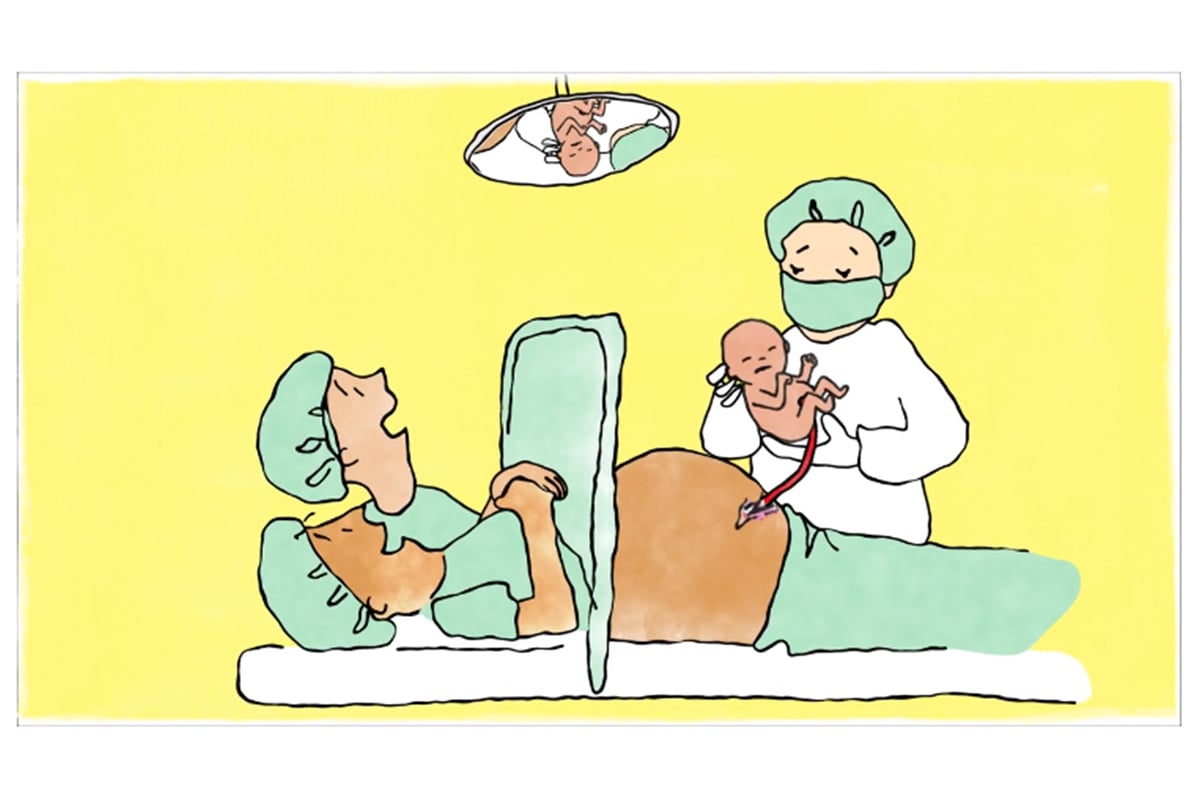
A vaginal birth happens through the vagina. A cesarean birth, also called a C-section, happens through surgery. During a C-section, a doctor makes openings in the abdomen and uterus to deliver the baby.
A C-section may be planned or may become necessary during labor. Reasons can include the baby’s position, concerns about the baby’s heart rate, labor that does not progress, or a health risk to the pregnant person or baby.
The birthing team may include an obstetrician, family doctor, certified nurse-midwife, nurses, anesthesiology staff, and pediatric staff. The exact team depends on the hospital, birth center, and medical needs.
After birth, the baby begins breathing air. The umbilical cord is clamped and cut. The placenta is delivered, and the health care team checks both the baby and the person who gave birth.

Can a baby be made without sex?
Yes. Medical treatment can help create a pregnancy without penis-in-vagina sex.
Intrauterine insemination
Intrauterine insemination, or IUI, places prepared sperm into the uterus around the time of ovulation. The sperm may come from a partner or a donor.
IUI still requires an egg and sperm to meet inside the body. It may be used for some types of infertility or when donor sperm is needed.
In vitro fertilization
In vitro fertilization, or IVF, joins an egg and sperm in a laboratory. If an embryo develops, a clinician may place it into the uterus.
IVF may use eggs and sperm from the intended parents, donors, or a combination. A gestational carrier may carry the pregnancy in some situations.
IVF does not guarantee a baby. Success varies with age, egg and sperm health, medical history, embryo factors, and the clinic’s methods.
Donor eggs or sperm
Donor eggs or sperm can help some people become parents. Donors may be known to the family or may donate through a sperm or egg bank.
People considering donor material should learn about medical screening, legal rules, future contact, and counseling. Laws differ by state in the United States.
Gestational surrogacy
In gestational surrogacy, a person carries a pregnancy created with an embryo. The person who carries the pregnancy usually does not provide the egg.
Surrogacy involves medical, emotional, and legal issues. Anyone considering it should speak with a qualified fertility clinician and an attorney who understands the laws in the relevant state.


How to improve the chance of pregnancy
People trying to conceive can improve their timing by learning when ovulation may occur.
Ovulation often happens about 14 days before the next period, not always on day 14 of the cycle. For someone with a regular 28-day cycle, ovulation may occur near day 14. For a 32-day cycle, it may occur near day 18. These are estimates, not guarantees.
Useful signs may include:
- Clear, slippery cervical mucus
- A rise in basal body temperature after ovulation
- A positive ovulation predictor test
- Mild one-sided pelvic pain
- Changes in sexual desire
Having sex every one to two days during the fertile window may help. The fertile window usually includes the five days before ovulation and the day of ovulation.
A person who is trying to conceive may also:
- Take a prenatal vitamin with folic acid.
- Avoid smoking, vaping, and recreational drugs.
- Limit alcohol.
- Review medicines with a health care professional.
- Manage long-term conditions such as diabetes.
- Seek care before pregnancy if they have health concerns.
Folic acid helps reduce the risk of serious brain and spinal cord birth defects. The CDC recommends that people who could become pregnant get 400 micrograms of folic acid each day.
No position, food, or home remedy can guarantee pregnancy. Fertility depends on many factors, including age, ovulation, sperm health, blocked tubes, hormones, and overall health.

How to prevent pregnancy and reduce infection risk
If pregnancy is not wanted, use contraception every time sex could allow sperm to reach the vagina.
Common options include:
- External condoms
- Internal condoms
- Birth control pills
- Patches
- Vaginal rings
- Injections
- Hormonal implants
- Hormonal intrauterine devices
- Copper intrauterine devices
- Diaphragms
- Permanent contraception
Condoms are also important because they can reduce the risk of many sexually transmitted infections, or STIs. Most other birth control methods do not protect against STIs.
Emergency contraception can help prevent pregnancy after unprotected sex or birth control failure. Options include emergency contraceptive pills and a copper IUD. The best choice depends on timing, health history, medicines, and access.
Emergency contraception does not end an established pregnancy. A health professional or pharmacist can explain which option is suitable.
Consent matters every time. Each person should freely agree to sexual activity. Consent must be clear, informed, and ongoing. A person can change their mind at any time.


When to take a pregnancy test
A home urine test is often most accurate after a missed period. Some tests can detect pregnancy earlier, but testing too soon can give a false negative result.
For a clearer result:
- Check the test’s expiration date.
- Follow the instructions exactly.
- Use first-morning urine if the instructions suggest it.
- Read the result within the stated time.
- Repeat the test after several days if the result is negative but the period does not come.
A positive home test usually means pregnancy is likely. Arrange prenatal care to confirm the pregnancy and discuss next steps.
Seek urgent medical care for severe one-sided abdominal pain, heavy bleeding, fainting, shoulder pain, or weakness after a positive pregnancy test. These can be warning signs of an ectopic pregnancy or another emergency.
When to seek help for infertility
Infertility means pregnancy has not occurred after regular unprotected sex for a certain period. In the United States, a fertility evaluation is often advised after:
- 12 months of trying if the person who will become pregnant is under 35.
- Six months of trying if that person is 35 or older.
- A shorter period when there are irregular periods, known reproductive problems, repeated pregnancy loss, or concerns about sperm.
Both partners may need evaluation. Tests can review ovulation, the uterus, fallopian tubes, sperm count, sperm movement, hormones, and medical history.
Infertility is not always caused by the person who ovulates. Sperm-related factors contribute to many cases. Sometimes no single cause is found.
A primary care clinician, obstetrician-gynecologist, urologist, or reproductive endocrinologist can help. Treatment may include timed intercourse, medicine, IUI, IVF, surgery, donor material, or other options.

Key takeaways
- A baby usually begins when sperm fertilizes an egg.
- Fertilization often happens in a fallopian tube.
- Pregnancy begins after the embryo implants in the uterus.
- Sex several days before ovulation can lead to pregnancy.
- Pregnancy can also occur through IUI, IVF, donor eggs or sperm, or a gestational carrier.
- Condoms help reduce STI risk. Other birth control methods mainly prevent pregnancy.
- A pregnancy test is most reliable after a missed period.
- Severe pain, heavy bleeding, fainting, or shoulder pain during a possible pregnancy needs urgent medical care.
Frequently asked questions
Can someone get pregnant the first time they have sex?
Yes. Pregnancy can happen the first time penis-in-vagina sex occurs if sperm reaches the vagina during the fertile window.
Can someone get pregnant during a period?
Yes, although the chance may be lower for some people. Sperm can survive for several days, and early ovulation can make pregnancy possible.
Can pre-cum cause pregnancy?
Yes. Pre-ejaculate may contain sperm, especially if sperm remains in the urethra from an earlier ejaculation. Withdrawal is less reliable than contraception.
How long does it take to get pregnant?
Some people conceive during the first month of trying. Others need more time. Age, timing, ovulation, sperm health, and medical conditions all matter.
Can two women have a baby together?
Yes. Options may include donor sperm with insemination or IVF. The best option depends on health, fertility, budget, legal issues, and personal goals.
Can a man become pregnant?
A person’s ability to become pregnant depends on having functioning ovaries, a uterus, and the needed reproductive organs. Gender identity and reproductive anatomy are not always the same.
Conclusion
Babies are usually made through a chain of events: ovulation, sperm movement, fertilization, implantation, pregnancy, and birth. The process can also involve fertility treatment, donors, or a gestational carrier.
If you are trying to avoid pregnancy, use reliable contraception and condoms. If you are trying to conceive, track ovulation and seek care when needed. A licensed health care professional can give advice based on your body, health history, goals, and state-specific care options.
Sources and further reading
- Centers for Disease Control and Prevention: Folic Acid
- MedlinePlus: Pregnancy
- American College of Obstetricians and Gynecologists: Early Pregnancy Loss and Ectopic Pregnancy
- American Society for Reproductive Medicine: Patient Fact Sheets
- National Institute of Child Health and Human Development: How Does Pregnancy Happen?
