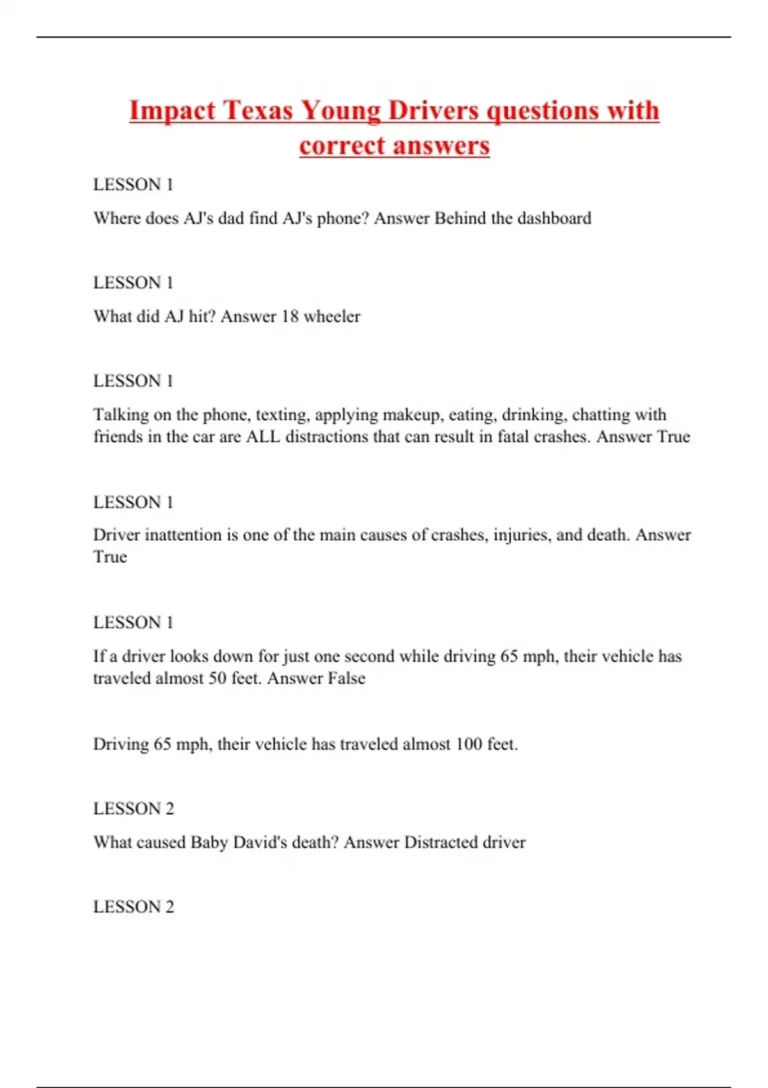
At 6 months, most babies can take a bottle while sitting in a caregiver’s arms in a semi-upright position. Offer breast milk or iron-fortified infant formula when your baby shows hunger cues. Hold the bottle at an angle, let your baby control the pace, and stop when they show they are full.
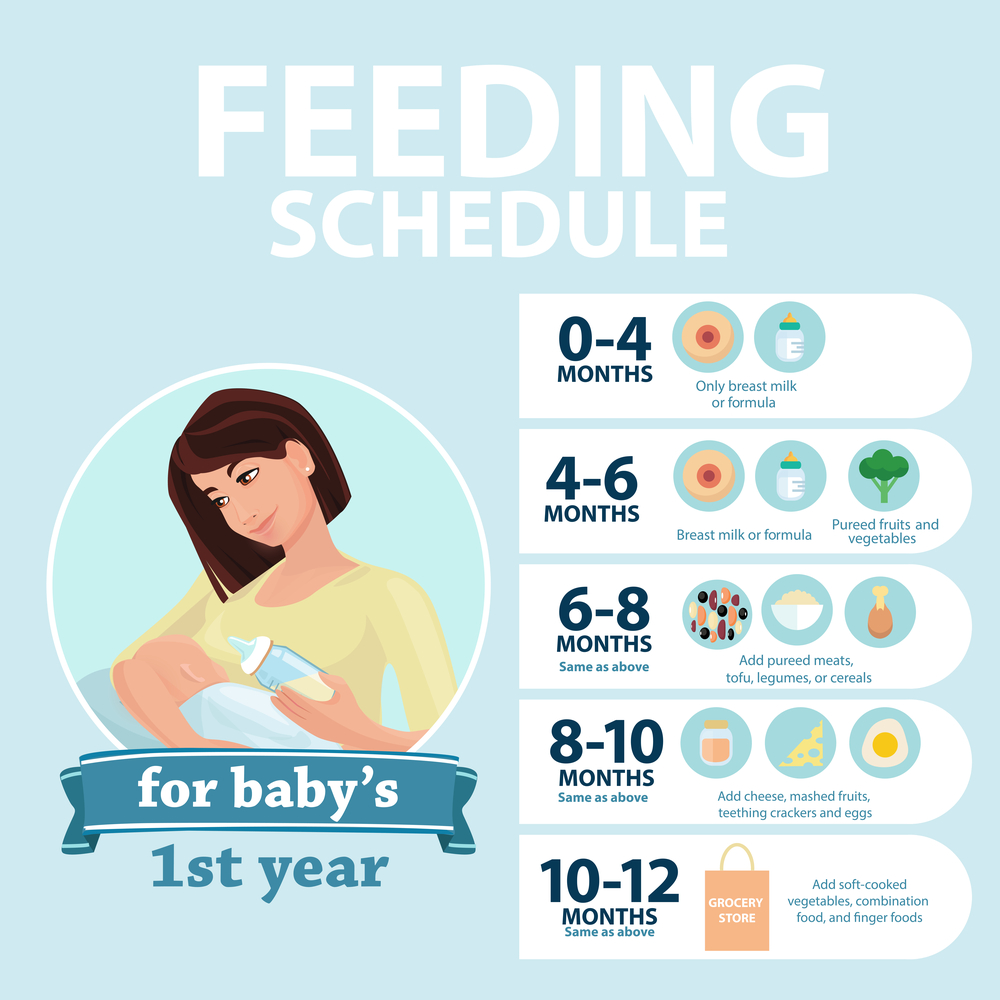
In the United States, breast milk or infant formula remains the main source of nutrition from 6 to 12 months. Many babies also start small amounts of solid food at about 6 months, when they show signs of readiness. Solids do not replace regular breast milk or formula feeds right away.
This guide explains how to bottle-feed a 6-month-old, how much milk to offer, how to prepare a bottle safely, and what to do if feeding does not go well.
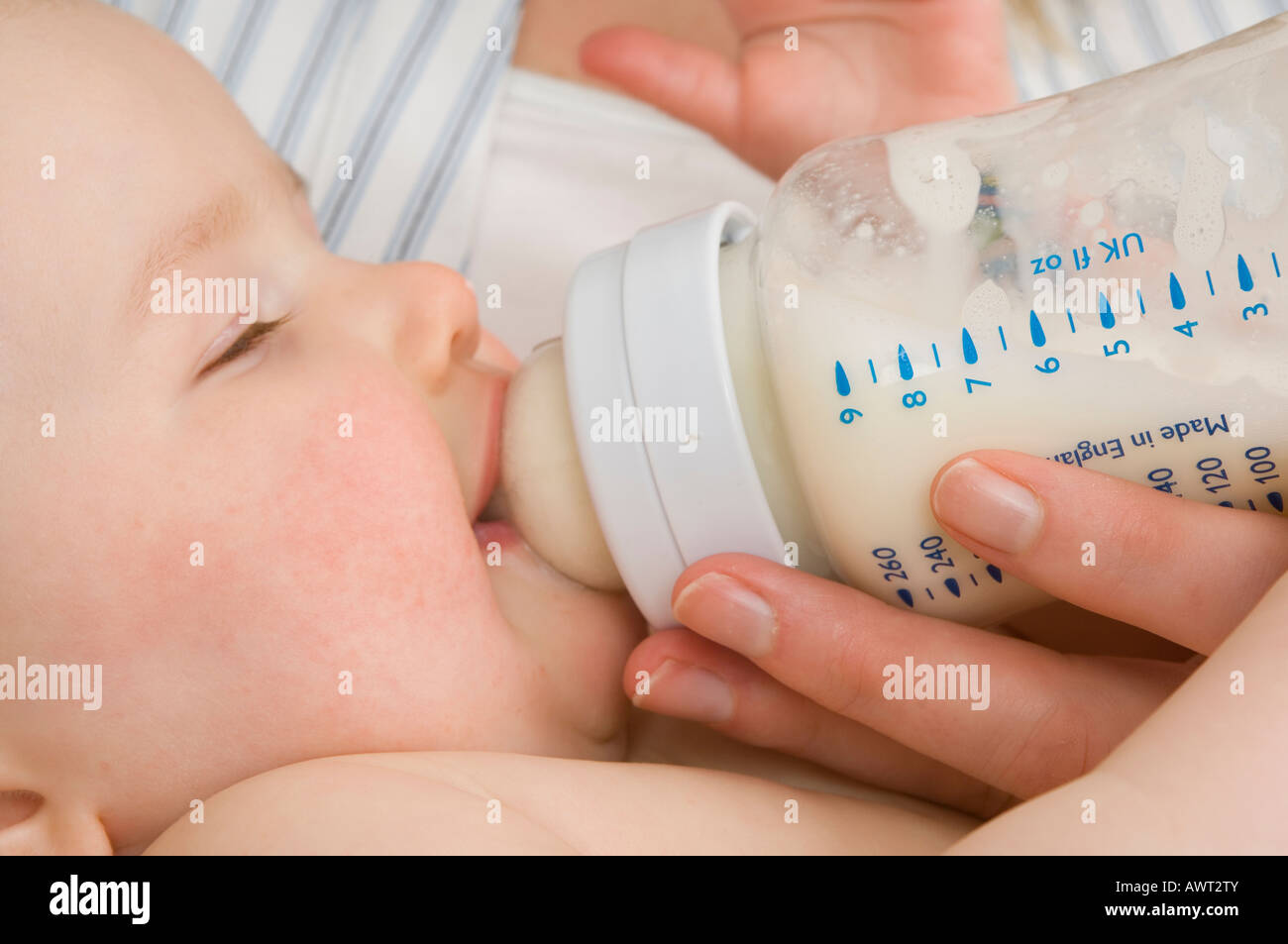
Before You Start: What You Need
Gather the bottle, nipple, milk, a clean cloth, and a calm place to feed. Use a nipple with a flow that suits your baby. A 6-month-old may be ready for a faster flow, but age labels are only a guide. Your baby’s feeding behavior matters more than the number on the package.
You may need:
- A clean bottle and nipple
- Breast milk or prepared infant formula
- A bib or burp cloth
- Clean water and a safe place to prepare formula
- A comfortable chair with back support
Wash your hands before preparing milk or handling feeding parts. Check the bottle and nipple for cracks, tears, cloudiness, or damage. Replace damaged parts.
If you use formula, follow the instructions on the container exactly. Add water first, then the correct amount of powder or liquid concentrate. Do not add extra water, cereal, or other food to the bottle unless your child’s health care professional gives you specific instructions.
How to Bottle-Feed a 6-Month-Old
Follow these steps for a calm, responsive bottle feed.
1. Watch for early hunger cues
Offer the bottle when your baby shows early signs of hunger. These may include:
- Turning toward your hand or the bottle
- Opening the mouth
- Sucking on hands
- Making rooting movements
- Becoming more alert or active
Crying is a late hunger cue. A very upset baby may have trouble latching onto the nipple or controlling the flow. If your baby is crying hard, pause and calm them first.
2. Hold your baby semi-upright
Hold your baby close to your body with the head higher than the chest. A slight upright position works well. Support the head, neck, and back.
Do not feed your baby while they lie flat on their back. Milk can flow too quickly, and the position may increase the risk of choking, ear problems, and discomfort.
3. Touch the nipple to the upper lip
Gently touch the bottle nipple to your baby’s upper lip. Wait for your baby to open their mouth and draw the nipple in.
Avoid pushing the nipple into the mouth. Letting your baby begin the feed helps them stay in control and may reduce gulping.
4. Keep the bottle mostly horizontal
Hold the bottle at a slight angle so the nipple contains milk, but do not tip it straight up. This method is often called paced bottle-feeding.
A mostly horizontal bottle slows the flow. It also gives your baby short pauses to breathe and decide whether to keep drinking. If the bottle is vertical, gravity may make the milk flow too fast.
5. Follow your baby’s pace
Let your baby pause during the feed. You may notice:
- Sucking, then resting
- Relaxing the hands
- Turning away for a moment
- Looking around
- Taking slower sucks
These pauses are normal. Do not shake the bottle, tap the nipple, or urge your baby to finish.
6. Burp when needed
Some babies need to burp during or after a bottle. You can pause halfway through the feed or when your baby becomes restless.
Hold your baby upright against your chest or sit them on your lap while supporting the head and neck. Gently rub or pat the back. A burp may come quickly, or it may not come at all.
Do not keep trying for a long time if your baby seems comfortable. Not every baby burps after every feed.
7. Stop when your baby shows fullness
End the feed when your baby:
- Turns the head away
- Closes the mouth
- Stops sucking
- Pushes the bottle away
- Relaxes the body or hands
- Falls asleep in a relaxed way
A baby does not need to finish every bottle. Pressuring a baby to drink more can make it harder for them to notice their own hunger and fullness signals.

How Much Milk Does a 6-Month-Old Need?
Many 6-month-olds take about 4 to 8 ounces of breast milk or formula per feed, but the right amount varies. Some babies drink smaller amounts more often. Others take larger feeds less often.
Use your baby’s hunger and fullness cues along with guidance from their pediatrician. The total amount over a day matters more than one bottle.
A simple example:
| Feeding pattern | Amount per feed | Approximate daily total |
|---|---|---|
| Smaller, frequent feeds | 4 ounces | 24–32 ounces |
| Medium feeds | 5–6 ounces | 24–36 ounces |
| Larger, less frequent feeds | 7–8 ounces | 24–32 ounces |
These are examples, not strict targets. Babies who breastfeed directly may take different amounts from babies who receive bottles. Your baby’s growth, wet diapers, activity, and medical needs also affect intake.
Do not force a baby to reach a daily number. Ask the child’s health care professional for advice if your baby regularly takes far less than usual, vomits often, has fewer wet diapers, or is not gaining weight as expected.
Should you offer solids before or after the bottle?
At about 6 months, offer breast milk or formula before or between small solid-food meals. Milk remains the main source of nutrition during the first year.
Some families offer a bottle first so the baby does not become too hungry or tired. Others offer a small amount of food after milk. Either approach can work if your baby continues to get enough breast milk or formula.
Begin solids only when your baby is ready. Common readiness signs include:
- Sitting upright with support
- Good head and neck control
- Opening the mouth for food
- Bringing objects to the mouth
- Swallowing food instead of pushing it out with the tongue
Never put solid food, cereal, or medicine in a bottle unless a qualified health professional specifically directs you to do so.

How to Prepare a Bottle Safely
Safe preparation depends on whether you use breast milk, powdered formula, liquid concentrate, or ready-to-feed formula.
Breast milk
If using expressed breast milk:
- Wash your hands.
- Use clean feeding equipment.
- Thaw frozen milk in the refrigerator or in cool-to-warm water.
- Gently swirl the milk to mix the fat back in.
- Test the temperature before feeding.
- Discard leftover milk from a feeding according to current CDC guidance.
Do not microwave breast milk. A microwave can create hot spots that burn your baby’s mouth. It can also heat the milk unevenly.
Powdered infant formula
For powdered formula:
- Wash your hands.
- Use a clean bottle.
- Measure the safe water first.
- Add the exact amount of formula listed on the label.
- Shake or mix until smooth.
- Feed the formula within the time listed by the manufacturer.
- Refrigerate prepared formula promptly if you are not using it right away, following label instructions.
Do not dilute formula. Too much water can reduce the nutrition and disturb a baby’s salt balance. Too little water can make the formula too concentrated and place stress on the kidneys.
Powdered formula is not sterile. The risk is lower for many healthy older infants than for very young or medically fragile babies, but safe preparation still matters. Ask your pediatrician which type of formula and preparation method is best if your baby was born premature, has immune problems, or has another medical condition.
Liquid concentrate
Liquid concentrate must be mixed with the amount of water listed on the label. Do not use it straight unless the product says it is ready to feed.
Ready-to-feed formula
Ready-to-feed formula does not need water added. Pour the needed amount into a clean bottle and follow the storage and discard directions on the container.
Check the temperature
Milk does not need to be warm. Many babies accept it at room temperature or chilled.
If you warm a bottle, place it in warm water or use a bottle warmer. Swirl it and test a few drops on the inside of your wrist. The milk should feel lukewarm, not hot.
Never microwave a bottle.
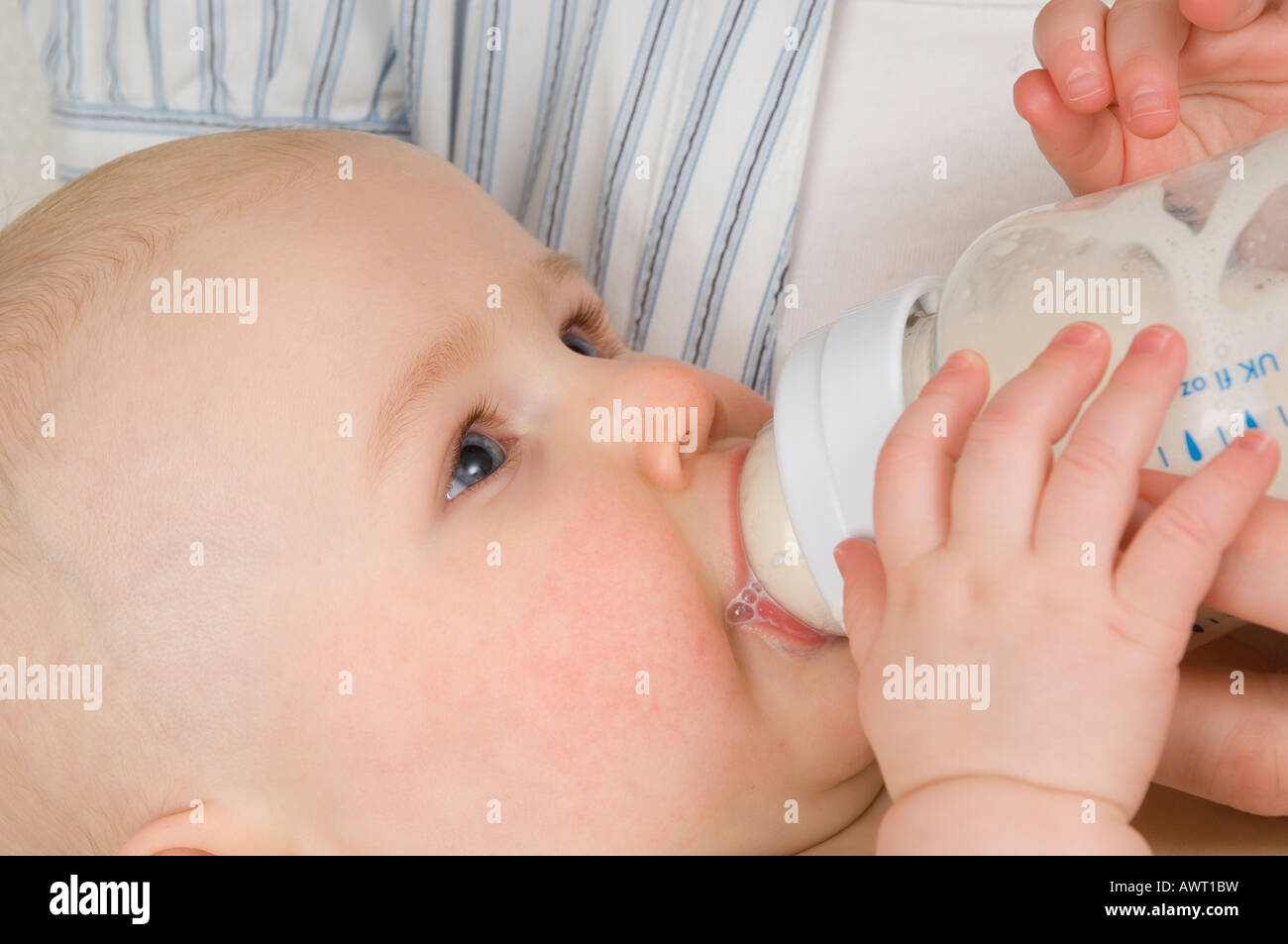
How to Know the Feed Is Going Well
A comfortable feed usually has a steady rhythm. Your baby should be able to suck, swallow, and breathe without working hard.
Signs of a good feed include:
- Calm or relaxed body movements
- Regular pauses
- No repeated coughing or choking
- Comfortable breathing
- A secure seal around the nipple
- Gradual slowing near the end
- A relaxed appearance after feeding
A small amount of milk leaking from the mouth can happen. Frequent leaking may mean the nipple flow is too fast, the latch is not secure, or your baby needs a different feeding position.
Keep your baby upright for a short time after feeding if they are prone to spit-up. Spitting up is common, but forceful vomiting, green vomit, blood, breathing trouble, or poor weight gain needs prompt medical advice.
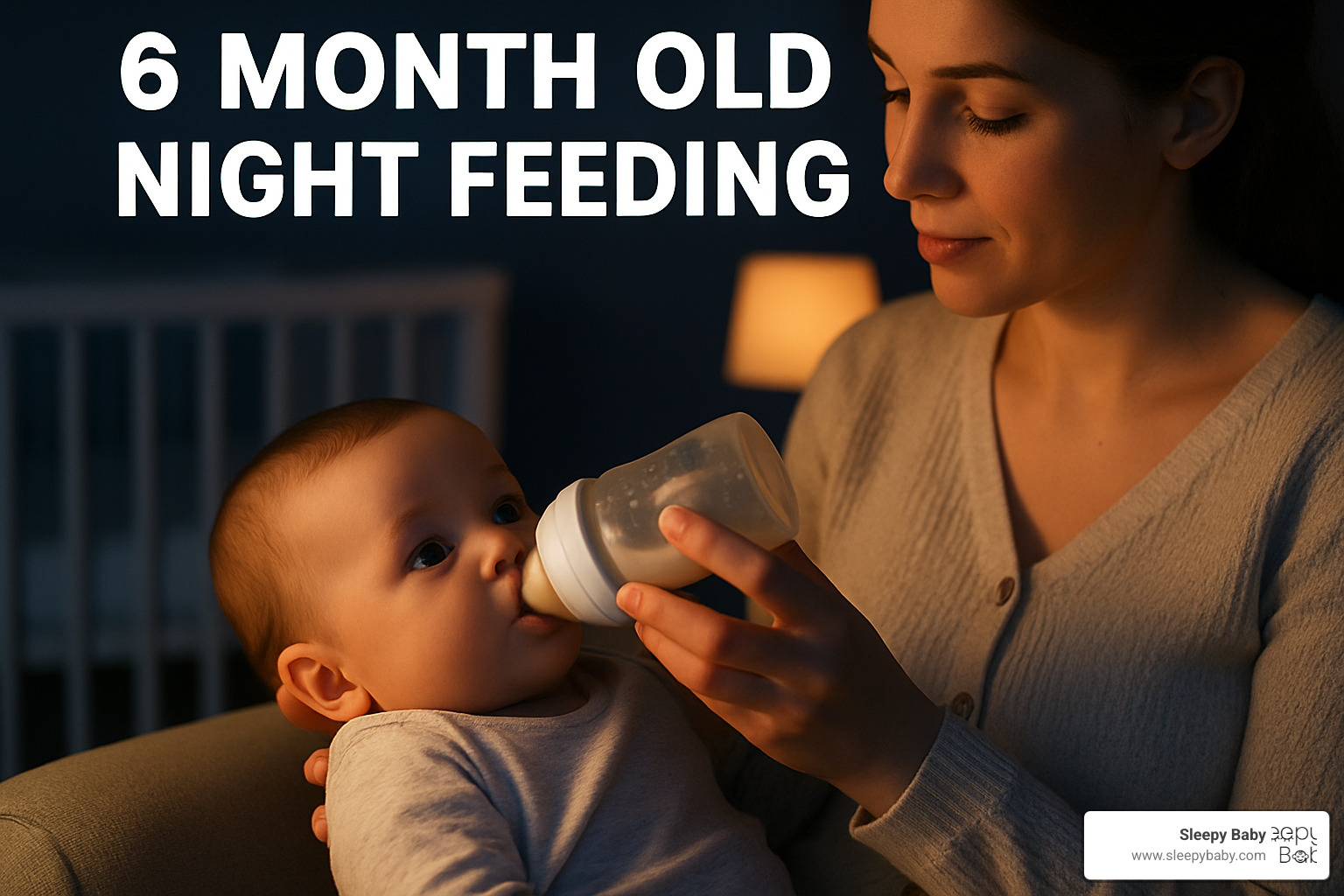
Troubleshooting Common Bottle-Feeding Problems
Your baby coughs, gags, or gulps
The nipple flow may be too fast. Try a slower-flow nipple, hold the bottle more horizontally, and give your baby more pauses.
If coughing or choking happens often, stop the feed and contact your pediatrician. Seek urgent help for breathing trouble, blue or gray skin, unusual limpness, or choking that does not quickly resolve.
Your baby refuses the bottle
A baby may refuse a bottle because they are too hungry, too tired, uncomfortable, or not used to the nipple. Try offering the bottle when your baby is calm rather than very hungry.
You can also try:
- A different caregiver
- A quieter room
- A different feeding position
- A different nipple shape or flow
- A short break before trying again
Do not force the bottle into your baby’s mouth. If refusal continues, especially with poor intake or fewer wet diapers, call the child’s health care professional.
Your baby drinks too quickly
A fast feed can lead to gulping, coughing, spit-up, or discomfort. Use paced feeding. Keep the bottle nearly level, pause often, and let your baby take breaks.
Do not enlarge the nipple hole. A faster flow is not always better.
Your baby takes a very long time to finish
The nipple may be clogged, damaged, or too slow. Check the nipple and bottle parts. Your baby may also be tired or having trouble coordinating sucking, swallowing, and breathing.
If most feeds take much longer than usual or your baby seems tired during feeds, speak with your pediatrician.
Your baby spits up
Small amounts of spit-up are common. Feed more slowly, offer pauses, avoid overfeeding, and keep your baby upright after the feed.
Do not place your baby on their stomach to reduce spit-up. For sleep, place your baby on their back on a firm, flat surface, as recommended by the American Academy of Pediatrics.
Your baby falls asleep during feeds
A relaxed baby may fall asleep near the end of a feed. However, falling asleep soon after starting, sweating during feeds, breathing quickly, or showing poor weight gain needs medical review.
Do not prop the bottle or leave your baby alone with it. Bottle propping can cause choking, ear infections, tooth decay, and overfeeding.

Bottle and Nipple Cleaning
Clean feeding parts after each use. Separate the bottle, nipple, collar, valve, and cap. Rinse away milk, wash with hot water and dish soap, and let the parts air-dry on a clean surface.
Use a dishwasher if the parts are labeled dishwasher-safe. Keep small parts together so they do not get lost.
A 6-month-old may still need careful cleaning because milk residue can support bacterial growth. Follow CDC or local health department guidance for sanitizing. Ask your pediatrician whether daily sanitizing is needed for your baby’s health situation.
Inspect nipples often. Replace them if they become cracked, sticky, thin, torn, or stretched. Do not use a nipple with a widened hole.
Bottle-Feeding Safety Rules
Keep these rules in mind:
- Never prop a bottle.
- Never leave your baby alone with a bottle.
- Never feed your baby flat on their back.
- Never microwave breast milk or formula.
- Never add cereal or food to a bottle without medical direction.
- Never force your baby to finish.
- Never save milk left in a bottle after a feed.
- Never use a bottle that has damaged parts.
- Keep your baby upright and close during the feed.
- Follow the formula label for mixing and storage.
Honey should not be given to babies younger than 12 months because of the risk of infant botulism. Cow’s milk should not replace breast milk or infant formula before 12 months. Small amounts of water may be introduced around 6 months with meals when your pediatrician agrees, but water should not replace regular milk feeds.

When to Call the Pediatrician
Contact your child’s health care professional if your 6-month-old:
- Refuses several feeds
- Has much fewer wet diapers than usual
- Repeatedly coughs or chokes while feeding
- Vomits forcefully or repeatedly
- Has blood or green fluid in vomit
- Seems unusually sleepy, weak, or difficult to wake
- Sweats or breathes hard during feeds
- Has ongoing diarrhea
- Is not gaining weight as expected
- Has signs of dehydration, such as a dry mouth or no tears
Call 911 for severe breathing trouble, blue or gray skin, unresponsiveness, or a serious choking emergency.

Key takeaways
- Hold your 6-month-old semi-upright and close to your body.
- Keep the bottle mostly horizontal to support paced feeding.
- Let your baby pause and stop when they show fullness.
- Offer breast milk or infant formula as the main nutrition source.
- Prepare formula exactly as directed.
- Never prop a bottle or microwave milk.
- Ask the pediatrician about repeated choking, poor intake, dehydration, or poor growth.
Frequently Asked Questions
How long should it take to bottle-feed a 6-month-old?
Many babies finish a bottle in about 10 to 20 minutes, but there is no single correct time. The pace can change with the nipple flow, amount offered, hunger level, and feeding skill.
A feed that suddenly becomes much longer, harder, or more tiring than usual deserves attention.
Can a 6-month-old drink cold formula?
Yes. Formula does not have to be warm if your baby accepts it cold or at room temperature. If you warm it, test the temperature and never use a microwave.
How often should a 6-month-old take a bottle?
Many babies take several bottles across the day, often every few hours. The schedule varies based on breast milk intake, formula intake, solid foods, sleep, and individual growth.
Use hunger and fullness cues rather than a strict clock alone.
Should I wake my 6-month-old to feed?
Many healthy 6-month-olds no longer need routine nighttime feeds, but this varies. Babies with poor weight gain, medical conditions, or specific feeding plans may need scheduled feeds.
Follow your pediatrician’s advice instead of changing nighttime feeds based only on age.
What bottle nipple flow should a 6-month-old use?
Use the slowest flow that allows comfortable feeding. Move to a faster flow only if your baby shows signs of frustration, such as pulling away or sucking hard without getting enough milk.
Coughing, gulping, leaking, or choking can mean the flow is too fast. Nipple stages differ by brand, so watch your baby rather than relying only on the age printed on the package.
Can I give a 6-month-old water in a bottle?
Small amounts of water may be appropriate around 6 months, often offered in a cup with meals. Breast milk or infant formula should still provide most of the baby’s fluids and nutrition.
Ask your pediatrician how much water is suitable for your baby. Do not use water to replace milk feeds.
Conclusion
The safest way to bottle-feed a 6-month-old is to keep the baby semi-upright, hold the bottle at a gentle angle, and let the baby control the pace. Offer breast milk or formula in response to hunger cues, pause when needed, and stop when your baby is full.
If feeding becomes painful, unusually difficult, or linked with coughing, breathing changes, poor intake, or poor growth, contact your child’s pediatrician. For current storage, preparation, and cleaning guidance, use trusted U.S. sources such as the CDC, FDA, USDA, and the American Academy of Pediatrics.