
Introduction
Yes. Babies can have sleep apnea, a condition in which breathing stops or becomes too shallow during sleep. It is more common in premature babies, but full-term babies can also have it.
A short pause in breathing is not always apnea. Many healthy babies have brief pauses called periodic breathing. These pauses usually last only a few seconds, and the baby starts breathing again without a change in color or behavior.
A pause that lasts about 20 seconds, or a shorter pause linked with a slow heart rate, low oxygen, blue or gray skin, choking, or poor recovery needs medical attention. If a baby is not breathing normally, looks blue or gray, is limp, or cannot be woken, call 911 in the United States and start infant CPR if you know how.
This guide explains the difference between normal pauses and sleep apnea, common causes, warning signs, diagnosis, treatment, and safe next steps.


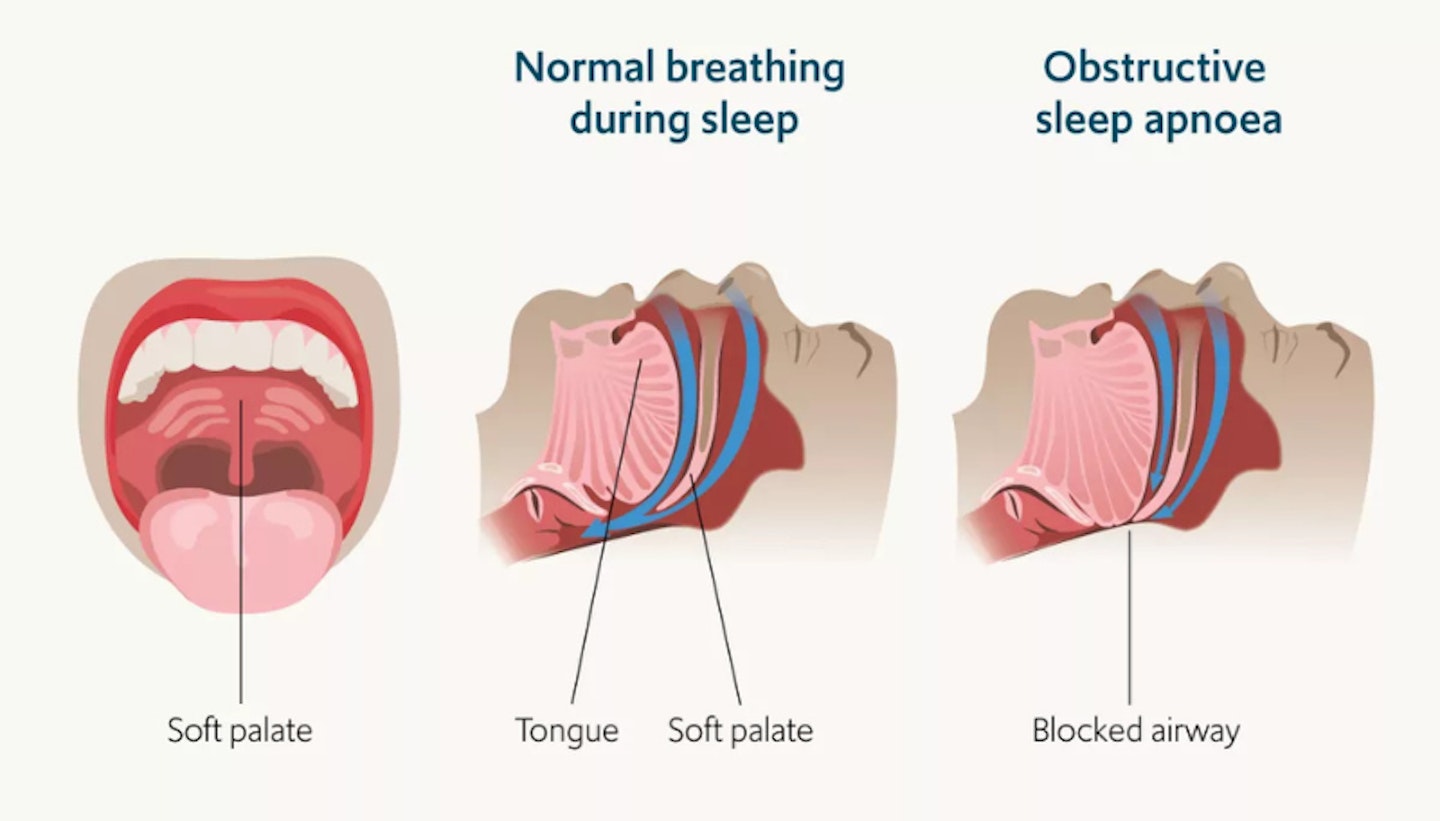
What is sleep apnea in a baby?
Sleep apnea means that a baby stops breathing or does not take in enough air while asleep. The pause may happen because the brain does not send a signal to breathe, the airway becomes blocked, or both problems occur together.
Doctors often describe infant sleep apnea in three ways:
- Central sleep apnea: The brain briefly fails to send the normal signal to the breathing muscles.
- Obstructive sleep apnea: The baby tries to breathe, but the airway is partly or fully blocked.
- Mixed sleep apnea: Central and obstructive pauses occur together.
Sleep apnea is different from sudden infant death syndrome (SIDS). SIDS is the sudden, unexplained death of a baby younger than 1 year, even after a full investigation. Sleep apnea can affect breathing during sleep, but it is not considered a proven cause of SIDS.
The American Academy of Pediatrics recommends safe sleep steps for every baby, whether or not the baby has apnea. These include placing the baby on the back for every sleep, using a firm, flat sleep surface, and keeping loose bedding, pillows, and soft objects out of the sleep space.

Is periodic breathing normal in newborns?
Brief pauses can be normal in young babies. With periodic breathing, a baby may pause for about 5 to 10 seconds, take a few faster breaths, and then return to a normal pattern.
During a normal pause, the baby usually:
- Keeps a normal skin color
- Does not become limp
- Does not gasp or struggle
- Starts breathing again without help
- Feeds and acts normally when awake
Periodic breathing is more common in premature babies because their breathing control system is still developing. It often becomes less frequent as the baby matures.
Normal periodic breathing should not include a long pause, repeated choking, blue or gray lips, marked chest pulling, or a baby who is hard to wake. Those signs can point to a more serious problem.
Do not time a pause by watching only the chest. A baby may make small movements that are hard to see. If you are worried, record what you see, including the time, color change, sounds, and how the baby responds afterward.
A video can help a pediatrician, but it should not delay emergency care.


What are the signs of sleep apnea in babies?
The most concerning sign is a breathing pause followed by a change in the baby’s color, muscle tone, heart rate, or alertness. Some babies also show signs of airway blockage or poor sleep.
Possible signs include:
- Breathing pauses that last longer than expected
- Repeated gasping, choking, or snorting
- Loud or persistent snoring
- Noisy breathing during sleep
- Mouth breathing
- Pulling in at the ribs or below the neck
- Nostrils widening with each breath
- Blue, gray, or very pale skin
- Sweating during sleep
- Unusual sleep positions used to breathe more easily
- Feeding problems or tiring during feeds
- Poor weight gain
- Extreme sleepiness or unusual irritability during the day
A baby with obstructive sleep apnea may seem to work hard to breathe. The chest may move inward while the belly moves outward. Some babies briefly wake, swallow, gasp, or change position without fully waking.
Symptoms can look different in premature babies. A premature infant may have pauses with a slow heart rate or a drop in oxygen, even without loud snoring.

When is infant apnea an emergency?
Call 911 if your baby is not breathing normally, turns blue or gray, becomes limp, has a seizure, or does not respond to you.
While waiting for help:
- Place the baby on a firm, flat surface.
- Check for normal breathing.
- If the baby is not breathing normally, begin infant CPR if you are trained.
- Follow the dispatcher’s instructions.
- Do not shake the baby or put anything in the baby’s mouth.
Seek urgent medical care if the baby has a breathing pause with any of these signs:
- Blue or gray lips or face
- Severe trouble breathing
- A weak cry or no response
- Poor muscle tone
- Repeated pauses
- Choking that does not quickly stop
- A fever in a baby younger than 3 months
- A sudden change from the baby’s usual behavior
A baby who resumes breathing but has repeated episodes still needs prompt medical advice. Do not assume that every event is “just reflux” or normal periodic breathing.
A single brief pause without color change may not be an emergency, but call the baby’s pediatrician if you are unsure. In the United States, you can also call Poison Control at 1-800-222-1222 if you think a medicine, chemical, or other substance may be involved.

What causes sleep apnea in babies?
The cause depends on the baby’s age, birth history, symptoms, and medical condition.
Prematurity
Apnea of prematurity is common because the brain and breathing muscles are still developing. It usually affects babies born before 37 weeks of pregnancy and is more likely in babies born very early.
Doctors may monitor premature babies in the neonatal intensive care unit. Treatment can include stimulation, breathing support, or medicine such as caffeine citrate when clinically appropriate.
Airway blockage
Obstructive apnea can occur when the airway narrows or becomes blocked. Possible causes include:


- Enlarged tonsils or adenoids
- A small or recessed lower jaw
- A large tongue
- Craniofacial conditions
- Low muscle tone
- Laryngomalacia or other airway differences
- Nasal congestion, especially in very young babies
A cold may make noisy breathing worse, but ordinary congestion does not explain every breathing pause.
Illness or infection
Respiratory infections can make breathing harder. Serious infections, including whooping cough, pneumonia, or sepsis, may cause pauses or poor breathing. A baby with breathing trouble and fever needs prompt medical evaluation.
Neurologic or metabolic problems
Less common causes include seizures, brain or spinal cord conditions, low blood sugar, and problems with the body’s salts or acid balance. These causes require medical testing.
Medicines or exposure
Opioids, sedatives, and some other substances can slow breathing. Accidental exposure is an emergency. Store all medicines, cannabis products, nicotine products, and chemicals away from children.
Reflux
Reflux is common in babies, but it is often blamed for apnea without proof. Current guidance does not support treating ordinary reflux as the cause of unexplained breathing pauses unless a clinician finds evidence of a link. Do not use sleep positioners, inclined sleepers, or devices marketed to prevent reflux or apnea.

How do doctors diagnose sleep apnea in babies?
Doctors start with the baby’s history and a physical exam. They may ask:
- How long the pause lasted
- Whether the baby changed color
- Whether the baby was asleep, feeding, or awake
- Whether the baby coughed, choked, or made a sound
- Whether the baby was premature
- Whether the baby has a fever or illness
- What medicines or substances are in the home
- Whether the baby feeds and gains weight well
The main test for suspected sleep apnea is an overnight polysomnogram, also called a sleep study. It may measure:
- Breathing effort
- Airflow
- Blood oxygen
- Heart rate
- Brain activity
- Muscle activity
- Body position
- Snoring and other sounds
The sleep study can help show whether pauses are central, obstructive, or mixed. It can also show whether oxygen levels or heart rate change during an event.
Doctors may order other tests based on the symptoms. These can include an airway exam, chest imaging, blood tests, heart tests, or neurologic testing.
A consumer sock, camera, wearable, or home heart-rate monitor cannot diagnose or rule out sleep apnea. The U.S. Food and Drug Administration warns that many consumer infant monitors are not proven to prevent SIDS or other serious outcomes. Use a medical monitor only when a clinician prescribes it and teaches you how to respond to alarms.

How is sleep apnea treated in babies?
Treatment depends on the cause and how severe the breathing problem is.


For a premature baby, treatment may include:
- Close monitoring
- Gentle stimulation for an event
- Caffeine prescribed by the neonatal team
- Supplemental oxygen
- Nasal continuous positive airway pressure, or CPAP
- A breathing tube and ventilator in severe cases
For obstructive sleep apnea, treatment may focus on the airway. A specialist may recommend an ear, nose, and throat evaluation, a sleep study, CPAP, or surgery in selected cases.
For apnea caused by illness, the medical team treats the illness. This may involve antibiotics for a bacterial infection, airway support, seizure treatment, or correction of blood chemistry problems.
Parents should not try to treat apnea by:
- Placing the baby on the stomach
- Using a pillow or wedge
- Raising one side of the crib
- Using a weighted sleep sack
- Taping the mouth closed
- Giving caffeine or other medicine without medical advice
- Relying on an at-home monitor instead of care
The safest sleep position remains on the back, even for babies with reflux or suspected apnea, unless a medical professional gives a specific, documented instruction for a different setting.

Can babies with sleep apnea sleep safely at home?
Many babies with treated or mild sleep apnea can sleep at home, but the plan must come from the baby’s health care team.
Use these safe sleep steps:
- Put the baby on the back for every nap and night.
- Use a firm, flat crib, bassinet, or play yard mattress.
- Keep the sleep space free of pillows, blankets, bumper pads, and stuffed toys.
- Share a room, not a bed, when possible.
- Avoid smoke and vaping exposure.
- Dress the baby in light layers to reduce overheating.
- Stop swaddling when the baby shows signs of rolling.
- Never use an inclined sleeper, car seat, swing, or bouncer for routine sleep.
If the baby falls asleep in a car seat, move the baby to a firm, flat sleep surface as soon as practical. Do not add aftermarket inserts or positioning products unless the manufacturer and the baby’s clinician specifically approve them.
Ask the pediatrician for a written plan if the baby has a prescribed monitor. The plan should explain what each alarm means, when to call the medical team, when to call 911, and how to check the equipment.

Questions to ask your baby’s pediatrician
Bring these questions to the visit:
- Could this be periodic breathing, apnea, reflux, an infection, or another problem?
- Does my baby need an urgent exam or a sleep study?
- Should we see a sleep specialist, pulmonologist, neurologist, or airway specialist?
- What signs mean I should call 911?
- Does my baby need a monitor at home?
- If a monitor is prescribed, how do we respond to each alarm?
- Is my baby gaining weight and feeding safely?
- Are any medicines or sleep products unsafe for my baby?
- When can we expect the problem to improve?
Write down the baby’s age, birth week, symptoms, feeding pattern, and any recent illness. Note whether the baby was asleep, how long the pause seemed to last, and what happened afterward.
FAQs about babies and sleep apnea
Can a baby outgrow sleep apnea?
Some babies, especially those with apnea related to prematurity, improve as their breathing control matures. The timing varies. A baby with ongoing events, oxygen drops, or an airway problem may need longer-term follow-up.


Do babies with sleep apnea always snore?
No. Snoring is more suggestive of obstructive sleep apnea, but central apnea may happen without snoring. A baby can have a serious breathing pause with little or no sound.
Can reflux cause a baby to stop breathing?
Reflux and apnea can occur in the same baby, but that does not prove reflux caused the apnea. Do not place a baby on the stomach or use an inclined sleep product to treat reflux. Ask the pediatrician before giving any reflux medicine.
Is it safe to use a baby monitor for suspected apnea?
A standard audio or video monitor may help you hear or see the baby, but it cannot diagnose apnea. Consumer oxygen and heart-rate monitors can give false alarms or miss events. A medical monitor should be used only under professional guidance.
Does a pacifier prevent sleep apnea?
A pacifier may be part of safe-sleep advice because pacifier use at sleep time is linked with a lower risk of SIDS. It does not treat apnea and should not delay medical care. Do not force a pacifier or attach it to a cord, clip, or stuffed toy during sleep.
Can a baby with apnea sleep on the side?
The recommended position for routine sleep is on the back. Side sleeping is unstable because a baby may roll onto the stomach. Follow a specialist’s instructions only when they are specific to your baby’s medical care.
Bottom line
Babies can have sleep apnea, but not every breathing pause is apnea. Brief pauses with normal color and easy recovery may be periodic breathing. Long pauses, repeated events, breathing effort, color change, poor feeding, or unusual sleepiness need medical attention.
If your baby is blue or gray, limp, unresponsive, or not breathing normally, call 911. Otherwise, contact the baby’s pediatrician promptly and describe exactly what you saw. Keep the baby on the back on a firm, flat surface, and do not rely on home monitors or sleep products to prevent a dangerous event.