
Introduction
Yes, some babies eat less when teething. Sore, swollen gums can make sucking or chewing feel uncomfortable. Many babies take shorter feeds, refuse some solid foods, or eat less for a few days.
A small dip in food intake is often normal if your baby still drinks breast milk or infant formula and has regular wet diapers. Teething should not cause a major loss of appetite, repeated vomiting, diarrhea, or a high fever. Those signs may point to illness rather than teething.
This guide explains what to expect, how to keep your baby fed and comfortable, and when to call your child’s pediatrician in the United States.

Why teething can affect eating
Teething can make eating uncomfortable because a new tooth pushes through the gum. The gum may feel tender, tight, or itchy. Sucking, chewing, and pressure from a spoon can make that discomfort more noticeable.


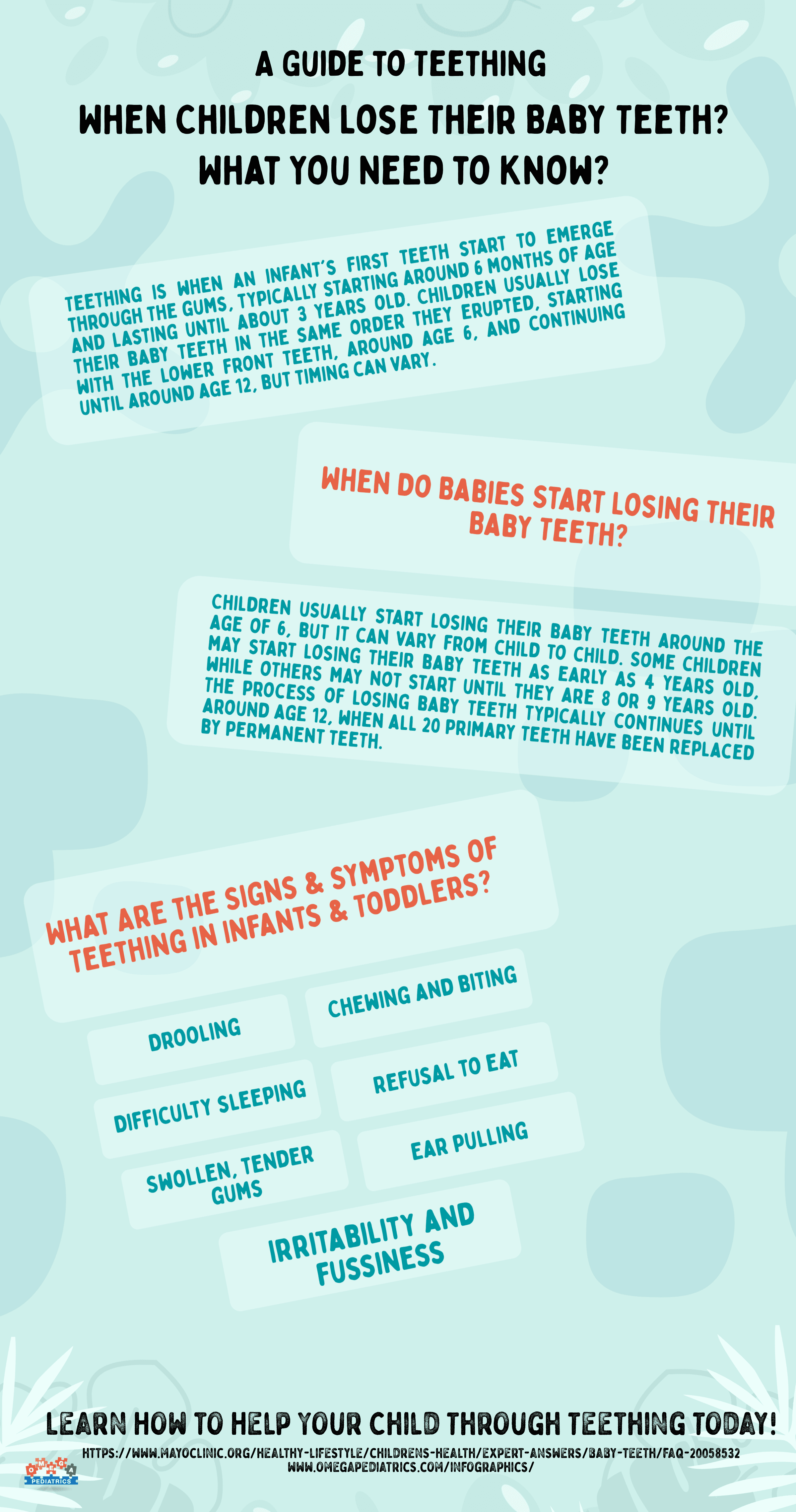
Common teething signs include:
- Swollen or tender gums
- More drooling than usual
- A strong need to chew
- Fussiness
- Trouble settling or sleeping
- Rubbing the face, ears, or gums
- A mild rise in body temperature that is not a true fever
The American Academy of Pediatrics says teething may cause gum soreness and fussiness. However, teething does not usually cause a high fever or make a baby seriously ill.
A baby may eat less solids but continue to drink well. This difference matters. Breast milk and infant formula provide most of the nutrition for babies younger than 12 months. Solid foods add practice, taste, texture, and nutrients, but they do not replace breast milk or formula right away.
Teething also happens at an age when babies are learning to eat. Around 6 months, many babies start solids, lose interest in some foods, or become distracted during feeds. Teething may be one reason for a change, but it may not be the only reason.

How much less eating is usually okay?
A short-term decrease is usually less concerning when your baby remains alert, drinks breast milk or formula, and urinates as usual.
There is no single number of ounces or spoonfuls that every teething baby should eat. Intake changes with age, body size, feeding method, activity, and illness. Watch your baby’s overall pattern instead of judging one meal.
| What changes | What it may mean |
|---|---|
| Refuses a few bites of solids | Common with sore gums |
| Takes shorter breast or bottle feeds | Can happen when sucking feels painful |
| Wants to feed more often | May be trying to take smaller amounts |
| Drinks much less for many hours | Needs close monitoring |
| Has fewer wet diapers | Possible dehydration |
| Refuses both liquids and solids | Call the pediatrician for advice |
| Has vomiting, diarrhea, or a high fever | May be sick, not simply teething |
For babies who breastfeed, diaper counts and behavior can help you judge hydration because you may not know the exact milk volume. For bottle-fed babies, the amount taken over the whole day matters more than one missed bottle.
Your baby should generally remain reasonably alert and have moist lips and mouth. A dry mouth, unusual sleepiness, no tears when crying, or a clear drop in wet diapers can signal dehydration.
Do not force a baby to finish a bottle or meal. Pressure can increase distress and may make feeding harder. Offer food and fluids calmly, then try again later.

Teething and breast milk or formula
Most babies should continue breast milk or iron-fortified infant formula during teething. These feeds remain the main source of nutrition during the first year.
A sore mouth may make a baby pause more often during breastfeeding or bottle-feeding. Some babies feed better when they are calm, sleepy, or held upright. Others prefer cool milk or shorter, more frequent feeds.


Try these steps:
- Offer the breast or bottle before your baby becomes very hungry.
- Feed in a quiet room with fewer distractions.
- Give a clean, cool teething ring before the feed.
- Use a slower pace if your baby pulls away or cries.
- Burp your baby and offer the feed again after a short break.
- Track wet diapers and your baby’s energy level.
Never dilute infant formula. Adding extra water can reduce needed nutrients and may cause dangerous changes in blood sodium. Prepare formula exactly as the label and your pediatrician instruct.
Do not replace breast milk or formula with water, juice, or cow’s milk for a baby younger than 12 months unless your child’s clinician gives specific advice. Plain water may be offered in small amounts with meals after about 6 months, but it should not displace milk feeds.
If your baby repeatedly refuses breast milk or formula, contact the pediatrician. A baby can become dehydrated faster when intake falls.

Teething and solid foods
Teething may cause a baby to avoid hard, rough, or warm foods. Soft foods often feel better on tender gums.
You can offer foods your baby already handles safely, such as:
- Smooth mashed vegetables
- Plain yogurt made from pasteurized milk
- Mashed avocado
- Soft oatmeal
- Pureed meat or beans
- Soft scrambled egg
- Smooth nut butter thinned into a safe texture
- Soft, ripe fruit prepared for the baby’s age
Continue offering iron-rich foods. Babies need iron for healthy growth and brain development. Good choices include pureed or finely minced meat, beans, lentils, iron-fortified infant cereal, and well-cooked egg.
Food temperature can affect comfort. Some babies prefer cool foods. Others do better with food at room temperature. Avoid very hot foods and check the temperature before serving.
Keep following safe feeding practices:
- Sit your baby upright during meals.
- Stay within arm’s reach while your baby eats.
- Offer food in a texture your baby can manage.
- Avoid foods that are choking hazards.
- Do not give honey before 12 months.
- Do not give unpasteurized foods or drinks.
- Avoid whole grapes, nuts, popcorn, chunks of raw vegetables, and spoonfuls of thick nut butter.
A teething baby may eat less for a few days, then return to normal. Continue offering food without pressure. It can take many tries for babies to accept a food, even when they are not teething.

Safe ways to ease teething discomfort
A clean, cool teething ring can help. The ring should be cool, not frozen solid. A frozen object may injure the gums or become too hard for a baby to use safely.
You can also gently rub the gums with a clean finger. Wash your hands first. A soft, wet washcloth may help if your baby can hold it safely while supervised.
Ask your child’s pediatrician before giving a pain medicine. The right choice depends on your baby’s age, weight, health, and other medicines.


Avoid these products and methods:
- Amber teething necklaces, bracelets, or anklets
- Teething jewelry worn around the neck or attached to clothing
- Numbing gels containing benzocaine
- Products containing lidocaine unless specifically directed by a clinician
- Homeopathic teething tablets or gels
- Alcohol placed on the gums
- Frozen hard foods
- Unsupervised hard objects for chewing
The U.S. Food and Drug Administration warns against benzocaine oral products for children younger than 2 years. Benzocaine can cause a rare but serious blood condition that reduces oxygen delivery. Teething necklaces also pose choking and strangulation risks.
Do not use a medicine dose based on another child’s age. Use the dosing tool that comes with the medicine, and confirm the dose with a pediatrician or pharmacist when unsure.

When reduced eating may signal illness
Teething does not explain every feeding change. Babies often get their first teeth during the same months when they encounter colds, stomach viruses, ear infections, and other illnesses.
Call your pediatrician if your baby:
- Drinks much less than usual
- Refuses several feeds in a row
- Has fewer wet diapers
- Vomits repeatedly
- Has frequent watery diarrhea
- Has trouble breathing
- Seems unusually weak, limp, or hard to wake
- Has a dry mouth or no tears when crying
- Has a fever of 100.4°F (38°C) or higher
For a baby younger than 3 months, a rectal temperature of 100.4°F (38°C) or higher needs prompt medical attention. Call the baby’s doctor right away for instructions.
Seek emergency help for severe breathing trouble, blue or gray skin, a seizure, extreme difficulty waking, or signs of severe dehydration.
Fever, diarrhea, and vomiting should not be dismissed as normal teething symptoms. A child may be teething and sick at the same time. The presence of a new tooth does not rule out an infection.

A simple plan for feeding during teething
Use this plan when your baby has mild gum discomfort but otherwise seems well:
- Check fluids first. Offer breast milk or formula as usual.
- Look at wet diapers. A clear drop can be an early warning sign.
- Offer soft foods. Choose foods your baby already eats safely.
- Try cool textures. Use chilled, soft food or a cool teething ring.
- Keep meals calm. Stop if your baby turns away, cries, or pushes food away.
- Try again later. Hunger and gum pain can change during the day.
- Watch the whole child. Energy, hydration, breathing, and fever matter more than one missed meal.
Signs that the plan is working include normal alertness, regular urination, continued milk intake, and a gradual return to eating over several days.
If your baby continues to eat or drink much less, do not keep trying home care without advice. Call the pediatrician and describe the change, the number of wet diapers, any temperature reading, and the presence of vomiting or diarrhea.
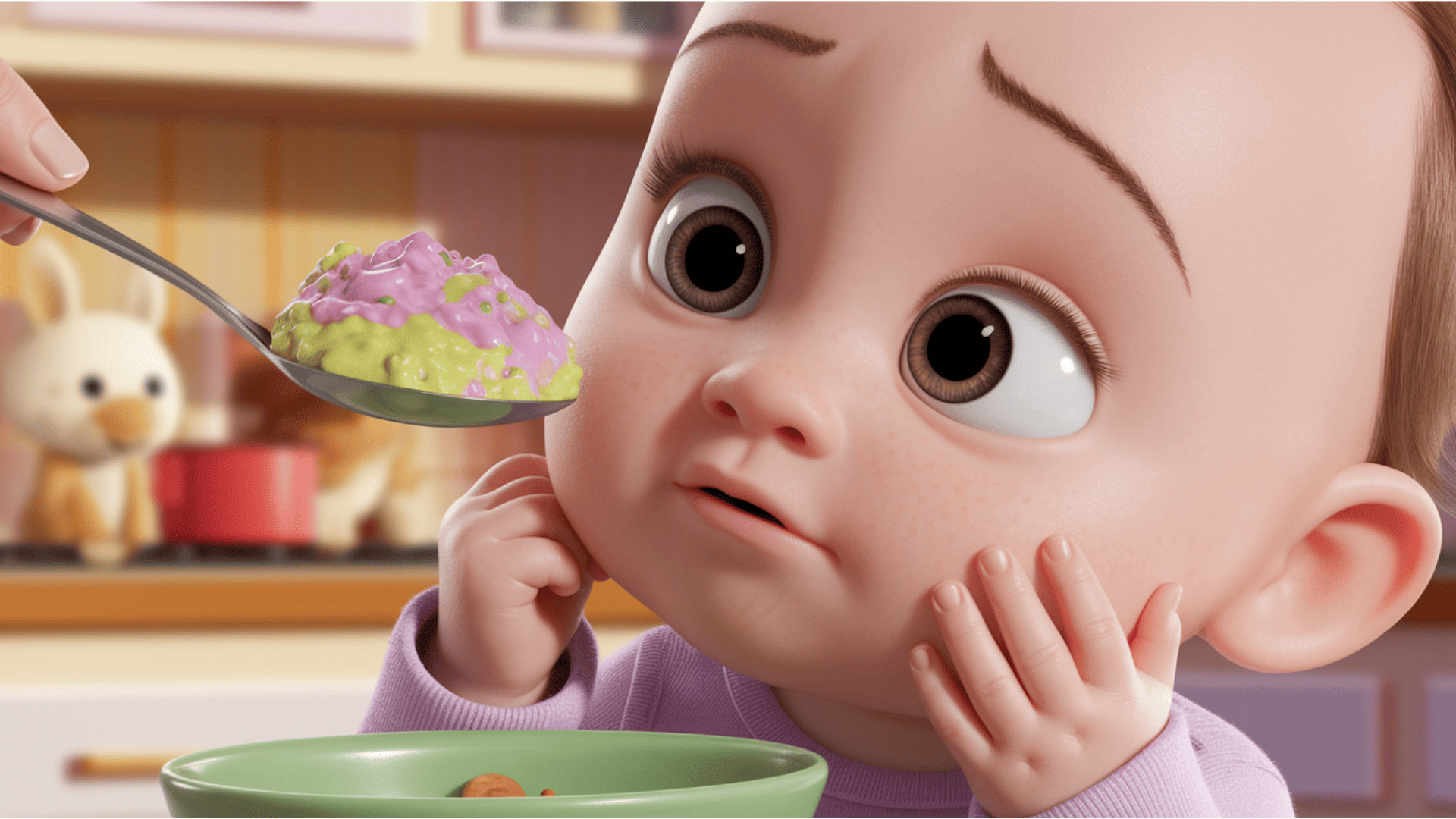
How long does reduced eating last?
Many babies eat less for a few days around a tooth. The timing varies. Some babies have no change in appetite at all.


A long-lasting or worsening feeding problem deserves medical advice. Teething pain should not cause a baby to stop drinking for an extended period. It also should not cause ongoing poor weight gain.
Keep a brief record if the pattern is hard to judge:
- Time and amount of breast milk or formula
- Solid foods offered and accepted
- Wet diapers
- Vomiting or diarrhea
- Temperature and how it was measured
- Behavior and sleep
This record can help the pediatrician separate mild teething discomfort from dehydration, illness, feeding difficulty, or another problem.
Frequently asked questions
Do babies eat less before a tooth comes in?
They can. Gum tenderness may begin before the tooth appears. A baby may chew more, drool more, or take shorter feeds. Not every appetite change means a tooth is about to erupt.
Should I stop solid foods while my baby is teething?
No. Keep offering safe, soft foods if your baby is interested. Do not force bites. Breast milk or infant formula should remain the main source of nutrition before 12 months.
Can teething cause a fever?
Teething may cause mild warmth, but it should not cause a true fever. In the United States, a rectal temperature of 100.4°F (38°C) or higher is a fever. A fever may signal an infection and should not automatically be blamed on teething.
Can teething cause diarrhea?
Teething is not a reliable explanation for diarrhea. Babies may swallow more saliva while teething, but frequent watery stools can come from an infection or another cause. Call the pediatrician if diarrhea is severe, lasts, or occurs with poor drinking or fewer wet diapers.
Should I give my baby acetaminophen or ibuprofen for teething?
Ask your pediatrician or pharmacist first. Acetaminophen may be appropriate for some babies when the dose is based on current weight. Ibuprofen is generally not used in babies younger than 6 months unless a clinician directs it. Never give aspirin to a child.
Conclusion
Babies can eat less when teething, especially when chewing or sucking hurts. A short drop in solid food intake is often normal if your baby still drinks breast milk or formula, has regular wet diapers, and acts fairly well.
Focus on fluids, soft foods, cool teethers, and calm meals. Do not use benzocaine gels, teething necklaces, alcohol, or unsafe frozen objects. Contact your pediatrician if your baby refuses fluids, has fewer wet diapers, seems unusually sleepy, or has fever, vomiting, diarrhea, or breathing problems.
For personalized advice, call your child’s pediatrician. In the United States, you can also call 988 for a mental health crisis or 911 for an emergency; these services are not substitutes for medical advice about feeding or dehydration.
