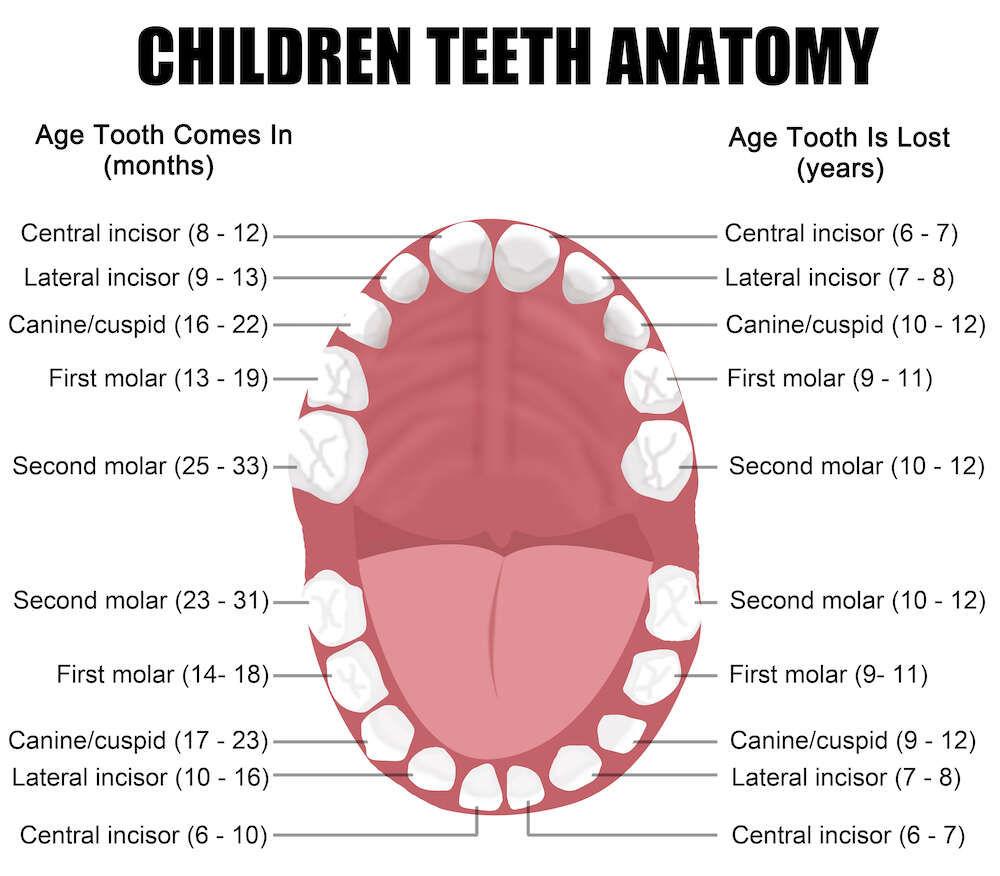
Most babies have no visible teeth at birth, but they usually have 20 primary teeth developing beneath the gums.
Knowing how many teeth do babies have can make early milestones feel less mysterious. Most infants begin teething around 6 months, but normal timing can vary widely. This guide explains baby teeth, the teething process, early dental care, warning signs, and simple ways to keep your child comfortable.

How Many Teeth Do Babies Have?
Most babies have zero visible teeth when they are born. However, all 20 primary teeth, also called baby teeth, are already forming inside the jaw.
The first tooth often appears between 6 and 12 months. Some babies get a tooth at 4 months, while others may not have one until after their first birthday. Both can be normal.
So, how many teeth do babies have at different stages?
• At birth: Usually no visible teeth, but 20 tooth buds are developing under the gums
• Around 6 months: Often one or two teeth begin to appear
• Around 12 months: Many babies have about 2 to 8 teeth
• Around 24 months: Most children have many of their 20 primary teeth
• By about 3 years: Most children have all 20 baby teeth
A baby’s teeth are like tiny seeds beneath the soil. They may not be visible yet, but they are already present and growing.
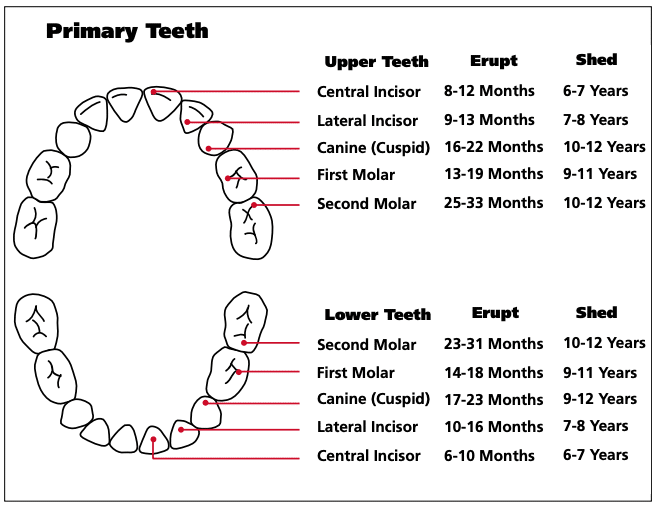
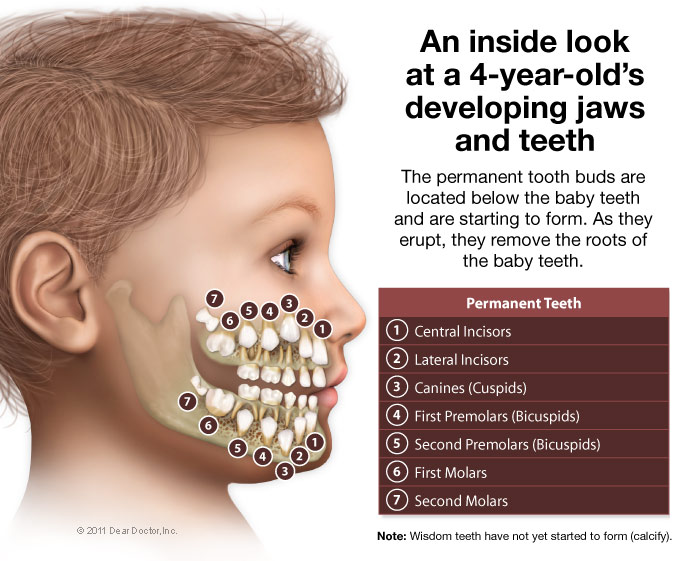
How Many Teeth Do Babies Have Under Their Gums?
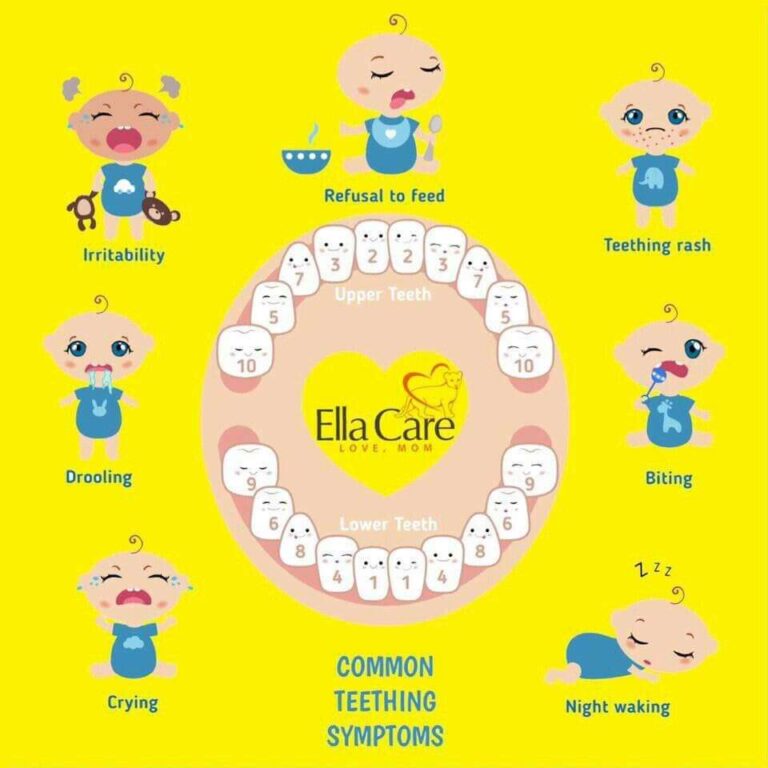
Babies usually have 20 primary teeth developing beneath their gums. These include 10 teeth in the upper jaw and 10 in the lower jaw.
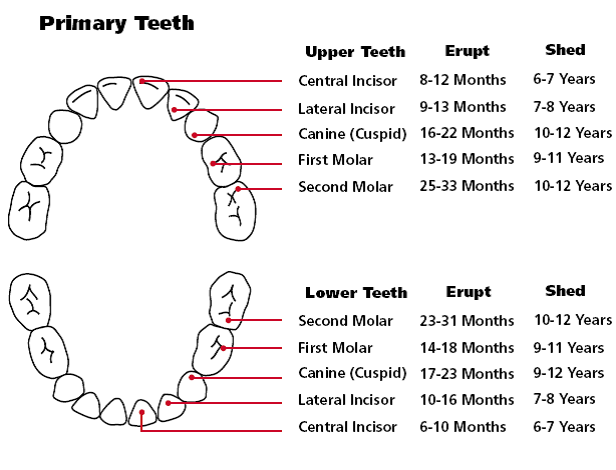
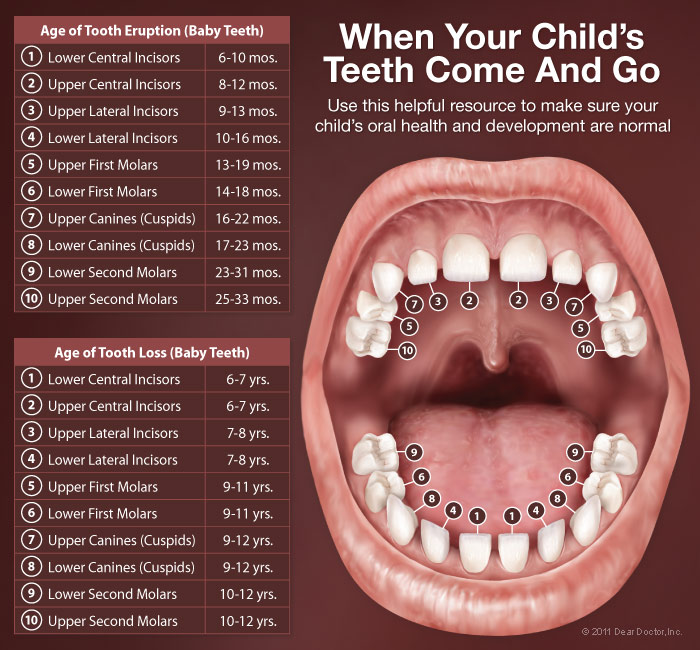
The 20 primary teeth consist of:
• 4 upper central and side incisors
• 4 lower central and side incisors
• 4 canine teeth
• 8 molars
The front teeth usually come in first because they help babies bite soft foods. The molars arrive later and help crush and grind food.
The teeth do not all develop at the same speed. Some may erupt close together, while others may take several months. This uneven pattern is usually not a concern.
When parents ask how many teeth do babies have, they often mean how many teeth they can see. The answer is usually different from the number of teeth developing in the jaw.

When Do Baby Teeth Come In?
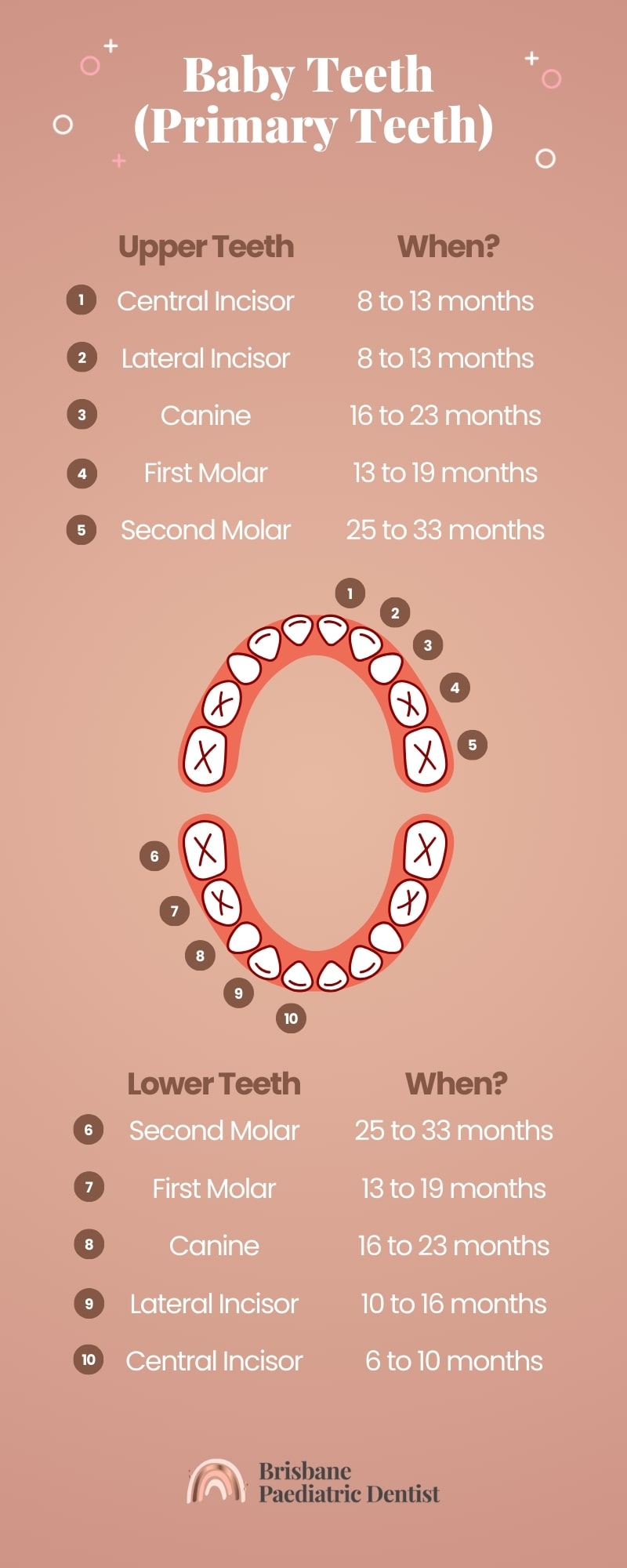
Baby teeth usually appear in a fairly predictable order, although each child has a personal timeline. Lower front teeth often arrive first.
A common eruption pattern looks like this:
-
Lower central incisors: About 6 to 10 months
-
Upper central incisors: About 8 to 12 months
-
Upper side incisors: About 9 to 13 months
-
Lower side incisors: About 10 to 16 months
-
First molars: About 13 to 19 months
-
Canine teeth: About 16 to 22 months
-
Second molars: About 25 to 33 months
These ages are estimates, not strict rules. A healthy baby may follow a different schedule and still develop normally.
If a baby has no teeth by 15 to 18 months, it is reasonable to mention it during a medical or dental visit. A late first tooth does not always mean something is wrong, but a professional can check the child’s mouth and development.
Signs a Baby Is Teething
Teething happens when a tooth moves through the gum and into the mouth. This pressure can make the gums sore and may change a baby’s mood.
Common signs include:
• Swollen or tender gums
• More drooling than usual
• A strong need to chew
• Mild fussiness
• Trouble sleeping
• Rubbing the face, ears, or gums
• A small change in appetite
Teething may cause a slight rise in body temperature, but it should not cause a true fever. A temperature of 100.4°F or higher may point to an illness instead.
Teething also does not usually cause severe diarrhea, repeated vomiting, breathing problems, or a widespread rash. If these symptoms appear, contact a pediatric health professional.
Many parents search how many teeth do babies have when they notice swollen gums. Swelling can happen days or weeks before a tooth appears, so it does not always mean eruption is immediate.
How to Soothe Teething Discomfort
Most babies need comfort, not strong treatment. Gentle steps can ease gum pressure and help a baby settle.
Try these safe options:
• Rub the gums with a clean finger
• Offer a firm rubber teething ring
• Give a cool, clean washcloth to chew
• Keep the baby hydrated
• Offer soft foods if the baby is ready for solid food
• Wipe drool from the chin to prevent skin irritation
Avoid freezing teething rings. Very cold items can hurt the gums. Also avoid amber teething necklaces, bracelets, and anklets because they can create choking and strangulation risks.
Do not use numbing gels that contain benzocaine unless a health professional specifically advises you to do so. Benzocaine can cause a rare but serious blood problem in young children.
Never give aspirin to a baby. Ask a pediatrician about the correct dose of acetaminophen or ibuprofen if your child seems very uncomfortable. Ibuprofen is generally not used in babies younger than 6 months unless a clinician recommends it.

When Should Babies Start Brushing Their Teeth?
Begin cleaning the mouth before the first tooth appears. Wipe the gums gently with a clean, damp cloth once a day.
When the first tooth appears, brush it twice each day. Use a soft, small toothbrush and a tiny smear of fluoride toothpaste, about the size of a grain of rice.
Parents often wonder how many teeth do babies have before brushing becomes necessary. The answer is simple: brushing should start with the first tooth, even if only one tooth is visible.
Helpful brushing habits include:
• Brush in the morning and before bed
• Use a rice-sized amount of fluoride toothpaste until age 3
• Let an adult do the brushing
• Brush all tooth surfaces gently
• Replace the toothbrush when the bristles wear out
• Avoid sharing spoons or cleaning pacifiers with your mouth
Fluoride strengthens enamel and helps prevent cavities. If your local water supply does not contain fluoride, ask a dentist or pediatrician whether your child needs fluoride supplements.
When Should a Baby First See a Dentist?
A baby should usually have a first dental visit by the first birthday or within six months of the first tooth appearing. This recommendation helps identify early problems and gives parents a chance to learn good care habits.
The first visit may include:
• A gentle look inside the mouth
• A check for early tooth decay
• A review of feeding and brushing habits
• Advice about fluoride
• Guidance on pacifiers, bottles, and thumb-sucking
• A discussion of teething and injury prevention
The visit is often short. It helps the child become familiar with the dental office before a problem develops.
A pediatric dentist can also explain how many teeth do babies have at each stage and whether your child’s eruption pattern looks typical.
How Bottle Feeding and Breastfeeding Affect Baby Teeth
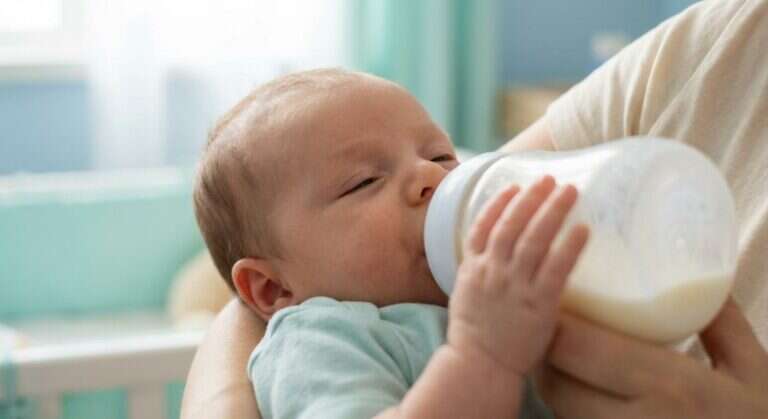
Breast milk and formula provide important nutrition, but frequent exposure to sugar can raise the risk of tooth decay after teeth erupt.
To protect baby teeth:
• Do not put a baby to bed with a bottle of formula, milk, juice, or another sweet drink
• Avoid letting a baby walk around with a bottle for long periods
• Offer water between meals when appropriate
• Introduce a cup around 6 months and work toward weaning from the bottle around 12 to 18 months
• Never dip a pacifier in honey, sugar, or syrup
• Avoid juice for infants younger than 12 months unless a medical professional recommends it
Breastfeeding itself is not a reason to stop. However, frequent feeding throughout the night after teeth appear may increase the chance of decay. Discuss your child’s feeding pattern with a pediatric dentist if you have concerns.
Even one tooth can develop a cavity. Baby teeth are small, but they matter for eating, speech, appearance, and guiding adult teeth into place.
What Happens If a Baby Is Born With Teeth?
A small number of babies are born with teeth. These are called natal teeth. Teeth that appear during the first month are called neonatal teeth.
Natal teeth are often loose or poorly formed. Sometimes they are part of the normal primary tooth set. In other cases, they may be extra teeth.
A health professional should examine any tooth present at birth. A loose tooth can create a risk if it falls out and is inhaled. It may also irritate the baby’s tongue or make feeding difficult.
Do not try to pull out a natal tooth at home. A dentist or doctor can decide whether it should remain, be smoothed, or be removed.
This is one reason the answer to how many teeth do babies have is not always zero at birth. Most babies have no visible teeth, but natal teeth can occur.
Baby Teeth Versus Permanent Teeth
Children have 20 primary teeth. Most adults have 32 permanent teeth, including wisdom teeth.
Primary teeth are smaller and whiter than adult teeth. They also have thinner enamel, which means cavities can spread more quickly.
Baby teeth serve several important roles:
• They help children chew food
• They support clear speech
• They hold space for permanent teeth
• They help shape the jaw and face
• They support healthy oral habits
A baby tooth that is lost too early because of decay or injury may cause nearby teeth to shift. This can reduce the space needed for a permanent tooth.
Baby teeth do eventually fall out, but they should still be cared for as carefully as adult teeth. Temporary does not mean unimportant.
When to Call a Doctor or Dentist
Most teething symptoms are mild. Some signs, however, need professional attention.
Call a pediatrician or dentist if your baby has:
• A fever of 100.4°F or higher
• Severe or ongoing diarrhea
• Repeated vomiting
• Trouble breathing or swallowing
• Significant facial swelling
• Pus, bleeding, or a bad smell from the gums
• A tooth that is very loose at birth
• No visible tooth by about 18 months
• Brown, white, or chalky spots on a new tooth
• Pain that prevents eating, drinking, or sleeping
Trust your instincts. Parents often notice small changes before anyone else does. A quick call can provide reassurance and prevent a minor issue from becoming a larger one.
Practical Tips for Parents
Caring for baby teeth does not need to feel complicated. A few steady habits make the biggest difference.
Use this simple routine:
-
Clean the gums once a day before teeth appear.
-
Brush the first tooth twice daily with a rice-sized smear of fluoride toothpaste.
-
Schedule the first dental visit by age 1.
-
Limit sugary drinks and frequent snacking.
-
Use a cup as your child grows.
-
Keep bottles and pacifiers clean.
-
Supervise brushing until your child can do it well.
-
Store toothpaste safely and teach your child not to swallow it.
One mistake parents commonly make is waiting until several teeth appear before starting dental care. The first tooth deserves attention right away. Another mistake is assuming that pain, fever, or diarrhea is always caused by teething.
When families ask how many teeth do babies have, I recommend focusing less on the exact count and more on the care routine. Timing varies, but clean teeth, fluoride, healthy food choices, and regular dental visits help every child.
Frequently Asked Questions About How Many Teeth Do Babies Have
How many teeth do babies have at birth?
Most babies have no visible teeth at birth. However, they usually have 20 primary teeth developing beneath the gums.
How many teeth do babies have at 6 months?
Some 6-month-old babies have one or two teeth, while others have none. The first tooth commonly appears between 6 and 12 months, but earlier or later eruption can still be normal.
How many teeth do babies have by age 1?
Many babies have between 2 and 8 teeth by their first birthday. Some have fewer or more, so the exact number alone does not show whether development is healthy.
Is it normal for a baby to have teeth before 4 months?
Yes, early teething can happen. If a tooth is present at birth or appears during the first month, have a dentist or pediatrician check it.
When should I brush my baby’s teeth?
Start brushing as soon as the first tooth appears. Brush twice daily with a soft toothbrush and a tiny, rice-sized amount of fluoride toothpaste.
Can teething cause a fever?
Teething may cause mild gum soreness and fussiness, but it should not cause a true fever. A temperature of 100.4°F or higher may signal an illness and deserves medical advice.
Conclusion
Most babies have no visible teeth at birth, but 20 primary teeth are already developing beneath the gums. The first tooth often appears around 6 months, and most children have all 20 baby teeth by about age 3.
Start cleaning the gums early, brush the first tooth twice a day, limit sugary drinks, and schedule a dental visit by the first birthday. If your baby’s teeth appear early, late, or in an unusual way, ask a trusted pediatrician or dentist for guidance. Share this guide with another parent and explore more trusted infant oral health resources.