Most families do not need both, but a travel stroller can help frequent travelers and busy parents.
The answer to “do you need a travel stroller and regular stroller” depends on your child’s age, daily routine, storage space, and travel plans. After comparing stroller frames, wheels, folds, safety features, and real-world use, I can say this: one well-chosen stroller is enough for many families, while two can make life easier in very specific situations.
Do You Need a Travel Stroller and Regular Stroller?
You do not automatically need a travel stroller and a regular stroller. Many parents use one stroller for years and manage both daily errands and vacations without trouble.
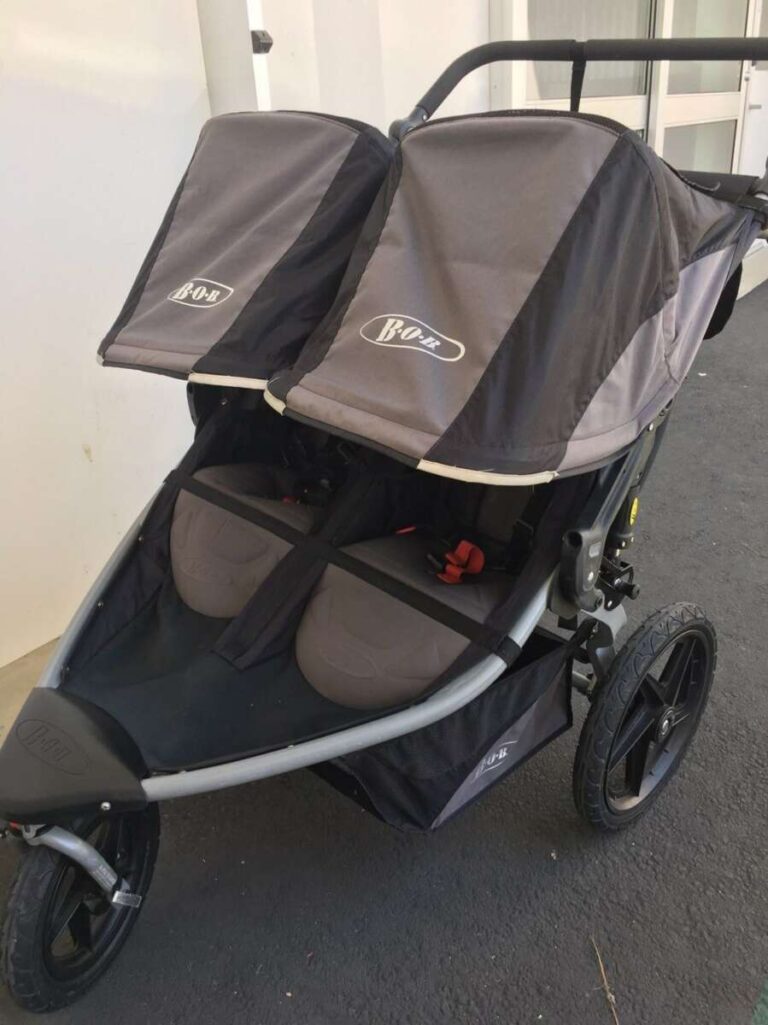
A regular stroller is often called a full-size stroller or everyday stroller. It usually has larger wheels, more padding, more storage, and a smoother ride. A travel stroller is smaller, lighter, and built to fold with less effort.
The real question is not “Can I own both?” It is “Will each stroller solve a different problem?” If the answer is yes, buying two may be sensible. If both strollers do the same job, the second purchase may add cost and clutter without much value.
A simple rule can help:
- Choose one regular stroller if you mostly walk near home and travel only once or twice a year.
- Choose one travel stroller if you live in a small space and value low weight above comfort and storage.
- Consider both if you use a sturdy stroller every day and travel often by plane, train, or public transit.
What Is a Regular Stroller?
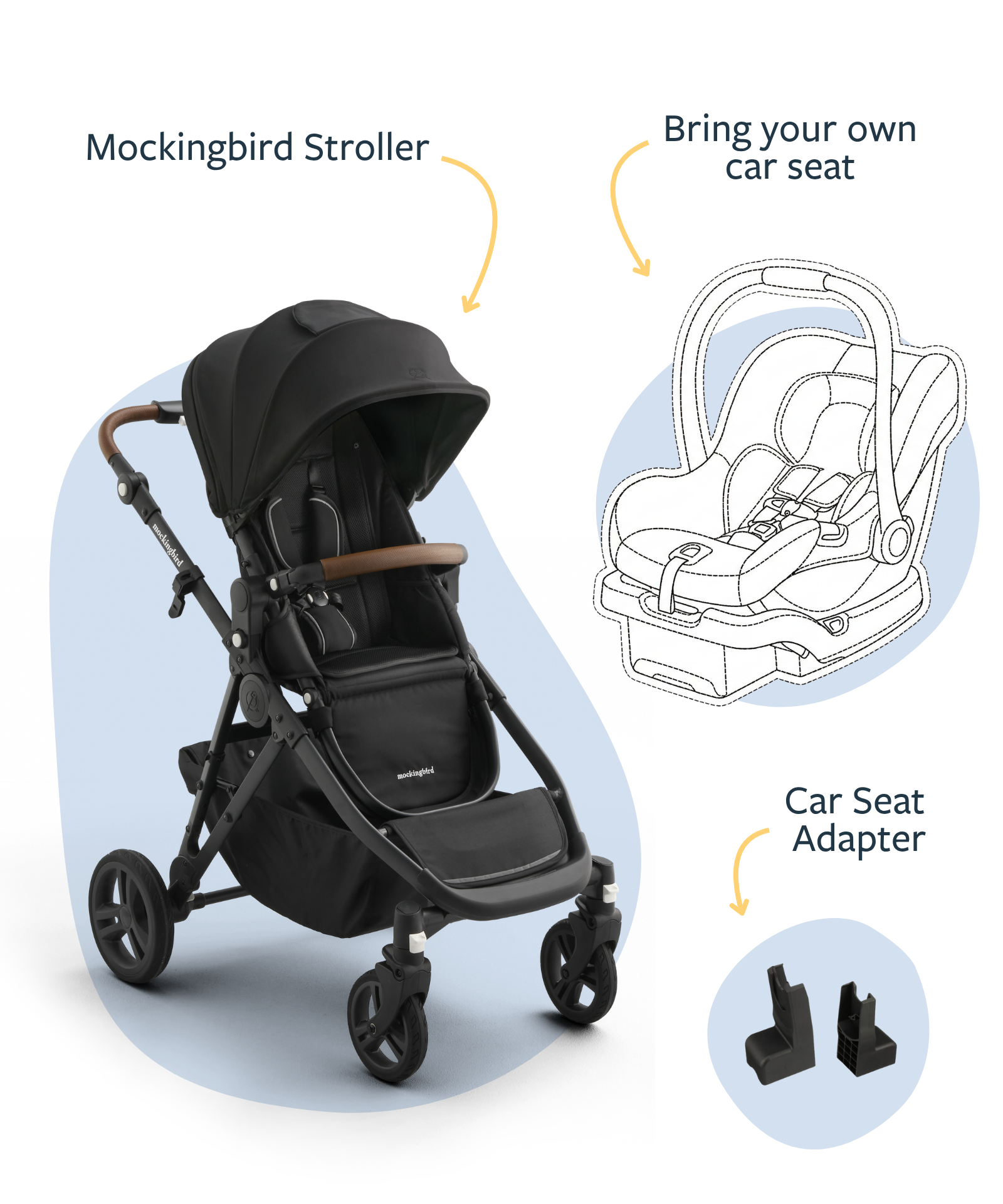
A regular stroller is designed for daily life. It may carry more gear, offer a larger seat, and handle sidewalks, grass, gravel, and uneven paths better than a compact travel model.
Most full-size strollers have features such as:
- A deep, padded seat
- A large sun canopy
- An adjustable handlebar
- A roomy storage basket
- A stronger frame
- Larger wheels and better suspension
- A near-flat recline or a compatible bassinet
- Space for a diaper bag, snacks, and extra clothing
These features make a regular stroller feel like a small utility cart. That comfort is useful on long walks, shopping trips, and days when your child falls asleep away from home.
However, a regular stroller can be heavy. Some models weigh more than 25 pounds and take up much of a car trunk. They may also be difficult to lift into a bus, carry through a narrow doorway, or store in a small apartment.
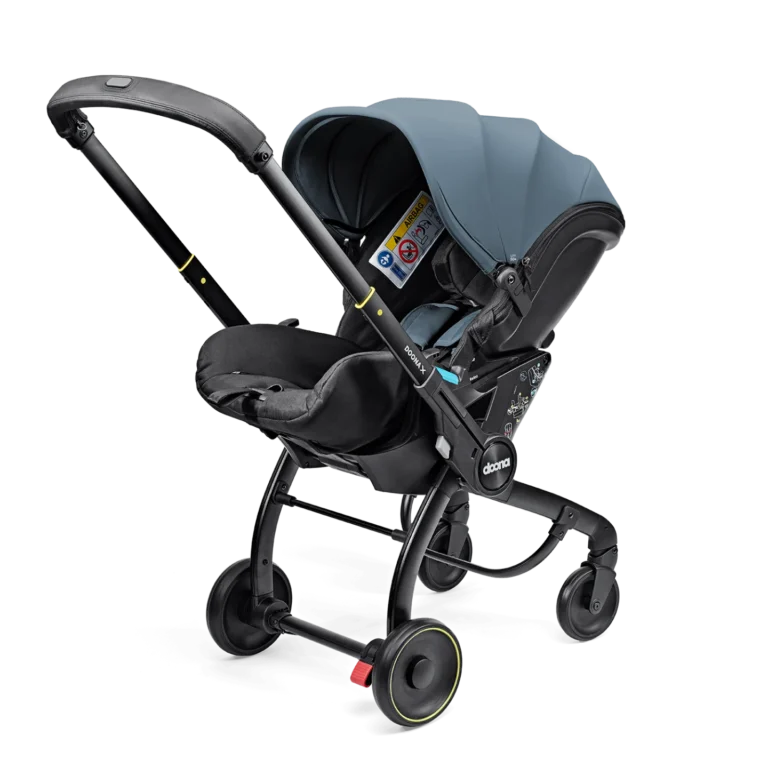
A regular stroller is often the better first stroller for newborn use, but check the manual. Many stroller seats are not safe for a newborn unless they fully recline or connect to an approved infant car seat or bassinet.

What Is a Travel Stroller?
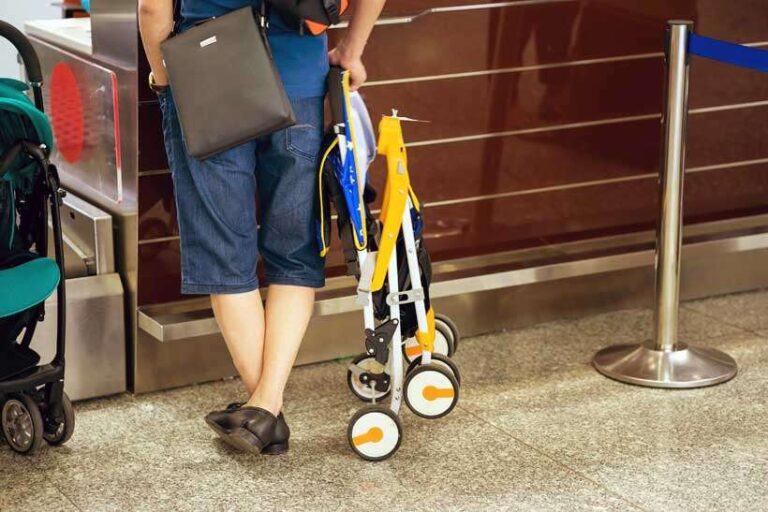
A travel stroller is a lightweight stroller made for movement and easy storage. Depending on the design, it may fold small enough to fit in an airplane overhead bin, but no stroller is guaranteed overhead-bin approved on every flight.
Travel strollers often include:
- A light frame
- A quick one-hand fold
- A compact folded size
- A shoulder strap or carry handle
- Small swivel wheels
- A reclining seat
- A smaller storage basket
Some travel strollers weigh less than 15 pounds. This can make a major difference when you carry a child, luggage, and a stroller through an airport.
The tradeoff is simple: less weight often means fewer comfort features. A compact stroller may have a shorter seat, less padding, smaller wheels, and limited space for supplies. It may also feel less stable on rough sidewalks.
A travel stroller is not automatically safer or better. Safety depends on the model, correct use, age limits, weight limits, harness, brakes, and condition. The Consumer Product Safety Commission recommends using the restraint system and following the manufacturer’s instructions every time.

Travel Stroller vs. Regular Stroller
The best way to decide whether you need a travel stroller and regular stroller is to compare how each model fits your routine.
| Feature | Regular stroller | Travel stroller |
|---|---|---|
| Weight | Usually heavier | Usually lighter |
| Fold | Larger and sometimes slower | Smaller and often faster |
| Wheels | Better for rough ground | Best for smooth ground |
| Storage | More room | Less room |
| Comfort | More padding and support | Basic but practical |
| Car travel | May take more trunk space | Easier to pack |
| Air travel | Often gate checked | Some models may fit overhead bins |
| Daily walks | Usually better | Works best on smooth routes |
| Price | Wide range | Wide range |
| Newborn use | More likely to support it | Model specific |
A full-size stroller is like a comfortable family car. A travel stroller is more like a small city car. One offers space and smooth handling; the other makes tight spaces and quick trips easier.
Neither type wins in every setting. A stroller that glides across a park may feel frustrating in an airport. A compact model that is perfect for a hotel may feel harsh on cracked sidewalks.

When One Stroller Is Enough
For many families, one stroller is the smart choice. A versatile stroller can cover walks, errands, appointments, and occasional trips.
One stroller may be enough when:
- You travel only once or twice each year.
- You drive most places.
- Your stroller fits your car without blocking needed space.
- You have enough storage at home.
- You walk on fairly smooth paths.
- Your child still needs a comfortable recline.
- You want to limit spending and maintenance.
A lighter full-size stroller can offer a good middle ground. It may not be as tiny as an umbrella stroller, but it can still fit in a car and provide better comfort.
A compact stroller with strong wheels may also serve as an everyday stroller. This can work well for city parents who use public transit, climb stairs, or live in a small home.
Before buying a second stroller, test your current one in the situations that bother you. Try lifting it into your car. Fold it with one hand. Measure your closet and trunk. Small problems become clear when you test them in real life.

When Buying Both Makes Sense
The answer to “do you need a travel stroller and regular stroller” is more likely to be yes when each stroller has a separate job.
Buying both may make sense if:
- You use a full-size stroller every day but fly several times a year.
- Your regular stroller is too heavy for stairs or public transit.
- You need a compact stroller for a second car.
- One caregiver walks often while another travels often.
- Your child needs a comfortable daily seat but a small fold for trips.
- You have twins or children of different ages with different needs.
- Your regular stroller is built for a newborn, but you want a lighter model for toddler travel.
For example, a parent may use a large stroller for neighborhood walks, grocery trips, and naps. That same parent may keep a compact travel stroller in the car for airports, museums, and restaurant outings.
This setup is useful because it prevents one stroller from doing every job poorly. It is similar to owning both walking shoes and hiking boots. You can use one pair for both, but the right tool feels better when the task changes.
Still, do not buy two strollers simply because a travel model looks convenient online. Check the folded size, weight, warranty, wheel quality, seat limits, and return policy first.
Benefits and Limits of a Travel Stroller
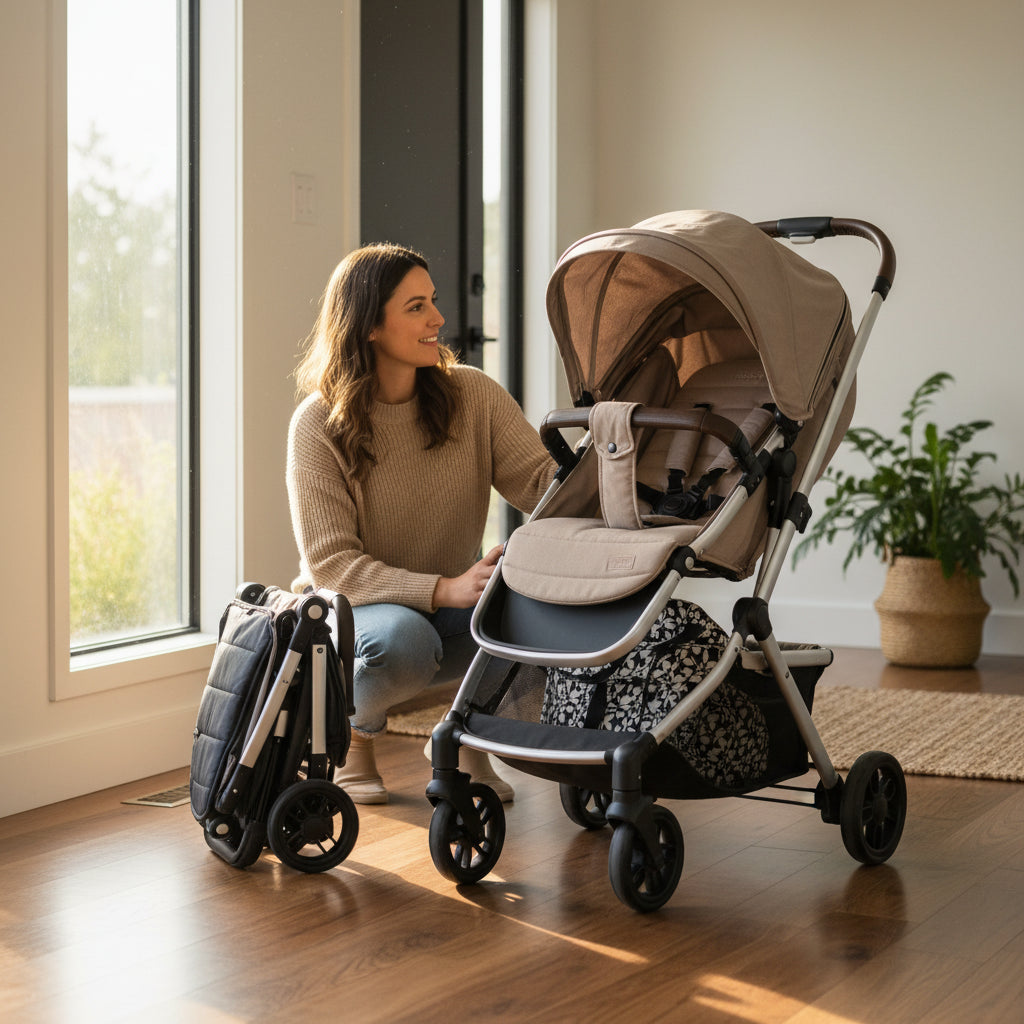
A travel stroller can remove stress from busy trips. You can move through a hotel lobby, train station, or theme park without pushing a large frame.
Main benefits
- Easier to lift and carry
- Takes less room in a trunk or closet
- Faster to fold during boarding or loading
- Helpful on public transportation
- Often easier for older children who walk but tire quickly
- Useful as a backup stroller
A travel stroller can also reduce decision fatigue. When a stroller folds in seconds, you are less likely to leave it behind because packing feels like work.
Common limits
- Smaller baskets may not hold a diaper bag.
- Small wheels may struggle on grass, sand, or cobblestones.
- Thin padding may be less comfortable for long naps.
- Short handles may feel awkward for tall adults.
- A small canopy may provide less sun protection.
- Some models do not accept infant car seats.
- A compact fold does not guarantee overhead-bin storage.
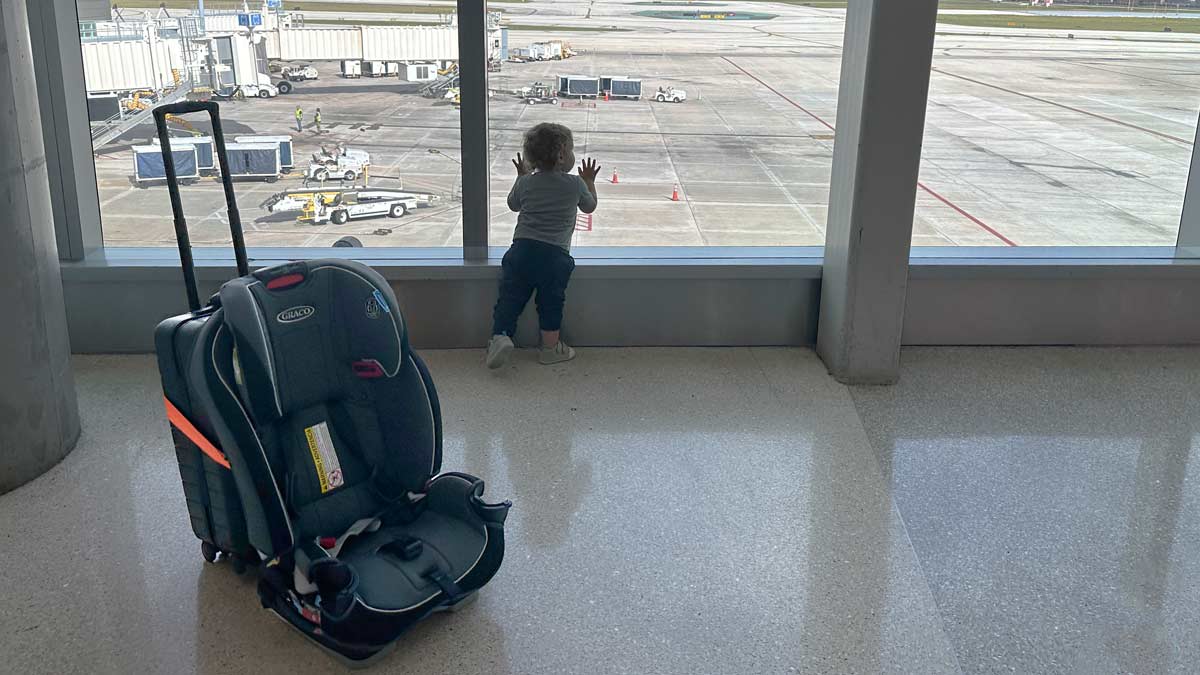
Airline rules vary by carrier, aircraft, and available cabin space. Always check the airline’s current policy. Even when a stroller is marketed as “cabin size,” staff may require gate checking.

How to Choose the Right Stroller
If you are unsure whether you need a travel stroller and regular stroller, start with your hardest use case. Do not start with color, brand, or a social media review.
Ask these questions:
- How old is your child, and what is the stroller’s minimum age?
- What is your child’s current weight and height?
- Will you use an infant car seat, bassinet, or flat recline?
- How often will you travel?
- Will you lift the stroller up stairs?
- What surfaces will you use most?
- How much trunk and closet space do you have?
- Do you need a large basket?
- Can you operate the brake and fold with one hand?
- Does the harness fit securely and adjust easily?
Pay close attention to the five-point harness. It should sit snugly over the child’s shoulders and hips. Use the parking brake whenever the stroller is stopped, even on a small slope.
Check the handle height before buying. A stroller that forces you to hunch can make long walks uncomfortable. If possible, push it with one hand, turn it tightly, and lift it into your vehicle.
A useful store test is the “real-life load.” Place a diaper bag in the basket, lock the wheels, fold the stroller, and carry it several steps. A stroller may look light on paper but feel awkward once loaded with daily items.

Travel Stroller Safety Tips
A compact stroller still needs careful use. Its small size does not remove the risk of tipping, falls, or improper restraint.
Follow these safety steps:
- Read the full manual before the first use.
- Use the five-point harness on every ride.
- Keep the child within the stated age, height, and weight limits.
- Engage the brake before placing a child in the seat.
- Do not hang heavy bags from the handlebar.
- Keep fingers away from folding joints.
- Inspect wheels, brakes, buckles, and frame locks.
- Keep the stroller away from stairs and hot surfaces.
- Do not let a child stand on the footrest unless the manufacturer allows it.
- Never leave a child unattended in a stroller.
The American Academy of Pediatrics advises against using a stroller as a routine sleep space. If your child falls asleep during a walk, monitor them and move them to a safe sleep surface when practical.
Also check for product recalls before buying a used stroller. Look at the model number, manufacture date, and safety notices. A low price is not a bargain if replacement parts are unavailable.
Common Mistakes Parents Make
When deciding do you need a travel stroller and regular stroller, parents often focus on the folded size and ignore daily comfort.
Here are mistakes worth avoiding:
Choosing the lightest model
The lightest stroller is not always the best stroller. Tiny wheels may vibrate over broken pavement, and a narrow seat may become uncomfortable as your child grows.
Assuming every travel stroller fits an airplane cabin
Overhead bins differ by aircraft. Crew members may require a gate check, even if the stroller meets a published size limit.
Buying before measuring
Measure the stroller when open and folded. Measure your trunk opening, closet shelf, elevator door, and apartment entry.
Ignoring the handlebar
A low handle can cause back and shoulder strain. This issue may not appear during a five-minute test, but it can matter after an hour of walking.
Overloading the handle
Heavy bags can change the stroller’s balance. Use the basket within its stated weight limit instead.
Forgetting the child’s next stage
A stroller that fits a six-month-old may not fit a tall toddler. Check the seat height, legroom, maximum weight, and recline range.
The best stroller is not the one with the longest feature list. It is the one you can use safely, comfortably, and consistently.
Cost, Storage, and Value
The question “do you need a travel stroller and regular stroller” also has a financial side. Two strollers mean two purchases, two storage needs, and more parts to inspect.
Compare total value rather than the sale price. Include:
- The stroller cost
- An adapter or bassinet
- A rain cover
- A travel bag
- Replacement wheels or parts
- Delivery and return costs
- Possible airline damage during gate checking
A less expensive stroller may be a good choice if it meets safety standards and suits your routine. A premium stroller may be worthwhile if you use it daily for several years.
Storage matters too. A second stroller can crowd a hallway and become a trip hazard. Store each stroller with the brake off only if the manual permits it, keep it dry, and avoid leaving fabric damp after rain.
Buying used can save money, but inspect the frame for cracks, confirm the fold lock works, test the brake, and check recall information. Avoid a used stroller with missing parts or an unknown safety history.
A Simple Decision Guide
Use this guide if you are still unsure whether you need a travel stroller and regular stroller.
Choose one regular stroller if:
- Daily comfort matters most.
- You take long walks.
- You need room for supplies.
- You rarely fly.
- Your home and car can handle its size.
Choose one travel stroller if:
- You live in a small home.
- You use public transit often.
- You take short walks on smooth paths.
- You travel often.
- Your child is old enough for that model.
Choose both if:
- Your regular stroller is excellent for daily use but difficult to transport.
- You fly or take long trips often.
- You have enough room and budget.
- The two strollers have clearly different roles.
Wait before buying if:
- You are unsure about your child’s size or needs.
- You have not tested your current stroller.
- You are buying only because of a temporary sale.
- You cannot explain what the second stroller will do better.
This final point is important. If you cannot name the exact problem the second stroller solves, you probably do not need it yet.
Frequently Asked Questions About Do You Need a Travel Stroller and Regular Stroller
Do you need a travel stroller and regular stroller for air travel?
No. You can travel with a regular stroller, although it may be heavier and harder to handle. A travel stroller is helpful when you value a quick fold and low weight, but airline rules still apply.
Can a travel stroller replace a regular stroller?
Sometimes. A strong travel stroller can replace a regular stroller for short walks, city trips, and small homes. It may not replace one well if you need large wheels, deep storage, extra padding, or rough terrain performance.
What age is best for a travel stroller?
It depends on the model. Some travel strollers support newborns with a flat recline or approved accessory, while others are intended for babies who can sit upright. Always follow the manufacturer’s age, weight, and recline instructions.
Is a travel stroller safe for a toddler?
Yes, when the stroller fits the child and the harness, brakes, and frame work correctly. Keep the child within the stated height and weight limits, and do not overload the handle.
Can a travel stroller go in an airplane overhead bin?
Some compact models may fit, but no airline or aircraft can guarantee this. Cabin space, flight rules, and staff decisions vary, so be prepared for gate checking.
Should you buy a travel stroller before a family vacation?
Buy one before the trip only if you have time to test it. Practice folding it, adjust the harness, check the basket, and take a short walk so problems do not appear at the airport.
Is a regular stroller better for newborns?
Often, yes, because many regular strollers offer a flat recline, bassinet, or infant car seat compatibility. However, some travel strollers also support newborns, so check the exact model rather than relying on the category.
Conclusion
You do not always need a travel stroller and regular stroller. One versatile stroller may be enough, especially when you travel rarely or have limited storage. Two strollers make sense when your full-size model handles daily life well but becomes a burden on flights, public transit, or tight trips.
Focus on your child’s age, your walking surfaces, your travel habits, your storage space, and the stroller’s safety limits. Test the fold, wheels, harness, brakes, and handle before you buy.
Choose the stroller that solves your real problem, not the one with the most impressive feature list. Compare trusted models, check current safety information, and share your own stroller experience in the comments.