Baby powder is not edible and should never be eaten, even in small amounts.
The answer to “is baby powder edible” is clear: cosmetic baby powder is made for skin, not the mouth or stomach. A tiny accidental lick may cause no serious harm in many cases, but larger amounts, breathing the powder, or symptoms such as coughing and vomiting need prompt medical advice. This guide explains the risks, what to do after ingestion, and how to prevent it.
Is baby powder edible?
No, baby powder is not edible. It is a cosmetic product designed to reduce moisture and friction on the skin. It is not tested, labeled, or regulated as food.
Baby powder may contain talc, cornstarch, fragrance, preservatives, or other ingredients. Even if one ingredient is used in some foods, the finished powder is still not safe to eat.
For example, cornstarch can be a food ingredient when produced and packaged for cooking. Cornstarch baby powder is different because it may contain additives, fragrance, or contaminants. The label and intended use matter.
The safest rule is simple:
• Do not eat baby powder.
• Do not give baby powder to a child as a joke, snack, or home remedy.
• Keep it away from food, cups, bottles, and kitchen surfaces.
• Treat any intentional or large ingestion as a poisoning concern.

What is baby powder made of?
Baby powder is usually made from one of two main bases: talc or cornstarch. Some products also include scents and skin-conditioning ingredients.
Talc-based baby powder
Talc is a soft mineral made mainly of magnesium, silicon, and oxygen. It feels smooth and absorbs moisture, which is why it has been used in body powders.
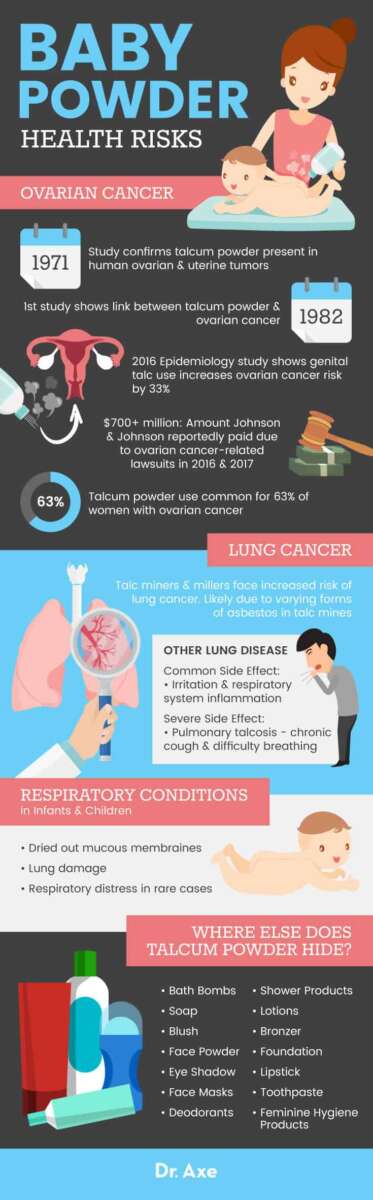
Talc powder is not food. Swallowing it can irritate the mouth, throat, and stomach. Breathing talc dust may be more concerning because fine particles can enter the lungs.
Modern products are expected to meet safety rules, but product quality and contamination concerns have led many families to choose talc-free options. Talc-free does not mean edible, however.
Cornstarch-based baby powder
Cornstarch is a plant-based starch that absorbs moisture. It is also used in cooking, but cornstarch baby powder is still a cosmetic product.
A small lick of cornstarch powder may be less concerning than a large amount of another substance, but that does not make it food-safe. Fragrance and other added ingredients may upset the stomach or cause an allergic reaction.
Fragrance and other additives
Baby powder may contain:
• Fragrance
• Essential oils
• Preservatives
• Skin conditioners
• Anti-caking agents
• Mineral ingredients
These ingredients are selected for topical use. The body can react differently when they are swallowed or inhaled.

What happens if you eat baby powder?
The effects depend on the amount, the product ingredients, and the person’s age and health. A small accidental taste may cause no symptoms, but it can still lead to irritation or stomach upset.
Possible symptoms include:
• Dry or irritated mouth
• Coughing or choking
• Nausea
• Vomiting
• Stomach pain
• Diarrhea
• Constipation
• Wheezing or trouble breathing
The greatest immediate danger may be inhalation rather than swallowing. Powder can enter the lungs during coughing, choking, or vomiting. This risk is higher in babies and young children because their airways are small.
If a child eats baby powder and then coughs hard, do not assume the cough is harmless. Watch for fast breathing, wheezing, blue lips, unusual sleepiness, or ongoing coughing. These signs require urgent medical care.

Is talcum powder dangerous to swallow?
Talcum powder can be harmful if swallowed in a large amount or inhaled. A small accidental taste often causes mild or no symptoms, but each case is different.
Talc is more concerning when it reaches the lungs. Inhaled talc can cause severe irritation and breathing problems. A person may inhale it while sprinkling the powder, blowing it away, or choking after swallowing it.
There is also a separate long-term concern about repeated exposure to talc products. Research has examined possible links between talc and cancer, but the risks depend on the type of exposure, contamination, dose, and duration. This article focuses on accidental ingestion, not long-term cosmetic use.
If you are worried about talc exposure, check the product label and ask a health professional for advice. Do not rely on internet comments or assume that “natural” means safe.
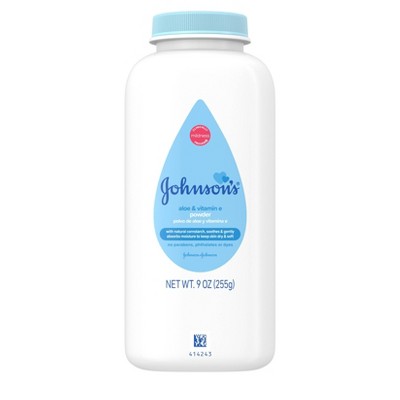
Is cornstarch baby powder edible?
Cornstarch baby powder is not edible, even though cornstarch itself is used in food. The powder is made for external use and may include ingredients that are not meant to be swallowed.
A tiny accidental lick may not cause serious harm. Still, you should remove the product, rinse the mouth gently, and contact Poison Control for guidance if a child swallowed more than a trace amount.
Cornstarch powder can also create a breathing risk. Fine starch particles may irritate the lungs, and airborne cornstarch can be dangerous around an open flame because dust can burn quickly.
Never use baby powder as a substitute for flour, powdered sugar, or a cooking thickener. Store it with medicines and cleaning products, not with pantry items.
What to do if a child eats baby powder
Stay calm and act step by step. Panic can make a child cry, cough, or inhale more powder.
-
Move the container away from the child.
-
Wipe powder from the lips and face.
-
Remove any powder from the mouth if you can do so safely.
-
Give a small sip of water if the child is alert and can swallow normally.
-
Do not force food or drinks.
-
Do not make the child vomit.
-
Call Poison Control at 1-800-222-1222 in the United States.
Have the container nearby when you call. The specialist may ask for the brand, ingredients, amount swallowed, time of exposure, and the child’s age and weight.
Call 911 right away if the person has trouble breathing, turns blue, has a seizure, collapses, or cannot wake up. Do not wait for symptoms to become severe.

When should you seek medical help?
Contact a medical professional or Poison Control after any intentional ingestion, large ingestion, or unknown exposure. You should also call if the person is very young, has a lung condition, or swallowed a product with extra ingredients.
Get urgent help for:
• Difficulty breathing
• Persistent coughing or choking
• Wheezing
• Repeated vomiting
• Severe stomach pain
• Confusion or extreme sleepiness
• Seizures
• Blue, gray, or pale lips
Symptoms may appear quickly, especially after inhalation. Keep watching the person while you wait for instructions.
Do not use home remedies such as salt water, oil, milk in large amounts, or forced vomiting. These actions can increase choking or aspiration risk.

Can baby powder cause poisoning?
Baby powder can cause poisoning in some situations, but the risk varies by dose and exposure route. Swallowing a tiny amount may cause little harm, while inhaling a large cloud can create a serious lung problem.
Poisoning is not limited to products that seem highly toxic. A common household product can become dangerous when a child swallows a large amount or gets it into the lungs.
The product type matters too. A plain powder may have a different risk from a scented powder, medicated powder, or product mixed with other chemicals. Always read the label before making a judgment.
A useful lesson from poison safety guidance is to focus on three facts: what was exposed, how much was involved, and whether the person has symptoms. These details help experts give safe, specific advice.
Is baby powder safe for babies?
Baby powder is not considered necessary for routine diaper care. It can create a cloud of dust that a baby may breathe in, especially when the powder is shaken near the face.
The American Academy of Pediatrics and other pediatric health guidance generally advise avoiding loose powders around infants because of inhalation risks. Diaper creams, frequent diaper changes, and gentle cleaning are safer ways to protect irritated skin.
If you still use a powder recommended by a health professional, apply a small amount to your hand away from the baby’s face. Never shake it directly onto the diaper, skin, crib, or changing table.
Keep the container closed and out of reach. A baby can grab, squeeze, or spill a container in seconds.
What are safer alternatives to baby powder?
Many babies do not need powder at all. The goal is to keep the skin clean, dry, and protected without creating airborne dust.
Safer diaper-care habits include:
• Change wet or dirty diapers soon after noticing them.
• Clean the skin with water and a soft cloth or fragrance-free wipes.
• Pat the area dry instead of rubbing.
• Apply a thin layer of diaper cream when needed.
• Give short periods of diaper-free time.
• Choose loose, breathable clothing.
• Ask a pediatrician about a rash that lasts, spreads, bleeds, or has blisters.
Zinc oxide diaper cream can help protect skin from moisture. It is also not edible, so keep it away from children and use it only as directed.
Avoid homemade powders made from flour, baking soda, or spices. They may irritate the skin, feed yeast, or become a breathing hazard.
How to prevent accidental ingestion
Prevention is easier than emergency care. Children explore with their hands and mouths, so even a product used every day can become a poisoning risk.
Use these habits:
• Store baby powder in a locked cabinet.
• Keep the container away from the changing table edge.
• Never leave powder open while caring for a baby.
• Do not transfer powder into an unmarked jar.
• Keep powder away from snacks, bottles, and toys.
• Teach older children that cosmetics are not food.
• Check bags and diaper kits after visiting another home.
I have found that the biggest mistake people make with household products is assuming that a familiar item is harmless. The label may look gentle, but “for babies” means it is made for baby skin, not for baby mouths.
Another common mistake is shaking powder over a child’s body. This creates a fine dust cloud. Applying any powder to your hand first can reduce airborne particles, but avoiding loose powder is the safest choice for infants.
Is baby powder edible for pets?
Baby powder is not edible for dogs, cats, or other pets. A small lick may not cause serious harm, but pets can also inhale powder or swallow a larger amount than expected.
Some products contain fragrance, essential oils, or other ingredients that may be harmful to animals. Cats can be especially sensitive to certain essential oils because of how their bodies process them.
If a pet eats baby powder, remove access to the product and call a veterinarian or animal poison service. Do not give home treatments or induce vomiting unless a veterinary professional tells you to do so.
Seek urgent veterinary care for breathing trouble, repeated vomiting, weakness, tremors, or unusual behavior.
Common myths about eating baby powder
“It is safe because it is made for babies”
This is false. Baby products are designed for a baby’s skin, not for swallowing.
“Cornstarch powder is food because cornstarch is edible”
The base ingredient may be used in food, but the finished cosmetic product is not food-grade. It may contain fragrance and other ingredients that should not be eaten.
“Making someone vomit will remove the powder”
Forcing vomiting can push powder into the airway. Poison experts usually advise against inducing vomiting unless they give specific instructions.
“A natural label means it is safe”
Natural substances can still irritate the lungs, upset the stomach, or cause an allergic reaction. Safety depends on the complete formula and the route of exposure.
“If there are no symptoms, everything is fine”
No symptoms are reassuring, but they do not always rule out a problem. Watch the person and call Poison Control when the amount or product is uncertain.
Frequently Asked Questions About Is Baby Powder Edible
Is baby powder safe to eat in small amounts?
Baby powder is not food and should not be eaten. A tiny accidental taste may cause no serious problem, but contact Poison Control if a child swallowed more than a trace amount or develops symptoms.
What should I do if my baby licks baby powder?
Wipe the powder from the baby’s mouth and face, then offer a small sip of water only if the baby is alert and swallowing normally. Call Poison Control for product-specific advice, and seek emergency help for breathing problems.
Can baby powder cause stomach pain?
Yes, baby powder may irritate the stomach and cause nausea, vomiting, or pain. Symptoms are more concerning after a large ingestion or when the product contains fragrance or other additives.
Is talcum powder worse than cornstarch powder?
Talc and cornstarch powders are both non-edible products. Talc may raise greater concern when inhaled, but either type can irritate the airway and should be kept away from a child’s mouth and nose.
Should I make my child vomit after eating baby powder?
No. Do not induce vomiting unless Poison Control or a medical professional specifically instructs you to do so, because vomiting can increase the chance of inhaling the powder.
Can baby powder hurt a baby’s lungs?
Yes, inhaled powder can irritate a baby’s lungs and may cause coughing, wheezing, or breathing difficulty. Avoid shaking loose powder near an infant’s face and call 911 for severe breathing symptoms.
Who should I call after baby powder ingestion?
In the United States, call Poison Control at 1-800-222-1222 for immediate guidance. Call 911 if the person has trouble breathing, collapses, has a seizure, or cannot be awakened.
Conclusion
Baby powder is not edible, whether it is made with talc or cornstarch. A tiny accidental lick may cause no lasting harm, but swallowing a larger amount or inhaling powder can lead to choking, stomach upset, or lung irritation.
Keep powder away from children, avoid shaking it near an infant’s face, and use diaper creams or simple skin-care habits instead. If ingestion occurs, remove the product, do not induce vomiting, and contact Poison Control for clear advice.
Save the Poison Control number in your phone, share this guidance with other caregivers, and leave a comment about the child-safe habits that work best in your home.