The safest way to feed a baby bird is to contact a licensed wildlife rehabilitator before offering food or water.
Learning how to feed a baby bird starts with one key fact: many baby birds are not abandoned, and the wrong food can harm them quickly. This guide explains how to identify the bird’s needs, when to help, what foods are dangerous, and how trained rescuers handle feeding and care.
First, decide whether the baby bird needs help
Before learning how to feed a baby bird, watch it from a safe distance. Parent birds often stay nearby while a young bird rests on the ground or learns to fly.
A healthy baby bird may call, hop, flap, or hide when you approach. Its parents may be in a tree, on a roof, or behind a fence. Human presence can keep adult birds away, so step back and watch for at least one to two hours if the area is safe.

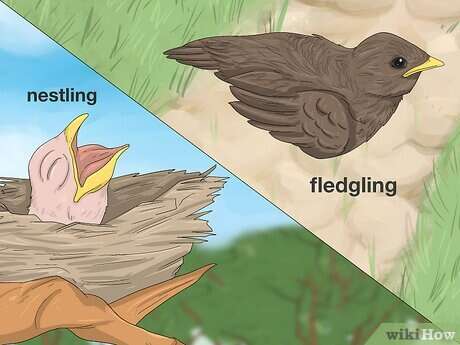
Nestling or fledgling?
The bird’s age helps you choose the right action.
- A nestling is very young, has little or no feather cover, and cannot perch or hop well.
- A fledgling has most of its feathers, can stand or hop, and may flutter or fly short distances.
- An injured bird may have blood, a drooping wing, trouble breathing, a closed eye, or an inability to stand.
A nestling usually needs help getting back into its nest. A fledgling often needs space, not rescue. Its parents may still feed it several times each hour.
Signs of true danger
Contact a wildlife rehabilitator at once if the baby bird:
- Has been caught by a cat or dog
- Has a broken wing or leg
- Is bleeding
- Feels cold and weak
- Has flies or maggots around its body
- Cannot hold its head up
- Is lying on its side
- Has been exposed to chemicals
- Has no parent returning after careful observation
A bird that touched a cat needs urgent care even if there are no visible wounds. Cat saliva can cause deadly infection in birds.
What to do before feeding a baby bird
Do not begin by searching for a feeding chart or trying household food. The first step in how to feed a baby bird is safe stabilization and professional advice.
Place the bird in a small cardboard box with air holes. Line the box with a smooth towel or paper towel. Make a small nest shape so the bird stays upright, but avoid loose threads that can wrap around its toes.
Keep the box:
- Warm, dark, and quiet
- Away from children and pets
- Away from direct sunlight
- Away from loud music and household activity
Use gentle warmth on only half of the box. A heating pad set to low under one side, wrapped in a towel, can help. The bird must be able to move away from the heat.
Never place a baby bird directly on a heating pad. Do not use a hot water bottle unless you can check it often, since it may cool down or become too hot.

Do not give food or water right away
A cold, weak, or injured bird may not digest food. Water placed into its beak can enter the lungs and cause aspiration pneumonia.
This is one of the most important rules when learning how to feed a baby bird: never squirt water into the mouth. Do not use a dropper, syringe, spoon, or bottle unless a wildlife professional has shown you exactly how.
Contact a licensed wildlife rehabilitator, animal control office, veterinary clinic, or local wildlife agency. In the United States, a wildlife rehabilitator is trained to identify species, provide proper diets, and meet legal care requirements.
How to reunite a baby bird with its parents
The best food for a baby bird is usually the food brought by its parents. If the bird is healthy, reunion should come before feeding.
For a nestling, look for the original nest. If it is missing or damaged, make a temporary nest from a small basket or plastic container with drainage holes. Line it with dry paper towels and secure it near the original location.
Do not use a deep bowl or a nest made from cotton. Cotton fibers can catch on toes, and a smooth container can let the bird slip into a dangerous position.
Move away and watch from a distance. Parent birds may avoid the area while people stand close. If an adult bird returns, leave the family together.

Can you touch a baby bird?
Yes. A parent bird will not reject a baby just because a person touched it. This common myth should not stop you from placing a nestling back into its nest.
Wash your hands before and after handling the bird. Birds can carry germs, and human products such as lotion, sunscreen, and pet hair can irritate their skin or feathers.
When reunion does not work
If no parent returns after a careful observation period, call a rehabilitator. Do not keep checking every few minutes, because your presence may prevent the parents from approaching.
If a fledgling is in danger from traffic, pets, or people, move it only a short distance to a nearby shrub or low branch. Keep it within hearing range of its parents.
Why feeding a baby bird is difficult
Baby birds do not all eat the same food. Their diets depend on species, age, body size, and stage of development.
A robin chick, sparrow chick, dove, duckling, hawk, and hummingbird all have different needs. Even birds that look alike may require different nutrients and feeding methods.
Some nestlings need insects. Others need seeds, fruit, fish, rodents, or food regurgitated by their parents. A bird of prey may need whole prey items with bones and organs, while a songbird may need a high protein diet made mostly from insects.

Feeding also involves more than choosing an ingredient. A rehabilitator must know:
- How much food the bird needs
- How often it should eat
- Whether it can swallow safely
- Where food should be placed in the mouth
- How to prevent aspiration
- How to monitor weight and droppings
- When to change from hand feeding to self feeding
A baby bird’s crop, the small storage pouch at the base of the neck, should be checked by trained caregivers. Overfilling it can cause food to ferment, stretch the tissue, or move into the airway.
What not to feed a baby bird
Several popular emergency foods can cause serious harm. Avoid these foods unless a qualified wildlife professional gives specific instructions.
- Bread, which lacks the nutrients growing birds need
- Cow’s milk, which birds cannot digest properly
- Plain rice, which does not provide a complete diet
- Seeds for insect eating nestlings
- Raw meat for most songbirds
- Dog or cat food without professional guidance
- Baby cereal or oatmeal
- Honey or sugar water
- Salted foods
- Seasoned foods
- Avocado
- Chocolate
- Alcohol or caffeinated drinks
- Human vitamins or medicine
Do not force the beak open. Do not push food into the throat. Do not drip liquid into the mouth.

Why bread is not a safe choice
Bread may fill a bird’s stomach, but it is low in the protein, fat, vitamins, and minerals needed for growth. A baby bird can appear full while still becoming weak and malnourished.
Why milk is dangerous
Birds do not nurse their young with milk. Cow’s milk can upset the digestive system and may lead to diarrhea, dehydration, or poor nutrition.
Why seeds can be wrong
Many adult birds eat seeds, but a growing nestling may need insects or another protein rich diet. Feeding seeds to the wrong species can cause weakness, poor feather growth, and delayed development.
How a wildlife rehabilitator feeds a baby bird
A trained rehabilitator first identifies the species and checks the bird’s condition. They may weigh it, examine its feathers, check for injuries, and assess hydration.
The feeding plan may include a species appropriate formula, insects, fruit, fish, or whole prey. The food is prepared in the correct size and texture. The caregiver also keeps records of weight, feeding times, droppings, and behavior.
This professional process explains why learning how to feed a baby bird from a general online tip can be risky. A method that helps one species may injure another.
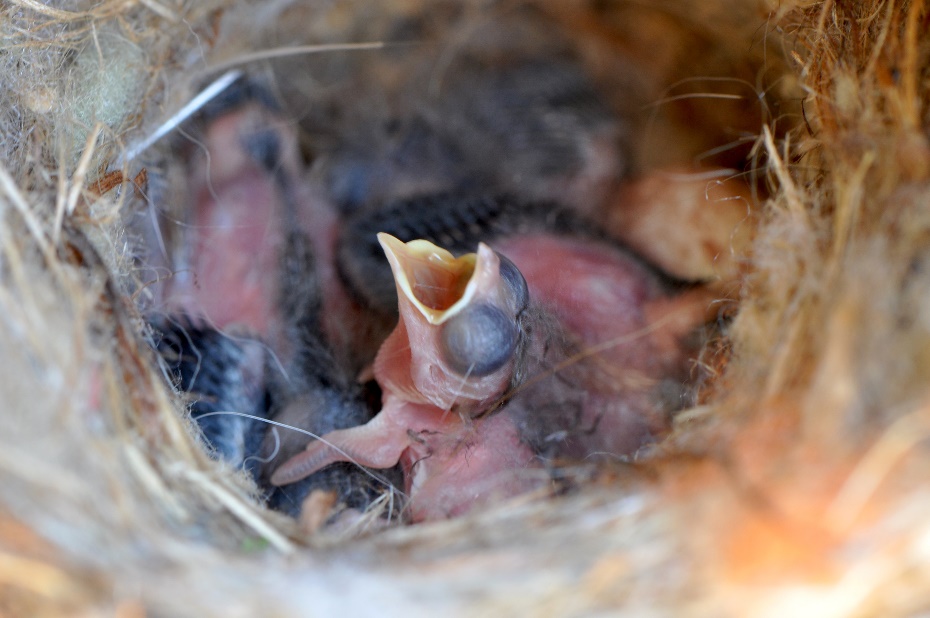
Feeding tools and technique
Rehabilitators may use tweezers, feeding forceps, soft tipped tools, or specialized syringes. The tool and technique depend on the bird.
Some birds open their mouths when they see movement near the nest. Others do not. A bird that does not gape may be stressed, chilled, injured, or too young to feed safely.
A professional never treats feeding as a race. They use small, suitable portions and watch the bird’s breathing, swallowing, posture, and crop. If food enters the airway, the bird may cough, click, struggle, or become weak.
How to feed a baby bird in an emergency
If a rehabilitator tells you to provide temporary care, follow their instructions exactly. Ask for the bird’s species, food type, portion size, feeding schedule, and safe technique.
Write down the instructions. Stress can make it easy to forget details.
Until you receive guidance:
- Place the bird in a ventilated box.
- Keep it warm, dark, and quiet.
- Keep pets and children away.
- Do not give water by mouth.
- Do not force food.
- Arrange transport to a rehabilitator as soon as possible.

A wildlife professional may tell you to offer food only if the bird is alert, warm, and able to swallow. They may also tell you to stop feeding before transport so the bird can be examined safely.
Do not delay professional care because the bird appears calm. Birds often hide illness until they are very weak.
Common mistakes to avoid
Many people want to help and make a mistake because they act quickly. That instinct is kind, but baby birds need the right kind of help.
The most common errors include:
- Taking a healthy fledgling away from its parents
- Giving water into the beak
- Feeding bread or milk
- Holding the bird too often
- Keeping the bird in a noisy room
- Using a cage with wide bars
- Giving food meant for a different species
- Waiting several days before calling for help
- Posting online instead of contacting a trained rescuer
- Trying to raise a wild bird as a pet

One practical lesson stands out: less handling is usually better. The box should feel like a quiet shelter, not a classroom or play area.
Also, do not try to teach a wild bird to fly inside your home. Flight training requires space, safe perches, species knowledge, and a proper release plan.
What to do if you cannot find a rehabilitator
Start with your state wildlife agency or fish and wildlife department. Many agencies list licensed rehabilitators by county.
You can also contact:
- A local animal control department
- A veterinary clinic
- A bird rescue group
- A nature center
- A wildlife hospital
- An emergency animal service
Explain what happened in clear terms. Tell them the bird’s location, size, feather stage, visible injuries, contact with cats or dogs, and what you have already done.

Do not mail or transport a wild bird without instructions. Some species are protected by federal or state law, and certain birds require special permits. A licensed rehabilitator can explain the legal and medical limits of temporary care.
How to identify a baby bird’s species
Correct identification can improve emergency advice. Take a photo from a safe angle, but do not chase or handle the bird for a picture.
Look at:
- Body size
- Feather color and pattern
- Beak shape
- Leg length
- Foot shape
- Nest location
- Adult birds nearby
- The bird’s call
- Whether it hops, perches, swims, or flies
A large hooked beak may suggest a bird of prey. A long, narrow beak may suggest a nectar or insect feeding species. These clues are useful, but they are not enough to create a safe feeding plan.
If the bird is a duckling, goose, gull, raptor, heron, hummingbird, or other specialized species, seek expert help quickly. These birds can have very specific diets and handling needs.
How to support baby birds safely outdoors
The safest way to help many baby birds is to protect their environment.
Keep cats indoors, especially during spring and summer. If you see a fledgling in a yard, keep dogs on a leash and give the family space.
You can also:
- Check trees for active nests before trimming
- Keep windows visible with screens or decals
- Avoid pesticides around nesting areas
- Keep outdoor lights low at night
- Leave natural shrubs and ground cover available
- Watch for loose string, fishing line, and plastic waste
Healthy habitat gives parent birds more chances to feed and protect their young. In many cases, preventing danger is more helpful than learning how to feed a baby bird by hand.
Personal lessons from helping wildlife
A common rescue lesson is that a small bird can look helpless while still having a very capable parent nearby. People often bring fledglings indoors because the bird cannot fly well. Yet short flights and awkward hops are normal parts of learning.
Another important lesson is that good intentions do not replace species knowledge. A well meaning person may offer water or bread, but this can create more danger than leaving the bird warm and contacting a professional.
The best approach is calm and simple: observe, protect, reunite when possible, and call for expert help when needed. That plan gives the bird its best chance without turning a short emergency into a long period of stress.
Frequently Asked Questions About How to Feed a Baby Bird
What should I feed a baby bird?
Do not choose food until you know the species and have spoken with a wildlife rehabilitator. Bread, milk, and water by mouth can cause serious problems.
Can I give a baby bird water?
Do not pour or drip water into a baby bird’s beak. It can enter the lungs, so ask a rehabilitator how to manage hydration safely.
How often should you feed a baby bird?
Feeding schedules vary by species, age, health, and diet. A licensed rehabilitator should provide the exact schedule and portion size.
What do baby birds eat?
Some baby birds eat insects, while others need seeds, fruit, fish, or whole prey. Parent birds provide species specific food, so one general diet is not safe for every baby bird.
Will a mother bird reject her baby if I touch it?
No. Most parent birds do not abandon a baby because a person touched it. Return a healthy nestling to its nest, then leave the area so the parents can come back.
How can I tell if a baby bird is abandoned?
A bird is not abandoned simply because it is alone. Watch from far away for one to two hours, unless the bird is injured, cold, or in immediate danger.
Can I keep a wild baby bird as a pet?
Wild birds are not suitable pets, and keeping one may be illegal without a permit. Contact a licensed wildlife rehabilitator so the bird can receive proper care and a chance to return to the wild.
Conclusion
Knowing how to feed a baby bird begins with knowing when not to feed it. Observe first, protect the bird from danger, return healthy young birds to their parents, and contact a licensed wildlife rehabilitator for injured or truly orphaned birds.
Avoid bread, milk, forced water, and guesswork. If you find a baby bird today, keep it warm and quiet while you seek expert advice. Explore your local wildlife agency’s rescue resources, and share this guide with anyone who may need to help a wild bird.