Most newborns use 8 to 12 diapers daily, while older babies often use 5 to 8.
Knowing how many diapers a baby uses in a day helps you plan shopping, pack a diaper bag, and understand your baby’s feeding and hydration. The number changes with age, feeding method, health, and bowel habits. This guide explains normal diaper use, wet diaper targets, warning signs, cost planning, and simple ways to avoid running out.
How Many Diapers Does a Baby Use in a Day?
Most babies use between 6 and 10 disposable diapers per day. Newborns often need more because they eat often and have small bladders. During the first weeks, 8 to 12 diapers a day is common.
As babies grow, they usually need fewer diapers. Their bladder holds more, and they may have fewer bowel movements. A healthy older infant may use about 5 to 8 diapers in 24 hours.
Here is a simple age-based guide:
| Baby’s age | Typical diapers per day |
|---|---|
| First week | 6 to 12 |
| 1 to 4 weeks | 8 to 12 |
| 1 to 5 months | 6 to 10 |
| 6 to 12 months | 5 to 8 |
| Toddler stage | 4 to 6 |
These are estimates, not strict rules. Some babies poop after nearly every feeding, while others may go several days between bowel movements, especially after the newborn stage.
When parents ask how many diapers a baby uses in a day, I recommend looking at the full pattern rather than one number. Wet diapers, feeding, behavior, weight gain, and stool changes all give useful clues.

Diaper Use During the First Week
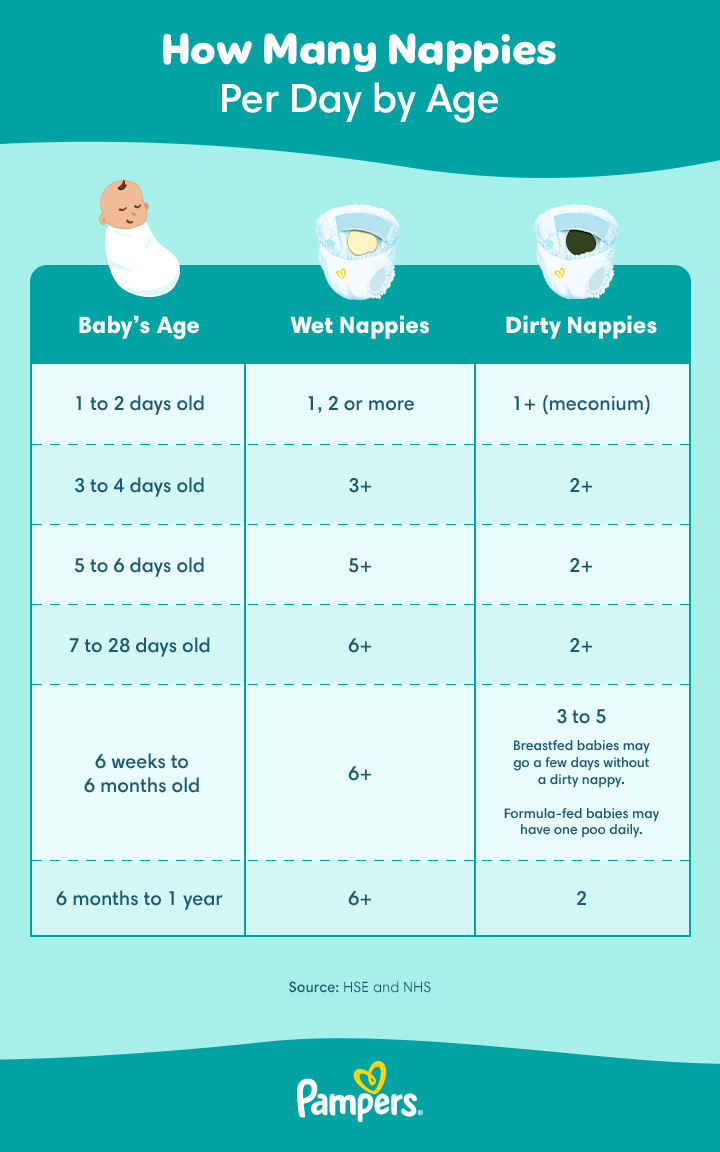
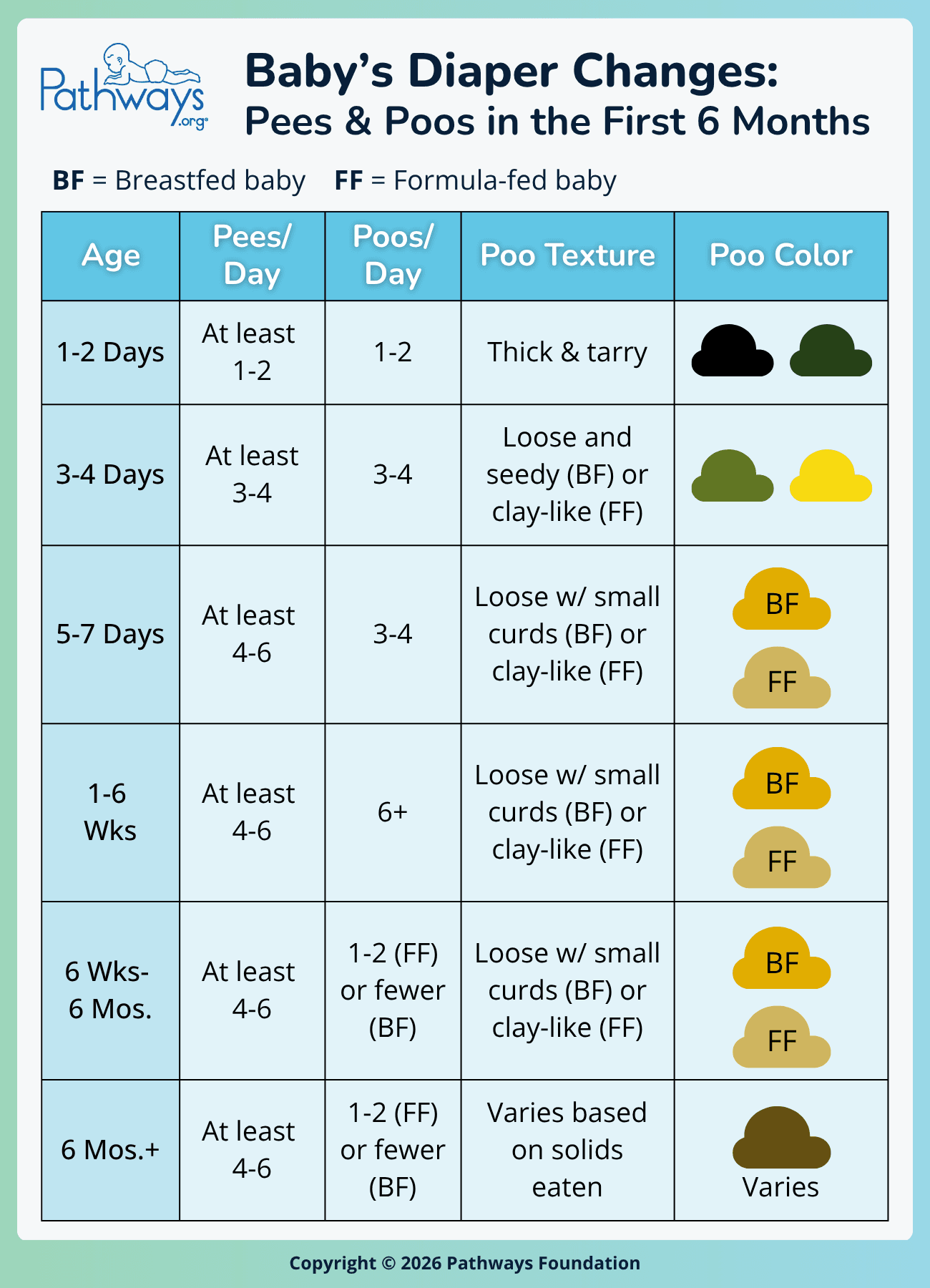
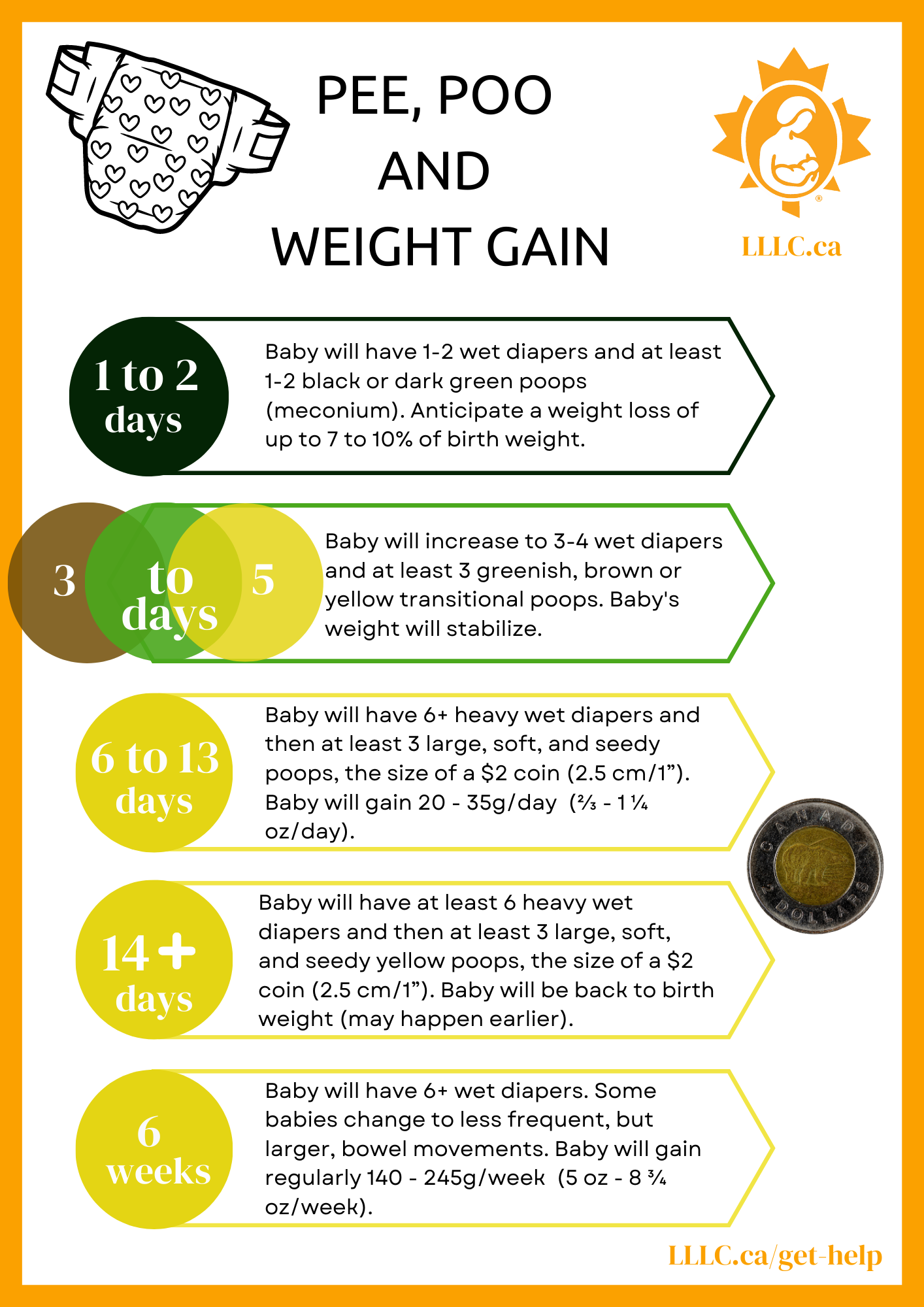
The first few days can look different from the rest of the newborn period. A baby may have only one wet diaper on the first day, two on the second day, and three on the third day. Wet diaper counts often rise as milk intake increases.
A common guide is:
• Day 1: At least 1 wet diaper
• Day 2: At least 2 wet diapers
• Day 3: At least 3 wet diapers
• Day 4: At least 4 wet diapers
• Day 5 and after: About 5 to 6 or more wet diapers each day
Newborn stools also change color. Early stools are dark and sticky. They then become greenish and later yellow or brown as feeding becomes established.
If your baby has fewer wet diapers than expected, seems very sleepy, has a dry mouth, or feeds poorly, contact a pediatrician promptly. A newborn’s diaper pattern can offer an early sign that more feeding support is needed.
Wet Diapers Versus Dirty Diapers
A wet diaper contains urine. A dirty diaper contains stool. These counts matter for different reasons.
Wet diapers are one useful sign of hydration. Dirty diapers mainly show bowel activity, which can vary greatly among healthy babies. A breastfed newborn may stool several times a day, while an older breastfed baby may sometimes go days without a bowel movement.
When tracking how many diapers a baby uses in a day, count wet diapers separately from dirty diapers. A diaper with both urine and stool counts as one diaper, but record it in both categories if you are keeping notes.
A baby may have:
• Six wet diapers and three dirty diapers
• Eight wet diapers and one dirty diaper
• Six wet diapers and no stool for a day or two after the early newborn period
These patterns can all be normal in the right context. Hard, dry stools, blood in the stool, a swollen belly, or obvious pain should be discussed with a health professional.

How Diaper Use Changes by Age
Newborns from birth to 1 month
Newborns usually use the most diapers. They feed often, sometimes every two to three hours, and may stool after many feeds. Plan for 8 to 12 diapers each day, with extra supplies for spit-up, leaks, and messy changes.
Babies from 1 to 5 months
Diaper use often settles at about 6 to 10 per day. Some babies still use 10 or more, especially during growth spurts or illness. A steady supply of wet diapers is more important than matching an exact daily average.
Babies from 6 to 12 months
Many babies use about 5 to 8 diapers each day. Solid foods may change stool smell, color, and texture, but they do not always reduce wet diaper needs at once.
Toddlers
Toddlers may use 4 to 6 diapers each day, depending on size, drinking habits, naps, and toilet training. Pull-ups and diapers should still be changed often to reduce skin irritation.
These age ranges explain why how many diapers a baby uses in a day is not a fixed number. Growth changes the answer over time.

What Affects How Many Diapers a Baby Uses in a Day?
Several normal factors can change diaper use. A baby who drinks more milk may wet more diapers. A baby who sleeps for a longer stretch may have fewer changes at night.
Important factors include:
• Age and bladder size
• Breastfeeding or formula feeding
• Milk supply and feeding volume
• Hot weather and fluid loss
• Illness, fever, vomiting, or diarrhea
• How often caregivers change diapers
• Diaper absorbency and fit
• Stool patterns
• Daycare routines and overnight sleep
Breastfed babies may stool more often in the early weeks. Formula-fed babies can have firmer stools and may follow a different bowel pattern. Neither pattern alone proves that one baby is healthier.
Diaper absorbency also affects the count. Some caregivers change at every small wetness, while others use a highly absorbent diaper for a longer period. Even so, diapers should not be left on for long periods when they are soiled or very full.
How Many Diapers Should You Buy?
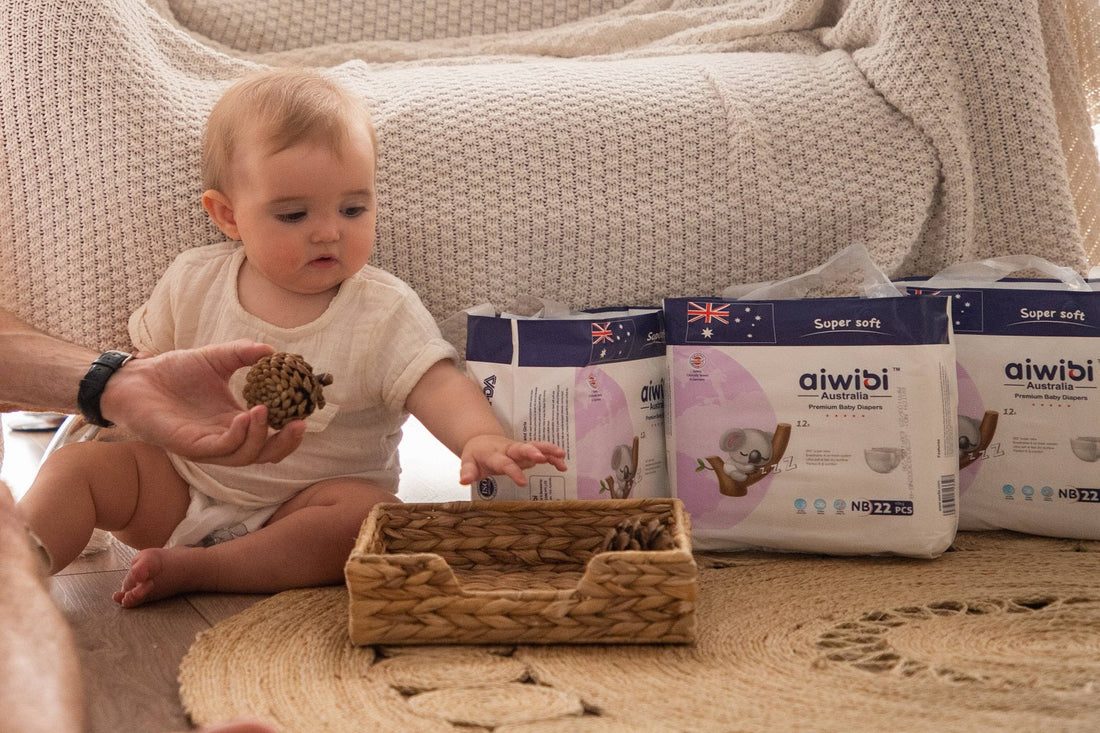
For a newborn, keep at least 60 to 84 diapers at home if you expect to use 8 to 12 per day. This gives you about one week of supplies, though many families prefer a larger backup.
A practical shopping plan may look like this:
• Newborn size: Buy a small pack first because some babies outgrow it quickly.
• Size 1: Keep one or two large boxes available.
• Size 2 and larger: Buy more once you know the brand and fit your baby needs.
• Wipes: Keep extra packs in the nursery, diaper bag, car, and living area.
• Overnight supplies: Use a more absorbent option if your baby sleeps for longer periods.
Avoid buying too many diapers in one size. Babies grow at different speeds, and a large box may become unusable if the fit changes. Store diapers in a dry place away from heat and moisture.
If you use cloth diapers, plan for about 20 to 30 diapers for full-time use. This amount allows for frequent changes and regular washing. You may need more if you wash less often or want extra diapers for travel.

Disposable Diapers and Cloth Diapers
Disposable diapers are convenient and easy to use during travel, childcare, and nighttime. They also make it simple to see when a diaper is wet or soiled.
Cloth diapers can reduce long-term waste and may lower costs when washed efficiently. However, they require an upfront purchase, regular laundry, storage space, and careful cleaning.
A cloth diaper routine often includes:
- Changing the diaper every two to three hours during the day
- Changing it right away after a bowel movement
- Using a safe washing routine recommended by the manufacturer
- Keeping clean diapers fully dry before storage
- Watching for detergent buildup or lingering odor
There is no single best choice for every family. Some parents use cloth at home and disposable diapers for travel or overnight use. The best system is one that keeps your baby clean, dry, and comfortable.
How Often Should You Change a Baby’s Diaper?
Change a wet diaper regularly and change a dirty diaper as soon as possible. Many newborns need a change every two to three hours, with more frequent changes after feeding or a bowel movement.
At night, you may not need to wake a healthy older baby for every small wet diaper. Newborns and babies with feeding or weight concerns may need a different plan from their pediatrician.
Use these simple signs:
• Change immediately after stool appears.
• Change when the diaper feels heavy or full.
• Check during nighttime feeds.
• Check after naps and long car rides.
• Change sooner if the skin looks red or irritated.
A clean diaper is not only about comfort. Frequent changes help lower the risk of diaper rash, especially when stool touches the skin.
Diaper Rash Prevention Tips
Diaper rash often comes from moisture, friction, stool, or irritation from products. Even with excellent care, some babies have sensitive skin or develop a rash during illness or antibiotic use.
Helpful steps include:
• Change wet or dirty diapers often.
• Clean gently with warm water or fragrance-free wipes.
• Pat the skin dry instead of rubbing.
• Apply a thin barrier cream when redness begins.
• Give short periods of diaper-free time when practical.
• Avoid scented products if your baby has sensitive skin.
• Make sure the diaper is snug but not tight.
Call a pediatrician if the rash spreads, blisters, bleeds, has pus, causes fever, or does not improve after a few days of basic care. Yeast rashes may need a specific treatment and can look bright red with small spots around the edges.
Signs Your Baby May Not Be Getting Enough Fluids
Diaper numbers are helpful, but they are not a complete medical test. A baby’s age, feeding method, illness, and usual pattern all matter.
Contact a health professional if your baby has:
• Fewer wet diapers than usual
• Very dark urine or reddish urine crystals after the early newborn period
• A dry mouth or no tears when crying
• Unusual sleepiness or weakness
• Repeated vomiting or diarrhea
• Poor feeding or trouble staying awake to eat
• A sunken soft spot on the head
For newborns, a sudden drop in wet diapers deserves prompt attention. Do not give water, juice, or oral rehydration products to a young baby unless a medical professional tells you to do so.
Parents often worry after one dry stretch. One missed diaper does not always signal a problem, but a repeated pattern does. When in doubt, write down feedings and diaper changes and share the record with your pediatrician.
Common Mistakes Parents Make
Many new parents try to follow an exact number. That can create stress because babies do not follow a perfect schedule.
Common mistakes include:
• Comparing your baby with another baby
• Counting only dirty diapers
• Waiting too long after a bowel movement
• Buying too many diapers in one size
• Choosing a diaper that is too tight
• Ignoring leaks caused by poor fit
• Changing brands often without checking skin reactions
• Assuming fewer diapers are normal during illness
The most useful habit is simple tracking. For the first weeks, note wet diapers, stools, feeds, and unusual behavior. You do not need a complex app; a paper note on the refrigerator can work well.
A common real-life lesson is that diaper planning works best with a buffer. New parents often pack exactly the number they expect to use, then face a blowout, a missed change, or an unexpected delay. Carry two or three more diapers than your estimate for short trips.
Frequently Asked Questions About How Many Diapers Does a Baby Use in a Day
How many diapers does a newborn use in a day?
A newborn commonly uses 8 to 12 diapers per day. In the first few days, the number of wet diapers may be lower and should gradually increase as feeding improves.
How many wet diapers should a 1-month-old have?
Many 1-month-old babies have about 5 to 6 or more wet diapers in 24 hours. Your baby’s usual pattern, feeding, weight gain, and behavior also matter.
Is it normal for a baby to use only five diapers a day?
Five diapers may be normal for an older baby if they are very wet and the baby feeds well, acts alert, and grows as expected. For a young newborn, five diapers may be less than expected, so ask a pediatrician for guidance.
Do breastfed babies use more diapers than formula-fed babies?
Breastfed newborns may stool more often, which can lead to more diaper changes. Wet diaper patterns vary, so feeding method alone does not determine how many diapers a baby uses in a day.
How many cloth diapers does a baby need per day?
A baby may use about 8 to 12 cloth diapers per day during the newborn stage. Most families need 20 to 30 cloth diapers total to allow for washing, drying, and backup supplies.
Should I change my baby’s diaper overnight?
Change a diaper after a bowel movement and when it is very wet or causing discomfort. Newborns may need changes during night feeds, while older babies can often sleep through a small wet diaper if their skin stays dry and healthy.
When should I call a doctor about diaper changes?
Call a health professional if wet diapers drop sharply, your baby feeds poorly, seems unusually sleepy, has repeated vomiting, or shows signs of dehydration. Newborns with fewer wet diapers than expected should be assessed promptly.
Conclusion
Most newborns use 8 to 12 diapers each day, while older babies often use 5 to 8. Wet diaper counts are more useful for tracking hydration, while stool frequency can vary widely. Age, feeding, health, diaper fit, and change habits all affect the daily total.
Keep a small supply buffer, change dirty diapers promptly, and watch your baby’s normal pattern. If diaper output drops or your baby seems unwell, contact a pediatrician rather than relying on a general average. For more practical baby-care guidance, explore trusted pediatric resources and share your own diaper-planning tips in the comments.