
If you are having a baby in the United States, you may be asking, “Should I circumcise my baby?” There is no single right answer for every family. Circumcision is an elective procedure for most healthy newborn boys, and parents must weigh medical evidence, family values, cultural beliefs, cost, and their doctor’s advice.
The American Academy of Pediatrics (AAP) has stated that the health benefits of newborn circumcision are greater than the risks, but the benefits are not large enough to recommend circumcision for every baby. The Centers for Disease Control and Prevention (CDC) also describes potential health benefits but does not call for routine circumcision of all newborns.
This guide explains what circumcision involves, its possible benefits and risks, when it should be delayed, and how to make a safe decision with your baby’s clinician.

What is newborn circumcision?
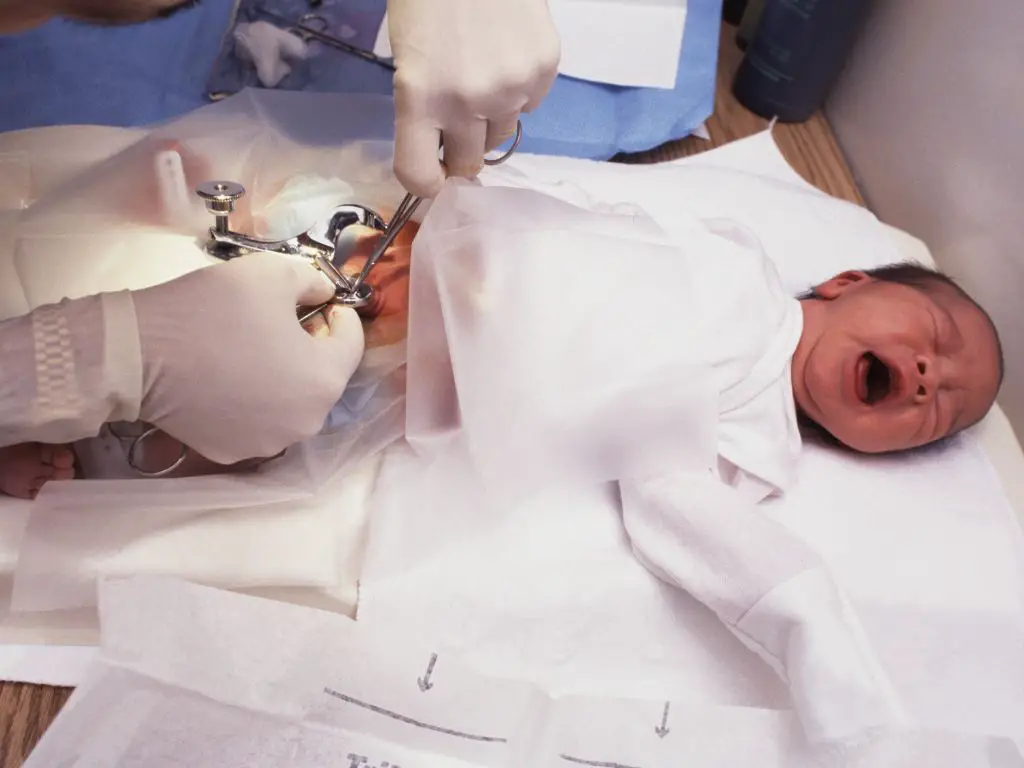
Newborn circumcision removes the foreskin, the fold of skin that covers the head of the penis. A trained clinician usually performs the procedure during the first days after birth.


In U.S. hospitals, common devices include the Gomco clamp, Mogen clamp, and Plastibell device. The clinician uses local anesthesia to reduce pain. The exact steps depend on the device, the baby’s age, and the clinician’s training.
Circumcision is different from a procedure needed to treat a medical problem. Most newborn circumcisions are elective, which means parents choose whether to have the procedure even though the baby does not need it to survive or stay healthy.
A circumcised penis has no foreskin over the glans, or head of the penis. An uncircumcised penis keeps the foreskin. Both forms can be normal and healthy.

What do major U.S. medical groups say?
The AAP says the possible health benefits of newborn circumcision include a lower risk of urinary tract infection during infancy, some sexually transmitted infections later in life, and penile cancer. However, the AAP says the benefits are not great enough to recommend routine circumcision for every newborn.
The CDC reports similar potential benefits. It notes that circumcision may reduce the risk of HIV and some other infections in heterosexual men, based mainly on studies from parts of Africa. Those findings may not apply fully to U.S. families, where infection rates, health care access, and sexual health practices differ.
The American College of Obstetricians and Gynecologists (ACOG) directs parents to the AAP’s guidance. In practice, U.S. medical groups generally support parents making an informed choice rather than requiring circumcision for all baby boys.
The decision is also shaped by state and hospital policy. Some hospitals perform circumcision before discharge. Others require a separate request, a consent form, or an outpatient visit. Ask your obstetrician, pediatrician, or hospital before labor if you are considering it.
What are the possible benefits of circumcision?
Circumcision may provide some health benefits, but the size of the benefit depends on the condition and the child’s later health risks.
Fewer urinary tract infections in infancy
Research suggests that circumcised boys have a lower risk of urinary tract infection (UTI), especially during the first year of life. UTIs are still uncommon in healthy boys, so the absolute benefit for one baby is small.


For example, if a condition is uncommon, cutting its risk in half may prevent some cases but will not prevent illness in most babies. Your pediatrician can explain how this applies to your child.
Lower risk of some infections later in life
Circumcision may lower the risk of some sexually transmitted infections, including HIV, human papillomavirus (HPV), and herpes simplex virus. The strongest evidence for HIV prevention comes from randomized studies in adult men in sub-Saharan Africa.
Circumcision does not prevent HIV or other infections by itself. Condoms, testing, vaccination against HPV and hepatitis B, and safer sex practices remain important.
Lower risk of some foreskin problems
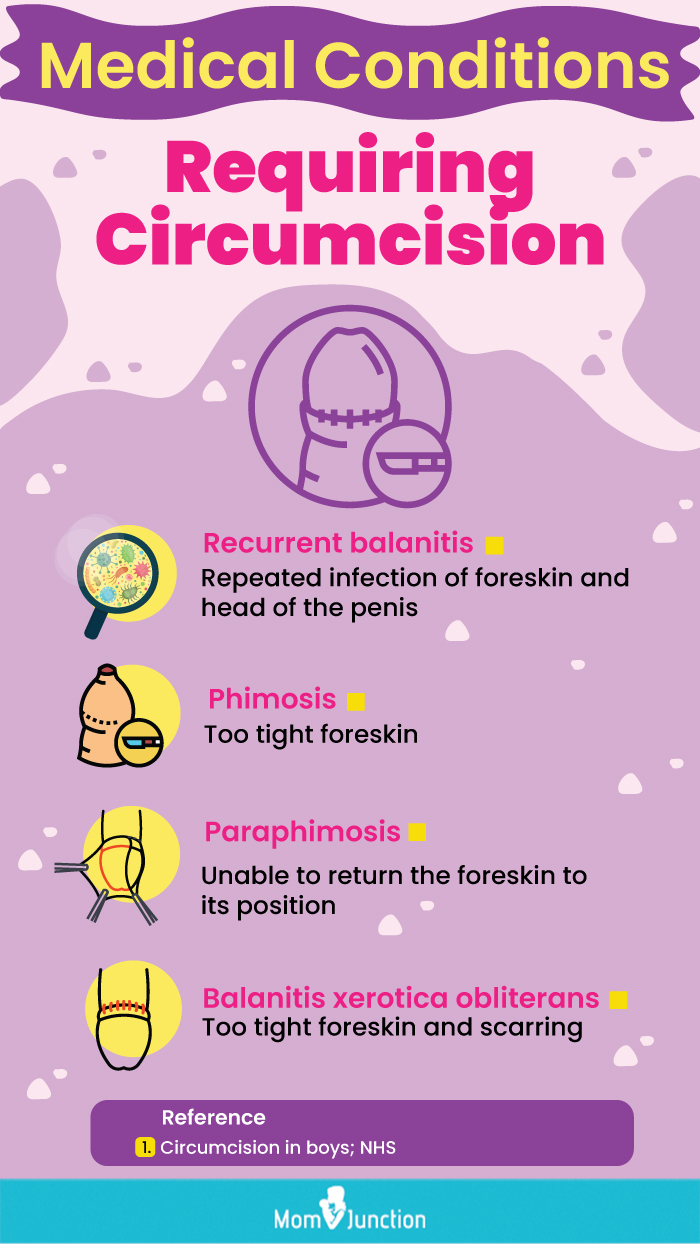
Circumcision prevents certain conditions involving the foreskin, such as phimosis that does not improve with treatment. Phimosis means the foreskin cannot be pulled back. In babies and young children, a foreskin that does not retract is usually normal and should not be forced.
Some boys who are not circumcised later develop inflammation, scarring, or repeated infections. These problems can often be treated without circumcision, but some cases may require surgery.
Very low risk of penile cancer
Circumcision is linked with a lower risk of penile cancer. However, penile cancer is rare in the United States. This means the possible benefit for an individual baby is very small.
Circumcision is not a substitute for HPV vaccination, which helps prevent HPV-related cancers and other disease.

What are the risks and downsides?
Newborn circumcision is usually safe when performed by a trained clinician, but it is still a surgical procedure.
Pain
Babies feel pain during medical procedures. Local anesthetic, such as a nerve block or topical numbing medicine, can reduce pain. It does not always remove every sensation.
Ask the clinician:
- What type of anesthesia will be used?
- How long does pain relief last?
- What comfort measures will be used during and after the procedure?
- What signs of pain should parents watch for?
Do not give your baby acetaminophen, ibuprofen, or another medicine unless a clinician tells you the correct medicine and dose. Ibuprofen is not used in very young infants unless specifically directed.
Bleeding
A small amount of spotting can be normal. Significant bleeding is uncommon but can require treatment.
Ask what amount of bleeding is expected. If blood continues to spread, drips, or soaks the diaper, contact the clinician or seek urgent care.
Infection
Infection is uncommon when the area is kept clean and the procedure is done correctly. Warning signs include spreading redness, swelling that gets worse, pus, a bad smell, fever, poor feeding, or unusual sleepiness.
A newborn with a rectal temperature of 100.4°F (38°C) or higher needs prompt medical evaluation. Call your baby’s clinician right away or follow the hospital’s emergency instructions.


Injury or an unsatisfactory result
Rare complications include injury to the penis, too much or too little skin removed, adhesions, or narrowing of the urinary opening. The risk is higher when the penis has an unusual shape or a hidden penis.
This is one reason a clinician should examine the baby before circumcision. If the anatomy is not typical, a pediatric urologist may need to assess the baby first.
Cost and access
Newborn circumcision may be covered by private insurance, Medicaid, or another plan, but coverage differs by state and policy. Some families pay out of pocket.
Ask about:
- The total charge
- Anesthesia or facility fees
- Whether the procedure is covered
- The deadline for newborn circumcision
- Costs if the procedure must be done later

When should circumcision be delayed or avoided?
A newborn should not be circumcised until a clinician checks for health or anatomy concerns that could make the procedure unsafe.
Circumcision may be delayed when a baby:
- Was born prematurely and is not medically stable
- Has a bleeding disorder or a family history of one
- Has jaundice or another illness needing evaluation
- Has a penis that looks unusual
- Has hypospadias, in which the urinary opening is not at the tip
- Has chordee, which is a downward curve of the penis
- Has a buried or concealed penis
- Has a small or incomplete foreskin
- Needs urgent medical care for another condition
If a baby has hypospadias or another penile difference, the foreskin may be needed for a later repair. Do not circumcise before a qualified clinician examines the penis.
A family history of unusual bleeding matters even if the baby appears well. Tell the care team if a parent, sibling, grandparent, or close relative has hemophilia, von Willebrand disease, or unexplained bleeding after surgery.

How do I decide whether to circumcise my baby?
Use a shared decision process rather than trying to find one universal answer.
1. Learn the medical facts
Ask your baby’s clinician about the likely benefits and risks for your child. Request clear numbers when possible. “Lower risk” is less useful than learning how common the condition is before and after circumcision.
2. Consider your family’s values
Families may consider:
- Religious or cultural beliefs
- Personal preferences
- Family tradition
- Concerns about body autonomy
- The appearance of the penis
- Whether future care will be easier in your household
These are personal decisions. A parent does not need to defend a thoughtful choice as long as the baby receives safe care.
3. Think about timing
Newborn circumcision is usually simpler than circumcision later in childhood. If parents decide against it, circumcision can usually be considered later if a medical need develops. Later procedures may require more anesthesia and may have different costs and recovery needs.


If you want circumcision before leaving the hospital, ask about it during prenatal care. Some hospitals have a short time window after birth.
4. Ask how an uncircumcised penis is cared for
Care is simple:
- Wash the outside with warm water.
- Do not pull back the foreskin.
- Change diapers often.
- Use the cleaning method recommended by the baby’s clinician.
- Let the foreskin loosen on its own over time.
The foreskin may not retract for years. Never force it back. Forced retraction can cause pain, bleeding, and scarring.
5. Ask how a circumcision wound is cared for
Follow the discharge instructions. Depending on the device, care may include applying petroleum jelly and changing diapers often. A Plastibell ring should fall off on its own; do not pull it off.
Call the clinician if the ring falls off too early, does not fall off within the advised time, the baby cannot urinate, or bleeding continues.

Questions to ask before signing consent
Bring these questions to your obstetrician, pediatrician, or hospital team:
- Who will perform the circumcision?
- How often does this clinician perform newborn circumcisions?
- What pain relief will my baby receive?
- What device will be used?
- What complications should prompt a call?
- Who should we contact after discharge?
- Will the procedure be done before discharge?
- What will it cost, and will insurance cover it?
- Does my baby have any condition that makes circumcision unsafe?
- What care will the wound need at home?
You can also ask whether your baby received vitamin K. In the United States, vitamin K at birth helps prevent serious bleeding in newborns. It is not a substitute for checking family bleeding history, but it is part of routine newborn safety care.

What is normal after circumcision?
Mild redness, swelling, and a small amount of blood may be normal during early healing. The penis may look tender, and a yellow coating can develop as the wound heals. Your discharge instructions should explain what to expect for the device used.
Contact your baby’s clinician promptly if you notice:
- Bleeding that does not stop with gentle pressure
- No wet diaper within the expected time
- Trouble passing urine
- Severe swelling
- Increasing redness
- Pus or a foul smell
- Fever
- Poor feeding or unusual weakness
- A ring that moves onto the penis or does not come off as directed
For urgent symptoms, use the emergency department or call 911. Do not wait for a routine appointment if your newborn has trouble breathing, is difficult to wake, or has uncontrolled bleeding.
Common mistakes parents should avoid
The most common care mistake is pulling back an uncircumcised baby’s foreskin. It is attached to the glans at birth and separates naturally over time.
Other mistakes include:
- Assuming circumcision removes all infection risk
- Skipping pain relief because the baby is very young
- Giving medicine without a clinician’s dose instructions
- Applying creams, powders, or home remedies not recommended by the care team
- Waiting to ask about anatomy until the day of the procedure
- Ignoring continued bleeding or trouble urinating
- Comparing healing with photos from another baby


Every baby heals at a different pace. Use the instructions from the clinician who performed the procedure.

Key takeaways
- Circumcision is usually an elective choice for a healthy newborn in the United States.
- The AAP and CDC describe possible health benefits but do not require routine circumcision for every baby.
- Benefits include lower risks of some UTIs, foreskin problems, and infections later in life.
- Risks include pain, bleeding, infection, and rare injury.
- A clinician should examine the baby before circumcision, especially if the penis looks unusual or there is a family history of bleeding.
- Never force back an uncircumcised baby’s foreskin.
- Ask about anesthesia, timing, cost, follow-up care, and warning signs before you give consent.
Frequently asked questions
Is circumcision medically necessary for a newborn?
Usually, no. Most healthy newborn boys do not need circumcision to urinate, grow, or stay healthy. It may later become medically recommended for certain conditions, such as severe scarring or repeated foreskin infections.
Is circumcision painful for a baby?
Yes, the procedure can cause pain. Local anesthesia and comfort measures can reduce it. Ask the clinician what pain control will be used before the procedure begins.
Can an uncircumcised baby be clean and healthy?
Yes. Clean the outside of the penis and do not force the foreskin back. When the foreskin becomes retractable, your child can learn to gently retract it, rinse underneath, and replace it.
Does circumcision prevent sexually transmitted infections?
It may lower the risk of some infections, but it does not provide complete protection. Condoms, testing, HPV vaccination, and other safer-sex practices remain important.
Can circumcision be done later?
Yes, but the procedure, anesthesia, cost, and recovery may differ by age. If you are unsure, ask your pediatrician about the benefits and trade-offs of waiting.
Who should I ask for personal advice?
Ask your obstetrician, pediatrician, family doctor, or a pediatric urologist. A clinician who examines your baby can identify anatomy or health concerns that general information cannot.
Conclusion
Whether to circumcise your baby is a personal health decision, not a test of good parenting. In the United States, major medical groups recognize possible benefits but do not recommend routine circumcision for every newborn.
The safest next step is to discuss the choice before delivery, confirm that your baby has no condition that makes circumcision unsafe, and ask how pain control, aftercare, warning signs, and costs will be handled. Then make the choice that fits your family’s medical situation and values.
Sources for further reading
- American Academy of Pediatrics: Circumcision
- CDC: Information for Providers to Share with Male Patients and Parents Regarding Male Circumcision and the Prevention of HIV Infection, STIs, and Other Health Outcomes
- American College of Obstetricians and Gynecologists: Newborn Male Circumcision
- American Academy of Pediatrics: Prevention and Management of Pain in the Neonate
