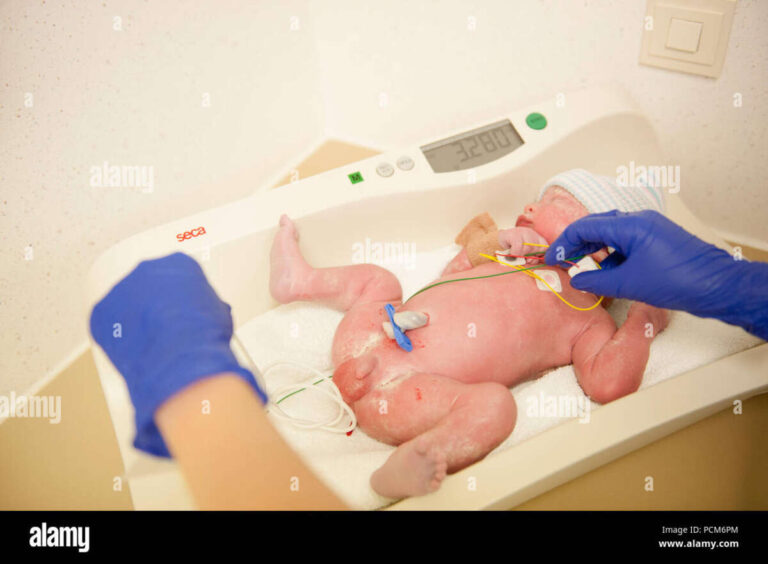
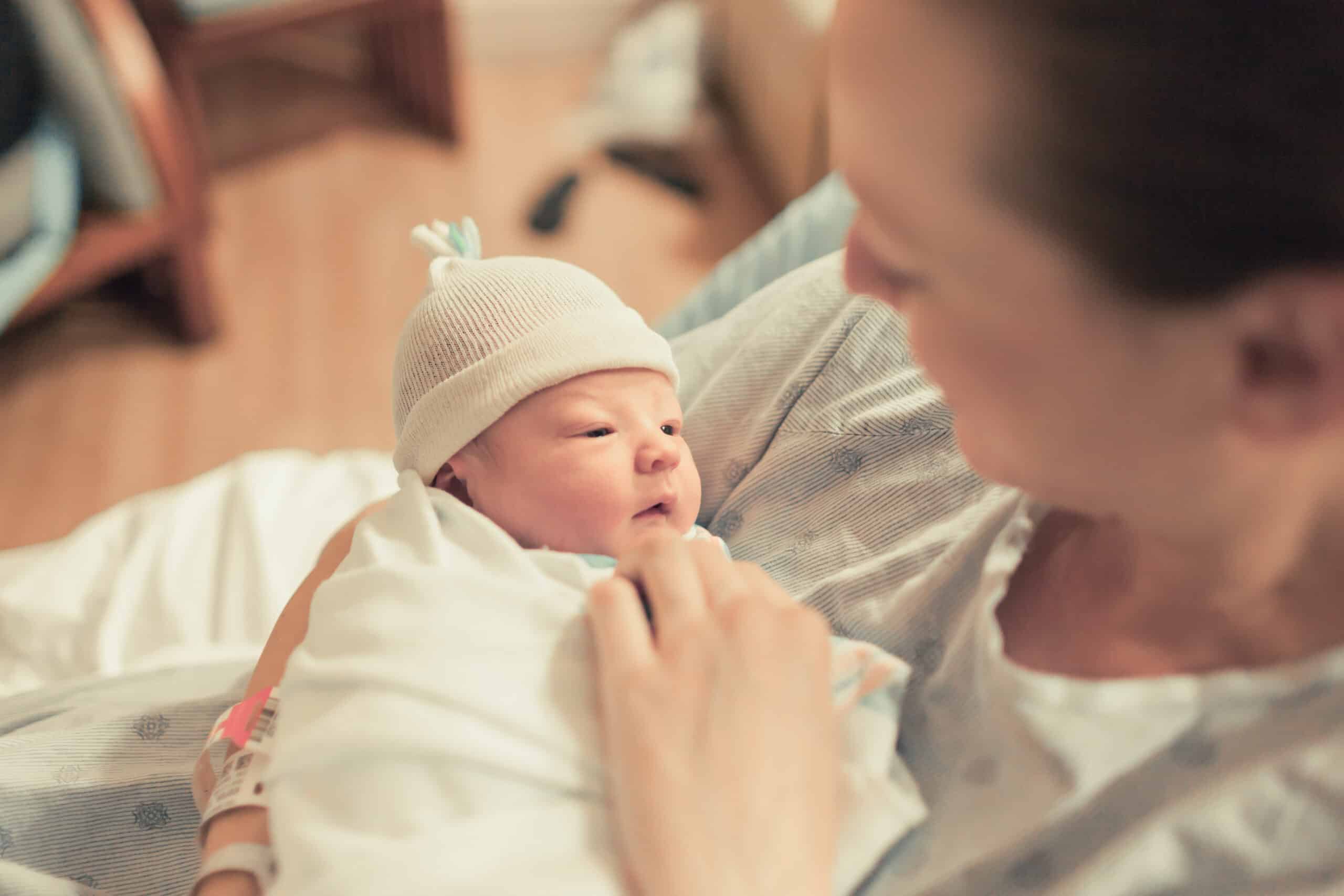
A baby is medically considered a newborn from birth through the first 28 days of life.
The answer to “how long is a baby considered a newborn” depends on context. Doctors use a clear 28-day period, while parents may use “newborn” for the first two or even three months. This guide explains the difference, what changes during each stage, and how to care for your baby with confidence.
How long is a baby considered a newborn medically?
In medical care, a newborn is a baby from birth until 28 completed days of life. This period is also called the neonatal period.
So, if your baby is born on June 1, the newborn period usually ends at the end of June 28. On June 29, your baby is 29 days old and has moved beyond the strict medical newborn stage.
The medical definition matters because the first month brings fast changes. A newborn’s breathing, feeding, body temperature, sleep, and immune system need close attention. Health professionals also use this time frame when discussing newborn screening, early checkups, and certain health risks.
The simple answer to how long is a baby considered a newborn is 28 days. Still, the word can have a wider meaning in daily life.
The difference between medical and everyday use
Many parents call their baby a newborn for longer than 28 days. This is normal and understandable. A 6-week-old baby may still sleep often, feed around the clock, and need full support for movement and head control.
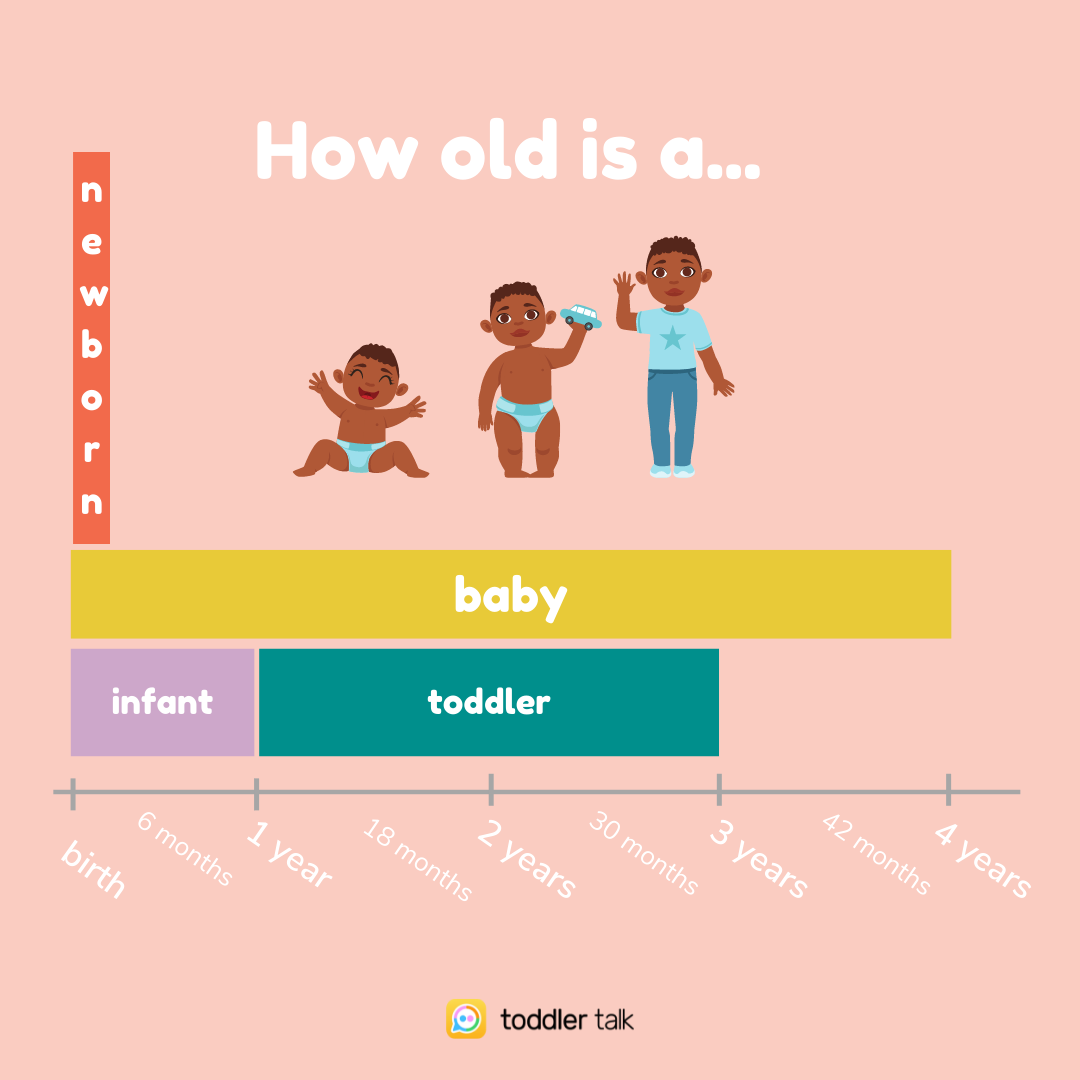
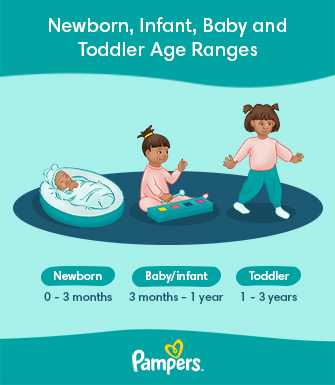
In everyday speech, newborn often means a baby in the first 2 to 3 months. Some baby-care brands and parenting guides use the term for the first 12 weeks. This broader use reflects how slowly new routines can develop, not a change in the medical definition.
Here is a simple comparison:
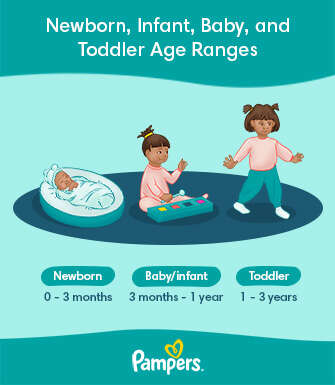
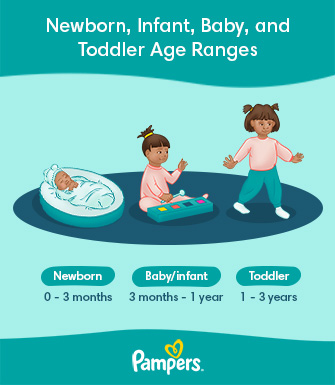
• Medical newborn: Birth through 28 days
• Early infancy: About 1 to 3 months
• Infant: Birth through 12 months
• Young infant: Often used for babies under 3 months, depending on the health setting
This is why two people may give different answers to how long is a baby considered a newborn. Both may be correct if they are using different definitions.

What happens during the newborn period?
The newborn period is a major adjustment for both baby and parent. Your baby is moving from a warm, quiet womb into a world with light, noise, touch, and changing temperatures.
During these first weeks, many babies:
• Sleep about 14 to 17 hours in a 24-hour period, though sleep patterns vary
• Wake often to feed
• Have short periods of alertness
• Startle at loud sounds or sudden movement
• Move their arms and legs in an unsteady way
• Need help keeping their head and neck steady
• Lose a small amount of weight after birth and then begin gaining it back
• Have irregular breathing patterns while asleep
Newborn behavior can feel unpredictable. One day may seem calm, while the next includes frequent feeding and little sleep. This does not always mean something is wrong. Newborns have small stomachs and immature sleep rhythms, so their needs can change from hour to hour.
A useful way to view this stage is to think of it as a soft landing. Your baby is not expected to follow a schedule right away. Feeding, holding, soothing, and safe sleep are the main goals.
Important newborn milestones by age
Knowing what often happens at each point can make the first weeks less confusing. Babies develop at different rates, so these ranges are guides, not tests.
Birth to 7 days
In the first week, your baby may sleep most of the day and wake mainly to feed. Your baby may also have mild skin peeling, a small amount of jaundice, or brief periods of fussiness.
The umbilical cord stump usually dries and changes color before it falls off. Keep it clean and dry, and follow the care instructions given by your health care professional.
1 to 2 weeks
Many babies begin returning to their birth weight by about 10 to 14 days. Some take longer, especially if they were born early or had feeding problems.
You may notice more alert moments. Your baby may briefly look at your face, respond to your voice, or settle when held close.
3 to 4 weeks
By the end of the first month, some babies have slightly longer periods of wakefulness. Feeding may feel more familiar, but night waking is still common.
Your baby may turn toward a sound or follow a face for a short time. Strong movements and reflexes are still expected.
1 to 3 months
At this point, many parents stop using the word newborn, even though their baby still needs similar care. Babies may begin smiling in response to people, making more sounds, and showing better head control.
These changes help explain why how long is a baby considered a newborn has both a medical and social answer. The body follows one timeline, while family language often follows another.
Newborn care during the first 28 days
Newborn care focuses on basic needs and careful observation. You do not need a perfect routine. You need safe habits that you can repeat every day.
Feeding
Most newborns feed often. Breastfed babies may nurse 8 to 12 times in 24 hours, while formula-fed babies often eat smaller amounts at regular intervals. Your baby’s health professional can help you understand feeding amounts, wet diapers, and weight gain.
Signs that feeding may be going well include:
• Regular wet diapers after the first several days
• Audible swallowing during breast or bottle feeding
• A baby who seems satisfied after some feeds
• Steady weight gain over time
Never force a baby to finish a bottle. Also, avoid giving water, juice, cereal, or solid food unless a pediatric professional tells you to do so.
Safe sleep
Place your baby on their back for every sleep. Use a firm, flat sleep surface with a fitted sheet and keep pillows, loose blankets, toys, and bumper pads out of the sleep area.
Room sharing without bed sharing can lower sleep-related risks. A baby should not sleep on a couch, recliner, or adult bed, even for a short nap.
Temperature and clothing
Dress your baby in about one more layer than you are wearing in the same room. Check the chest or back of the neck rather than relying only on hands and feet, which can feel cool even when the baby is comfortable.
Avoid overheating. Heavy blankets, hats indoors, and very warm rooms can raise risk during sleep.
Cord and skin care
Keep the umbilical cord stump dry unless your clinician gives different advice. Call your baby’s health professional if the area becomes red, swollen, painful, or starts to drain pus.
Newborn skin can be dry, blotchy, or covered with small spots. Gentle washing with warm water and mild products is usually enough. Ask for advice before using medicated creams.
When should you call a health care professional?
Newborns can become ill quickly, and symptoms may be subtle. Trust your instincts. If your baby seems much different from usual, call your pediatrician or another qualified health professional.
Seek urgent medical advice for:
• A rectal temperature of 100.4°F (38°C) or higher in a baby younger than 3 months
• Trouble breathing, grunting, chest pulling, or blue or gray lips
• Extreme sleepiness, limpness, or difficulty waking for feeds
• Repeated vomiting, especially green vomit
• Very poor feeding or refusal to feed
• Much fewer wet diapers than expected
• A seizure or unusual stiffening
• Yellow skin that is getting worse or spreading quickly
For babies under 28 days, fever is especially serious. Do not give fever medicine to a newborn unless a health professional provides the correct product and dose.
This is one reason the answer to how long is a baby considered a newborn matters. The first 28 days are a distinct medical period, and warning signs deserve prompt attention.
Do premature babies remain newborns longer?
A premature baby is born before 37 completed weeks of pregnancy. Premature babies may need extra support with breathing, feeding, body temperature, and weight gain.
Medically, the neonatal period still refers to the first 28 days after birth. However, doctors may also discuss corrected age when reviewing development. Corrected age adjusts for how early the baby was born.
For example, a baby born 8 weeks early may be 4 months old by birth date but about 2 months corrected age. Corrected age can help clinicians judge growth and milestones more fairly.
The rules can vary based on the baby’s medical needs. Always follow the plan from your neonatal or pediatric care team rather than comparing your baby with a full-term baby.

How the newborn stage differs from later infancy
The newborn stage is mostly about survival, adjustment, and close care. Later infancy brings more interaction, movement, and social development.
During the first month, babies rely heavily on reflexes. Later, they may gain better head control, smile socially, make more sounds, and show interest in toys and faces.
The change is gradual. Your baby does not stop being a newborn in personality or need on one exact morning. The medical label changes at 28 days, but your baby may still feel very new to you for many weeks.
Parents often worry that their baby is not following the same pattern as another baby. A better approach is to watch steady progress and attend regular checkups. Development has a range, and your child’s health professional can help you understand what is typical.
Common mistakes new parents can avoid
The early weeks are tiring, so simple reminders can help.
• Do not place a baby on their stomach to sleep, even if they seem to sleep better that way.
• Do not use loose bedding, sleep positioners, or weighted sleep products.
• Do not wait for a newborn to become severely ill before calling for help.
• Do not compare one baby’s feeding or sleep pattern too closely with another’s.
• Do not skip postpartum care for yourself. A recovering parent also needs medical and emotional support.
• Do not assume every cry means hunger. Babies may cry from tiredness, gas, temperature changes, overstimulation, or the need for comfort.
A practical lesson many new families learn is that preparation helps, but flexibility matters more. Keep diapers, feeding supplies, and contact numbers close. Accept help with meals, laundry, and rest when it is offered.
It is also fine to ask the same question more than once. Sleep loss can make even familiar information hard to remember.

What health visits happen during the newborn stage?
Newborn checkups often take place within the first few days after leaving the hospital and again during the first weeks. The exact schedule depends on your baby’s health, feeding, weight, and birth history.
At these visits, a clinician may check:
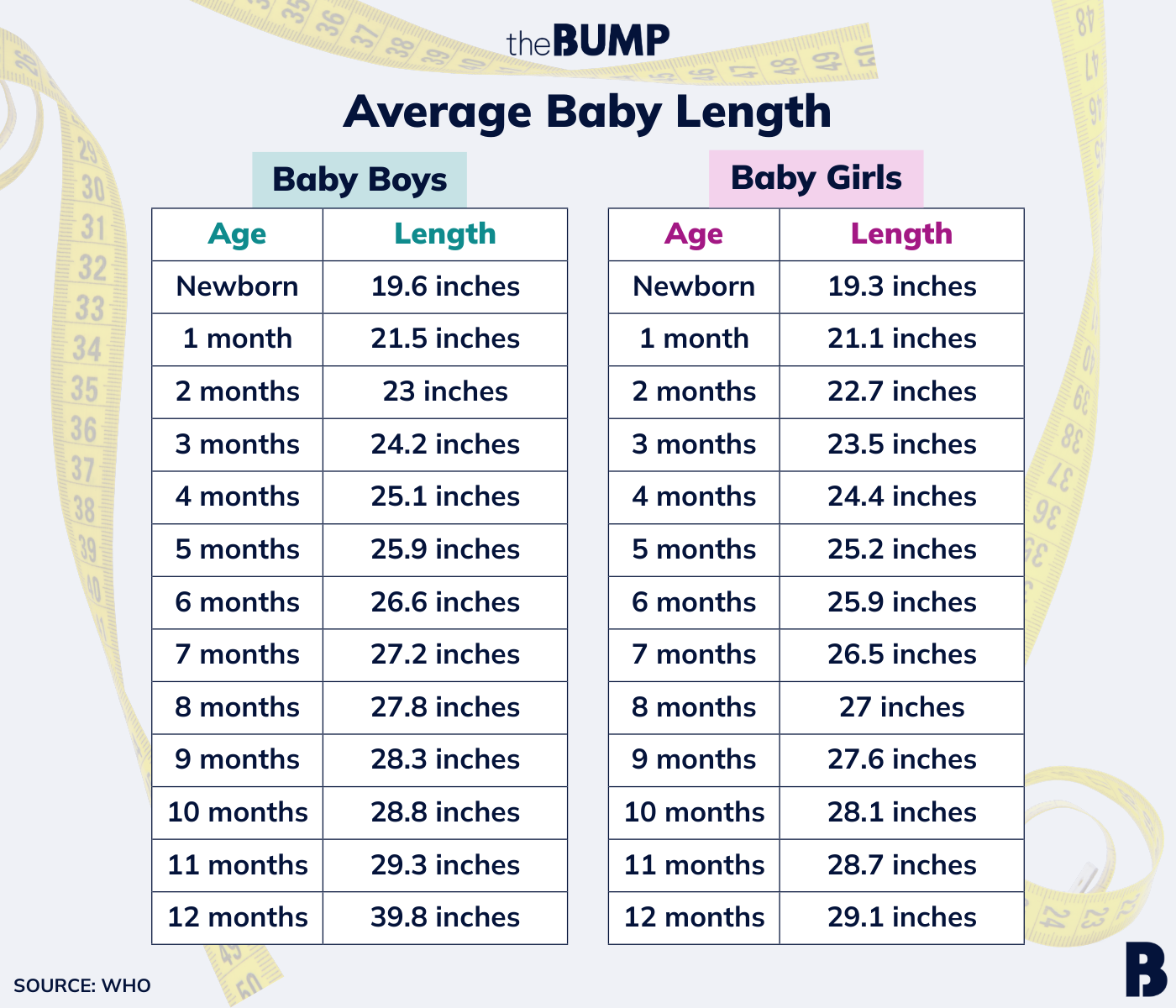
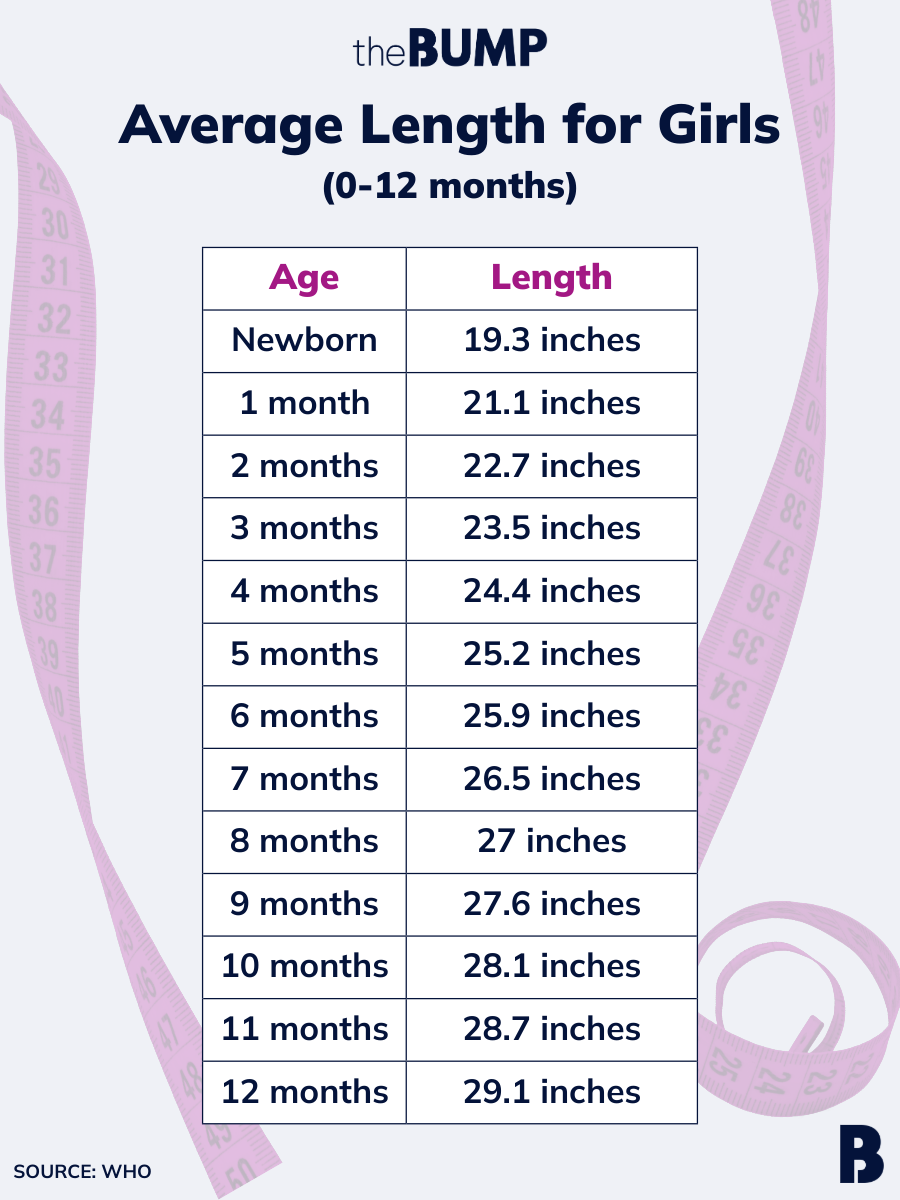
• Weight, length, and head growth
• Feeding and diaper patterns
• Jaundice
• Heart and lung sounds
• Muscle tone and reflexes
• The umbilical cord
• Hearing and newborn screening results
• Immunizations and vitamin needs
In the United States, newborn screening commonly includes tests for certain serious conditions. Hearing screening and screening for critical congenital heart disease are also routine in many birth settings.
Keep a short record of feeds, wet diapers, medicines, questions, and symptoms. This can make visits more useful and help you notice changes.
How long is a baby considered a newborn for clothing and products?
Clothing labels often use “newborn” for size, not age. A newborn-size outfit may fit a small baby for only a few weeks, while another baby may outgrow it at birth.
Check the weight range on the label. Fit matters more than the word newborn. Clothing should not restrict breathing, movement, or feeding.
For car seats, follow the manufacturer’s height and weight limits. Use a rear-facing car seat from the first ride, and never place a rear-facing seat in front of an active air bag.
The same idea applies to diapers, bassinets, and bottles. Product terms are often marketing categories, while medical guidance uses age, weight, development, and health status.
Frequently Asked Questions About How Long Is a Baby Considered a Newborn
Is a 2-month-old still a newborn?
Medically, no. A baby is a newborn through the first 28 days, but many parents use the word for the first 2 to 3 months because the baby still needs newborn-style care.
Is a 6-week-old baby a newborn?
A 6-week-old baby is not a newborn under the strict medical definition. However, it is common to describe a 6-week-old as a very young baby or to use newborn in casual conversation.
What is the newborn stage?
The newborn stage is the first 28 days after birth. It is a time of rapid adjustment, frequent feeding, irregular sleep, and close monitoring for health concerns.
When does a baby stop being a newborn?
A baby stops being a newborn medically after completing 28 days of life. Families may continue using the term for several more weeks because development and daily care change gradually.
Does a premature baby stay a newborn longer?
The medical newborn period still ends 28 days after birth. A premature baby may need specialized care for longer, and clinicians may use corrected age to assess development.
How often should a newborn eat?
Many newborns breastfeed 8 to 12 times in 24 hours, while formula-fed babies often eat at regular intervals. Feeding needs vary, so use diaper output, weight checks, and advice from your baby’s health professional.
[CodeImg not added because this is the FAQ section.]
Conclusion
A baby is medically considered a newborn from birth through 28 days. In everyday language, parents may use newborn for the first 2 or 3 months, which explains why the answer to how long is a baby considered a newborn can vary.
Focus on safe sleep, regular feeding, newborn checkups, and early attention to warning signs. Your baby does not need a perfect parent or a perfect schedule. They need safe care, close observation, and support from trusted health professionals.
Save this guide for the early weeks, share it with another new parent, and speak with your pediatrician whenever something does not feel right.