A baby room is most commonly called a "nursery" — the dedicated space for infant care.
As a parent, designer, and child-safety consultant with years of hands-on experience, I’ll walk you through what "what's the baby room called" means, why the name matters, and how the term shapes how we plan, design, and use that space. This article explains common names, cultural differences, practical setup tips, safety must-dos, design ideas, and real-world lessons I’ve learned from setting up dozens of nurseries. Read on to learn everything about what's the baby room called and how to make that room calm, safe, and nurturing.
What is a baby room called?
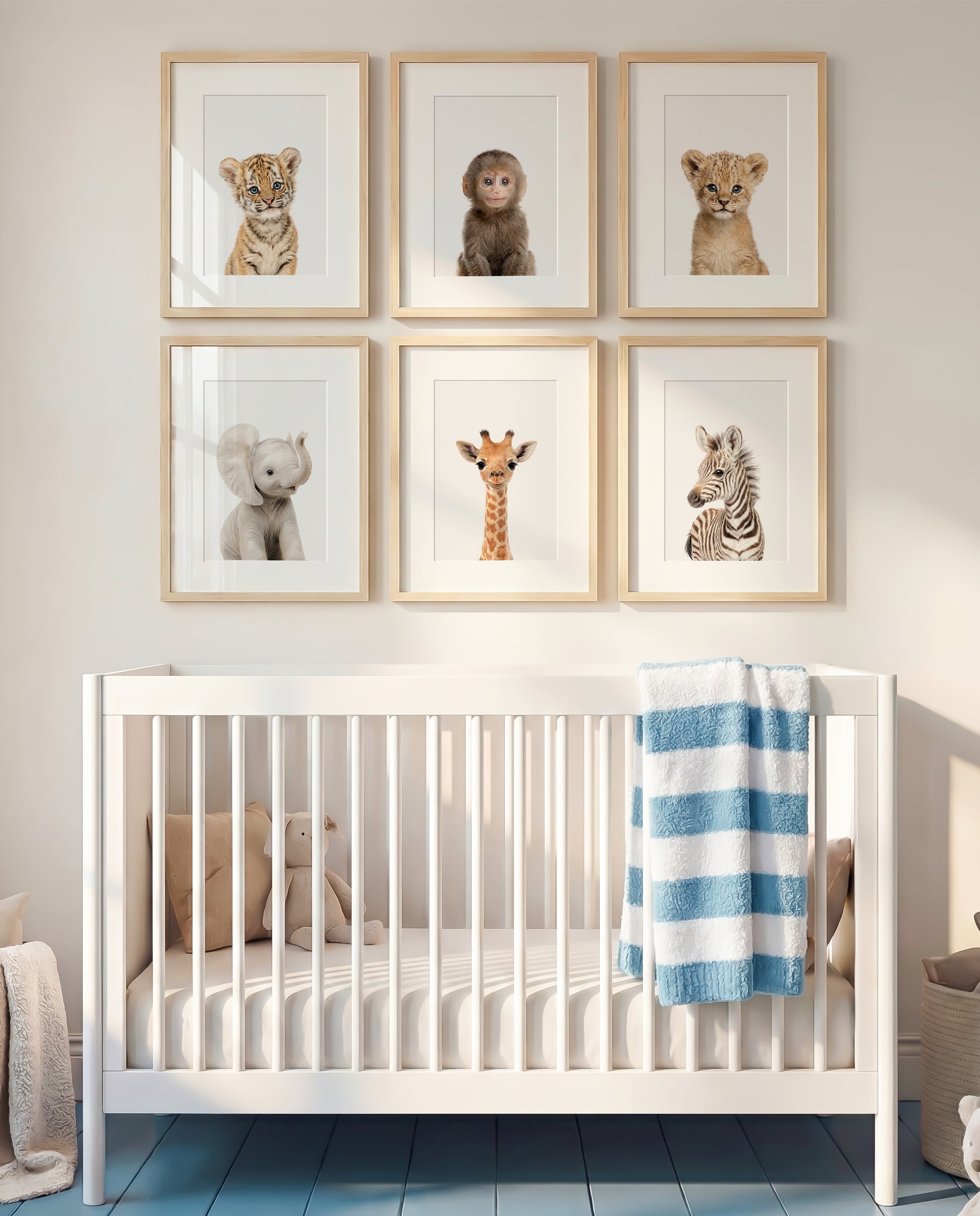
A baby room is most often called a nursery. Parents, caregivers, and professionals use "nursery" to refer to the room where an infant sleeps, feeds, and plays. The term covers a wide range of spaces. It can be a small corner of a shared room or a fully dedicated bedroom.
Why the name matters:
- It frames the room’s purpose. Saying "nursery" signals baby-focused design and safety.
- It guides choices for furniture and layout. A "nursery" implies a crib, changing area, and storage.
- It affects expectations for function. A "nursery" prioritizes sleep and caregiving.
When people ask "what's the baby room called," they usually mean the nursery, but other terms pop up too. We’ll cover those next.

Common names and regional variations
Different families and regions use different names for the baby room. Knowing these helps you find the right resources and design ideas.
-
Nursery
The most common and widely used term in English-speaking countries. -
Baby’s room or baby room
A simple, direct label used by many parents. -
Infant room
Often used in daycare settings or formal contexts. -
Crèche or daycare room
Used in parts of Europe and in childcare centers. -
Children’s bedroom or toddler room
Used as the child grows and the room’s function changes.
Cultural context matters. In some households, the baby sleeps in the parents’ bedroom for months. That setup may still be called the nursery even if it’s a corner of another room. When searching online for ideas, try these variations if you don’t find what you need with the phrase what's the baby room called.

Purpose and benefits of a nursery
A nursery serves clear and practical goals. Knowing them helps you design a room that supports baby and caregiver.
-
Sleep and routine
A dedicated room helps cue sleep. Consistent placement of crib, light, and sound supports bedtime routines. -
Safety and supervision
A room built for baby reduces hazards. You can childproof more easily in a single space. -
Storage and organization
Diapers, clothes, and gear need a home. A nursery keeps supplies handy and tidy. -
Development and play
A nursery offers age-appropriate toys, textures, and books. That supports milestones.
Benefits are both practical and emotional. A calm nursery can lower stress for caregivers and help babies feel secure. If you're wondering what's the baby room called in your plans, think about these purposes first. They guide every design and gear choice.
Essential furniture and safety checklist
When setting up the nursery, prioritize safety and functionality. This short checklist covers essentials.
-
Crib or bassinet
Choose a sturdy model that meets current safety standards. Avoid drop-side rails. -
Firm sleep surface and fitted sheets
Use a firm mattress. Keep the crib free of pillows, bumpers, and loose bedding. -
Changing station or dresser with changing pad
Keep supplies within reach and never leave baby unattended during changes. -
Comfortable feeding chair or glider
A supportive chair makes night feeds easier and safer. -
Storage solutions
Shelves, baskets, and a dresser help keep things organized and accessible. -
Baby monitor and night light
Monitor placement should give a clear line of sight. Use soft lighting for night checks. -
Safety gear
Outlet covers, cabinet locks, cordless window treatments, and corner bumpers are key.
Safety tips from experience:
- Register products and read recalls when buying gear.
- Keep cords and small objects out of reach.
- Place the crib away from windows and heaters.
These items answer the practical side of what's the baby room called — it’s not just a label. It’s the space you build for care and safety.
Design tips for comfort and development
Design matters, but it should be simple. A few focused choices go far.
-
Choose calming colors
Soft tones support sleep. Avoid bright, overstimulating hues near the crib. -
Create zones
Designate areas for sleep, changing, and play. This helps routine and reduces clutter. -
Use durable and washable materials
Babies make messes. Washable fabrics save time and stress. -
Consider lighting and sound
Dimmer switches and blackout curtains help regulate sleep. A white-noise machine can soothe. -
Add tactile and visual stimuli
A mobile, soft rug, and safe books support development. Rotate toys to keep interest. -
Plan for growth
Use convertible furniture or flexible storage. The nursery will evolve as baby grows.
When people ask what's the baby room called, they often want design ideas. These basics make the nursery both pretty and purposeful.

Common mistakes and how to avoid them
Avoiding common pitfalls saves time and increases safety. Here are mistakes I’ve seen and how to fix them.
-
Overfilling the crib
Too many toys or blankets increase SIDS risk. Keep the crib bare except for a fitted sheet. -
Buying unused fancy gear
Don’t overspend on single-use items. Choose items with multiple uses or high resale value. -
Ignoring ventilation and temperature
A room too hot or cold is risky. Aim for a comfortable temperature and airflow. -
Poor placement of monitors or cords
Place monitors securely and keep cords away from reach. -
Too many sharp corners or unsecured furniture
Anchor dressers and shelves to the wall and use rounded corners where possible.
These mistakes answer "what's the baby room called" in practical terms. A well-designed nursery avoids these issues.
Personal experience and lessons learned
I’ve set up many nurseries for clients and for my own family. A few clear lessons stand out.
-
Start simple
The first nursery I made was overloaded. I learned less is more. A crib, changing spot, and chair were enough. -
Prioritize sleep routine
Establish a bedtime ritual early. It helped my babies settle faster and sleep longer. -
Test gear before baby arrives
Assemble and place everything months ahead. It saves stress later. -
Buy flexible pieces
A convertible crib and a dresser that doubles as a changing table paid off. You avoid wasted purchases. -
Trust your instincts
Practical beats trendy. If a setup feels unsafe or awkward, change it.
These are real, usable tips from hands-on experience. When people search "what's the baby room called," they want practical answers. These tips deliver them.

Quick answers: common user questions (PAA-style)
What is the main difference between a nursery and a baby room?
A nursery usually implies a dedicated space planned for infant care, with safety and sleep needs prioritized. A "baby room" can be any area used for a baby, including a corner of a shared room.
Can a nursery be in the parents' bedroom?
Yes. Many families start with a bassinet in the parents' room for convenience and safety. Transition to a separate nursery when both parents and baby are ready.
When should a baby move to their own nursery?
Most families move the baby between 3 and 6 months, but timing depends on family preferences and sleep patterns. Safety and a consistent routine matter more than an exact age.

Frequently Asked Questions of what's the baby room called
What is another name for a nursery?
Another common name is "baby’s room" or simply "baby room." In childcare settings, "infant room" or "crèche" may be used.
Is the nursery the same as a baby’s bedroom?
Yes, a nursery and a baby’s bedroom are essentially the same, though "nursery" often implies a specially equipped space for infant care.
Do I need a separate room for a baby?
You don’t need a separate room. Many families use a bassinet in the parents’ bedroom for the first months. A dedicated nursery is helpful but not required.
What should be in a newborn's room?
Essentials include a safe sleep space, changing area, storage for clothes and diapers, a comfortable chair for feeding, and basic baby-proofing items.
How do I name my baby’s room for décor themes?
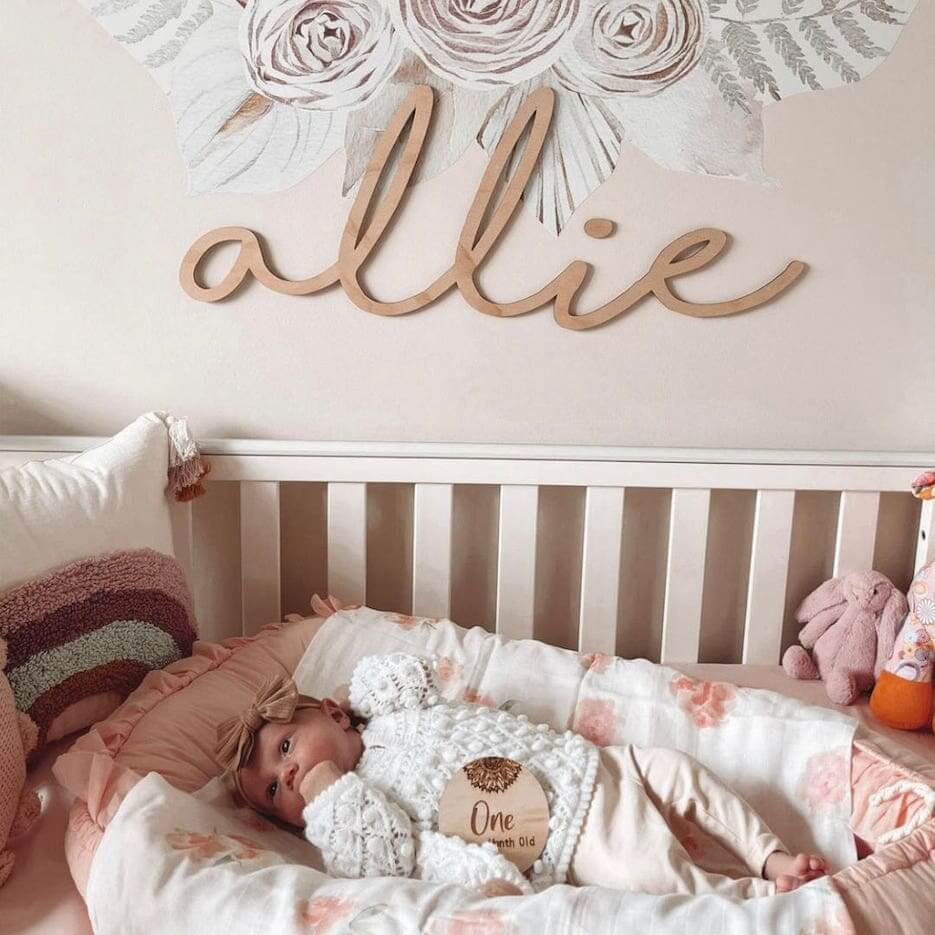
Use simple themes like animals, nature, or colors. Let utility lead design, then add a theme with textiles and wall art to keep things calm and cohesive.
Can a nursery be eco-friendly?
Yes. Choose low-VOC paints, organic bedding, and sustainably made furniture. These choices create a healthier nursery environment.
How do I make a small room work as a nursery?
Use vertical storage, compact furniture, and multifunctional pieces like dressers with changing tops. Create clear zones to reduce clutter and improve flow.
Conclusion
A baby room is most often called a nursery. The name shapes how you plan safety, sleep, and daily care. Focus on simple, safe choices. Prioritize sleep routines, essential gear, and flexible design. Small, thoughtful steps make a big difference for baby and caregivers.
Takeaway: Start with safety and routine, then add comfort and style. If you’re planning a nursery, test setups, buy flexible pieces, and keep the crib bare for sleep. Share your thoughts or questions below, subscribe for more tips, or try one simple change today to make the nursery calmer and safer.