Introduction
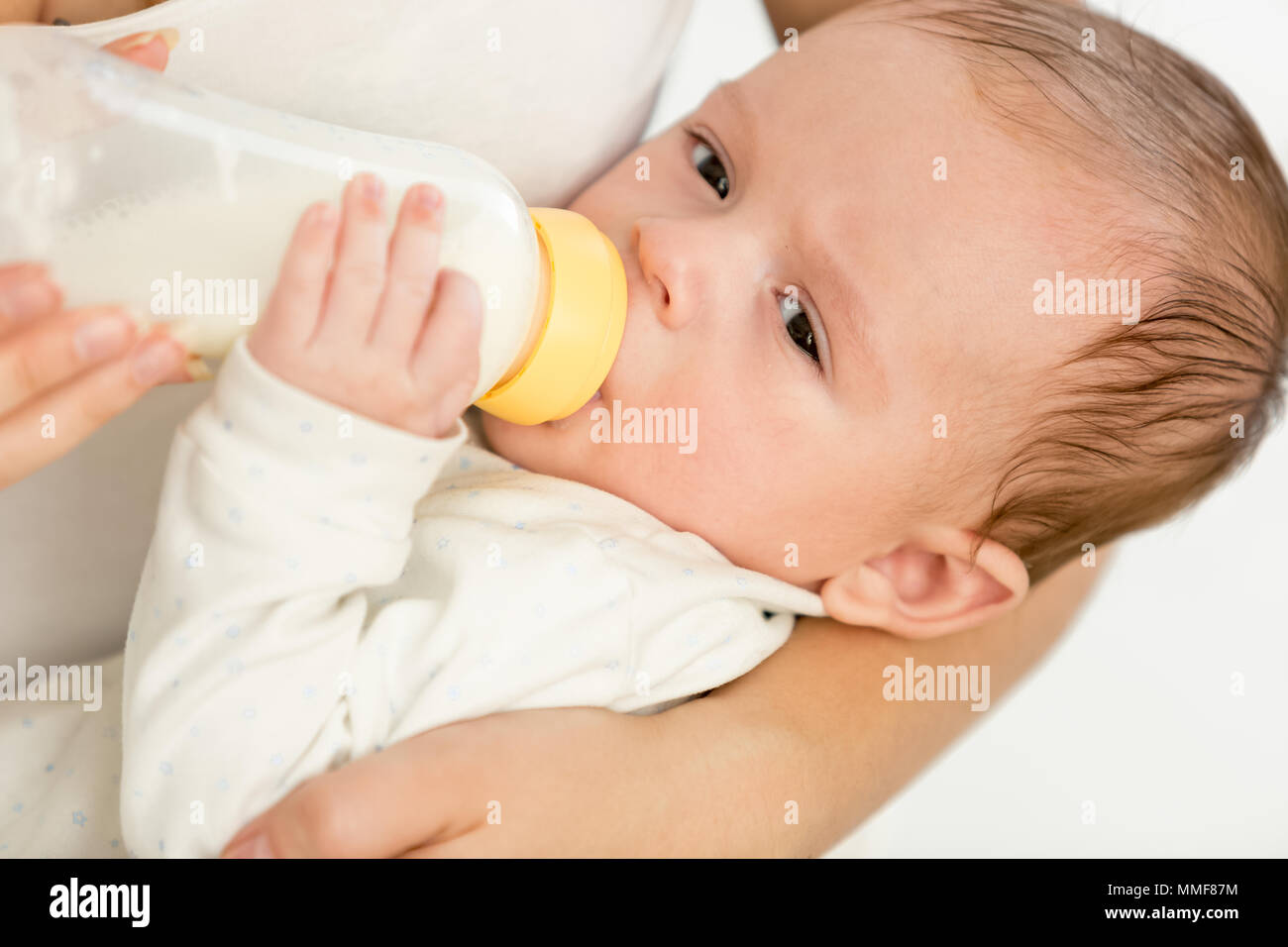
A 3-month-old may take a bottle more easily when they are calm, slightly hungry, and fed by someone other than the nursing parent. Start with small, relaxed practice sessions. Use a slow-flow nipple, hold your baby upright, and let your baby control the pace.
Do not force the bottle or wait until your baby is very hungry. A baby who cries hard may have trouble learning a new way to eat. Most babies need several short tries before bottle-feeding feels normal.
This guide is for families in the United States. It follows general guidance from the American Academy of Pediatrics, the CDC, and U.S. infant-feeding resources. Your pediatrician can give advice based on your baby’s health, growth, and feeding history.
Why a 3-Month-Old May Refuse a Bottle
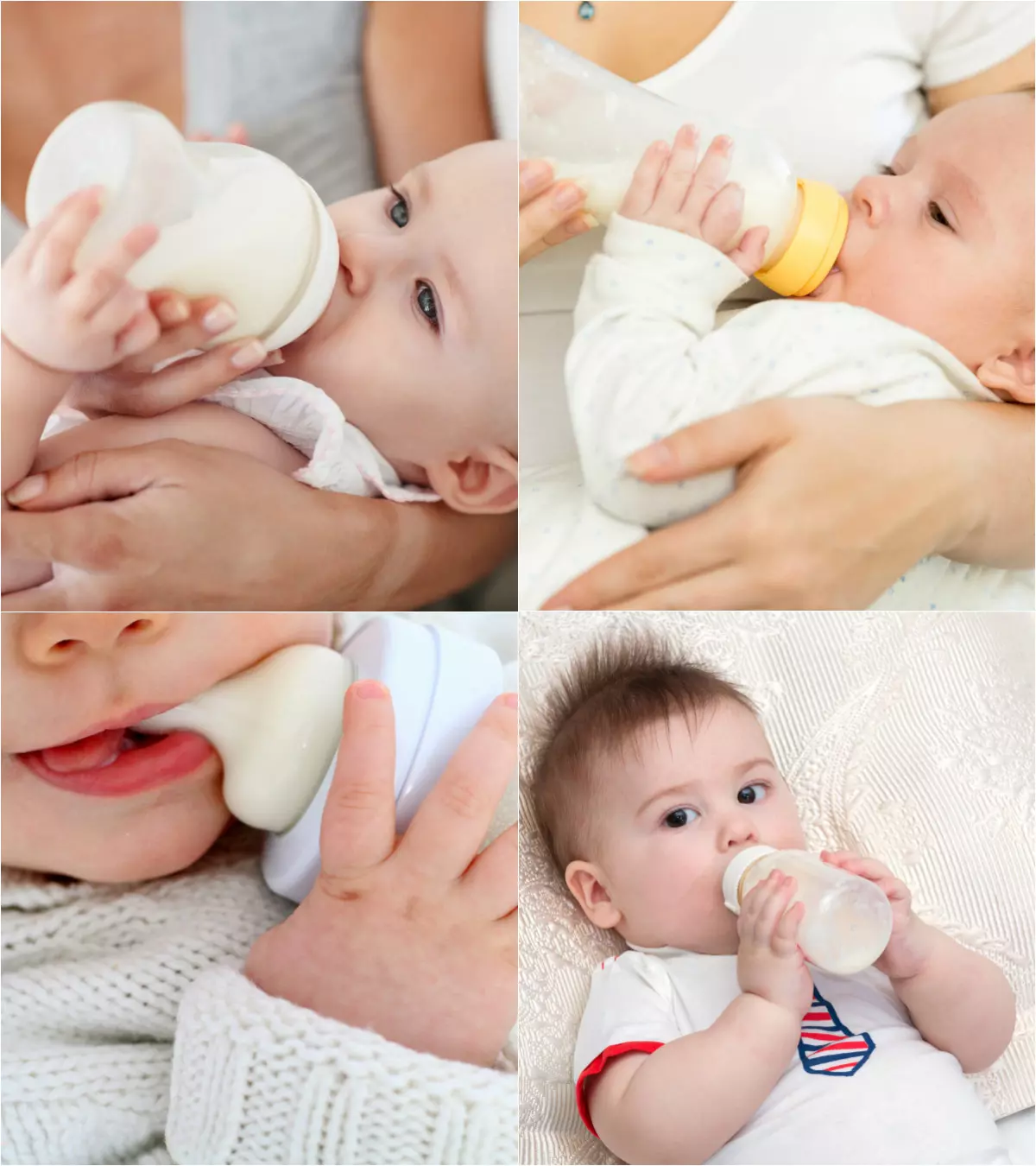
Bottle refusal is common, especially in babies who mostly breastfeed. Your baby may dislike the bottle because it feels different from a breast, has a different milk flow, or is offered by a new caregiver.
Common reasons include:
- The nipple feels unfamiliar.
- The nipple flow is too fast or too slow.
- The milk is too cold or too warm for your baby’s preference.
- Your baby is too hungry, tired, or upset.
- The feeding position feels new.
- Your baby wants to nurse for comfort as well as food.
- Someone is pushing the bottle into your baby’s mouth.
- Your baby has nasal congestion, mouth pain, reflux, or another health issue.
A baby may also refuse a bottle from the nursing parent but accept one from another adult. The smell of breast milk can make some breastfed babies want to nurse instead.
Bottle refusal does not always mean your baby will never take a bottle. It often means the method, timing, or person offering it needs to change.
How to Introduce a Bottle Step by Step
Use the same calm plan for several days before changing many things at once. This makes it easier to see what helps.
1. Choose a calm time
Offer the bottle when your baby is awake and relaxed. Aim for a time when your baby is mildly hungry, not desperate for food.
Good times may include:
- About 30 to 60 minutes before the usual feeding
- After a nap
- During a quiet part of the day
- When your baby is showing early hunger cues
Early hunger cues include hand-to-mouth movements, lip smacking, rooting, and increased alertness. Crying is a later hunger cue.
If your baby becomes upset, stop. Comfort your baby and try again later.
2. Have another caregiver offer it
If possible, ask a partner, grandparent, or other trusted caregiver to offer the bottle. The nursing parent can leave the room for the first few attempts.
This is not a rule. Some babies take a bottle from a nursing parent. Still, another caregiver may make the bottle feel more like a separate feeding instead of a replacement for nursing.
The caregiver should sit close, speak softly, and keep the mood relaxed. Avoid passing the bottle from person to person during one attempt.
3. Let your baby explore the nipple
Touch the nipple to your baby’s lips. Wait for your baby to open their mouth. Then let your baby draw the nipple in.
Do not push the nipple into your baby’s mouth. Do not hold your baby’s head in place. A baby learns better when they can pause and turn away.
You can let your baby touch the nipple with their hands or mouth before adding milk. This may reduce the surprise of a new texture.
4. Use a slow-flow nipple
A slow-flow nipple can help a young baby manage milk more easily. However, “slow flow” is not the same across all brands. Watch your baby rather than relying only on the label.
Signs the flow may be too fast include:
- Coughing or choking
- Gulping
- Milk leaking from the mouth
- Pulling away
- Wide, worried eyes
- Breathing trouble during the feed
Signs the flow may be too slow include:
- Falling asleep after only a small amount
- Working hard to suck
- A nipple that collapses
- Frustration after a few minutes
- A feeding that takes much longer than usual
Change one part at a time. A different nipple shape or flow may help, but buying many bottles at once can make the process stressful and costly.
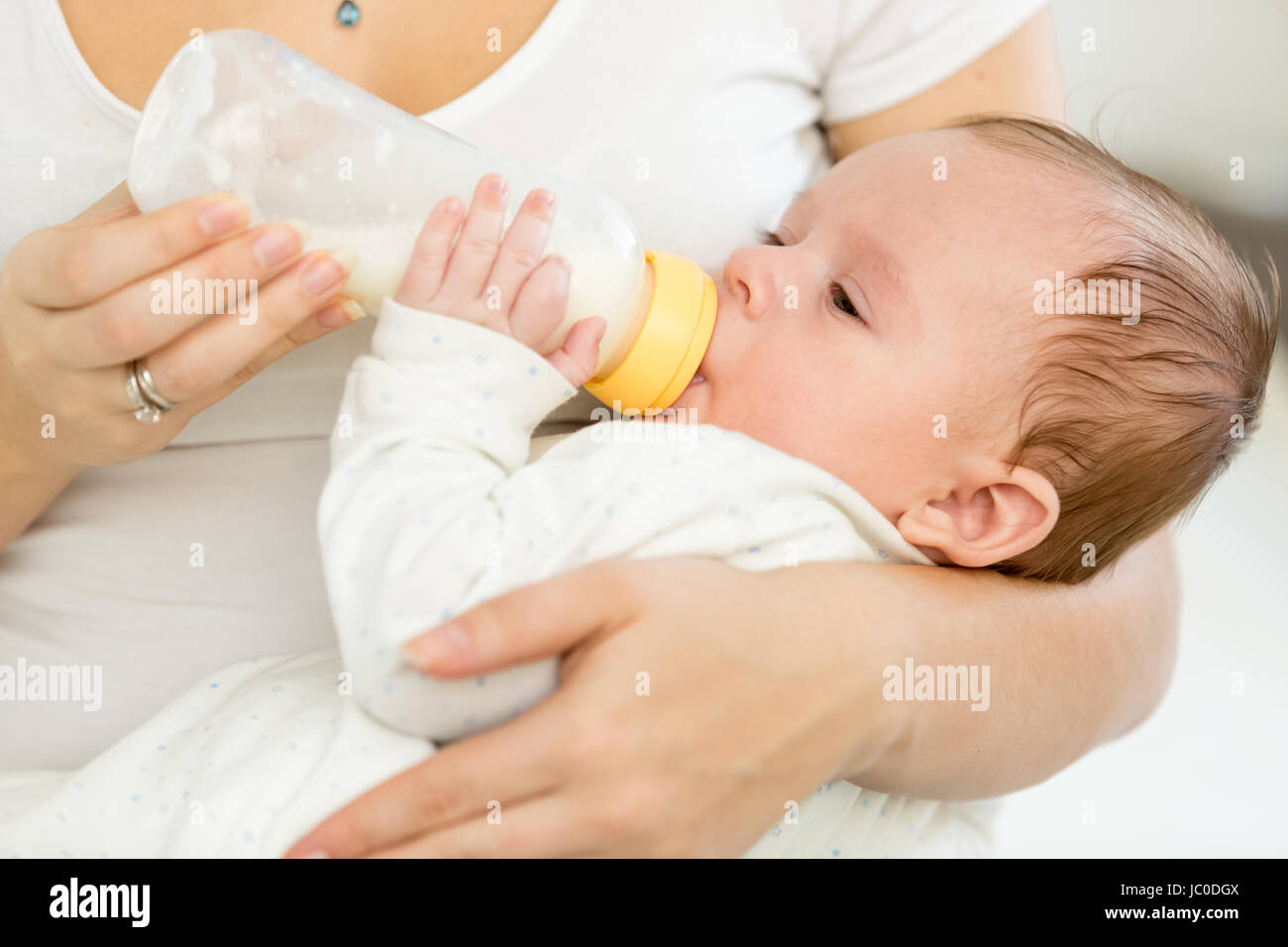
5. Hold your baby upright
Hold your baby in a supported, semi-upright position. Keep the head and neck in a straight line. Avoid feeding your baby flat on their back.
Hold the bottle mostly level rather than tipping it sharply downward. This helps slow the flow and lets your baby pause.
This method is often called paced bottle-feeding. It copies some parts of breastfeeding by allowing pauses and reducing the pressure to finish quickly.
6. Follow your baby’s cues
Let your baby decide when to start, pause, and stop. Watch for signs of interest, such as:
- Turning toward the bottle
- Opening the mouth
- Relaxed hands
- Steady sucking
- Looking calm and alert
Pause when your baby:
- Turns away
- Stops sucking
- Pushes the bottle away
- Spreads their fingers
- Fusses
- Falls asleep
- Coughs or breathes quickly
A bottle does not need to be empty. Do not make your baby finish a set amount unless your child’s clinician has given you a specific feeding plan.
7. Keep practice short
Try for about 5 to 10 minutes. If your baby refuses, end the attempt in a calm way.
You can try once a day at first. Some families have better results with brief practice several times a week rather than repeated attempts throughout the day.
The goal at first is comfort, not volume. Taking a few sucks is progress.

How to Make Bottle-Feeding Feel More Like Breastfeeding
Paced feeding can make the change less abrupt. Keep your baby close, use a slow flow, and allow frequent pauses.
Try these adjustments:
- Hold your baby skin-to-skin before the feed.
- Use a familiar blanket or shirt near the caregiver, but keep it away from the baby’s face.
- Feed in a quiet room with low distractions.
- Keep your baby in a semi-upright position.
- Offer a short nursing session first if your baby is very upset.
- Stop before your baby becomes frustrated.
- Use the same bottle and nipple for several calm attempts before switching.
Some babies accept a bottle more readily while being gently walked or rocked. Others need stillness. Test one change at a time.
Do not add cereal, juice, sweeteners, or other foods to the bottle. The CDC advises that babies generally need breast milk or iron-fortified infant formula as their main milk source during the first 6 months. Adding food to a bottle can create safety and feeding problems.
What to Do When Your Baby Still Will Not Take a Bottle
If your baby refuses after several calm attempts, pause for a day or two and try again. Repeated pressure can create a stronger dislike.
Use this troubleshooting order:
| What you notice | Possible reason | What to try |
|---|---|---|
| Baby cries as soon as the bottle appears | Fear, pressure, or bad timing | Stop, comfort, and offer it later when calm |
| Baby chews the nipple but does not suck | Nipple is unfamiliar | Let baby explore it without pressure |
| Baby coughs or milk spills | Flow may be too fast | Try a slower nipple and more upright position |
| Baby sucks but gets angry | Flow may be too slow | Check for a blocked or collapsed nipple |
| Baby takes a bottle from others but not you | Baby expects nursing from you | Have another caregiver offer the bottle |
| Baby takes a few sips, then turns away | Baby may be full or tired | Stop and follow the cue |
| Baby suddenly refuses all feeds | Illness or pain is possible | Call your pediatrician for advice |
If your baby rejects one bottle, that does not prove that every bottle will fail. Still, avoid changing brands every day. Give each safe setup a fair, calm trial.
A lactation consultant or pediatric feeding therapist can watch a feed and identify problems with latch, flow, posture, or swallowing. In the United States, your pediatrician can help you find a qualified professional.

How Much Milk Should a 3-Month-Old Take From a Bottle?
There is no single correct bottle amount for every 3-month-old. Needs vary by body size, growth, milk type, and how often the baby feeds.
For breastfed babies, use the amount your baby normally needs when separated from the nursing parent. A lactation professional can help estimate this if you are unsure.
For formula-fed babies, follow your baby’s hunger and fullness cues and the preparation directions on the formula label. Do not dilute formula or add extra powder. Incorrect mixing can harm your baby.
A useful plan for a first practice bottle is to offer a small amount, such as 1 to 2 ounces, so less milk is wasted if your baby refuses. This is a practice amount, not a recommended full feeding.
Ask your pediatrician for an individual plan if your baby:
- Was born early
- Has poor weight gain
- Has a heart, lung, or digestive condition
- Has trouble swallowing
- Needs fortified milk or special formula
- Has a prescribed feeding volume

Bottle-Feeding Safety for a 3-Month-Old
Safe preparation matters as much as getting your baby to accept the bottle.
Follow these basic rules:
- Wash your hands before preparing a bottle.
- Clean bottles and nipples as directed by the CDC and the manufacturer.
- Use breast milk or correctly prepared infant formula.
- Never microwave a bottle. It can create hot spots.
- Warm milk in warm water if you choose to warm it. Test it on your wrist.
- Hold your baby during the feed.
- Never prop a bottle or leave it in your baby’s mouth.
- Do not put your baby to bed with a bottle.
- Throw away leftover formula after a feeding.
- Follow CDC storage guidance for breast milk and prepared formula.
- Check nipples for cracks, tears, stickiness, or changes in shape.
For current storage times and cleaning advice, use the CDC’s infant formula preparation and storage guidance and breast milk storage guidance.

When to Call the Pediatrician
Contact your child’s clinician if your 3-month-old refuses several feeds, has fewer wet diapers than usual, or seems unwell.
Seek prompt medical advice for signs such as:
- Trouble breathing
- Blue or gray lips
- Repeated choking
- Extreme sleepiness
- A dry mouth
- No tears when crying
- Repeated vomiting
- Fever in a young infant
- Poor weight gain
- Much less urine than usual
- Pain during feeding
- A sudden change in feeding behavior
Do not treat ongoing bottle refusal as a behavior problem if your baby may be in pain. Ear infections, oral thrush, reflux, nasal blockage, and swallowing problems can affect feeding.
If your baby is not taking enough breast milk or formula, call your pediatrician rather than relying on repeated bottle practice. Babies need adequate fluids and calories while they learn.
Common Mistakes to Avoid
The most common mistake is trying harder when the baby is already upset. Pressure may make the bottle feel unsafe or unpleasant.
Avoid these approaches:
- Waiting until your baby is ravenous
- Forcing the nipple into the mouth
- Pinching the nose or holding the arms down
- Switching bottles after every failed attempt
- Feeding while your baby is lying flat
- Making your baby finish the bottle
- Distracting your baby so they cannot show refusal
- Leaving your baby alone with a bottle
- Adding cereal or medicine without medical instructions
- Comparing your baby with another baby
A calm refusal is useful information. It tells you to pause, check the flow and timing, and try again later.
How Long Does It Take for a Baby to Learn to Take a Bottle?
Some babies accept a bottle in one or two tries. Others need days or weeks of brief practice. There is no reliable deadline that applies to every baby.
Your baby is making progress if they can:
- Stay calm when the bottle is near
- Touch or mouth the nipple
- Take a few sucks
- Pause without crying
- Drink a small amount from another caregiver
- Show clear hunger and fullness cues
If you need your baby to take a bottle by a specific date, start practice well ahead of time. Keep nursing or giving the usual milk while your baby learns. Do not replace needed feeds with unsuccessful practice.
FAQs
Should I give a bottle to a breastfed baby at 3 months?
You may offer a bottle if you want another caregiver to feed the baby, plan to return to work, or need a different feeding option. Breast milk can be offered in a bottle, and correctly prepared infant formula is another option. Ask your pediatrician or lactation consultant about your specific plan.
Should someone other than the mother give the bottle?
Often, yes. A baby may accept a bottle more easily from a caregiver who does not smell like breast milk. This is not required, but it is a simple strategy worth trying.
Should I warm breast milk or formula?
A baby may accept milk warm, cool, or at room temperature. If you warm it, swirl it and test the temperature. Never microwave it. Follow safe storage and handling rules.
Can I use a faster nipple if my baby refuses the bottle?
A faster nipple may help if your baby is working too hard with a slow nipple. It can make feeding unsafe if the flow becomes too fast. Watch for coughing, gulping, leaking, or breathing changes. Ask a clinician or feeding specialist if you are unsure.
What if my baby only takes a bottle when sleepy?
A sleepy feed may seem easier, but your baby still needs to be alert enough to coordinate sucking, swallowing, and breathing. Work toward calm, awake feeds. Do not force a bottle into a sleeping baby’s mouth.
Conclusion
To help a 3-month-old take a bottle, start when your baby is calm and mildly hungry. Have another caregiver offer a slow-flow nipple while holding the baby upright. Use paced feeding, follow hunger and fullness cues, and stop before the attempt becomes a struggle.
Practice briefly and often enough to keep the bottle familiar, but do not force it. If your baby refuses all feeds, shows signs of illness, or is not getting enough milk, contact your pediatrician.