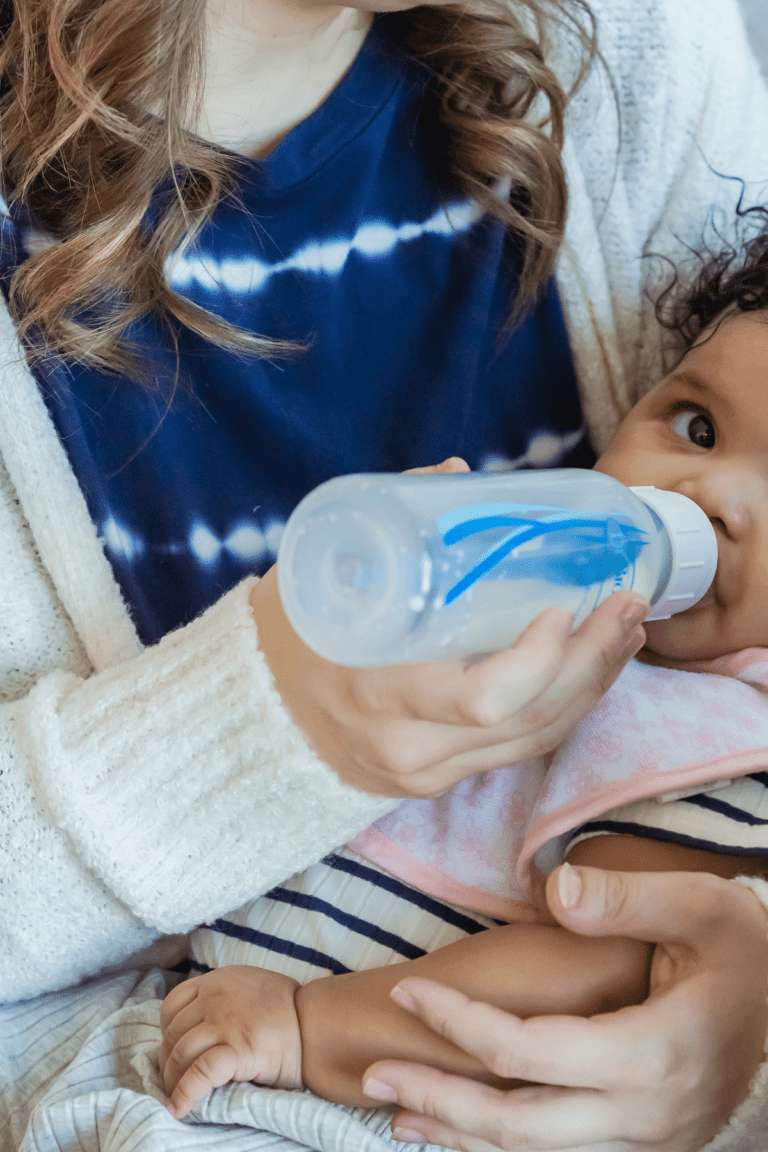
Many 10-month-olds refuse a bottle because they prefer nursing, dislike the nipple, or no longer want to drink from a bottle. In the United States, a bottle is not the only safe way to offer breast milk or infant formula at this age. You can gently try a bottle, but you can also teach your baby to use a straw cup or open cup.
Start with small, relaxed practice when your baby is calm—not very hungry, tired, or upset. Have another adult offer the bottle if your baby nurses, use a slow-flow nipple, and stop if your baby cries or turns away. Never force the nipple into your baby’s mouth.
Why Your 10-Month-Old May Refuse a Bottle
A 10-month-old may refuse a bottle because the bottle feels new, the nipple flow is too fast or slow, or the baby connects feeding with nursing. Some babies also become more aware of their surroundings and would rather crawl, play, or eat solid food.
Common reasons include:
- Preference for breastfeeding: Your baby may want the warmth, smell, and closeness of nursing.
- A different nipple feel: Silicone, latex, shape, length, and firmness can all feel different.
- The wrong flow rate: A slow nipple may frustrate an older baby. A fast nipple may cause coughing or gulping.
- Timing: A baby who is too hungry may become upset before learning a new skill.
- Teething, illness, or congestion: A sore mouth or blocked nose can make sucking hard.
- A change in routine: Travel, child care, a new caregiver, or separation can affect feeding.
- A preference for cups: Some babies are ready to drink from a cup and simply do not want a bottle.
Bottle refusal is often a normal feeding preference. It does not always mean there is a medical problem or that your baby is not getting enough milk.
The American Academy of Pediatrics recommends beginning the transition from a bottle to a cup around 12 months. However, babies can practice with a cup before then. At 10 months, a straw cup or small open cup may be a useful alternative if your baby refuses a bottle.

How to Get a 10-Month-Old to Take a Bottle
The best approach is short, calm practice without pressure. Think of it as learning a new skill, not winning a battle.
1. Offer the bottle when your baby is calm
Choose a time when your baby is awake and relaxed. Avoid practicing when your baby is very hungry, overtired, or crying.
Try offering the bottle:
- After a nap
- Between meals
- Before your baby becomes very hungry
- During a quiet part of the day
At first, your goal is not a full feeding. A few calm sucks count as progress.
2. Ask someone else to offer it
A breastfed baby may refuse a bottle from the nursing parent because the baby can smell breast milk and expects to nurse. Have another trusted adult offer the bottle while you leave the room or stay out of sight.
The caregiver should use a calm voice and hold the baby upright. They should not chase the baby with the bottle or keep trying after clear signs of refusal.
3. Use paced bottle-feeding
Paced feeding lets your baby control the speed of the milk. Hold your baby in a mostly upright position. Keep the bottle more level than vertical so milk does not pour quickly into the mouth.
Let your baby pause. Watch for signs that your baby needs a break, such as:
- Turning the head away
- Relaxing the hands
- Slowing the sucking
- Pushing the bottle away
- Dribbling milk
- Fussing or arching the back
Paced feeding can help a baby adjust to the bottle and may reduce coughing, gulping, and overfeeding.
4. Try a different nipple, but change one thing at a time
A different nipple may help, but buying many products at once can make it hard to know what worked. Start with one change.
You might try:
- A nipple with a shape closer to your baby’s pacifier
- A wider or narrower nipple
- A different firmness
- A slightly faster flow if your baby becomes frustrated with slow flow
- A slower flow if your baby coughs, gulps, or leaks milk
Do not cut or enlarge a nipple hole. An altered nipple can release milk too quickly and create a choking risk.
5. Offer familiar milk
Use the milk your baby already accepts when possible. A breastfed baby may be more willing to try a bottle with expressed breast milk. A formula-fed baby can receive prepared infant formula according to the product label and your health care provider’s instructions.
Do not add cereal, sweeteners, juice, or other foods to the bottle. The CDC advises against putting cereal in a bottle because it can increase choking risk and does not help babies sleep longer.
6. Let your baby explore the bottle
Place a small amount of milk in the bottle and let your baby touch it, hold it, or bring the nipple toward the mouth. You can offer the nipple without expecting your baby to drink.
Some babies first accept the bottle as a toy to explore. Keep it clean and do not let your baby chew on a damaged nipple.
7. Keep practice brief
Try for about 5 to 10 minutes, then stop if your baby becomes upset. You can try again later or the next day.
Repeated pressure can create a negative link between feeding and stress. Calm, small attempts usually work better than one long struggle.
8. Practice with a cup, too
At 10 months, your baby can practice drinking from:
- A small open cup
- A straw cup
- A trainer cup that does not require a hard bite
Begin with a few sips of breast milk, formula, or water. Hold the cup and give your baby time to learn. Expect spills at first.
For babies younger than 12 months, breast milk or iron-fortified infant formula should remain the main milk source. Water can be offered in small amounts with meals, but it should not replace breast milk or formula.

A Simple 7-Day Bottle Practice Plan
A short plan can make bottle practice feel more manageable. Adjust it to your baby’s mood and feeding needs.
| Day | Practice | Goal |
|---|---|---|
| 1 | Let your baby touch and explore the empty bottle | Build familiarity |
| 2 | Offer a small amount of familiar milk | Accept the nipple near the mouth |
| 3 | Have another caregiver offer the bottle | Create a new feeding routine |
| 4 | Try paced feeding for a few minutes | Practice controlled sucking |
| 5 | Try one reasonable nipple change if needed | Check comfort and milk flow |
| 6 | Offer the bottle before a normal feed | Encourage a few calm sips |
| 7 | Repeat the method that caused the least stress | Build a predictable habit |
This plan is not a deadline. Some babies need more time. If your baby cries hard, arches away, or refuses several times, pause for a day or two and focus on relaxed cup practice instead.
Do not reduce nursing or withhold food to make your baby hungry enough to accept a bottle. Hunger can make learning harder and may reduce your baby’s intake.
How Much Should a 10-Month-Old Drink?
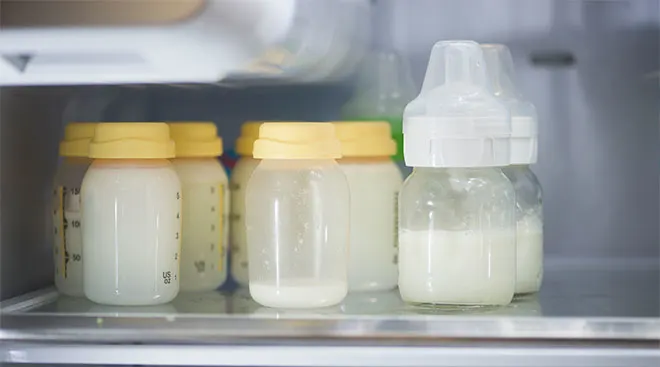
There is no single correct amount for every 10-month-old. Intake changes based on breast milk supply, formula intake, solid foods, growth, activity, illness, and whether your baby feeds at night.
At this age, breast milk or infant formula is still an important source of nutrition. Solid foods add nutrients and practice, but they do not automatically replace milk feeds.
Use your baby’s overall pattern rather than one bottle or one day to judge intake. Helpful signs include:
- Regular wet diapers
- Normal energy and alertness
- Ongoing growth along the child’s growth curve
- Interest in food and milk
- A moist mouth and tears when crying
A wet diaper count alone cannot confirm that intake is adequate. If you are worried about how much your baby drinks, ask your pediatrician to review feeding, growth, and hydration.
Do not replace breast milk or formula with cow’s milk as the main drink before 12 months. The CDC and American Academy of Pediatrics advise waiting until around 12 months to introduce pasteurized whole cow’s milk as a main beverage, unless your child’s clinician gives different advice.

Bottle Safety for a 10-Month-Old
Safe feeding matters more than getting your baby to accept a particular bottle.
Follow these safety rules:
- Hold your baby during bottle feeds.
- Keep your baby mostly upright.
- Never prop a bottle.
- Do not leave a bottle in the crib.
- Do not let your baby fall asleep with milk in the mouth.
- Check the nipple for cracks, tears, or changes in texture.
- Follow the formula label for mixing and storage.
- Refrigerate prepared formula as directed.
- Use expressed breast milk according to CDC storage guidance.
- Throw away milk left in a bottle after a feed if it has been in contact with your baby’s mouth, following current storage guidance.
- Clean and dry bottles, nipples, and cup parts carefully.
Bottle propping can increase the risk of choking, ear infections, tooth decay, and overfeeding. Even at 10 months, your baby should have an attentive adult nearby during feeds.

What to Do If Your Baby Still Refuses the Bottle
If your baby refuses after several calm attempts, stop treating the bottle as the only solution. Many 10-month-olds can learn to drink from a cup instead.
Try this sequence:
- Offer a small amount of milk in a straw cup or open cup.
- Let your baby watch you take a sip from your own cup.
- Touch the cup to your baby’s lips without pouring.
- Offer one or two sips with a meal.
- Keep the cup practice relaxed and brief.
- Continue normal breast milk or formula feeds while your baby learns.
A baby who drinks well from a cup may not need to master a bottle. This can also help with the gradual move away from bottles after the first birthday.
Contact your child’s pediatrician if your baby has ongoing feeding trouble, poor weight gain, frequent vomiting, pain with feeds, repeated coughing or choking, noisy breathing while feeding, or much less urine than usual. Ask for help promptly if your baby seems unusually sleepy, has a very dry mouth, has no tears when crying, or shows other signs of dehydration.
A pediatrician may refer you to a feeding specialist, speech-language pathologist, occupational therapist, or lactation professional. These specialists can assess sucking, swallowing, oral motor skills, reflux symptoms, sensory issues, and the overall feeding plan.

Common Mistakes to Avoid
Forcing the bottle
Forcing can make your baby fear or resist feeding. Offer the bottle, watch your baby’s cues, and stop when your baby says “no” through body language.
Practicing only when the baby is starving
A very hungry baby often wants the fastest familiar option. Practice when your baby is calm and slightly hungry, not desperate for food.
Changing too many things at once
Switching brands, nipple shapes, milk temperature, caregivers, and feeding positions all at once makes the result hard to understand. Change one variable at a time.
Assuming the bottle must be accepted
At 10 months, a cup may be a better fit for some babies. The key goal is safe access to breast milk or infant formula, not a specific container.
Using juice or cow’s milk to encourage drinking
Juice is not needed for a 10-month-old. Cow’s milk should not replace breast milk or infant formula before 12 months unless your child’s clinician recommends a specific plan.
Putting food in the bottle
Do not add cereal or purées to a bottle. Babies should learn to manage food from a spoon or appropriate finger foods, and thickened feeds should be used only under medical guidance.

When to Call the Pediatrician
Call your pediatrician if bottle refusal comes with any of the following:
- Fewer wet diapers than usual
- Poor weight gain or weight loss
- Repeated coughing, choking, or gagging during feeds
- Breathing changes during or after feeds
- Persistent vomiting
- Blood in the stool or vomit
- Signs of pain when swallowing
- A sudden refusal of all milk and liquids
- Fever, unusual sleepiness, or signs of dehydration
- A known condition affecting swallowing, development, or nutrition
Seek urgent care for trouble breathing, blue or gray lips, severe lethargy, or signs of serious dehydration.
A sudden change in feeding can happen with a cold, ear infection, mouth sore, or teething. A clinician can help identify the cause rather than having you keep changing bottles.
Frequently Asked Questions
Can a 10-month-old skip the bottle and use a cup?
Yes. A 10-month-old can practice with a straw cup or small open cup. Continue offering breast milk or iron-fortified infant formula as the main milk source until around 12 months, unless your pediatrician gives you a different plan.
Should I warm the bottle?
You can offer milk at room temperature or gently warmed. Some babies prefer milk that feels similar to breast milk. Never microwave a bottle because hot spots can burn your baby. Swirl the milk and test a few drops on your wrist before offering it.
Should I give the bottle to my baby while they are sleepy?
A sleepy baby may accept a bottle, but do not feed an almost-asleep baby without close supervision. Never leave a bottle in the crib or use it to help your baby sleep.
What if my baby bites the nipple instead of sucking?
Biting may mean your baby is exploring, teething, or not ready at that moment. Offer the bottle later. You can also try a cup. Check the nipple for damage and replace it if it is torn.
How long should I keep trying?
Try brief sessions for several days. If your baby becomes upset or refuses every time, pause and ask your pediatrician or a feeding professional for advice. There is no benefit to turning each feeding into a struggle.
Key Takeaways
- A 10-month-old may refuse a bottle because of preference, nipple flow, timing, teething, illness, or a desire to use a cup.
- Offer the bottle when your baby is calm, and let another caregiver try.
- Use paced feeding and stop at signs of stress or fullness.
- Do not force the bottle, add cereal, prop the bottle, or use cow’s milk as the main drink before 12 months.
- A straw cup or open cup can be a safe alternative.
- Ask your pediatrician for help if feeding problems affect hydration, growth, breathing, or comfort.
Conclusion
To help a 10-month-old take a bottle, offer small, calm practice sessions with familiar milk, a comfortable nipple, and a caregiver other than the usual nursing parent. Follow your baby’s cues and avoid pressure.
If the bottle still does not work, teach your baby to use a straw cup or open cup. The safest plan is the one that helps your baby get enough breast milk or infant formula while staying comfortable and well hydrated.