Introduction
If your 10-month-old needs to gain weight, the safest plan is to find out why weight gain is slow, keep breast milk or infant formula as the main milk source, and offer nutrient-dense solid foods without force-feeding. In the United States, your baby’s pediatrician should check growth using the CDC growth charts and review feeding, health, and development before recommending extra calories.
Some babies are naturally small. A baby who follows their own growth curve may be healthy, even if they are below average in size. A sudden drop in weight, poor feeding, vomiting, diarrhea, or fewer wet diapers needs prompt medical attention.
First, confirm that your baby needs more weight
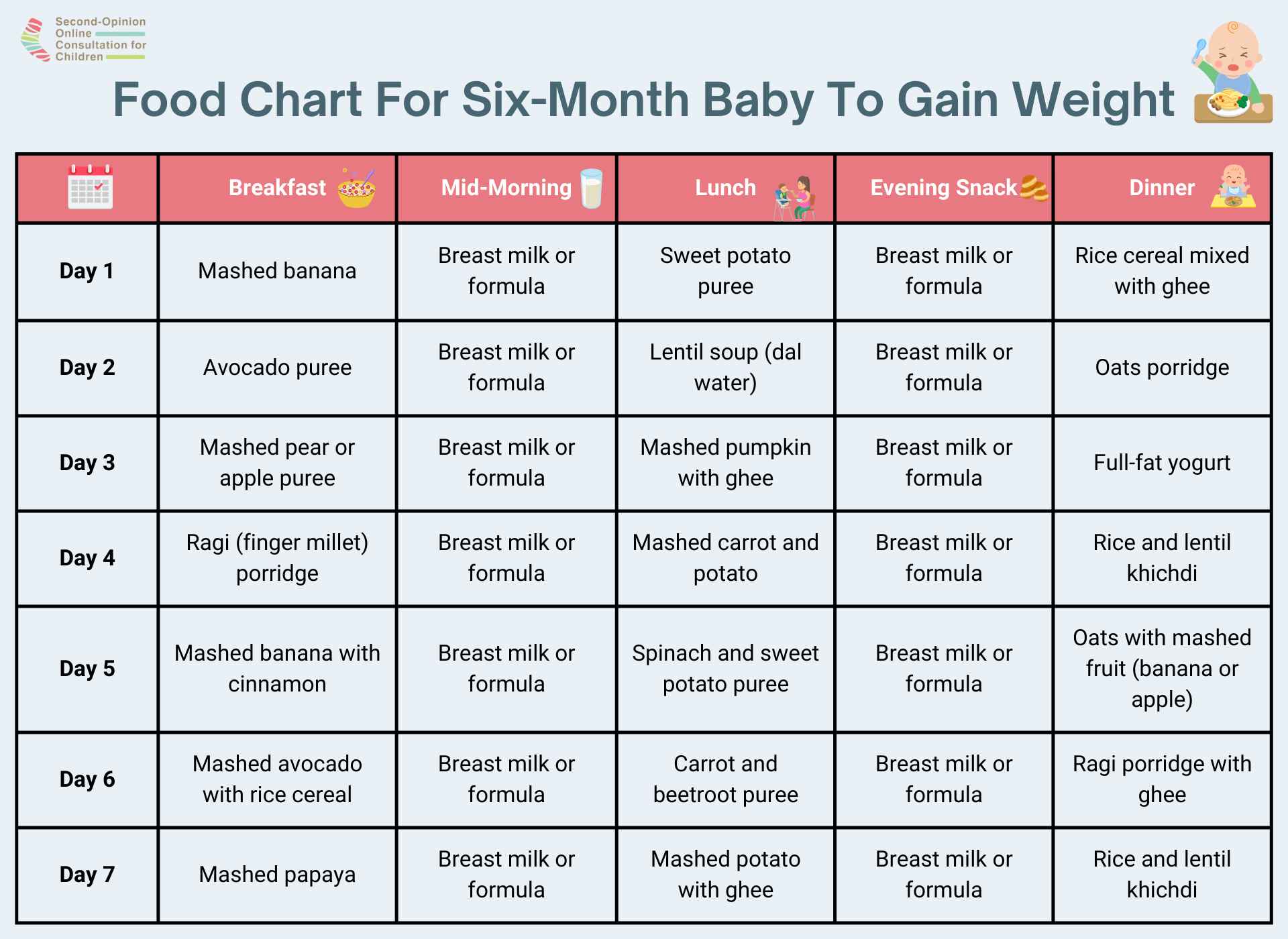
A 10-month-old does not need to “look bigger” to be healthy. Pediatricians look at the growth trend, not one weight reading.
During a visit, the clinician may check:
- Weight-for-age
- Length-for-age
- Weight-for-length
- Head circumference
- The pattern of growth over time
- Milk intake and solid-food intake
- Feeding skills and development
- Signs of illness or food intolerance
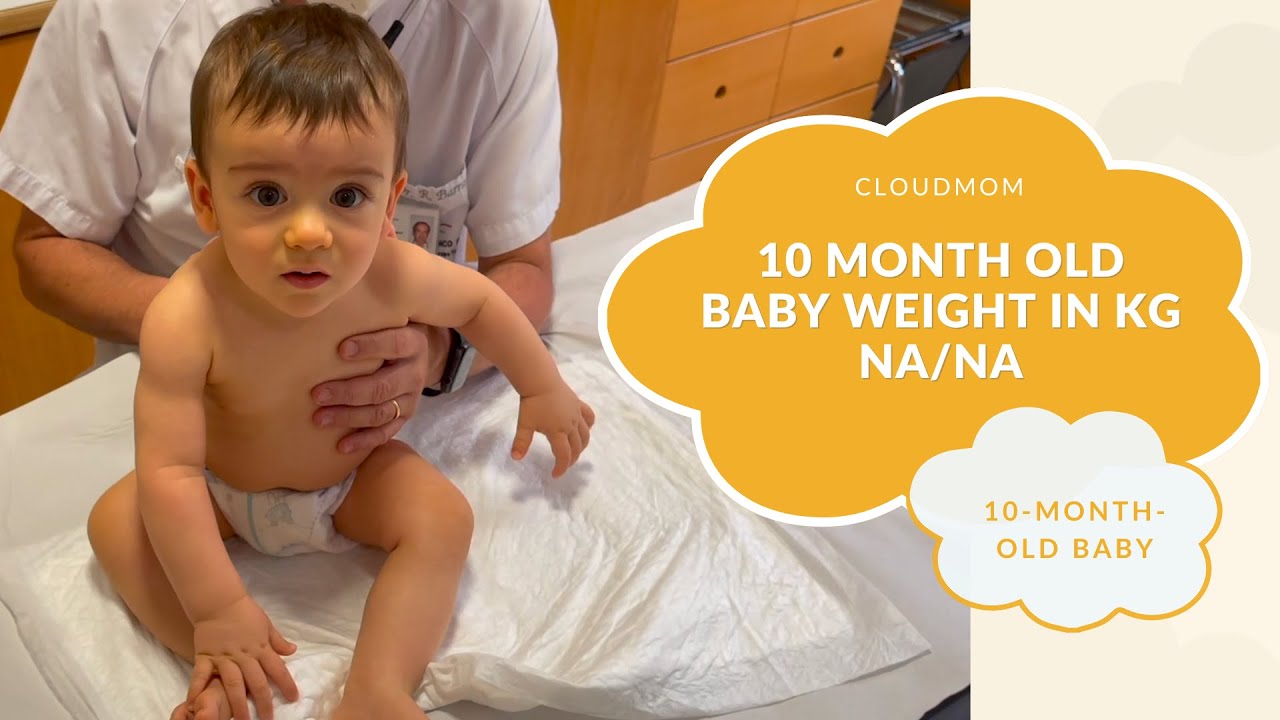
Growth percentiles compare your baby with other children of the same age and sex. A low percentile is not automatically a problem. The more useful question is whether your baby is growing steadily along their own curve.
Do not rely on home weights alone
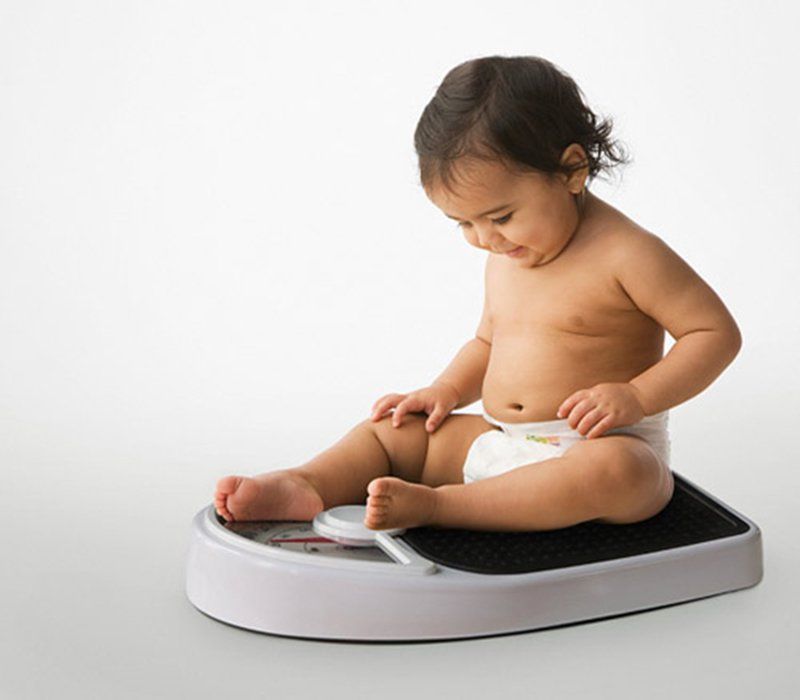
Home scales can vary. Clothing, diapers, feeding, and movement can also change the number. If you are concerned, arrange a visit with your child’s pediatrician rather than trying to calculate a target weight at home.
Ask the clinician:
- Is my baby’s growth pattern steady?
- Is the weight-for-length proportion appropriate?
- How much breast milk or formula should my baby receive?
- Could reflux, allergy, illness, or feeding difficulty affect intake?
- Should we see a pediatric dietitian or feeding therapist?

Keep breast milk or infant formula as the main milk source
At 10 months, solid foods are important, but breast milk or iron-fortified infant formula still provides key calories and nutrients. The American Academy of Pediatrics recommends continuing breast milk or formula during the first year. Cow’s milk should not replace breast milk or infant formula before 12 months.
Continue to breastfeed when your baby shows hunger cues. If your baby drinks formula, prepare it exactly as the label says. Do not add extra powder, cereal, or water unless your pediatrician gives specific instructions. Incorrect mixing can cause dehydration, nutrient imbalance, or other serious problems.
A baby who fills up on water, juice, or low-calorie drinks may take less milk and food. Babies under 12 months generally do not need juice. Plain water may be offered in small amounts with meals, but it should not replace milk feeds.
Watch hunger and fullness cues
Offer food when your baby is calm and mildly hungry. Stop when your baby turns away, closes their mouth, pushes food away, or loses interest. Crying, reaching for food, and opening the mouth can signal hunger.
Avoid pressuring your baby to finish a bottle or spoonful. Pressure can make meals stressful and may make it harder for a child to respond to their own hunger and fullness signals.

Offer three meals and planned snacks
a simple routine can help your baby eat enough without grazing all day. Many 10-month-olds do well with:
- Breast milk or formula feeds during the day
- Three small meals
- One or two small snacks, if needed
- A few sips of water from a cup with meals
The exact schedule depends on sleep, nursing, formula intake, and family routines. A baby who snacks constantly may not feel hungry at meals. A baby who takes a large bottle right before solids may also eat less food.
Try offering solids about 60 to 90 minutes after a milk feed, or follow the timing that works best for your baby. Keep meals relaxed and allow enough time to eat, but end the meal if your baby is done.
Example day of nutrient-dense foods
This is an example, not a medical prescription:
- Breakfast: Iron-fortified oatmeal mixed with breast milk or prepared formula, plus mashed banana
- Lunch: Soft scrambled egg with avocado and soft-cooked vegetables
- Snack: Plain, full-fat yogurt or a thin spread of smooth nut butter on soft toast
- Dinner: Mashed beans, shredded tender chicken, tofu, or flaky fish with soft sweet potato
- Milk feeds: Breast milk or infant formula offered through the day
Your baby may eat more or less than this. Focus on repeated chances to eat rather than one large meal.
Choose foods with more calories and nutrients
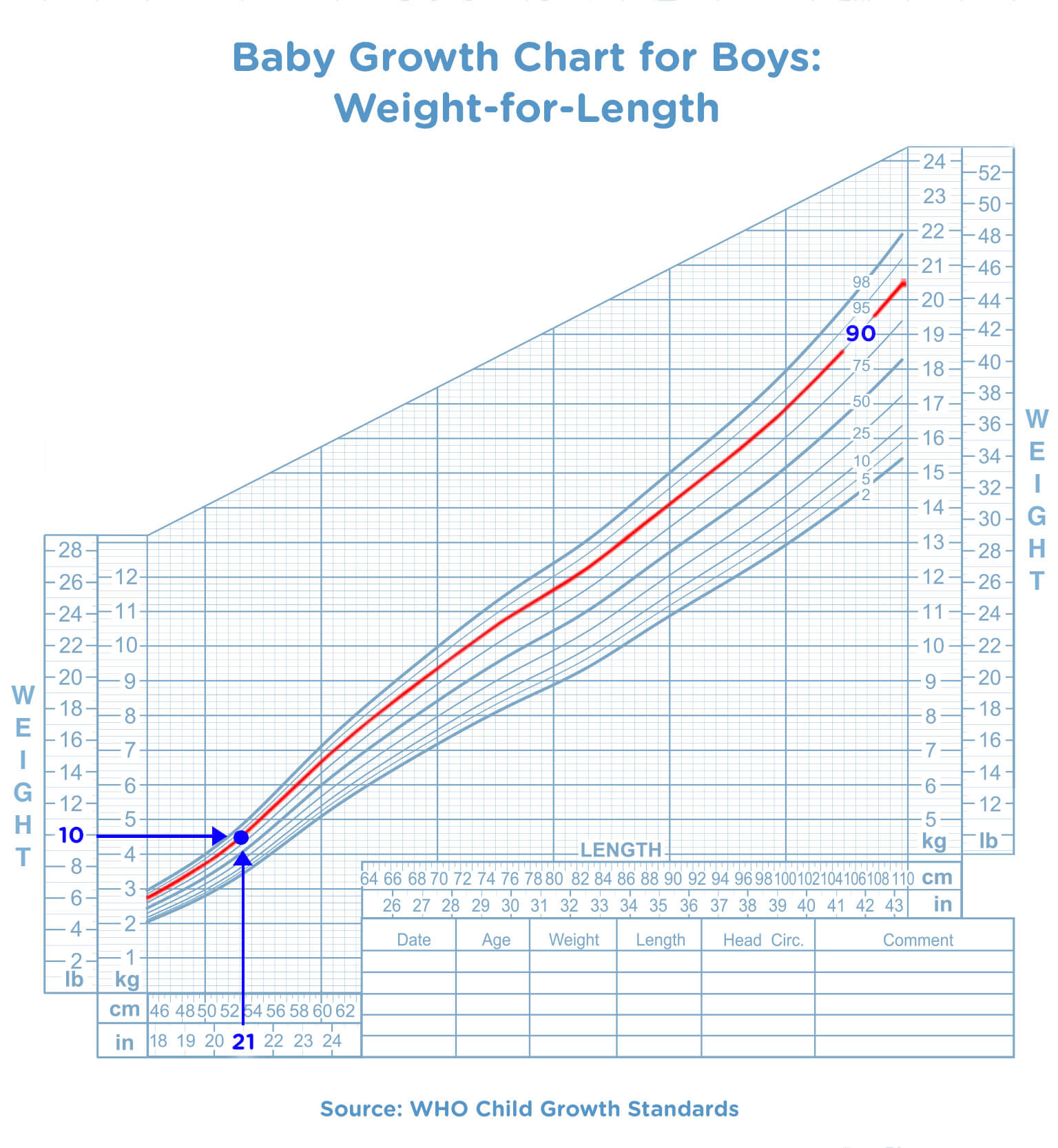
To support healthy weight gain, add energy to foods your baby already accepts. Choose foods that provide calories along with protein, iron, healthy fats, or other nutrients.
Good options include:
Healthy fats
- Mashed avocado
- Smooth peanut or tree-nut butter thinned with water, breast milk, formula, or yogurt
- Olive oil mixed into vegetables, beans, or grains
- Full-fat plain yogurt
- Soft cheese in small amounts
Protein and iron foods
- Egg
- Beans and lentils
- Tofu
- Tender shredded meat
- Flaked fish with bones removed
- Iron-fortified infant cereal
- Smooth nut and seed butters
Iron is especially important during infancy. Include an iron-rich food at most meals when possible. Pairing plant-based iron sources, such as beans, with fruits or vegetables that contain vitamin C may help the body absorb iron.
Soft grains and vegetables
- Oatmeal
- Soft pasta
- Rice
- Sweet potato
- Squash
- Soft-cooked carrots
- Mashed peas
Mix a small amount of oil, avocado, yogurt, or smooth nut butter into foods your baby already eats. Increase texture as your baby develops. A 10-month-old often benefits from soft lumps and small, soft pieces rather than only smooth purées.

Use safe textures and prevent choking
Weight gain should never come at the cost of choking safety. Your baby should sit upright while eating and remain within arm’s reach of an attentive adult.
Avoid or modify common choking hazards, including:
- Whole grapes; cut them lengthwise into quarters
- Raw apple or carrot chunks
- Whole nuts
- Popcorn
- Hot dog rounds
- Hard candy
- Large chunks of meat or cheese
- Spoonfuls of thick nut butter
- Raw vegetables that are hard to mash
Cook foods until soft. Shred meat and fish. Cut soft foods into small, manageable pieces. Nut butter should be spread thinly or mixed into another food. Do not give honey before 12 months because of the risk of infant botulism.
A first exposure to peanut or egg can be offered in a safe form when your baby is ready for solids. If your baby has severe eczema, an existing food allergy, or a prior reaction to food, ask the pediatrician how to introduce allergens safely.
Make meals easier for a baby with a small appetite
Small changes can help a baby who eats only a few bites.
Reduce distractions
Turn off screens and keep toys away during meals. Sit with your baby and model eating. A calm setting can help your baby notice hunger and fullness.
Let your baby self-feed
Offer soft finger foods and a preloaded spoon. Self-feeding helps babies practice control, chewing, and hand skills. It can also make meals more enjoyable.
Repeat foods without pressure
Babies may need many chances to accept a new food. Offer a new food beside a familiar food. If your baby refuses it, try again another day.
Check feeding mechanics
Some babies struggle with chewing, swallowing, sitting upright, or moving food around the mouth. Coughing, gagging often, holding food in the cheeks, taking a very long time to eat, or becoming tired during meals may point to a feeding problem.
A pediatrician may refer your baby to a feeding specialist, speech-language pathologist, occupational therapist, or registered dietitian.
Look for medical causes of poor weight gain
A baby may gain weight slowly because they are not taking in enough food, losing nutrients, or using more energy than expected. Possible causes include:
- Difficulty latching or transferring milk
- Low milk supply or an inefficient breastfeed
- Incorrect formula preparation
- Reflux or frequent vomiting
- Diarrhea or constipation
- Food allergy or intolerance
- Trouble chewing or swallowing
- Recurrent infections
- Heart, lung, endocrine, or digestive conditions
- Developmental or oral-motor difficulties
This list is not a diagnosis. Do not remove major foods, switch formulas, use supplements, or add calorie powders without medical guidance.
Keep a short record for two or three days before the appointment. Write down:
- Milk feeds and approximate amounts
- Solid foods offered and eaten
- Vomiting or diarrhea
- Wet diapers
- Stool changes
- Coughing, choking, or fatigue during meals
- Foods that seem to cause a reaction
A record can help the clinician see patterns that are hard to remember.
Know when to call the pediatrician
Call your baby’s pediatrician soon if your 10-month-old:
- Has lost weight
- Drops across growth percentiles
- Eats very little for several days
- Refuses most milk feeds
- Vomits often
- Has ongoing diarrhea
- Coughs, chokes, or turns blue while eating
- Seems weak or unusually sleepy
- Has fewer wet diapers than usual
- Has blood in the stool
- Has signs of a food allergy
Seek urgent care for trouble breathing, blue lips or skin, severe dehydration, extreme sleepiness, repeated choking, or an inability to keep fluids down.
Do not wait for a routine visit if your baby appears seriously ill or dehydrated.

Common mistakes to avoid
Replacing formula or breast milk with cow’s milk
Cow’s milk is not a suitable main drink before 12 months. It does not provide the right balance of nutrients for an infant and may contribute to iron deficiency when used too early.
Adding cereal to a bottle
Putting cereal in a bottle can raise choking risk and does not reliably improve weight gain or sleep. Use a spoon unless your pediatrician gives a specific medical plan.
Using weight-gain supplements without advice
Adult protein powders, toddler drinks, herbal products, and homemade high-calorie mixtures may contain unsafe ingredients or the wrong nutrient balance.
Forcing bites
Pressure may lead to mealtime battles and can make feeding harder. Offer food, give your baby time, and respect clear signs of fullness.
Focusing only on calories
A food may be high in calories but low in iron, protein, or other nutrients. The goal is steady growth supported by a balanced diet, not simply more fat or sugar.
A simple action plan for the next week
- Book a pediatric visit if your baby has lost weight, is falling on the growth chart, or is eating poorly.
- Continue breast milk or iron-fortified infant formula as the main milk source.
- Offer three meals with soft, nutrient-dense foods.
- Add healthy fats such as avocado, olive oil, full-fat yogurt, or thin nut butter.
- Include iron-rich foods such as egg, beans, meat, tofu, or iron-fortified cereal.
- Use safe textures and supervise every meal.
- Track intake and symptoms briefly, without turning meals into a test.
- Ask for a dietitian or feeding referral if progress remains slow.
Success means your baby is eating safely, staying hydrated, accepting a range of foods, and showing a healthy growth pattern over time. The scale may not change quickly, and that is why follow-up with a pediatric clinician matters.

Frequently asked questions
How much should a 10-month-old weigh?
There is no single healthy weight for every 10-month-old. Healthy weight depends on sex, length, birth history, genetics, and the child’s growth pattern. Your pediatrician can interpret the weight, length, and weight-for-length percentiles using the CDC growth charts used in the United States.
Should I give my 10-month-old more formula to gain weight?
Only if your baby’s pediatrician recommends a change. Continue offering breast milk or properly prepared infant formula. Never concentrate formula by adding extra powder or reduce the water without medical instructions.
Can I give my 10-month-old whole milk to help with weight gain?
Do not use whole cow’s milk as your baby’s main drink before 12 months. Small amounts of full-fat dairy foods, such as plain yogurt or cheese, can usually be part of an appropriate solid-food diet unless your child has an allergy or another medical restriction.
What is the best high-calorie food for a 10-month-old?
There is no single best food. Useful choices include avocado, full-fat plain yogurt, egg, beans, tofu, oatmeal, olive oil, and smooth nut butter prepared in a thin or mixed form. Offer a variety of foods, including iron-rich foods.
When should I worry if my baby is not gaining weight?
Contact the pediatrician if your baby loses weight, drops on the growth chart, feeds poorly, vomits often, has diarrhea, chokes during meals, has fewer wet diapers, or seems weak or unusually sleepy. Seek urgent help for breathing trouble, blue color, severe dehydration, or repeated choking.
Conclusion
To help a 10-month-old gain weight, focus on the cause rather than simply adding more food. Continue breast milk or infant formula, offer three safe and nutrient-dense meals, include iron and healthy fats, and let your baby guide how much they eat.
If growth is slow or feeding is difficult, a pediatrician should review the growth chart and feeding history. With the right support, many babies improve through small changes in feeding routine, food texture, and calorie density.
Sources and further reading
- American Academy of Pediatrics: Starting Solid Foods
- Centers for Disease Control and Prevention: WHO and CDC Growth Charts
- Centers for Disease Control and Prevention: Foods and Drinks for 6 to 24-Month-Olds
- U.S. Department of Agriculture: Dietary Guidelines for Americans
- U.S. Food and Drug Administration: Food Safety for Infants and Young Children