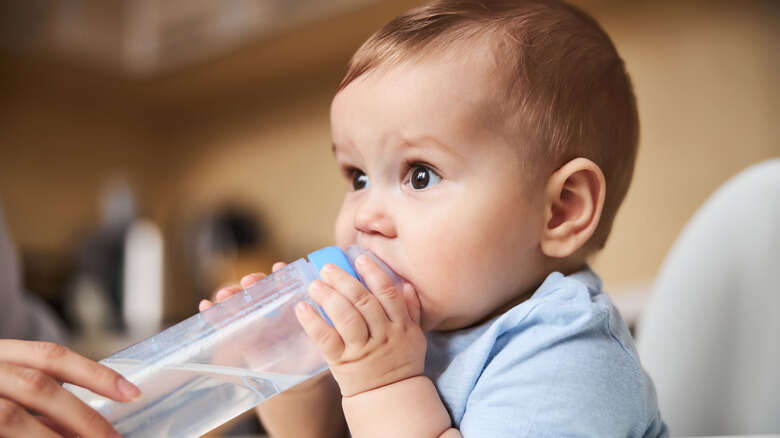
In the United States, a 10-month-old can usually drink about 4 to 8 ounces of plain water per day. That equals roughly ½ to 1 cup, or 120 to 240 milliliters. This amount is in addition to breast milk or infant formula.
At 10 months, breast milk or iron-fortified formula is still the main source of nutrition. Water should support meals and help your baby learn to drink from a cup. It should not replace regular milk feeds.
This guidance is based on recommendations from the American Academy of Pediatrics (AAP) and the U.S. Centers for Disease Control and Prevention (CDC). Your baby’s doctor may suggest a different amount if your child has a health condition, is ill, or has special feeding needs.
How much water should a 10-month-old drink?
Most 10-month-olds can have 4 to 8 ounces of water across the day. Some babies will drink less, especially if they breastfeed often or eat foods with a high water content. Others may drink close to 8 ounces as they eat more solid food.
Think of 4 to 8 ounces as a general daily range, not a strict target. You do not need to make your baby finish a certain amount.
| Baby’s age | Usual plain-water guidance | Main source of nutrition |
|---|---|---|
| Younger than 6 months | Usually no plain water | Breast milk or infant formula |
| 6 to 12 months | About 4 to 8 ounces per day | Breast milk or infant formula |
| After 12 months | Water needs often rise as milk and food patterns change | A wider mix of foods and drinks |
The water amount does not include breast milk or infant formula. It also does not mean your baby should drink 4 to 8 ounces at one time.
Offer small sips during meals and at other times during the day. A baby may take only a few sips at first, and that is normal.

Why is water limited before the first birthday?
Water is limited because a baby’s stomach is small, and breast milk or formula provides much more than fluid. It also supplies calories, protein, fat, vitamins, and minerals that water does not provide.
Too much water can make a baby feel full. This may reduce breast milk or formula intake and leave less room for needed nutrients.
Large amounts of water can also lower the sodium level in the blood. This condition, called water intoxication or hyponatremia, can be serious. It is uncommon when parents offer small amounts, but the risk increases when a baby drinks a lot of plain water or receives watered-down formula.
Do not use extra water to stretch formula. Always mix powdered or concentrated formula exactly as the label says. Adding too much water can reduce the formula’s nutrient content and upset the balance of salts and fluids.
When should you offer water to a 10-month-old?
The easiest time to offer water is with meals and snacks. This gives your baby a chance to practice drinking without taking water away from milk feeds.
You can also offer a few sips:
- After eating sticky or dry foods
- During warm weather
– After active play - When your baby seems thirsty
- With a prescribed medicine, if your child’s health care provider advises it
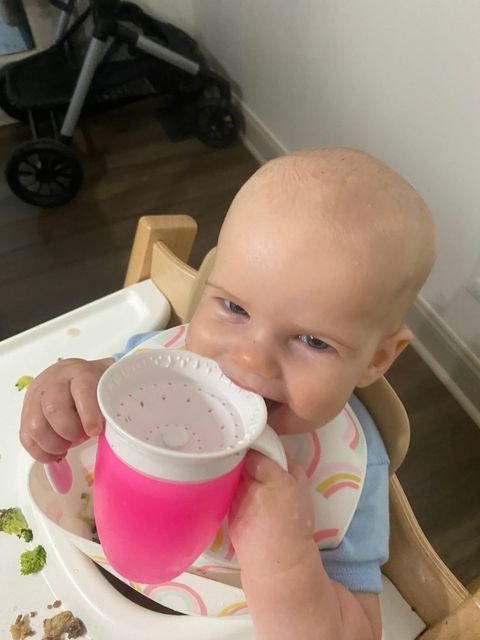
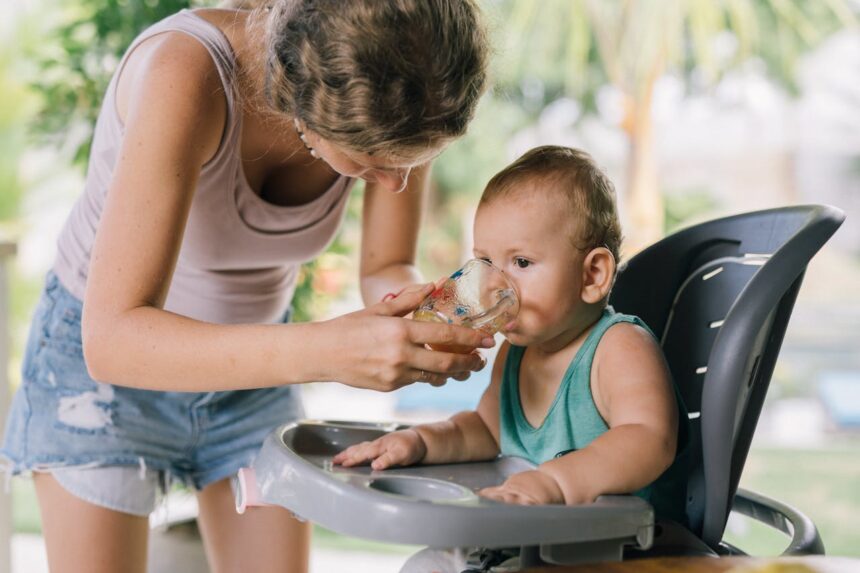
Use a small open cup, a straw cup, or a training cup. The CDC encourages cup practice during the period from 6 to 12 months. Your baby may spill at first. That is part of learning.
A simple routine might look like this:
- Offer breast milk or formula as usual.
- Serve a small amount of water with a meal.
- Let your baby decide how much to drink.
- Continue regular milk feeds during the day.
- Refill the cup with plain water as needed, while keeping the daily amount modest.
Never force your baby to drink. Pressure can make meals and drinking feel stressful.
Can a 10-month-old drink water at night?
A 10-month-old may have a few sips of water at night, but water should not replace a needed breast milk or formula feed. Many babies still wake for milk, while others sleep through the night.
If your baby wakes often, do not assume thirst is the cause. Hunger, teething, illness, a sleep change, or a need for comfort may also play a role.
Avoid putting a bottle of water, breast milk, or formula in the crib. Sleeping with a bottle can increase the risk of tooth decay and may create a strong sleep association. If your baby needs a drink, offer it while your baby is awake and held safely.
If you are trying to reduce night feeds, ask your pediatrician for advice. The right plan depends on growth, feeding patterns, and your baby’s health.
What drinks are safe for a 10-month-old?
For most healthy babies, the best drinks before age 1 are:
- Breast milk
- Iron-fortified infant formula
- Small amounts of plain water
Avoid giving a 10-month-old these drinks unless a health care professional gives specific instructions:
Cow’s milk as a main drink
The CDC and AAP advise waiting until around 12 months before offering cow’s milk as a primary drink. Small amounts used in cooking are generally different from replacing breast milk or formula with cow’s milk.
Cow’s milk does not have the right nutrient balance for infants under 12 months. It may also provide too much protein and certain minerals for a young baby’s kidneys.
Juice
The AAP recommends avoiding juice for children younger than 1 year. Whole fruit is a better choice because it contains fiber and requires chewing.
Sweet drinks
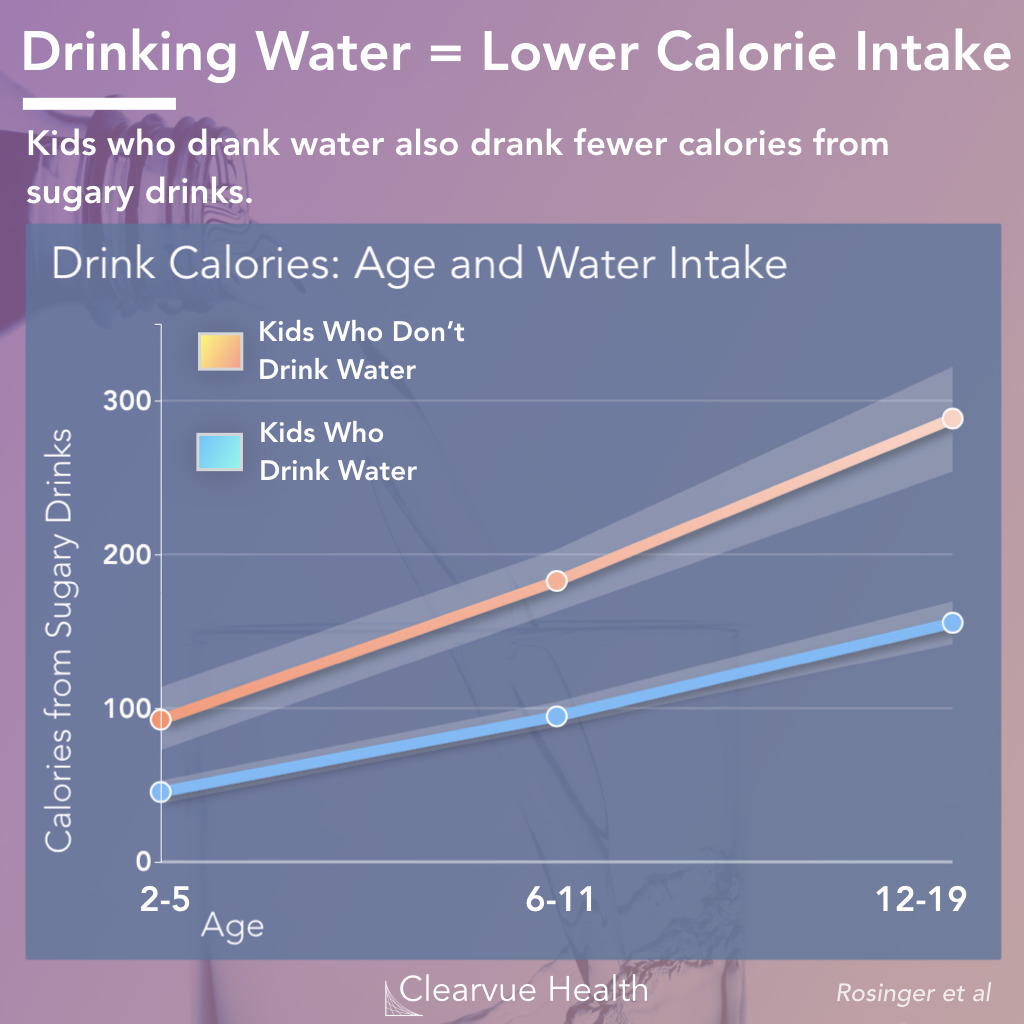
Do not give soda, sports drinks, sweet tea, flavored water, or other sugary drinks. They add sugar without providing the nutrients your baby needs.
Plant-based drinks
Most plant-based drinks should not replace breast milk or infant formula before 12 months. Some products may be used in special situations, but only with medical guidance.
Herbal drinks and tea
Herbal teas are not automatically safe for babies. Some contain ingredients that have not been well studied in infants. Ask your child’s doctor before offering tea or herbal products.

How much formula or breast milk does a 10-month-old need?
Breast milk or infant formula remains important throughout the first year. There is no single correct amount for every baby, especially for babies who breastfeed directly.
Many formula-fed babies drink several bottles each day, but the total varies by appetite, solid-food intake, growth, and feeding schedule. Some babies may take roughly 24 to 32 ounces of formula in 24 hours, but this is a general reference, not a rule for every child.
Breastfed babies may nurse at different times and for different lengths of time. You cannot measure the amount taken directly from the breast, so look at overall signs of good intake:
- Steady growth
- Regular wet diapers
- Normal energy and alertness
- Interest in feeding
- Satisfied behavior after many feeds
Solid foods become more important at 10 months, but they do not fully replace breast milk or formula yet. Continue offering milk feeds while introducing a variety of safe foods.

How can you tell if a 10-month-old is thirsty?
Babies may show thirst by reaching for a cup, opening their mouth, or becoming interested when you drink. Thirst cues can be subtle, so offering small amounts of water with meals is a simple approach.
A baby who drinks less water than another baby is not necessarily dehydrated. Breast milk, formula, fruits, vegetables, yogurt, and other foods also provide fluid.
Call your child’s doctor if you are concerned about dehydration, especially if your baby has vomiting, diarrhea, fever, or poor feeding. Possible warning signs include:
- Fewer wet diapers than usual
- Very dark urine
- Dry mouth or lips
- Few or no tears when crying
- Unusual sleepiness or weakness
- Sunken eyes
- A sunken soft spot on the head
- Cool or mottled skin
- Refusal to drink
A baby with severe symptoms, trouble waking, breathing problems, or no urine for a prolonged period needs urgent medical attention.

Does a sick 10-month-old need more water?
A sick baby may need more fluid, but plain water is not always the right answer. Vomiting and diarrhea can cause losses of water and salts. Giving large amounts of plain water may not replace those salts correctly.
Continue offering breast milk or formula in small, frequent amounts if your baby can keep them down. Ask your pediatrician whether an oral rehydration solution is appropriate. Use only a product and amount recommended for your baby.
Do not make homemade rehydration drinks unless a medical professional gives you an exact recipe. Do not dilute formula, and do not give sports drinks or juice to treat dehydration.
Contact a health care professional promptly if your baby cannot keep fluids down, has repeated vomiting, has frequent watery diarrhea, has blood in the stool, or shows signs of dehydration.
Can a 10-month-old drink too much water?
Yes. Too much plain water can be harmful, even though water is healthy in the right amount.
The main concern is that excess water can lower the sodium concentration in the blood. Early symptoms may include unusual irritability, vomiting, swelling, or sleepiness. Severe water intoxication can cause confusion, seizures, or loss of consciousness.
If your baby drinks a large amount of water at once or develops concerning symptoms after drinking excess water, contact a health care professional or Poison Control in the United States at 1-800-222-1222. Call 911 for a seizure, severe breathing problem, collapse, or inability to wake the baby.
Most babies do not need exact tracking. The safer approach is to offer small portions, keep breast milk or formula as the main milk source, and avoid leaving a large cup or bottle of water available for unrestricted drinking.

What type of cup should a 10-month-old use?
A 10-month-old can practice with an open cup, straw cup, or small training cup. The best choice is one your baby can use safely and that allows easy cleaning.
An open cup supports skill development, but spills are common. A straw cup may be easier for some babies. A valve cup can require more effort to use, so your baby may need practice.
Keep these points in mind:
- Sit your baby upright while drinking.
- Stay nearby during every drink.
- Check the cup often for mold or trapped food.
- Wash and dry the cup well.
- Do not let your baby walk, crawl, or lie down with a cup.
- Avoid cups filled with juice or sweet drinks.
Water does not need to be warmed. In the United States, tap water is generally suitable when it meets local safety standards. If your home uses well water, or if local officials issue a water advisory, follow local guidance. Ask your child’s doctor or health department about fluoride and water safety if you have concerns.

Common mistakes to avoid
The most common mistake is treating the 4-to-8-ounce range as a required amount. It is a general guide, not a quota.
Avoid these practices:
- Replacing breast milk or formula with water
- Giving water in a bottle throughout the day
- Adding extra water to formula
- Using juice to encourage drinking
- Giving water to treat vomiting or diarrhea without medical advice
- Offering cow’s milk as the main drink before 12 months
- Making a baby finish a cup
- Assuming every fussy baby is thirsty
Your baby’s doctor may recommend a different plan for kidney disease, heart disease, growth concerns, feeding problems, or other medical conditions. Personalized advice should take priority over general age-based guidance.

Quick guide: how much water is right?
Use this simple plan for a healthy 10-month-old:
- Offer plain water with meals and snacks.
- Start with a few sips at a time.
- Aim for about 4 to 8 ounces over the whole day.
- Keep breast milk or infant formula as the main milk source.
- Stop or reduce water if it replaces milk feeds.
- Call the pediatrician if your baby is ill, drinks a large amount, or shows signs of dehydration.
The goal is not to make your baby drink a precise number. The goal is to build a safe drinking habit while protecting milk intake and nutrition.

FAQs
Can a 10-month-old drink 8 ounces of water at once?
It is better to spread water across the day. Drinking 8 ounces at once may fill your baby’s stomach and reduce interest in breast milk, formula, or food. Offer small amounts instead.
Can water help a 10-month-old with constipation?
Small amounts of water with meals may support normal hydration, but constipation can have many causes. Offer age-appropriate high-fiber foods, such as soft fruits and vegetables, and ask your pediatrician before using juice, laxatives, or other treatments.
Should I give water after every bottle?
You do not need to give water after every bottle. Offer a few sips with meals or when your baby seems interested. Too much water may reduce milk intake.
Can a 10-month-old drink sparkling water?
Plain sparkling water is not needed and may cause gas or discomfort. Avoid flavored or sweetened sparkling drinks. Plain still water is the simpler choice.
Is bottled water better than tap water for a baby?
Not usually. Bottled water is not automatically safer or better. If your local tap water is safe, it can generally be used. Ask your pediatrician or local health department about fluoride, well water, or a local water advisory.
When should I call the pediatrician about water intake?
Call if your baby drinks very large amounts, refuses breast milk or formula, has fewer wet diapers, vomits repeatedly, has diarrhea, seems unusually sleepy, or has other signs of illness or dehydration.
Conclusion
A healthy 10-month-old can usually drink 4 to 8 ounces of plain water per day, offered in small amounts. Breast milk or infant formula should still provide most of the baby’s milk and key nutrients until the first birthday.
Offer water with meals, use a safe cup, and let your baby decide how much to drink. If illness, dehydration, a medical condition, or feeding difficulty changes the situation, contact your pediatrician for personal guidance.
Sources
- American Academy of Pediatrics: Water and Juice for Infants and Toddlers
- Centers for Disease Control and Prevention: Cow’s Milk and Milk Alternatives
- Centers for Disease Control and Prevention: Foods and Drinks for 6 to 24 Month Olds
- American Academy of Pediatrics: Recommended Drinks for Children Age 5 and Younger
- Poison Control: Water Intoxication