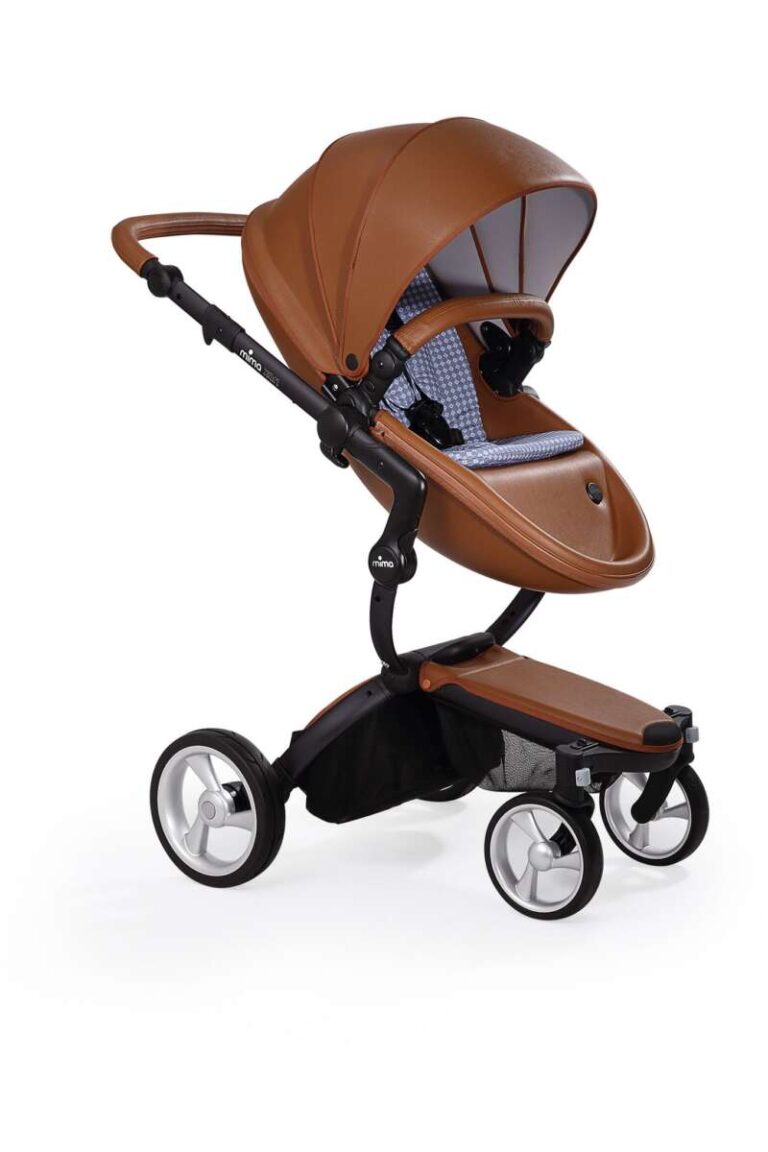
When buying a stroller, prioritize safety, age fit, daily use, comfort, fold size, terrain, and long-term value.
Choosing a stroller can feel like choosing a small vehicle for your family. It must carry your child safely, fit your lifestyle, and survive daily trips, naps, errands, and unexpected messes. Knowing what to consider when buying a stroller helps you avoid paying for features you will not use while protecting the features that matter most.
Start With Your Child’s Age and Stage
The first step in understanding what to consider when buying a stroller is checking whether it suits your child’s age, weight, and development. A stroller for a newborn has different needs from one for a toddler who can sit and walk.
Many standard stroller seats are designed for babies who can sit upright without support. This often happens around 6 months, but every child develops at a different pace. Always follow the stroller maker’s age and weight limits.
Newborns need one of these options:
• A fully flat recline approved for newborn use
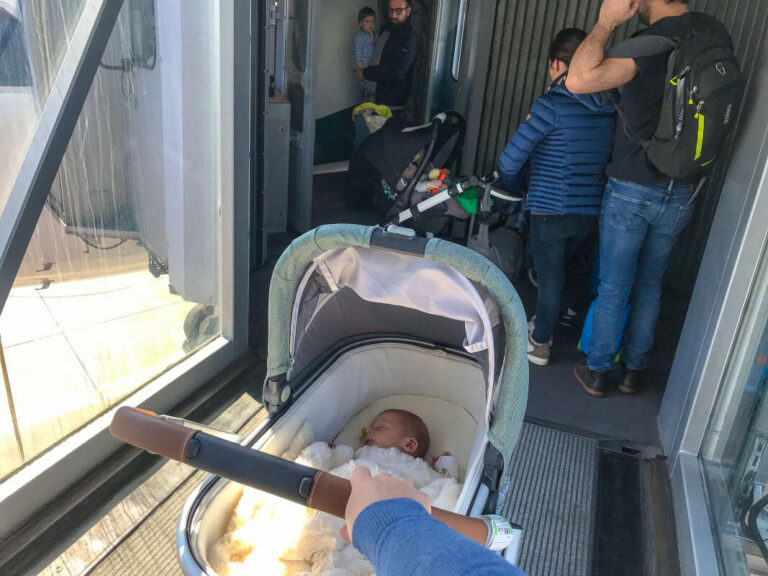
• A compatible bassinet
• An approved infant car seat attachment
A deep recline is not always the same as a flat, newborn-safe surface. If the seat leaves your baby’s chin pressed toward the chest, it may affect breathing. Young babies also need strong head and neck support.
For infants, check these details:
• The minimum age listed by the manufacturer
• The minimum and maximum weight limits
• The recline angle
• The level of head and body support
• Whether a bassinet or car seat adapter is included
• Whether the product is approved for overnight sleep
A stroller is not usually a safe replacement for a crib or bassinet. Pediatric safety guidance recommends moving a sleeping baby to a firm, flat sleep surface as soon as practical. Never leave a baby unattended in a stroller, especially during sleep.
Choose the Right Stroller Type
Stroller types are built for different lifestyles. Comparing them early makes what to consider when buying a stroller much easier.
Full-size strollers
Full-size strollers often provide the best balance of comfort, storage, and features. They may include a large seat, adjustable handlebar, roomy basket, sun canopy, and reversible seat.
They are a strong choice for daily use. The trade-off is size. A full-size model may be heavy or difficult to lift into a smaller car.
Lightweight and umbrella strollers
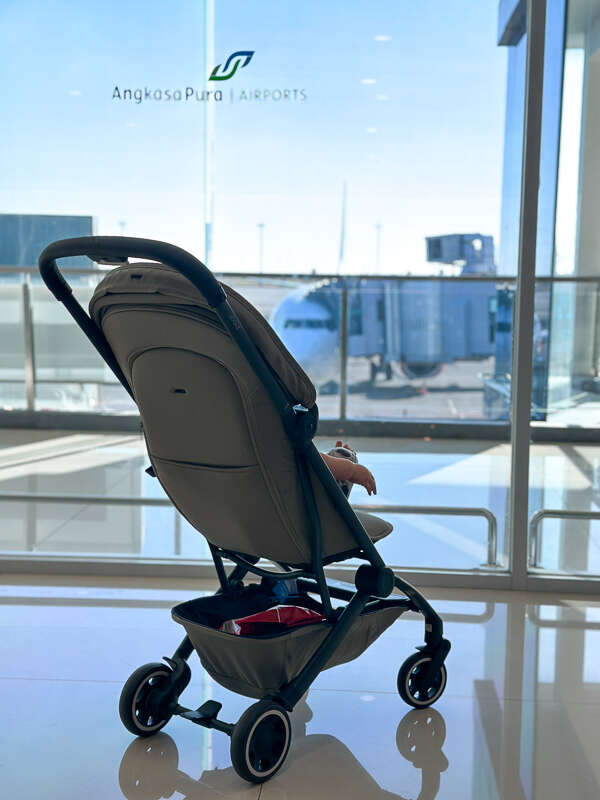
Lightweight strollers are useful for travel, quick errands, and older babies or toddlers. They are easy to carry and store.
However, some have small wheels, limited padding, little storage, and weak suspension. Many are not suitable for newborns. Check the minimum age before buying one.
Travel systems
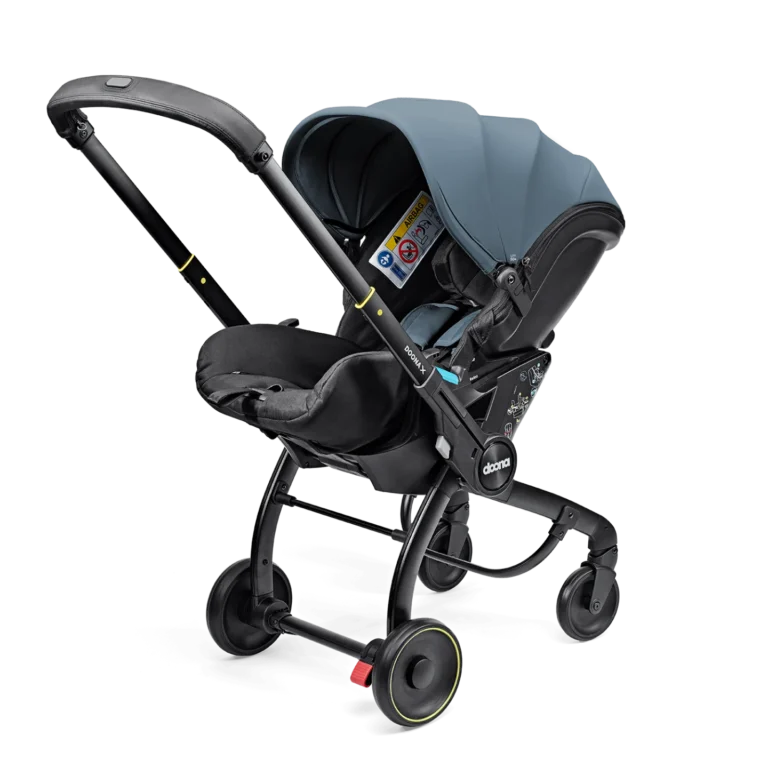
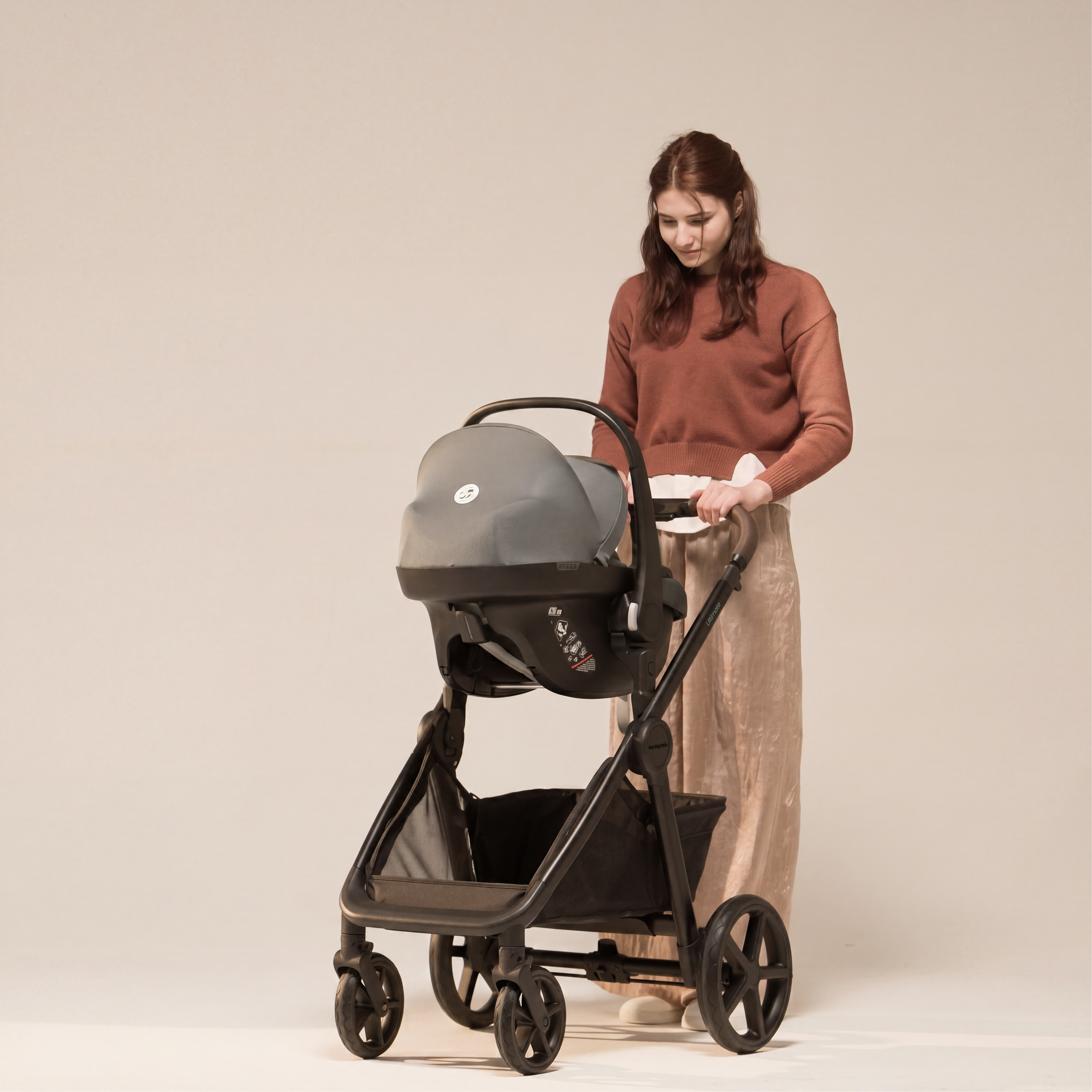
A travel system combines a stroller with an infant car seat. The car seat can click onto the stroller frame, which is useful when moving a sleeping infant from the car.
This setup can save time during the first year. Still, do not let convenience replace safe sleep habits. A car seat is designed for travel, not routine sleep outside the vehicle.
Jogging strollers
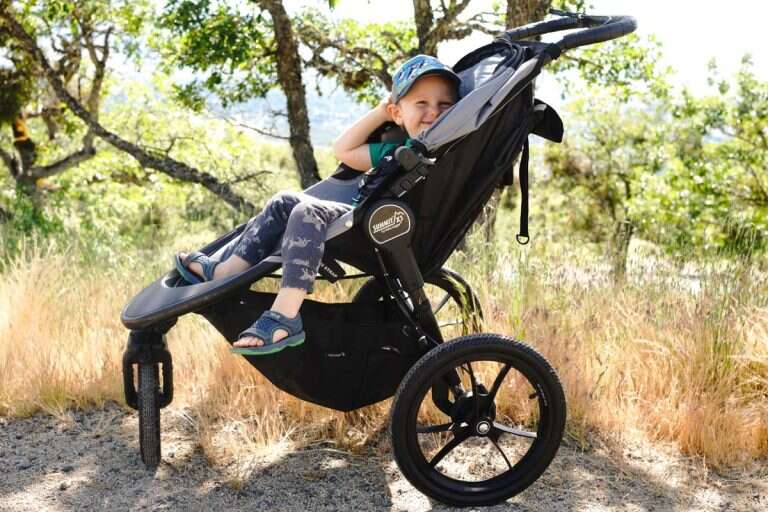
Jogging strollers use larger wheels and stronger suspension. They are designed for active parents and uneven paths.
A true jogging stroller should have a fixed front wheel or a front wheel that locks securely, a hand brake, and a five-point harness. Most experts advise waiting until a baby has enough head and neck control before jogging with the stroller. Follow the manufacturer’s age guidance.
Double and convertible strollers
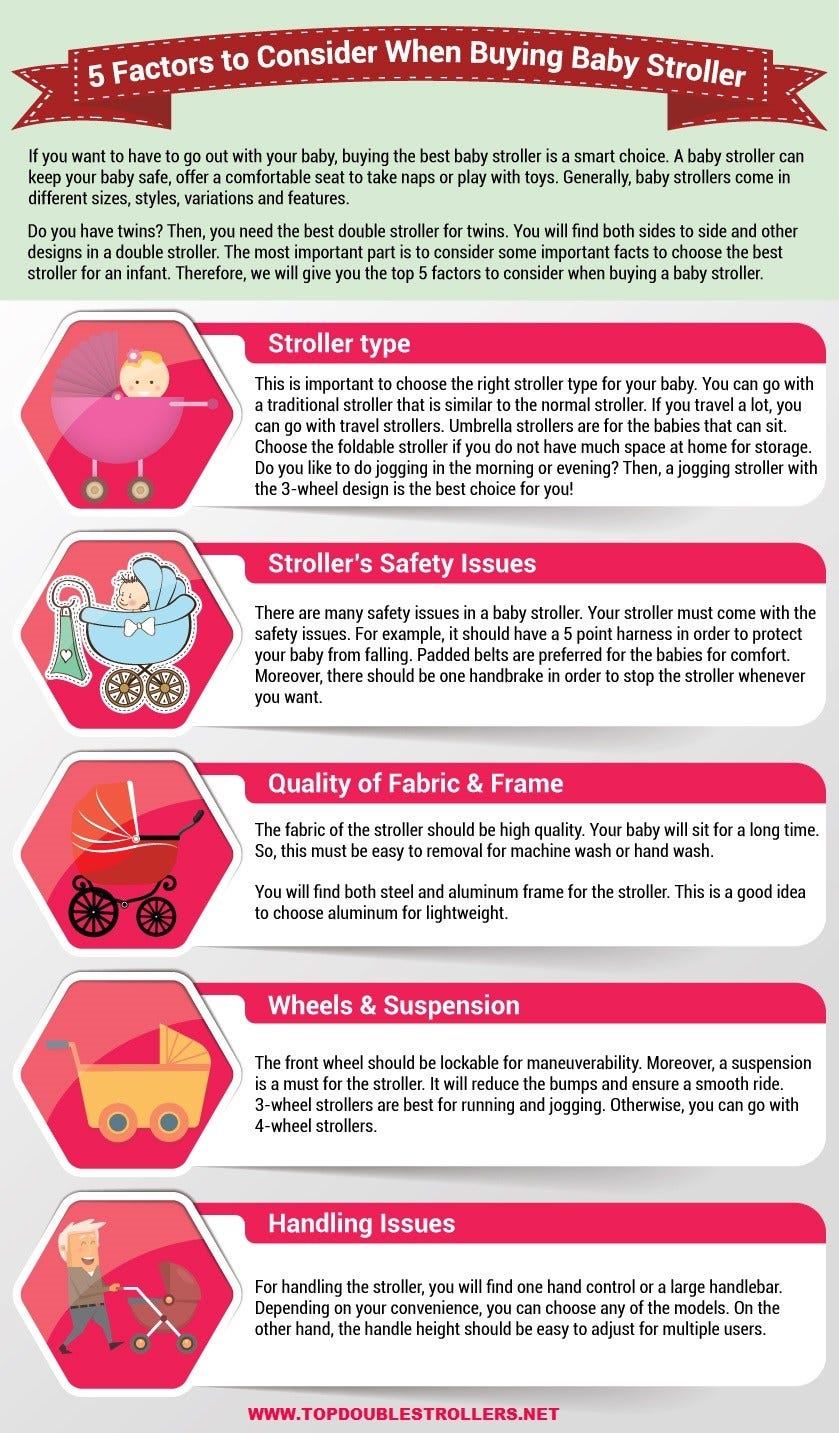
Double strollers carry two children. Tandem models place one seat behind the other, while side-by-side models place the seats next to each other.
Convertible models may change from a single to a double stroller. They can offer long-term value, but they may be heavy and wide. Measure doorways, elevators, car trunks, and store aisles before buying.
Car seat frames
A car seat frame is a simple base that holds an infant car seat. It is often light and convenient during the newborn months.
The limitation is that your baby may outgrow the infant car seat before needing a larger stroller seat. It may work best as a short-term option rather than a complete stroller solution.

Consider Where You Will Use It
Your daily route is one of the most important answers to what to consider when buying a stroller. A stroller that works well on smooth sidewalks may struggle on gravel, grass, sand, or cracked pavement.
Think about your normal week:
• Do you walk on city sidewalks?
• Do you use public transportation?
• Do you visit parks or trails?
• Do you climb stairs?
• Do you shop in narrow stores?
• Do you travel by plane?
• Do you need to lift the stroller into a vehicle?
For city use, look for a narrow frame, good maneuverability, and a strong brake. A compact stroller can turn through small spaces and fit into crowded elevators.
For suburban life, a larger basket and a smoother ride may matter more. You may also prefer a stroller that folds easily into your vehicle.
For rough ground, choose larger wheels and suspension. Foam-filled or rubber wheels usually need less maintenance than air-filled tires. Air tires can offer a smooth ride but may puncture and require inflation.
For beach use, even large wheels may struggle in soft sand. Some families use a wagon designed for sand instead of forcing a standard stroller through it.
A useful test is to push the stroller with one hand while turning. If the frame pulls to one side, the wheels feel stiff, or the handle flexes too much, daily use may become tiring.

Check Safety Features First
Safety should lead every discussion about what to consider when buying a stroller. A beautiful design or low price cannot make up for weak brakes, poor restraints, or an unstable frame.
Look for a five-point harness. It should secure the child at the shoulders, waist, and between the legs. The straps should adjust smoothly and fit snugly without pressing into the skin.
Important safety features include:
• A reliable parking brake
• A secure five-point harness
• A stable, wide base
• A locking hinge that prevents accidental folding
• A wrist strap on jogging models
• No sharp edges or exposed springs
• Strong wheel attachments
• A canopy that does not block airflow
• A clear warning label and instruction manual
Always engage the brake before placing your child in the stroller or removing them. Do not hang a heavy bag from the handlebar unless the stroller maker allows it. Extra weight can make the stroller tip backward.
Avoid adding aftermarket accessories that interfere with the harness, fold, wheels, or balance. A universal cup holder may seem harmless, but poorly fitted items can create a snag or tipping risk.
In the United States, check that the stroller meets current federal safety requirements. The Consumer Product Safety Commission has recalled strollers for issues such as folding failures, wheel detachment, brake problems, and harness defects. Search the model number before buying a used stroller.
Evaluate Comfort for Your Baby
A comfortable child is more likely to enjoy stroller rides. Comfort is therefore a practical part of what to consider when buying a stroller, not just a luxury feature.
Look for padding that supports the back without making the seat too soft. The seat should have enough room for your child to sit naturally. Your child’s head should not press against the canopy, and their feet should have room to rest.
A good stroller seat may offer:
• Multiple recline positions
• Adjustable calf support
• A padded harness
• Breathable fabric
• A removable and washable seat cover
• A large canopy with ventilation
• A reversible seat direction
A reversible seat lets your baby face you during the early months and face outward later. Parent-facing mode can help you watch a young baby. Forward-facing mode may help an older child see the world.
Look for airflow in warm weather. A large canopy is helpful, but it should not seal the stroller like a closed box. Mesh panels can improve ventilation while still offering shade.
Try the seat with your child’s coat or layers if possible. A snug summer fit may feel tight in winter. Also check whether the buckle is easy for an adult to use but difficult for a child to release.

Think About Weight, Fold, and Storage
Parents often focus on the open stroller and forget the folded stroller. That is a common mistake. The folded size can matter more than the design because you may lift it several times each day.
Measure your vehicle’s trunk before buying. Include the height, width, and depth of the folded stroller. If you use a compact car, a large stroller may take up most of the cargo space.
Ask these questions:
• Can you fold it with one hand?
• Does it stand when folded?
• Is the fold automatic or manual?
• Can you remove the seat before folding?
• Does the folded frame have sharp parts?
• Can you lift it without straining your back?
• Will it fit through your home’s storage space?
A one-hand fold can be useful when holding a baby. But do not assume every one-hand fold is simple. Test it several times in a store or watch a clear demonstration.
Weight also matters. A stroller that feels manageable in a showroom may feel heavy after a long walk or when lifted into a car. If you live in a building without an elevator, choose a model you can carry safely.
From my experience testing baby gear, parents often regret buying a stroller that is too heavy more than buying one with fewer luxury features. A lighter stroller that meets your needs usually gets more use than a feature-rich model that stays at home.
Compare Wheels and Suspension
Wheels affect comfort, control, and durability. They are one of the most overlooked parts of what to consider when buying a stroller.
Small plastic wheels may work on smooth indoor floors and sidewalks. Larger wheels usually handle cracks, grass, and uneven paths better. Swivel front wheels improve turning, while a lockable front wheel adds stability on rough ground.
Suspension helps reduce the shock from bumps. It does not need to be complex, but it should keep the seat from shaking hard over normal surfaces.
Check the wheels for:
• Smooth rotation
• Secure attachment
• A lock that holds firmly
• A brake that stops both rear wheels
• Enough clearance from the frame
• Resistance to wobbling
Push the stroller over several surfaces if possible. Try a tight turn, a curb cut, and a slight slope. A stroller may feel smooth on a showroom floor but behave differently outdoors.
For a jogging stroller, never rely only on the front wheel. Use the wrist strap, keep the harness secure, and follow the maker’s instructions about speed, terrain, and child age.

Check the Handlebar and Parent Features
Parents spend more time pushing the stroller than they expect. Handlebar comfort can prevent wrist, shoulder, and back strain.
An adjustable handlebar is helpful when caregivers have different heights. The grip should feel secure without being too hard or slippery. A single handlebar can make one-handed steering easier than two separate handles.
Useful parent features may include:
• A cup holder
• A zippered storage pocket
• A phone pocket
• A hand brake on jogging models
• An easy-to-reach parking brake
• An adjustable handlebar
Do not select a stroller based on accessories alone. Cup holders and organizers are easy to add later. A poor frame, weak brake, or awkward fold is much harder to fix.
One lesson I learned from testing strollers is that storage design matters more than storage size. A large basket is useful only if you can reach it when the seat is reclined. Check whether your diaper bag, groceries, and blanket fit without touching the wheels.

Look at Storage, Canopies, and Weather Protection
Daily stroller use involves more than carrying a child. You may also carry diapers, snacks, a water bottle, extra clothing, and small purchases.
A lower basket should be easy to reach from the rear and sides. Check its weight limit and avoid placing heavy objects near the child’s feet. A small zippered pocket can protect keys and a phone.
The canopy should provide shade without blocking airflow. Ultraviolet protection can help reduce sun exposure, but it does not replace sunscreen, protective clothing, and safe timing outdoors.
For changing weather, consider:
• A rain cover made for the stroller
• A breathable sun canopy
• A foot cover for cold weather
• Reflective details for low light
• Washable fabric
• Quick-drying materials
Do not drape a blanket over the stroller canopy to block the sun. It can trap heat and reduce airflow. Use products designed for your stroller and keep ventilation open.

Compare Car Seat Compatibility
If you plan to use a travel system, car seat compatibility is a key part of what to consider when buying a stroller. Not every infant car seat fits every stroller, even when both products come from the same brand family.
Check whether the stroller includes the adapter. Some adapters are sold separately. Confirm the exact car seat model, not just the brand name.
Before using the setup, make sure:
• The car seat clicks into place
• Both sides lock securely
• The adapter does not wobble
• The car seat remains at the correct angle
• The release buttons are easy to access
• The stroller maker approves the combination
Never place an infant car seat loosely inside a stroller seat or basket. Never use a homemade adapter. A secure connection is essential.
Remember that a car seat should be installed according to its own instructions. A stroller attachment does not change how the car seat works in a vehicle.
Set a Realistic Budget
Price is an important part of what to consider when buying a stroller, but the most expensive model is not always the best fit.
A low-cost stroller may work well for short trips or occasional travel. A premium stroller may offer better materials, suspension, modular parts, and warranty service. The right choice depends on how often you will use it and which features solve real problems.
Consider the full cost:
• The stroller frame and seat
• A bassinet
• A car seat adapter
• A rain cover
• A snack tray
• A replacement part
• Shipping or assembly
• Future maintenance
A stroller used every day may justify spending more on comfort, wheels, and durability. A stroller used only during travel may be better if it is light and compact.
Used strollers can offer good value. Inspect them carefully for recalls, missing parts, broken hinges, loose wheels, damaged harnesses, and unclear instructions. Avoid a used stroller if you cannot confirm its history or safety condition.
Inspect Quality and Maintenance Needs
Good construction can extend a stroller’s useful life. Look for strong seams, smooth hinges, secure snaps, and a frame that does not twist under light pressure.
Ask how the stroller should be cleaned. Removable, machine-washable fabric is easier to maintain than fabric that must stay attached to the frame.
Regular care may include:
• Wiping dirt from the frame
• Cleaning crumbs from the folding joints
• Checking the harness
• Testing the brake
• Tightening approved hardware
• Inspecting wheels for wear
• Keeping the stroller dry after rain
Do not use oil or cleaning products unless the manufacturer allows them. Some products can damage plastic, fabric, or brake parts.
Keep the instruction manual and register the stroller when possible. Product registration can help you receive recall notices. Also save the model number and purchase date for warranty claims.
Test the Stroller Before You Buy
Online reviews can help, but they cannot replace hands-on testing. A stroller can look perfect in photos and feel awkward in real life.
When testing a stroller, complete this short checklist:
- Push it with one hand.
- Turn it in a tight space.
- Test the brake.
- Adjust the harness.
- Recline and raise the seat.
- Open and close the canopy.
- Fold and unfold the frame.
- Lift it from the floor.
- Check the basket with the seat reclined.
- Test it with your child if the store allows it.
Notice your posture. Your shoulders should stay relaxed, and your wrists should not bend sharply. Listen for strange clicks or grinding sounds.
Bring measurements of your car trunk, front door, elevator, and storage area. These simple numbers can prevent an expensive mistake.
One of the biggest lessons from real-world stroller testing is to practice the fold while carrying something in your other hand. A stroller that is easy to fold with two free hands may be frustrating when your baby is upset in a parking lot.
Common Stroller Buying Mistakes to Avoid
Understanding what to consider when buying a stroller also means knowing what not to do. Small oversights can create daily frustration or safety risks.
Avoid these mistakes:
• Buying for appearance instead of your daily route
• Ignoring the stroller’s weight
• Assuming a newborn can use any reclined seat
• Forgetting to measure the car trunk
• Hanging a heavy diaper bag from the handlebar
• Using an unapproved car seat adapter
• Choosing tiny wheels for rough terrain
• Skipping a recall check
• Buying too many accessories before testing the basics
• Treating a stroller as a safe overnight sleep space
Do not buy a stroller only because it is popular online. Reviews can reflect different needs, climates, children, and lifestyles. A parent in a city apartment may value a narrow fold, while a parent near hiking trails may need suspension and large wheels.
The best stroller is not the one with the longest feature list. It is the one you can use safely, comfortably, and often.
A Simple Stroller Buying Checklist
Use this checklist when comparing models. It brings together the main points of what to consider when buying a stroller.
Child fit
• Is it safe for your child’s age and weight?
• Does it support a newborn if needed?
• Does the harness adjust correctly?
• Is there enough room to grow?
Safety
• Does it have a five-point harness?
• Does the brake work well?
• Does the frame lock open and closed?
• Is the stroller stable on a slope?
• Has the model had a recall?
Daily use
• Can you push it with one hand?
• Does it fit your car and home?
• Is the fold simple enough for you?
• Is the basket easy to reach?
• Can you lift it safely?
Terrain
• Are the wheels suitable for your roads and paths?
• Does it have useful suspension?
• Can the front wheel swivel or lock as needed?
Weather and cleaning
• Is the canopy large enough?
• Does the stroller offer good airflow?
• Can you wash the fabric?
• Are rain and cold-weather accessories available?
Long-term value
• Does it fit your budget?
• Are replacement parts available?
• Is the warranty clear?
• Can another child use it later?
Frequently Asked Questions About What to Consider When Buying a Stroller
What is the most important thing to consider when buying a stroller?
Safety, age suitability, and daily fit are the most important factors. A stroller should match your child’s development and work well on the surfaces, routes, and storage spaces you use most.
What stroller is best for a newborn?
A newborn needs a stroller approved for newborn use, such as one with a fully flat seat, a compatible bassinet, or an approved infant car seat attachment. Always follow the manufacturer’s age guidance and avoid using the stroller as a routine sleep space.
How much should I spend on a stroller?
Spend based on how often you will use it and which features you truly need. A daily stroller may justify a higher budget for comfort, wheels, durability, and repair support, while an occasional travel stroller can be simpler.
Are bigger stroller wheels better?
Bigger wheels usually handle uneven ground more smoothly, but they can make a stroller heavier and less compact. Choose wheels based on your usual terrain rather than size alone.
Is a travel system worth buying?
A travel system can be useful if you often move an infant between the car and stroller. Check that the car seat and stroller are approved to work together, and remember that a car seat is not intended for routine sleep.
Should I buy a stroller with a reversible seat?
A reversible seat can be useful because it lets a young baby face you and an older child face outward. It may add weight or make the fold larger, so compare the feature with your storage and travel needs.
What should I check when buying a used stroller?
Check the model for recalls, missing parts, loose wheels, a damaged frame, worn brakes, and a working five-point harness. Do not buy it if you cannot confirm its safety history or find reliable instructions.
Conclusion
Knowing what to consider when buying a stroller helps you focus on the features that affect real family life. Start with your child’s age, then compare safety, comfort, terrain, fold size, weight, storage, car seat compatibility, maintenance, and price.
Test the stroller before you buy it whenever possible. Measure your car and home, check the safety information, and choose a model that fits your routine rather than chasing the longest feature list. Use this guide as a checklist, compare trusted models, and share your own stroller experience in the comments.