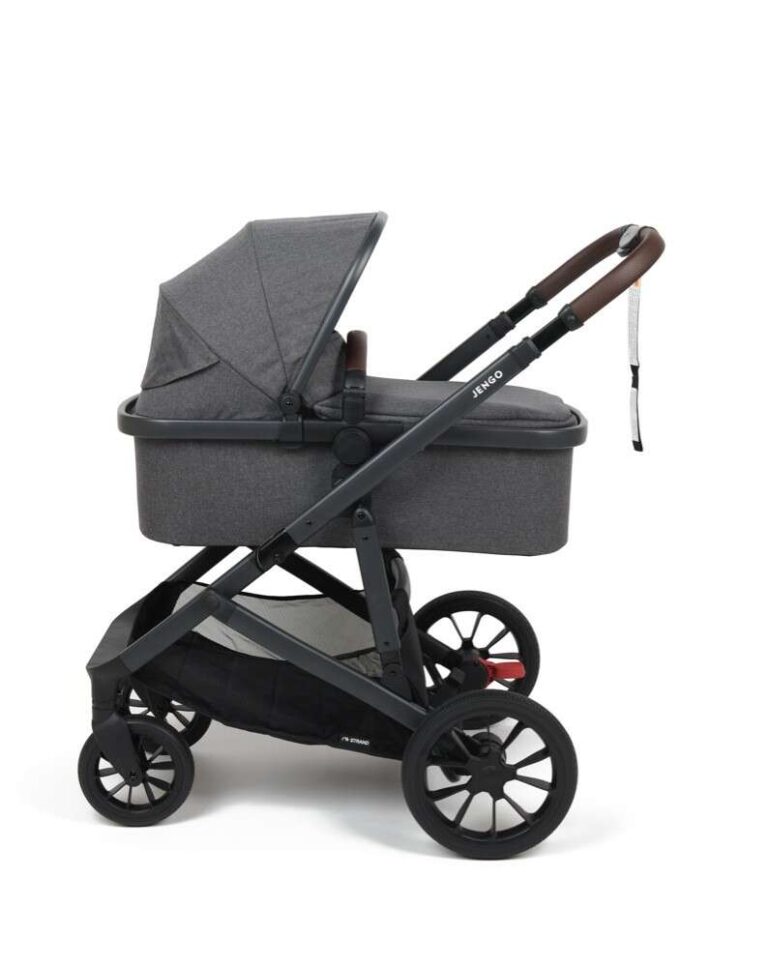
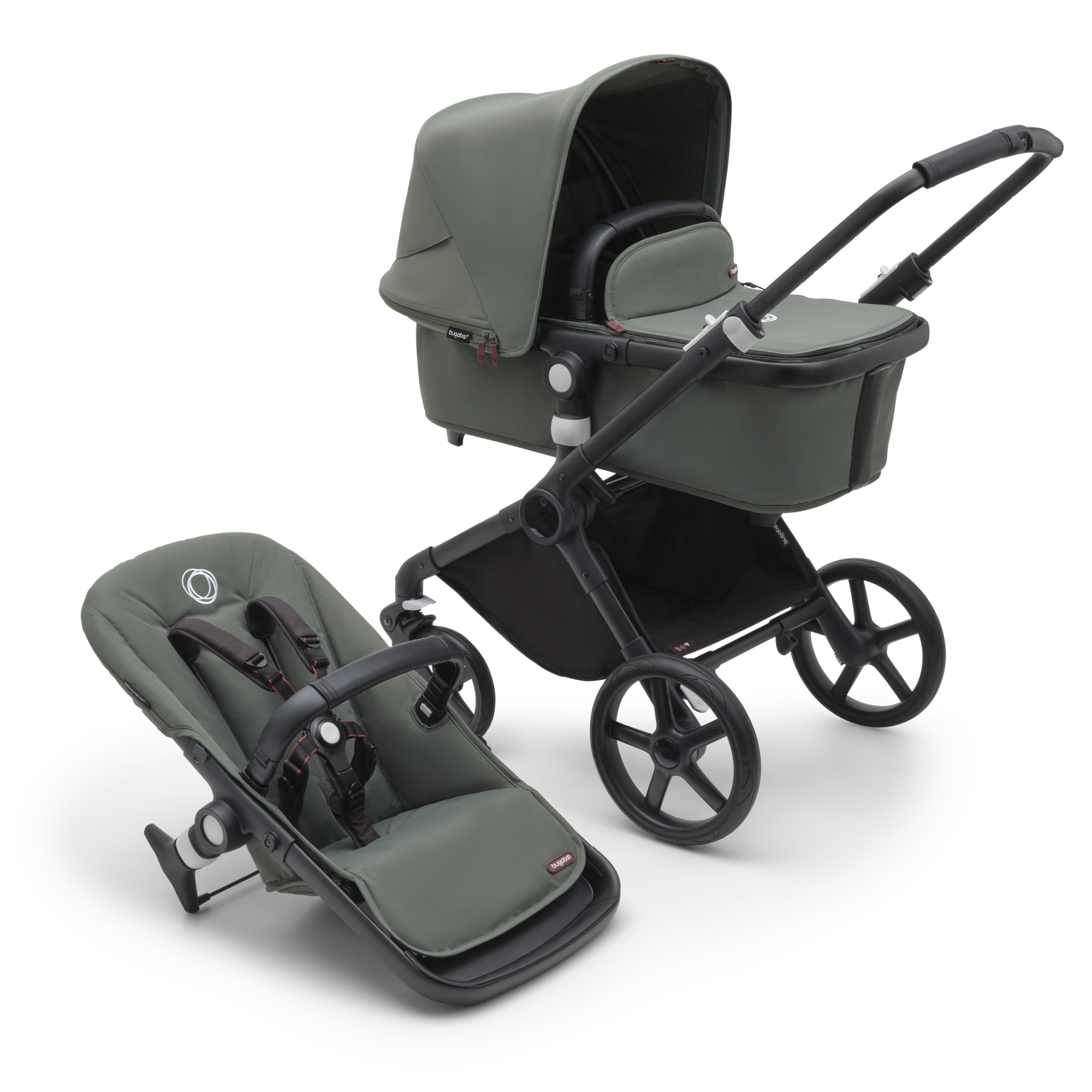
Most babies switch from a stroller bassinet to a seat around 3 to 6 months, when they show strong head control.
Knowing when to change stroller from bassinet to seat is less about a specific birthday and more about your baby’s skills, size, and the stroller manual. This guide explains the signs to watch, safety checks to make, and simple steps for a smooth transition.
When to Change From a Stroller Bassinet to a Seat
The best time to change stroller from bassinet to seat is when your baby can hold their head steady, sit with support, and no longer fits comfortably in the bassinet. Many babies reach this stage between 3 and 6 months, but development varies.
Always check the stroller manufacturer’s instructions first. Some stroller seats are safe from birth when fully reclined, while others are designed only for babies who can sit upright. The age range printed on the stroller is a guide, not a replacement for checking your child’s development.
Your baby may be ready when they can:
• Hold their head up without it falling forward or to the side
• Keep their upper body steady during short periods of supported sitting
• Fit safely within the bassinet’s height and weight limits
• Show curiosity about the world outside the bassinet
• Push up on their arms during tummy time
• Stay comfortable when lying flat but need more room to move
The exact timing depends on the bassinet design, your baby’s growth, and the seat’s recline options. A baby who is large for their age may outgrow the bassinet before they are ready to sit fully upright.

Signs Your Baby Is Ready for the Stroller Seat
When deciding when to change stroller from bassinet to seat, look closely at your baby’s control and comfort. A baby who still slumps, flops forward, or needs constant support may not be ready for an upright seat.
The stroller seat should support your baby’s whole body. Their head should stay within the headrest area, and their hips should sit back against the seat rather than sliding down.
Strong head and neck control
Head control is one of the clearest signs of readiness. Your baby should be able to keep their head centered while the stroller moves over smooth ground.
If their chin drops toward their chest, stop and adjust the seat. A chin-to-chest position can make breathing harder, especially in a deeply reclined but poorly fitted seat.
Supported sitting
Your baby does not need to sit alone before using every stroller seat. However, they should have enough trunk control to sit safely with the seat reclined and the harness properly fitted.
A five-point harness helps hold your baby in place, but it does not create the body support that a young infant needs. The seat itself must provide that support.
Bassinet limits
Do not wait until your baby looks cramped or tries to climb out. Check the bassinet’s:
• Maximum weight
• Maximum length
• Head and foot clearance
• Rolling or sitting restrictions
• Age guidance
• Mattress and harness instructions
When your baby reaches any listed limit, stop using the bassinet, even if they still seem comfortable.
What Age Do Babies Move to a Stroller Seat?
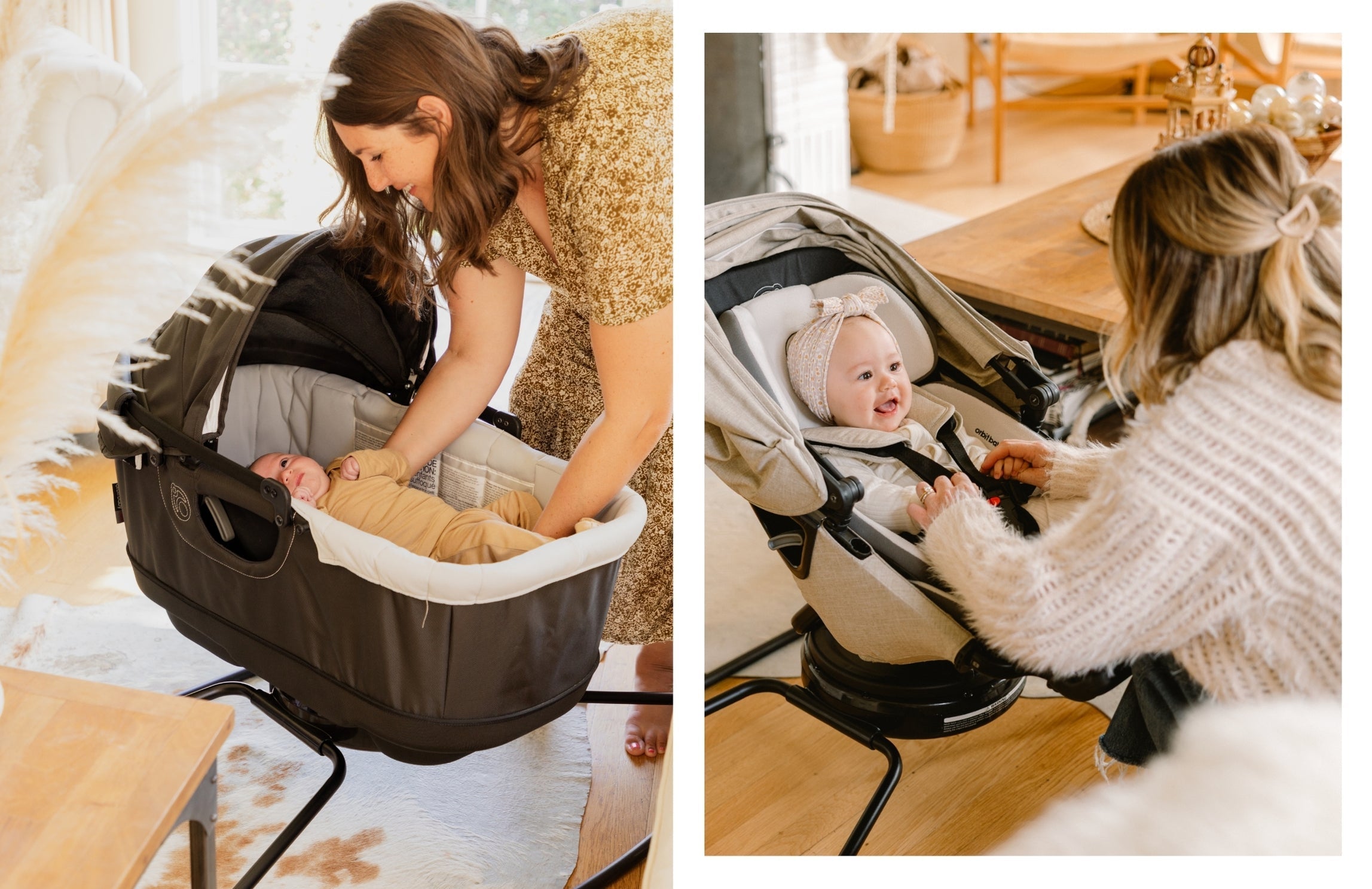
Most babies move from a bassinet to a stroller seat between 3 and 6 months. Still, the answer to when to change stroller from bassinet to seat depends more on development than age.
Some babies have strong head control at 4 months. Others need more time. Premature babies may reach physical milestones later based on their corrected age, so ask your pediatrician if you are unsure.
A stroller seat that reclines nearly flat may work for a younger baby if the manufacturer clearly approves it. A fixed upright seat usually requires better head, neck, and trunk control.
Do not use the seat in a fully upright position simply because your baby wants to see out. Curiosity is not the same as physical readiness. Think of the transition as moving from a firm nest to a supported chair: your baby needs the strength to use that chair safely.
Bassinet Versus Stroller Seat Safety
The key safety question is not only when to change stroller from bassinet to seat. It is also whether the seat matches your baby’s current abilities and your planned activity.
A bassinet keeps a young baby flat and supported. A seat offers more room to look around, but it can place pressure on the baby’s neck, back, and hips if used too soon.
Before the first ride, check these safety points:
• Read the stroller manual from start to finish
• Confirm the seat’s minimum age and weight range
• Use the five-point harness every time
• Keep the harness snug without pinching the skin
• Adjust the shoulder straps to the correct height
• Lock the seat into place before placing your baby inside
• Keep the stroller away from stairs, pools, and moving cars
• Use the parking brake whenever you stop
• Never hang a heavy bag from the handlebar
• Keep small toys and loose items away from your baby’s face
The American Academy of Pediatrics advises using a properly fitted harness in a stroller and avoiding situations where a child can slip down or become trapped. The Consumer Product Safety Commission also emphasizes checking stroller restraints, brakes, folding parts, and recalls.
Safe sleep reminder
A stroller bassinet is not automatically a safe sleep space for long naps or overnight sleep. Unless the product is specifically designed and approved for infant sleep, move your baby to a firm, flat crib or bassinet when you arrive home.
Never cover the stroller with a blanket to block sunlight. It can reduce airflow and raise the temperature inside. Use the stroller canopy, dress your baby in light layers, and watch for signs of overheating.
How to Make the Transition Smooth
Once you know when to change stroller from bassinet to seat, begin with short outings. Choose a quiet route with smooth sidewalks instead of starting with a crowded store or a long walk.
Start with the seat in its most reclined approved position. As your baby gains strength, you can slowly raise the backrest according to the manufacturer’s instructions.
Try this simple plan:
- Practice sitting in the seat indoors while the stroller remains still.
- Check that your baby’s head, back, and hips are well supported.
- Fasten the harness and test its fit with two fingers of space.
- Take a short walk near home.
- Watch your baby for slumping, fussing, or tiredness.
- Increase the outing length only when your baby stays comfortable.
My most useful practical lesson is to inspect the fit after every growth spurt. Babies can gain length quickly, and a harness that fit well last month may now sit too low or too loosely.
A small rolled towel may seem helpful, but do not add cushions, head supports, or aftermarket inserts unless the stroller maker approves them. Extra padding can change the harness position and create a safety risk.
Common Mistakes Parents Should Avoid
Many parents search for when to change stroller from bassinet to seat after seeing their baby push up or twist. Those movements matter, but they do not always mean the baby is ready for an upright seat.
Avoid these common mistakes:
• Switching based only on age
• Waiting until the baby can climb out
• Using an upright seat before strong head control develops
• Ignoring the stroller’s weight or length limit
• Leaving the harness loose
• Letting the baby sleep in the stroller for long periods
• Adding pillows or thick blankets for support
• Carrying heavy shopping bags on the handlebar
• Using a recalled or damaged stroller
• Letting an older sibling push the stroller without close supervision
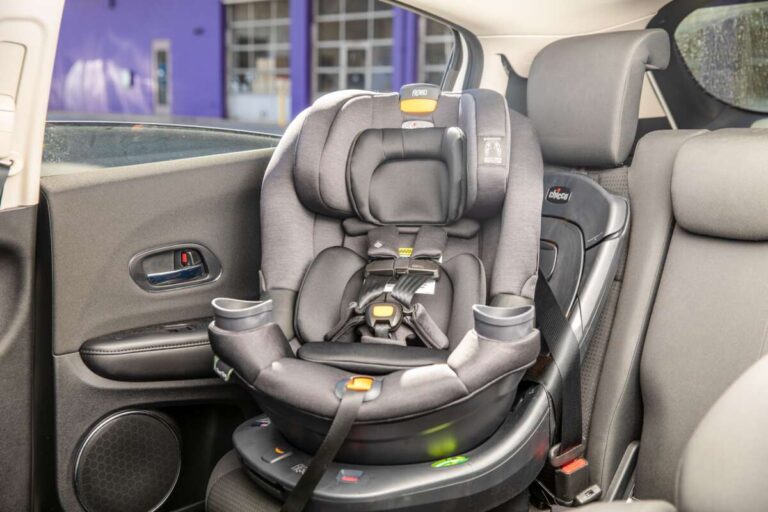
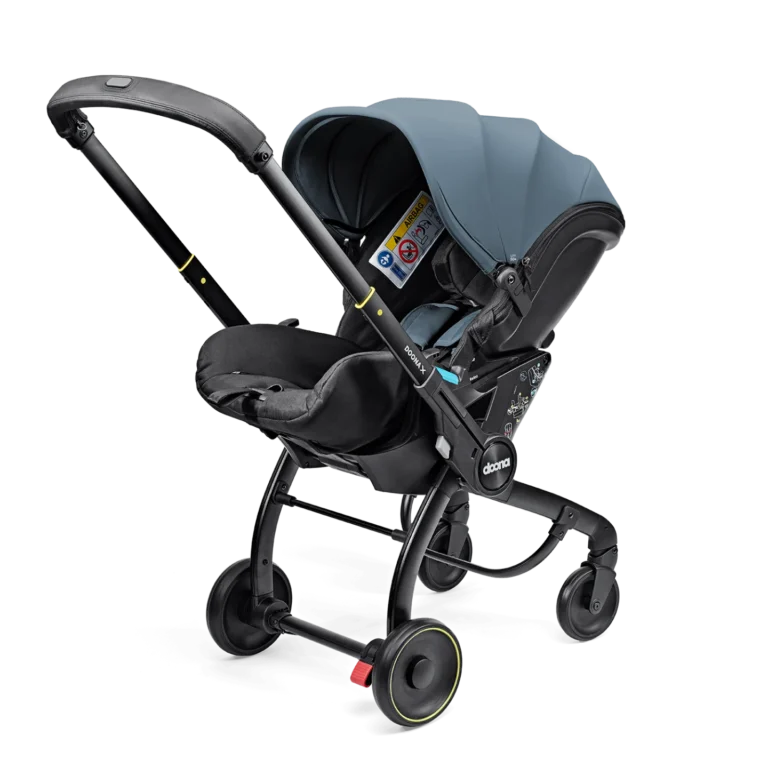
Another common error is confusing a stroller seat with a car seat. A stroller-compatible infant car seat supports a young baby in a different way, but it should still be used only as directed. Avoid keeping your baby in a car seat for longer than needed after you leave the vehicle.
If your baby repeatedly slumps, turns pale, struggles to breathe, or seems poorly supported, stop the ride. Recheck the setup and ask your pediatrician or the stroller manufacturer for guidance.

Choosing the Right Stroller Seat Position
When deciding when to change stroller from bassinet to seat, consider more than the backrest angle. The footrest, harness, shoulder straps, and seat depth all affect comfort and safety.
A young baby may need:
• A deep recline approved for their age
• A supportive headrest
• A secure five-point harness
• A footrest that prevents the legs from dangling
• A padded but firm seat surface
• Protection from direct sun and wind
Your baby’s face should remain visible. You should be able to check their breathing, skin color, and body position at a glance.
Some parents prefer a parent-facing seat during the early transition. This lets you watch your baby closely and may make the first few rides calmer. A forward-facing position can come later when your baby has better control and enjoys looking around.
There is no prize for turning the seat forward early. Comfort, fit, and safe posture matter more than giving your baby a bigger view.

When to Change Stroller From Bassinet to Seat for Travel
Travel can make the decision about when to change stroller from bassinet to seat feel urgent. Airports, sidewalks, and busy attractions often require a stroller that folds easily and handles rough ground.
Before traveling, confirm:
• The stroller is approved for your baby’s current age and size
• The seat reclines enough for comfortable rest
• The harness is easy to adjust
• The wheels lock securely
• The stroller fits through doors and aisles
• The model has no active safety recall
• You know how to fold and open it correctly
Bring a familiar blanket only if it does not interfere with the harness or cover your baby’s face. Check your baby often in hot weather, especially when using a travel cover or rain shield.
On long trips, take regular breaks. Lift your baby out of the stroller, offer a feed when needed, and allow movement on a safe surface. A stroller is useful equipment, but it should not replace floor time, tummy time, or free movement.

When to Ask a Pediatrician
Most families can make this change by following the stroller manual and watching developmental signs. Ask your pediatrician if your baby was premature, has low muscle tone, has a medical condition, or seems unable to hold their head steady.
You should also seek advice if your baby:
• Frequently slumps forward in the seat
• Shows poor head control after the expected developmental period
• Has trouble breathing while reclined
• Seems in pain or very uncomfortable
• Has a spine, hip, or neck concern
• Was advised to use special positioning equipment
A pediatrician can assess your baby’s posture and muscle control. The stroller manufacturer can answer product questions, such as whether a specific seat angle or insert is approved.
Expert advice may differ because babies and stroller models differ. That is why safe guidance should combine developmental readiness, the product manual, and professional medical advice when needed.

Frequently Asked Questions About When to Change Stroller From Bassinet to Seat
Can a 3-month-old use a stroller seat?
A 3-month-old may use a stroller seat only if the manufacturer approves it and the seat provides enough recline and support. The baby should also have good head control and fit securely in the harness.
What is the biggest sign that my baby is ready for the stroller seat?
Strong, steady head and neck control is the most important sign. Your baby should not slump, slide down, or allow their chin to fall onto their chest.
Can my baby use the stroller seat before sitting alone?
Some reclined stroller seats are designed for babies who cannot sit independently. Check the manual carefully, because an upright seat usually requires more trunk control.
Should the stroller seat face me or face forward?
A parent-facing position can help you monitor a young baby during the early transition. Forward-facing is fine when the seat allows it and your baby has enough control to remain safely positioned.
Can a baby sleep in a stroller seat?
A stroller seat is not a replacement for a crib or bassinet. If your baby falls asleep during a walk, monitor them and move them to a firm, flat sleep surface when practical.
What if my baby outgrows the bassinet but cannot sit yet?
Use an approved reclined seat only if the manual allows it and your baby has enough head and neck control. If neither option seems safe, contact the manufacturer and your pediatrician before using the stroller.
Conclusion
The right time to change from a stroller bassinet to a seat is usually between 3 and 6 months, but your baby’s skills matter more than the calendar. Look for steady head control, supported sitting, a good harness fit, and enough room within the stroller’s limits.
Read the manual, begin with a deep recline, take short outings, and check your baby’s posture often. When in doubt, ask your pediatrician or the stroller maker before making the switch. Use these steps to make an informed choice, and explore your stroller’s safety guide before your next walk.