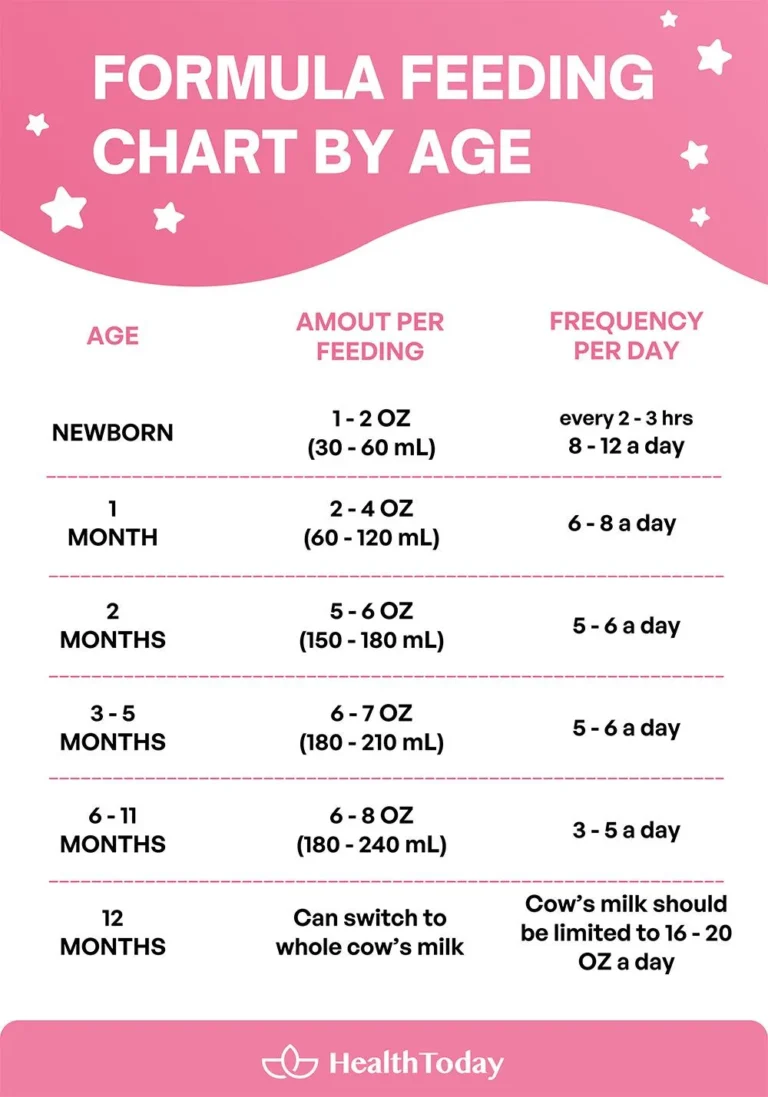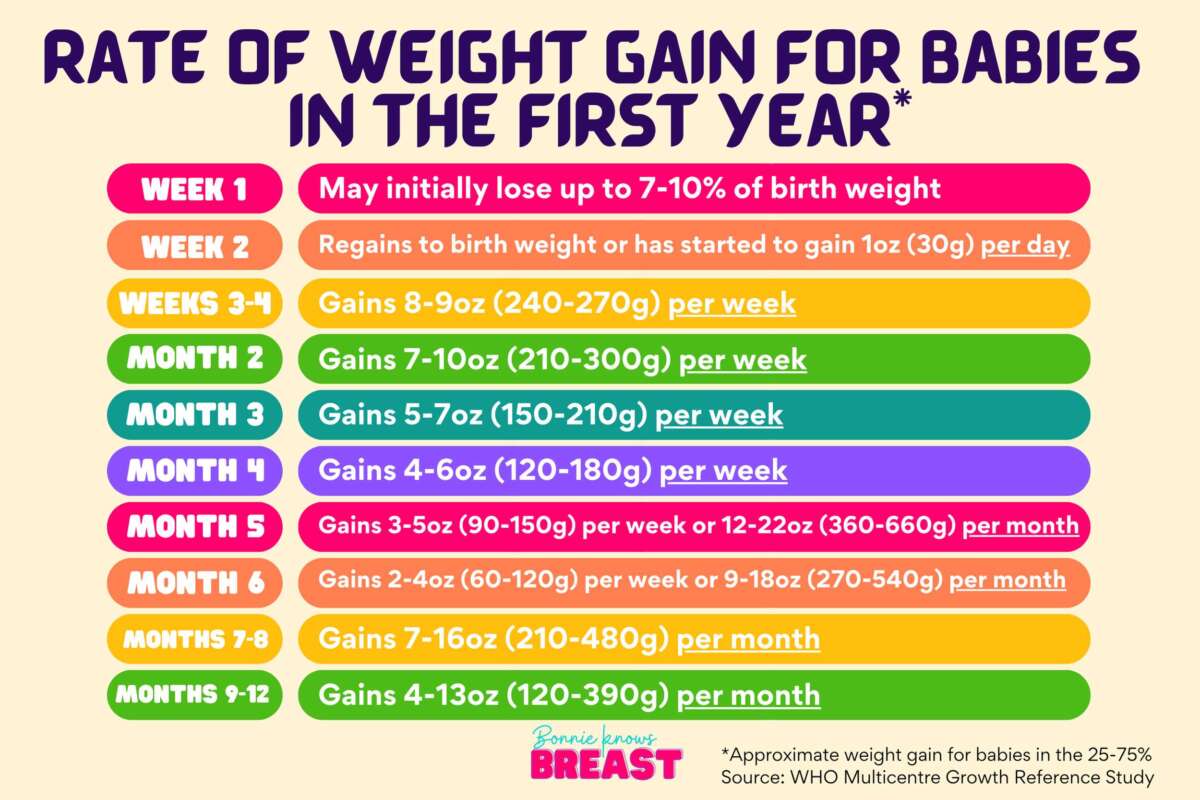
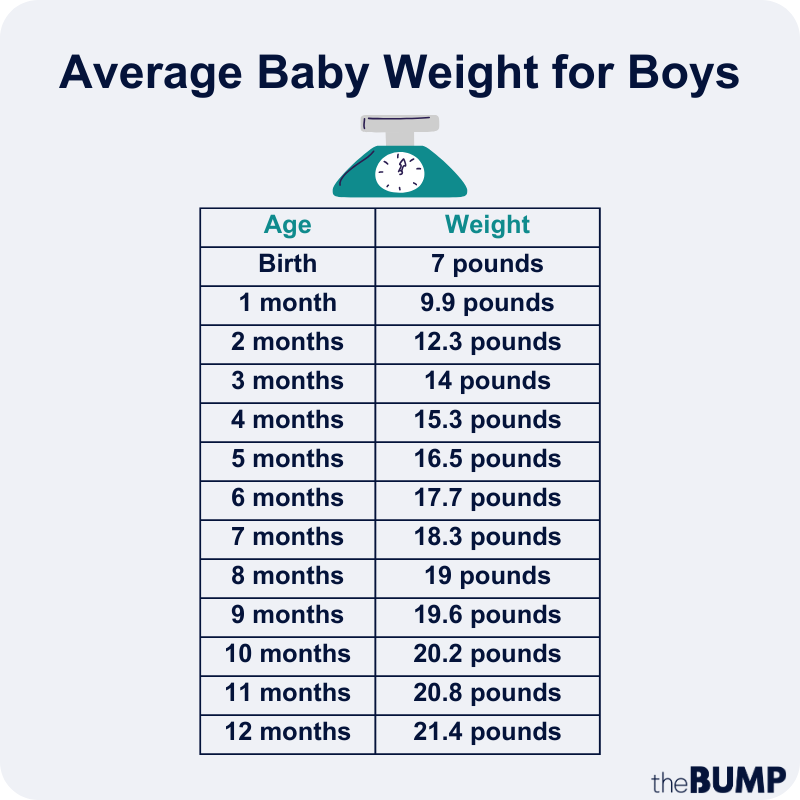
Most babies gain about 1 to 2 pounds per month during the first three months, then gain more slowly.
Knowing how much weight a baby should gain per month can ease worry during the first year. Infant growth is not perfectly steady, though. A baby may gain quickly one month, slow down the next, and still grow in a healthy pattern. This guide explains normal baby weight gain by age, how feeding affects growth, when to seek help, and why growth charts matter more than one measurement.
How Much Weight Should a Baby Gain Per Month?
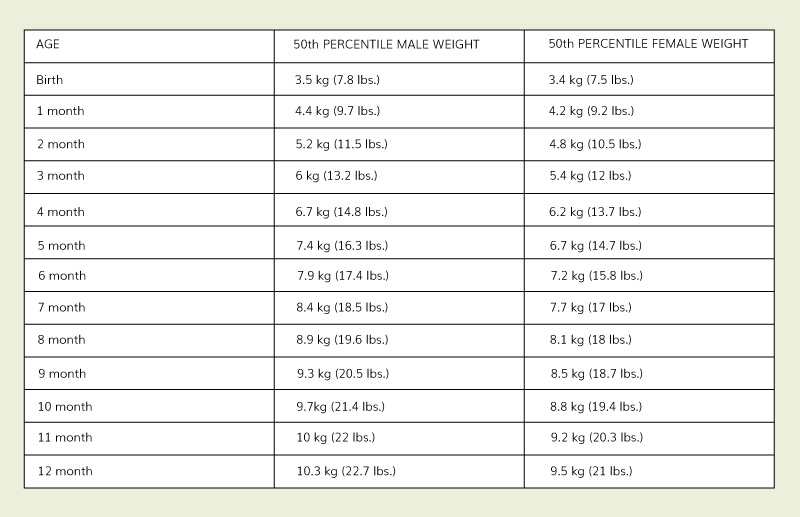
For many full-term babies, normal weight gain follows a gradual pattern. The fastest growth usually happens during the first three months. Weight gain then slows as babies become more active and begin eating solid foods.
A general guide for how much weight a baby should gain per month is:
| Baby’s age | Average monthly weight gain |
|---|---|
| Birth to 3 months | About 1.5 to 2 pounds |
| 3 to 6 months | About 1 to 1.5 pounds |
| 6 to 9 months | About 0.5 to 1 pound |
| 9 to 12 months | About 0.3 to 0.75 pound |
These are averages, not strict rules. Some healthy babies gain a little less or more, depending on birth size, feeding method, genetics, activity, and overall health.
A baby’s growth should be viewed like a line on a road map. One mile marker does not tell you where the whole trip is going. Your child’s weight trend over several visits gives a much clearer picture than a single number.

Baby Weight Gain by Age
Newborns: Birth to 1 Month
Many newborns lose weight during the first few days after birth. A loss of up to about 5% for formula-fed babies and up to about 7% to 10% for breastfed babies may occur. Most babies begin gaining again after the first several days.
Many newborns return to their birth weight by 10 to 14 days. Some take a little longer, especially after a difficult birth, early delivery, feeding trouble, or jaundice.
After birth weight returns, a common rate is about 5 to 7 ounces per week. That equals roughly 1.25 to 1.75 pounds per month.
Babies: 1 to 3 Months
This is often the fastest period of infant weight gain. Many babies gain around 5 to 8 ounces each week, or about 1.5 to 2 pounds per month.
During this stage, babies may feed often. Breastfed babies may nurse 8 to 12 times in 24 hours, while formula-fed babies often take larger feeds at longer intervals. The exact schedule can vary.
Babies: 3 to 6 Months
Weight gain often slows to about 4 to 6 ounces per week. This equals around 1 to 1.5 pounds per month.
A baby’s length and head size also continue to grow. Some babies look round and chubby, while others look long and lean. Both body types can be healthy when the baby follows a steady growth curve.
Babies: 6 to 9 Months
Many babies gain about 0.5 to 1 pound per month during this period. Babies often move more, roll, crawl, and sit, so they may burn more energy.
Solid foods usually begin around 6 months when a baby shows signs of readiness. Breast milk or iron-fortified formula should still provide most calories during the first year.
Babies: 9 to 12 Months
Weight gain may slow to about 0.3 to 0.75 pound per month. Babies become more active and may eat small amounts at some meals.
Growth can also seem uneven. A baby may gain more during one month and very little during another. A steady overall trend matters more than a perfectly equal monthly increase.

What Affects How Much Weight a Baby Gains?
Several factors shape how much weight a baby should gain per month. A pediatrician considers these factors together rather than judging growth by weight alone.
Birth Weight and Genetics
Larger newborns may gain more pounds but remain at a similar percentile. Smaller babies may gain fewer pounds while growing normally. Parents’ body sizes and family growth patterns also affect a baby’s natural growth path.
Feeding Method
Breast milk and formula can both support healthy growth. Breastfed babies may gain weight quickly in the early months, then grow more slowly after about 3 months compared with some formula-fed babies.
This difference does not mean one feeding method is better. It means babies can have different normal growth patterns.
Premature Birth
A premature baby may need a different growth chart and adjusted age. Adjusted age accounts for how early the baby was born.
For example, a baby born 8 weeks early at a chronological age of 4 months may be compared with a 2-month-old for some growth and developmental checks. The child’s doctor should guide this assessment.
Illness or Feeding Problems
Reflux, swallowing trouble, food allergies, chronic diarrhea, heart problems, and other conditions may affect weight gain. A short illness may cause a brief pause in growth, but ongoing problems deserve medical review.
Activity Level
Older babies burn more calories as they move. Crawling, standing, and walking can slow the rate at which a baby gains weight. This is often normal if length, head growth, feeding, and development remain on track.
How Doctors Assess Infant Growth
Healthcare professionals do not use one number to decide whether a baby is growing well. They measure weight, length, and head circumference at regular visits.
These measurements are plotted on growth charts. The charts help show whether a baby is following a consistent pattern over time.
Weight-for-Age
Weight-for-age compares a baby’s weight with that of other babies of the same age and sex. It can show whether a baby is smaller, average, or larger than many peers.
However, it does not show body length. A long baby may weigh more than a shorter baby and still have a healthy body shape.
Length-for-Age
Length-for-age shows how a baby is growing in body length. A baby who is short but steadily growing may be healthy. A sudden slowing of length growth may need closer attention.
Weight-for-Length
Weight-for-length helps assess whether a baby’s weight fits their body length. This measure can be more useful than weight alone when looking at overall body proportion.
Growth Percentiles
A percentile is not a grade. A baby at the 20th percentile is not less healthy than a baby at the 80th percentile.
The key question is whether the baby continues to follow a similar curve. A sharp drop across several percentile lines may be more concerning than a naturally low or high percentile.

Signs Your Baby May Be Gaining Weight Well
Weight is important, but it is not the only sign of healthy growth. Parents can also watch feeding, diapers, energy, and development.
Possible signs of adequate intake include:
• The baby feeds regularly and seems satisfied after many feeds.
• The baby has a growing number of wet diapers after the first few days of life.
• The baby has regular bowel movements, though normal patterns vary widely.
• The baby appears alert during awake periods.
• The baby has good muscle tone and moves actively.
• The baby’s skin and mouth do not seem unusually dry.
• The baby continues to grow in length and head circumference.
Newborn diaper patterns change quickly. By about day 5, many breastfed babies have at least six wet diapers per day, though your clinician may give different guidance based on your baby’s situation.
A baby can have frequent diapers and still need help with feeding. Likewise, a baby can have a slower bowel pattern and remain healthy. Look at the full picture.
How to Track Your Baby’s Weight Safely
Home weighing can be useful in special cases, but it can also create stress. Small differences between scales, clothing, diapers, and feeding times can make the numbers confusing.
Use these practical tips:
-
Ask your pediatrician whether home weight checks are needed.
-
Use the same scale each time if your clinician recommends monitoring.
-
Weigh your baby without clothing or with the same light clothing.
-
Check weight at a similar time of day.
-
Record the date and weight rather than checking many times each day.
-
Share the record with your baby’s healthcare professional.
Avoid weighing after every feed unless a medical team specifically instructs you to do so. Breast milk intake cannot be measured accurately by simply weighing a baby at home before and after nursing.
A common lesson in infant care is that frequent checking does not always create better information. It can turn normal daily changes into needless fear. Consistent clinical measurements are usually more useful.

Feeding Tips That Support Healthy Baby Weight Gain
Most babies gain well when they receive enough milk and feed effectively. The goal is not to force a certain number of ounces. The goal is responsive feeding and good medical follow-up.
Breastfeeding Tips
• Offer the breast when your baby shows early hunger cues, such as rooting, hand-to-mouth movements, or increased alertness.
• Listen for swallowing during feeds.
• Let the baby finish one breast before offering the other unless your lactation professional advises differently.
• Ask for help if nursing is painful or feeds are very long.
• Consider a lactation consultation if your baby struggles to latch or gain weight.
Formula-Feeding Tips
• Prepare formula exactly as directed on the package.
• Do not add extra powder or extra water.
• Use the correct nipple flow for your baby.
• Hold your baby during feeds and watch for signs of fullness.
• Do not pressure your baby to finish a bottle.
Improperly mixed formula can cause serious health problems. Never dilute formula to make it last longer, and do not prepare homemade infant formula without medical direction.
Starting Solid Foods
Most babies are ready for solid foods at about 6 months. Readiness signs include:
• Sitting with little support
• Good head and neck control
• Opening the mouth for food
• Bringing objects to the mouth
• Swallowing food instead of pushing it out with the tongue
Start with soft, iron-rich foods. Examples include pureed meat, beans, lentils, iron-fortified cereal, eggs, and soft vegetables. Breast milk or formula remains the main source of nutrition through the first year.

When to Call the Pediatrician
Contact your baby’s healthcare professional if you are concerned about how much weight a baby should gain per month. Early support can identify feeding issues before they become harder to manage.
Seek prompt medical advice if:
• Your newborn has not regained birth weight by about 2 weeks.
• Your baby has fewer wet diapers than expected.
• Your baby is too sleepy to feed well.
• Feeding is painful, difficult, or takes an unusually long time.
• Your baby vomits forcefully or repeatedly.
• Your baby has persistent diarrhea.
• Your baby loses weight after the early newborn period.
• Your baby appears weak, very dry, pale, or difficult to wake.
• Your baby’s growth drops across several percentile lines.
Get urgent help if your baby is hard to wake, has trouble breathing, shows signs of severe dehydration, or is under 3 months old with a rectal temperature of 100.4°F (38°C) or higher.
Do not wait for the next routine visit when your instincts tell you something is wrong. Parents often notice subtle changes first.
Common Mistakes Parents Make About Baby Weight Gain
Comparing Babies
Comparing siblings, cousins, or babies in online groups can create worry. Babies have different genetics, feeding patterns, and body shapes.
A friend’s baby may gain two pounds in a month while yours gains one pound. That difference alone does not show that either baby has a problem.
Treating Growth Charts Like Report Cards
A percentile does not measure parenting quality. It does not say whether you are feeding your baby well or doing something wrong.
Growth charts are tools for spotting patterns. They are not a pass-or-fail test.
Changing Formula Without Advice
Switching formulas may be appropriate in some cases, but frequent changes can make it harder to understand symptoms. Talk with a pediatrician before changing formula because of slow gain, gas, spit-up, or stool changes.
Starting Solids to “Fatten Up” a Baby
Starting solids too early may not improve weight gain and may create feeding problems. If weight gain is slow, a healthcare professional should first assess milk intake, latch, feeding technique, and medical causes.
How Much Weight Should a Baby Gain Per Month: Practical Examples
Consider two healthy babies.
Baby A weighs 7 pounds at birth. At 2 months, the baby weighs 11 pounds. That is a gain of about 4 pounds over 2 months, or 2 pounds per month. This may be a healthy pattern if feeding and development are going well.
Baby B weighs 9 pounds at birth. At 2 months, the baby weighs 12 pounds. The gain is about 1.5 pounds per month. This may also be normal, especially if the baby is long and follows a steady growth curve.
Now consider a different pattern. A baby gains well for two months, then loses weight and has fewer wet diapers. That change deserves prompt medical attention, even if the baby’s current weight still seems average.
The lesson is simple: how much weight a baby should gain per month depends on age, starting size, health, feeding, and the pattern across time.
Frequently Asked Questions About How Much Weight Should a Baby Gain Per Month
How much weight should a baby gain per month in the first three months?
Many full-term babies gain about 1.5 to 2 pounds per month after returning to birth weight. A pediatrician should assess babies who do not regain birth weight by around 10 to 14 days or who show feeding problems.
How much weight should a baby gain per month after 6 months?
Many babies gain about 0.5 to 1 pound per month between 6 and 9 months, then about 0.3 to 0.75 pound per month from 9 to 12 months. Activity, genetics, milk intake, and solid foods can make normal gain vary.
When should a baby double their birth weight?
Many babies double their birth weight between 4 and 6 months. This is a broad guide, not a deadline, and growth charts provide a better assessment than this milestone alone.
Do breastfed babies gain weight differently from formula-fed babies?
They can. Breastfed babies may gain rapidly during the early months and then slow somewhat after about 3 months, while some formula-fed babies gain more steadily. Both patterns can be healthy when the baby is developing well.
Should I wake my baby to feed for better weight gain?
Newborns with slow gain may need scheduled feeds, including waking, but the plan should come from a pediatrician or lactation professional. Older babies who are growing well may not need to be woken for every feed.
Can teething slow a baby’s weight gain?
Teething may briefly affect appetite, but it should not cause ongoing poor weight gain. Call a healthcare professional if your baby refuses several feeds, has fewer wet diapers, or continues losing weight.
Is a low growth percentile always a problem?
No. A baby can be healthy at a low percentile if growth remains steady and the baby is feeding and developing well. A sudden fall across percentiles is more important than being at a particular percentile.
Can a baby gain too much weight?
Some babies gain weight quickly and remain healthy, especially during early infancy. A clinician should review weight together with length and feeding rather than placing a baby on a diet or restricting feeds without medical advice.
Conclusion
How much weight should a baby gain per month depends on age, birth size, feeding, genetics, activity, and health. Many babies gain fastest in the first three months, then slow down during the second half of the first year. The most useful measure is a steady pattern on the growth chart, not one monthly number.
Track feeds and diapers, attend routine visits, and ask for help when feeding feels difficult or your baby’s weight changes suddenly. Use your pediatrician’s guidance to understand your baby’s unique growth path, and explore trusted infant-feeding resources for continued support.