
The most comfortable stroller combines a padded seat, smooth suspension, strong support, and enough room for your child to relax.
Choosing the most comfortable stroller is about more than soft fabric. Your child’s age, sleep habits, body size, and daily routine all matter. After comparing stroller designs, safety features, parent feedback, and real-world use, I found that the best choice usually has a deep reclining seat, adjustable leg support, breathable padding, and wheels that handle rough paths with ease. This guide will help you find the right fit without paying for features you do not need.

What Makes a Stroller Comfortable?
A comfortable stroller should feel like a supportive chair on wheels. It needs to keep your child secure without making them feel cramped. It should also make pushing, turning, folding, and carrying easier for you.
The most comfortable stroller usually includes these features:
• A padded, supportive seat that does not sag
• Multiple recline positions for sitting and sleeping
• An adjustable footrest to support growing legs
• Breathable fabric that reduces heat buildup
• A smooth suspension system to absorb bumps
• Large wheels that roll well on different surfaces
• A roomy canopy for shade and calm
• A five-point harness that feels secure but not harsh
Seat shape matters as much as padding. Thick padding cannot fix a seat that is too narrow or too short. A child should have enough space to move their legs while still receiving support around the hips and back.
The best stroller comfort also depends on the child’s age. A newborn often needs a near-flat recline or a compatible bassinet. An older toddler may care more about legroom, airflow, and the ability to sit upright and look around.

The Most Comfortable Stroller for Different Needs
There is no single stroller that suits every family. The most comfortable stroller for city walks may not be the most comfortable stroller for travel or rough trails.
Best for newborns
Newborns need strong head and neck support. Look for a stroller with a fully reclining seat approved for newborn use, or choose a travel system with a compatible infant car seat.
A bassinet-style stroller can be very comfortable for a young baby. It offers a flat sleep surface and plenty of room. However, it can be heavier and less practical once your child starts sitting independently.
Best for toddlers
Toddlers need space. A deep seat, adjustable footrest, tall backrest, and high weight limit can make long rides much easier.
The most comfortable stroller for a toddler should allow your child to sit upright without their knees pressing against the front bar. A wide canopy also helps when your child wants to rest during a busy day.
Best for travel
Travel strollers are light and easy to fold. Their main weakness is that some models use thin padding and small wheels.
For better comfort, choose a travel stroller with:
• A padded reclining seat
• A leg rest or adjustable foot support
• A sun canopy with good coverage
• Smooth wheels with some suspension
• A padded harness
A compact stroller may not feel as plush as a full-size model, but it can still be comfortable if the seat supports your child well.
Best for uneven paths
For parks, sidewalks, gravel, and grass, large wheels make a major difference. Air-filled tires often provide a softer ride, while foam-filled tires need less maintenance.
An all-terrain stroller can be the most comfortable stroller for families who walk often. It may be wider and heavier, so check whether it fits your car trunk, doorway, and storage space.
Best for parents with back pain
Parent comfort matters too. An adjustable handlebar can reduce shoulder and wrist strain. A lightweight frame helps when lifting the stroller into a vehicle.
A stroller that pushes in a straight line and turns smoothly can save your back during daily use. Test it with one hand if possible. If it pulls to one side or needs force to turn, it may become tiring quickly.

Comfort Features to Check Before You Buy
Stroller comfort comes from many small details. A product can look luxurious in a photo but feel stiff, hot, or cramped in real life.
Seat padding and support
Padding should be soft enough for comfort but firm enough to provide support. Very soft padding may flatten over time and leave your child sitting in an awkward position.
Check the seat’s side support. A young child needs help staying centered, while an older child may prefer more open space.
Recline system
A smooth recline is important for naps. Some strollers use a strap system, while others use a one-hand lever or mechanical hinge.
A strap recline can provide many positions, but it may take two hands to adjust. A lever recline is often faster, especially when your child has already fallen asleep.
Footrest and legroom
A dangling child’s legs can become uncomfortable during long rides. An adjustable footrest supports the lower legs and can improve sleep comfort.
Look for a footrest that is wide enough for both feet. A small ledge may not help much as your child grows.
Canopy and airflow
A canopy protects against sun, wind, and visual distractions. A peekaboo window lets you check on your child without stopping.
Airflow is just as important. Mesh panels can help prevent heat buildup, especially in warm climates. The canopy should provide shade without blocking ventilation.
Harness design
A five-point harness is widely recommended for stroller safety. It holds the child at the shoulders, waist, and between the legs.
The harness should adjust easily and lie flat against the child’s body. It should not dig into the neck or shoulders. Always follow the stroller maker’s instructions for proper adjustment.
Suspension and wheels
Suspension reduces the sharp movement caused by cracks, gravel, and uneven pavement. It works like a small cushion between the wheels and the seat.
Large wheels usually roll better over rough ground. Small wheels can be fine for smooth indoor floors and city sidewalks, but they may struggle on grass or broken pavement.

How to Choose the Most Comfortable Stroller
Use your daily routine as the starting point. A stroller should solve your real problems, not simply offer the longest list of features.
Step 1: Consider your child’s age and size
Check the minimum age, maximum weight, seat height, and usable seat length. Do not rely only on the stated age range.
A tall toddler may outgrow a stroller before reaching its listed weight limit. Measure your child’s seated height if the product provides seat dimensions.
Step 2: Match the stroller to your surfaces
Think about where you walk most often:
• Smooth indoor floors favor small, agile wheels
• City sidewalks need dependable suspension and easy turning
• Gravel and grass need larger wheels and strong tires
• Trails need an all-terrain design with reliable brakes
The most comfortable stroller is one that remains smooth on the surfaces you use every week.
Step 3: Test the seat in person
If you can visit a store, place your child in the stroller. Check whether:
• Their back rests naturally against the seat
• Their head fits below the top of the backrest
• Their knees have room to bend
• Their feet reach the footrest
• The harness adjusts without rubbing
This short test can reveal more than many online reviews.
Step 4: Push and fold it
Push the stroller with one hand. Turn it around a tight corner. Test the brake. Fold it while imagining you are standing beside your car with a tired child.
A comfortable stroller for your child can still be frustrating if it is hard to control. Parent comfort affects how often you use the stroller.
Step 5: Check cleaning and durability
Babies spill food. Toddlers track in dirt. Choose removable, washable fabrics when possible.
Inspect seams, wheel joints, buckles, and the fold mechanism. Strong materials often cost more at first but can provide better value over several years.

Common Stroller Types and Their Comfort Levels
Each stroller type has a different balance of comfort, weight, and convenience.
Full-size strollers
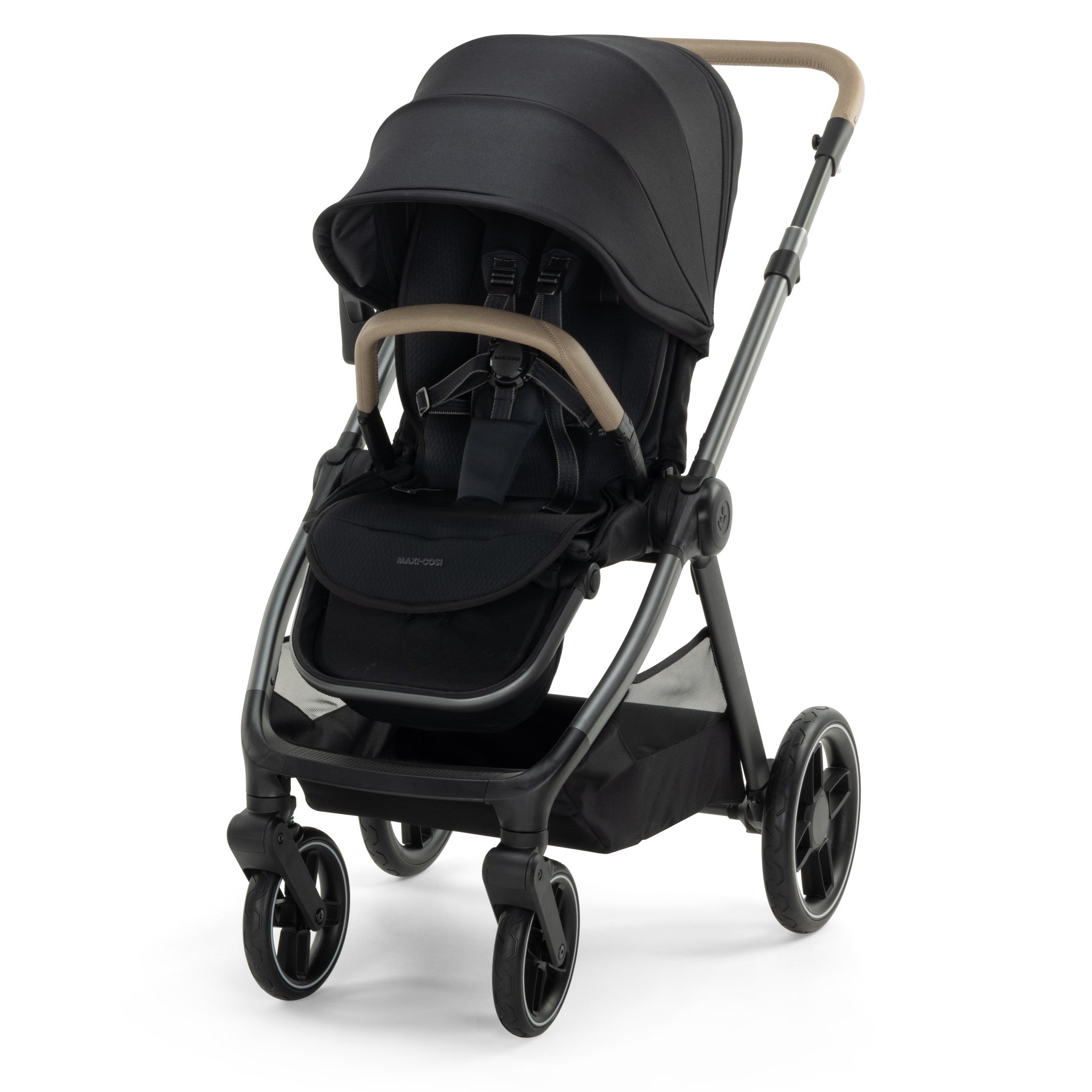
Full-size strollers often provide the best padding, largest canopies, strongest suspension, and most storage. They are a good choice for daily walks and long outings.
The trade-off is weight. Some full-size models are difficult to lift and may take up much of a vehicle’s trunk.
Lightweight strollers
Lightweight strollers are easier to carry and store. Many work well for quick errands and older babies.
Their seats may be less padded, and their wheels may offer less shock absorption. Look for a model with a good recline and an adjustable footrest.
Jogging strollers
Jogging strollers use large wheels and suspension to create a smooth ride. They can be very comfortable on rough paths.
They are not always suitable for newborns. Follow the manufacturer’s age guidance, and never jog with a baby until the stroller is approved for that use.
Travel systems
Travel systems combine a stroller with an infant car seat. They can simplify the early months because you can move a sleeping infant without lifting them from the car seat.
The stroller seat may become more important as your child grows. Check whether it remains roomy and supportive after the infant seat stage.
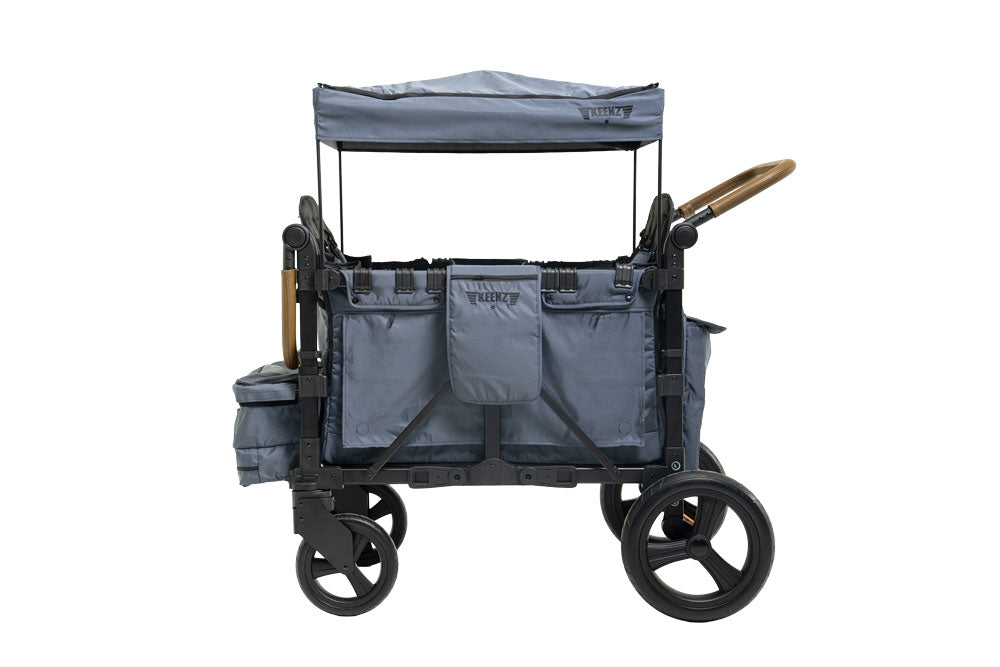
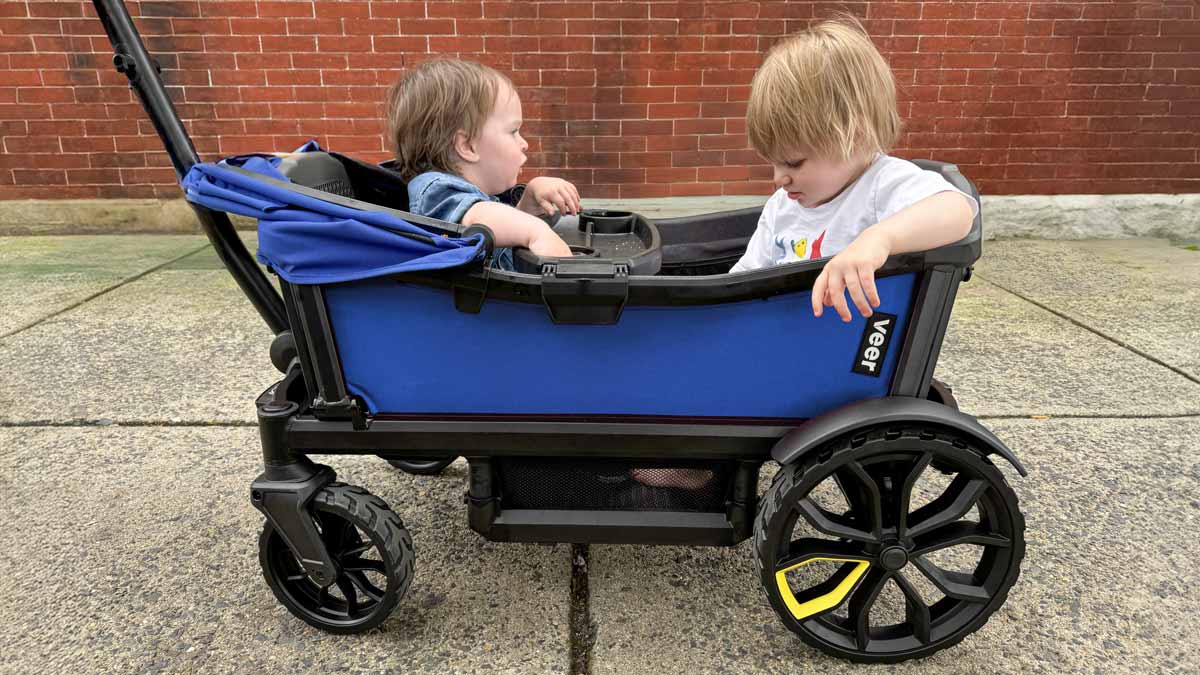
Double strollers
Double strollers must support two children without becoming impossible to push. Side-by-side models often give each child more space, while tandem models may fit through narrow doors more easily.
Check the weight limit of each seat. One seat may support a different weight than the other.
Safety and Comfort Should Work Together
Comfort should never reduce safety. A soft seat is useful only when your child is properly secured and the stroller remains stable.
Use these basic safety habits:
• Use the five-point harness every time
• Engage the parking brake before placing your child inside
• Keep small items away from the child’s reach
• Do not hang heavy bags from the handlebar
• Keep fingers away from folding joints
• Check that the stroller locks fully open
• Follow the product’s age and weight limits
• Inspect wheels, brakes, and straps often
The American Academy of Pediatrics advises using stroller restraints and keeping children seated while the stroller is moving. Federal safety rules also address stroller stability, restraint systems, parking brakes, and folding mechanisms.
Do not use a stroller as a substitute for a safe sleep space. If your baby falls asleep during a walk, follow the manufacturer’s guidance and move the baby to a firm, flat sleep surface when practical.
Mistakes to Avoid When Buying a Comfortable Stroller
Many parents focus on one feature and overlook the complete experience. The most comfortable stroller is a balanced choice, not simply the model with the thickest cushion.
Buying based only on appearance
A stylish stroller may have a narrow seat, weak suspension, or poor airflow. Treat appearance as a bonus, not your main test.
Ignoring stroller dimensions
Measure your trunk, doorway, elevator, and storage area. A stroller that does not fit your home can become a daily source of stress.
Choosing the heaviest model
Weight can improve stability, but it also affects lifting and travel. If you regularly use stairs, a lighter model may be more comfortable for the whole family.
Forgetting hot-weather comfort
Dark, thick fabrics can become warm in direct sun. Look for ventilation and a canopy that gives shade without trapping heat.
Assuming more padding is always better
Too much padding can reduce usable space. A supportive, well-shaped seat often feels better than a thick but poorly designed cushion.
Skipping a child test
Children have different body shapes and preferences. If possible, let your child sit in the stroller before buying it.
How Much Should You Spend?
Stroller prices range from budget models to premium designs. A higher price may bring better materials, smoother wheels, stronger suspension, and longer use. It does not guarantee the most comfortable stroller for your family.
Set priorities before shopping. Spend more on features that affect daily use, such as:
• A supportive seat
• A smooth recline
• Good suspension
• Reliable brakes
• A suitable weight
• Easy cleaning
• A strong warranty
A simple stroller with a good fit may be more useful than an expensive stroller filled with features you rarely use. Read the return policy, especially when buying online.

My Practical Stroller Testing Tips
When I assess stroller comfort, I look beyond the first push. A stroller may feel smooth on a store floor but behave differently on cracked sidewalks or carpet.
One lesson I have learned is to test the stroller while carrying a diaper bag. Extra weight can change how easily it turns. I also check whether the basket remains accessible when the seat is fully reclined.
Another useful test is the nap test. Recline the seat, place a small blanket beneath the child only if the manufacturer permits it, and observe whether the body stays supported. A seat that causes the head to fall forward may not be comfortable or appropriate for sleep.
My biggest buying mistake was once focusing too much on a compact fold. The stroller fit the trunk perfectly, but the short footrest became uncomfortable as the child grew. A smaller fold is helpful, but long-term fit matters more.
Frequently Asked Questions About the Most Comfortable Stroller
What is the most comfortable stroller for everyday use?
A full-size stroller with a padded reclining seat, adjustable footrest, breathable fabric, and good suspension is often the most comfortable stroller for everyday use. The best choice still depends on your child’s size and the surfaces you walk on.
Is a soft stroller seat safer?
Softness alone does not make a stroller safe. A comfortable seat should also provide firm support, a properly adjusted five-point harness, and a stable frame.
Can a newborn use the most comfortable stroller?
Some strollers are approved for newborns with a flat recline or compatible bassinet. Always check the manufacturer’s age guidance and avoid placing a newborn in a seat that does not provide proper head and neck support.
Are larger stroller wheels more comfortable?
Larger wheels usually handle cracks, grass, and gravel better. Small wheels may feel smooth indoors and on clean sidewalks, so the best size depends on where you walk.
How long can a child use a comfortable stroller?
Many strollers work until a child reaches the manufacturer’s weight or height limit. In practice, a child may outgrow the seat earlier if the backrest, canopy, or footrest becomes too small.
Is an expensive stroller always more comfortable?
No. Premium strollers may offer better materials and suspension, but fit and design matter more than price. A moderately priced stroller can be the most comfortable stroller when it suits your child and routine.
What should I bring when testing a stroller?
Bring your child if possible, along with a diaper bag or similar load. Test the harness, recline, fold, brake, basket, handlebar, and turning space.
Conclusion
The most comfortable stroller gives your child support, room, airflow, and a smooth ride while making daily use easy for you. Focus on the seat shape, recline, footrest, canopy, suspension, wheel size, and safety features before thinking about color or brand.
Try the stroller with your child, test it on realistic surfaces, and check its folded size before buying. A careful choice can make walks calmer, naps easier, and family outings far more enjoyable. Explore trusted stroller reviews, compare models in person, and share your own experience to help another parent choose wisely.