Yes, IVF with genetic testing can select embryo sex, but natural methods cannot reliably choose your baby's gender.
The question “can you choose your baby’s gender” has a more complex answer than many online claims suggest. Sex selection may be possible through in vitro fertilization (IVF) and preimplantation genetic testing, but it involves medical risks, high costs, ethical questions, and legal limits. This guide explains what works, what does not, and how to make a safe, informed choice.
What Does “Choosing Your Baby’s Gender” Mean?
When people ask, “can you choose your baby’s gender,” they often mean choosing whether a baby will be male or female. In medical terms, this usually refers to selecting an embryo’s chromosomal sex, often XX or XY.
Gender is different from biological sex. Gender relates to identity, roles, and expression. A baby’s future gender identity cannot be predicted or selected through fertility treatment.
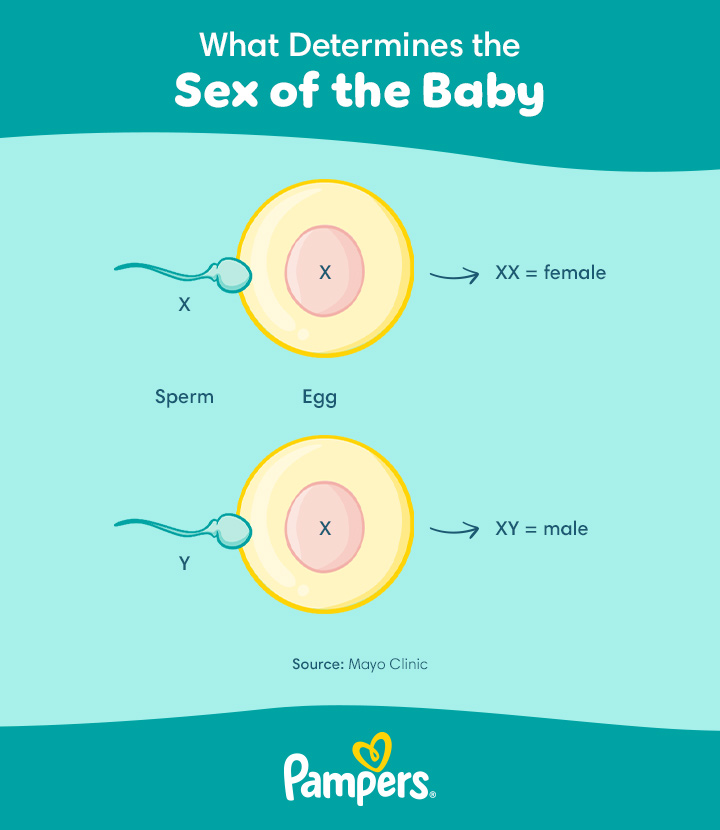
A baby’s chromosomal sex is usually linked to the sperm cell:
• An egg usually carries an X chromosome.
• Sperm may carry an X or Y chromosome.
• An X sperm may create an XX embryo.
• A Y sperm may create an XY embryo.
This process is random during natural conception. That is why timing, diet, sexual position, and similar methods cannot reliably control the result.

Can You Choose Your Baby’s Gender Naturally?
No natural method has been proven to reliably choose a baby’s sex. Couples may hear about special diets, ovulation timing, supplements, or sexual positions, but strong clinical evidence does not support these approaches.
One popular idea suggests that intercourse close to ovulation favors a boy, while intercourse several days earlier favors a girl. Well-designed research has not shown this method to work consistently. Ovulation timing can also be difficult to identify with complete accuracy.
Other common claims include:
• Eating more sodium or potassium for a boy
• Eating more calcium or magnesium for a girl
• Using certain sexual positions
• Douching before sex
• Choosing a specific month or season
• Using online lunar or blood-calendar charts
These methods may sound simple, but they cannot control which sperm fertilizes the egg. Douching can also upset the vagina’s natural balance and increase the risk of irritation or infection.
So, can you choose your baby’s gender through natural conception? The evidence says no. Natural conception may improve your chance of becoming pregnant, but it does not let you select the baby’s sex.

How IVF and Genetic Testing Can Select Embryo Sex
The most reliable medical method involves IVF with preimplantation genetic testing. During IVF, doctors stimulate the ovaries so they produce several eggs. The eggs are collected and fertilized in a laboratory.
After fertilization, embryos grow for several days. A fertility specialist may remove a small group of cells from each embryo. The embryos are then tested in a laboratory before one is selected for transfer into the uterus.
Preimplantation genetic testing for aneuploidy, often called PGT-A, can identify many chromosome problems. It may also reveal whether an embryo has XX or XY chromosomes. In this way, IVF can allow patients to choose an embryo of a particular chromosomal sex.
The process often includes these steps:
- Consultation with a reproductive endocrinologist
- Ovarian stimulation with prescribed medicine
- Egg retrieval and sperm collection
- Fertilization in the laboratory
- Embryo growth for about five to seven days
- Cell biopsy and genetic testing
- Selection and transfer of an embryo
- Pregnancy testing and follow-up care
However, can you choose your baby’s gender with complete certainty through IVF? No. Testing can identify chromosomal information, but it cannot guarantee implantation, pregnancy, a healthy birth, or a particular gender identity.

Why Do People Consider Sex Selection?
Families consider sex selection for different reasons. Some want to avoid passing on a serious condition linked to the X chromosome. Others hope to have a child of a sex that differs from children they already have.
The strongest medical reason is disease prevention. Certain conditions, such as Duchenne muscular dystrophy and hemophilia, are more likely to affect one sex. In these cases, embryo testing may help doctors reduce the chance of passing on a serious inherited disorder.
People may also consider family balancing. This term often describes choosing an embryo of a different sex after having children of the same sex. Family balancing remains ethically debated, and clinics may have different policies.
Before treatment, it helps to ask:
• Is there a known inherited condition in the family?
• Would IVF be recommended without sex selection?
• How would unused embryos be handled?
• Can you manage the physical and emotional demands of treatment?
• Does the clinic follow clear ethical and medical standards?
The answer to “can you choose your baby’s gender” should always include the reason for selection. Medical need, personal preference, and family balancing may be viewed differently by doctors, regulators, and families.

Medical Risks, Costs, and Limitations
IVF is a medical treatment, not a simple gender-choice service. It may involve injections, blood tests, ultrasounds, anesthesia, and egg retrieval. Some patients experience bloating, mood changes, discomfort, or stress during treatment.
Rare but serious risks include ovarian hyperstimulation syndrome, bleeding, infection, and complications from anesthesia. IVF may also result in multiple embryos, failed fertilization, no embryos suitable for transfer, or no pregnancy.
Costs vary widely by location and insurance plan. Patients may pay for:
• Fertility consultations
• Medication
• Egg retrieval
• Laboratory fertilization
• Embryo culture
• Genetic testing
• Embryo storage
• Embryo transfer
• Future transfers or repeat IVF cycles
Genetic testing also has limits. A test may not detect every health condition. Mosaic results, in which an embryo contains more than one cell line, can be difficult to interpret. A test result is not a guarantee that an embryo will develop normally.
Another important point is that IVF does not always produce embryos of the preferred sex. Age, egg supply, sperm quality, and other factors affect the number of embryos available. This is why no ethical clinic should promise a guaranteed baby or guaranteed live birth.
Is Sex Selection Legal in the United States?
In the United States, laws and clinic policies vary. Some fertility clinics offer nonmedical sex selection, while others provide it only to prevent serious inherited disease. There is no single rule that applies in every state and every clinic.
Professional guidance also matters. The American Society for Reproductive Medicine has discussed the ethical concerns surrounding sex selection. Clinics may consider fairness, patient welfare, embryo status, and the possible social effects of choosing embryos based on sex.
People seeking treatment should ask the clinic:
• Is nonmedical sex selection offered?
• Is selection allowed for family balancing?
• What genetic testing method is used?
• How accurate is the test for the purpose intended?
• What happens if no preferred embryo is available?
• What are the clinic’s policies on unused embryos?
• What are the total costs and refund rules?
Patients traveling outside the United States should also review the laws of that country. Some places permit sex selection only for medical reasons. Others restrict it completely.
So, can you choose your baby’s gender legally? Sometimes, but the answer depends on local law, clinic policy, and the reason for selection.

Ethical and Emotional Questions to Consider
The medical process is only one part of the decision. Choosing an embryo based on sex can bring hope, guilt, pressure, or uncertainty. These feelings are normal and deserve attention.
Some people worry that sex selection may reinforce stereotypes. Others believe parents should have reproductive freedom when no embryo is harmed and no serious disease is involved. Both views are part of a wider ethical discussion.
Counseling can help you explore:
• Your reasons for considering sex selection
• Your expectations about raising a boy or girl
• Your feelings about embryos that are not transferred
• Your response if treatment does not work
• Your family’s cultural or religious beliefs
• The difference between a child’s sex and future gender identity
A useful mindset is to see genetic testing as a tool, not a promise. It can provide information about an embryo, but it cannot design a child’s personality, health, talents, or future.

How to Choose a Reputable Fertility Clinic
If you are researching whether you can choose your baby’s gender, start with the clinic rather than an internet method. A qualified fertility specialist can explain your options based on your age, health, fertility history, and family genetics.
Look for a clinic with:
• Board-certified reproductive endocrinologists
• Licensed embryology staff
• Clear information about PGT testing
• Transparent success rates
• Written pricing and consent forms
• Genetic counseling services
• A clear policy on embryo storage and disposition
• A strong record of patient safety
Ask whether the clinic reports outcomes through recognized professional or regulatory systems. Be cautious of clinics that use words such as “guaranteed,” “100% accurate,” or “perfect baby.” Fertility medicine has limits, and honest providers explain them.
Also check whether the clinic separates medical advice from marketing. A trustworthy team should tell you when sex selection is not medically appropriate or when the likely benefit is low.
Practical Steps Before Making a Decision
Deciding whether you can choose your baby’s gender is personal. You do not need to rush. A careful plan can protect your health, finances, and peace of mind.
Consider taking these steps:
- Schedule a consultation with a reproductive endocrinologist.
- Ask whether genetic counseling is recommended.
- Review your family history for inherited conditions.
- Request a full estimate of treatment and testing costs.
- Learn the clinic’s success rates for your age group.
- Ask about the chance of having no embryo suitable for transfer.
- Discuss emotional support with a licensed counselor.
- Review local laws and the clinic’s written policies.
- Avoid supplements or diets marketed as guaranteed sex-selection methods.
- Take time to decide without pressure from relatives or social media.
If you are trying to conceive naturally, focus on proven fertility advice. Track ovulation for pregnancy timing, take folic acid as recommended, avoid smoking, and seek medical care when needed. These steps may support a healthy pregnancy, but they cannot choose a baby’s sex.
Frequently Asked Questions About Can You Choose Your Baby’s Gender
Can you choose your baby’s gender without IVF?
No reliable natural method can choose a baby’s sex. Diet, timing, sexual position, and supplements have not been proven to work.
Can IVF guarantee a baby’s gender?
IVF with genetic testing may identify embryos with XX or XY chromosomes, but it cannot guarantee pregnancy, a live birth, or future gender identity. The treatment may also produce no embryo of the preferred sex.
Is choosing a baby’s sex legal everywhere?
No. Laws and clinic policies vary by country, state, and medical reason. Some places allow selection only to prevent serious inherited disease.
Does PGT test for all health problems?
No. PGT can detect certain chromosome or genetic findings, but it does not identify every disease or predict every aspect of a child’s health. Your doctor and genetic counselor can explain the specific test’s limits.
Is sex selection covered by insurance?
Many insurance plans do not cover elective sex selection. Coverage for IVF, genetic testing, or treatment to prevent an inherited disease varies, so request a written benefits review.
Can sperm sorting choose a baby’s sex?
Some sperm-sorting methods have been studied, but they are less reliable and less widely accepted than IVF with embryo testing. Availability, accuracy, cost, and legal status vary.
Conclusion
So, can you choose your baby’s gender? Natural conception methods cannot do so reliably, while IVF with preimplantation genetic testing may allow selection based on an embryo’s chromosomal sex. Even then, the process has medical, financial, legal, and ethical limits.
The safest next step is to speak with a qualified fertility specialist and genetic counselor. Ask clear questions, review the evidence, and avoid anyone who promises certainty. Explore trusted fertility resources, discuss your options with your healthcare team, and make the decision that best fits your health and values.