Babies may begin self-soothing around 3 to 4 months, but each child develops this skill at a different pace.
When can babies self soothe is a common question for tired parents. The answer depends on brain development, temperament, feeding needs, and the support a baby receives. This guide explains the signs of emerging self-soothing, safe ways to encourage it, and when crying may signal a need for help.
What Does Self-Soothing Mean?
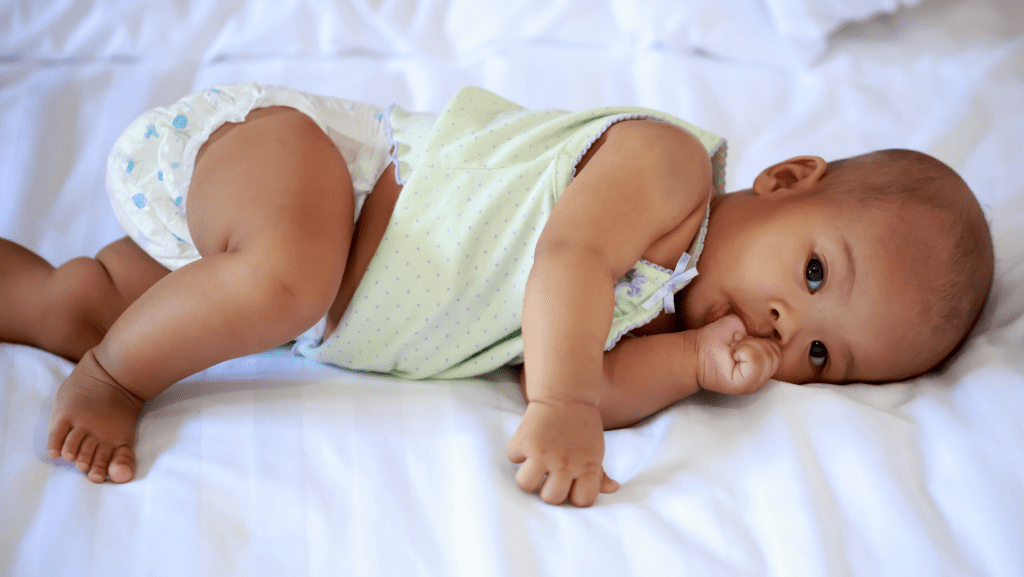
Self-soothing means a baby can calm their body and settle with little or no adult help. A baby may suck their fingers, hold a lovey when old enough, turn away from noise, hum, or shift into a relaxed state.
Self-soothing does not mean a baby never cries. It also does not mean a baby should be left alone to cry for a long time. Babies still need comfort, food, warmth, and close care.
When can babies self soothe? Most babies show early signs between 3 and 4 months. However, true sleep settling may take longer, and some babies need support well into the first year.
Think of self-soothing as a skill, not a switch. Babies build it little by little, like learning to sit, crawl, or use a cup.
When Can Babies Self Soothe?
Many babies begin to develop self-soothing skills between 3 and 4 months. At this age, sleep patterns often become more organized, and babies may start to connect sleep cycles.
By 4 to 6 months, some babies can settle for naps or bedtime after a short period of fussing. Others still need rocking, feeding, touch, or a parent’s voice. Both patterns can be normal.
When can babies self soothe for the whole night? There is no single age. Babies may still wake at night because of hunger, teething, illness, growth, or a need for comfort.
Age ranges can look like this:
• Newborn to 3 months: Most babies need frequent help to calm and sleep. Their body clocks are still developing.
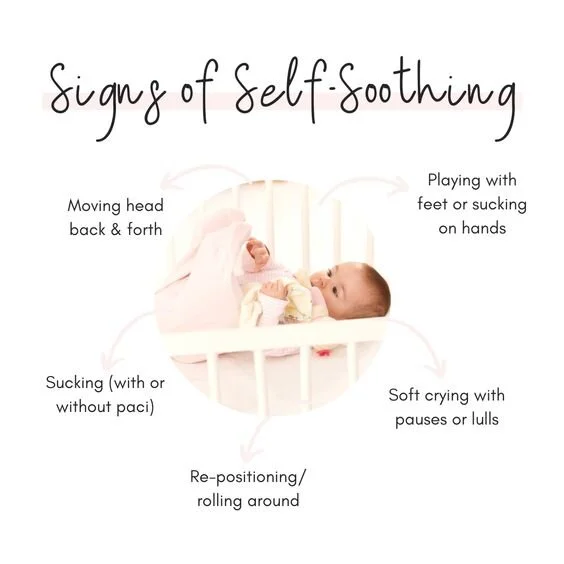
• Around 3 to 4 months: Some babies begin sucking their hands, turning away, or settling after brief fussing.
• Around 4 to 6 months: Many babies can practice falling asleep with less help, if they are healthy and ready.
• Around 6 to 12 months: Self-soothing may become more consistent, though separation anxiety and new skills can disrupt sleep.
• After 12 months: Toddlers may use simple routines, comfort objects, and familiar words to calm down.
These are general patterns, not strict rules. The American Academy of Pediatrics recommends responding to a young baby’s needs and using safe sleep practices every time.

Can Newborns Self Soothe?
Newborns have a limited ability to calm themselves. They rely on adults to help regulate body temperature, hunger, stress, and sleep.
A newborn may suck a hand or briefly quiet after turning their head. These actions show early calming behavior, but they do not mean the baby can manage distress alone.
When can babies self soothe during the newborn stage? Usually, they cannot do it reliably. A newborn may need feeding, burping, a clean diaper, skin-to-skin contact, swaddling, or gentle holding.
Newborn crying is communication. It may mean:
• Hunger
• Gas or discomfort
• A wet or dirty diaper
• Too much noise or light
• Being too hot or cold
• Tiredness
• A need for closeness
Responding to a newborn does not spoil the baby. Warm, steady care helps build trust. That trust can support independent calming later.
Signs Your Baby Is Learning to Self Soothe
Every baby shows different signs. Some babies become quiet, while others make soft sounds or move their bodies in a steady way.
Look for these early signals:
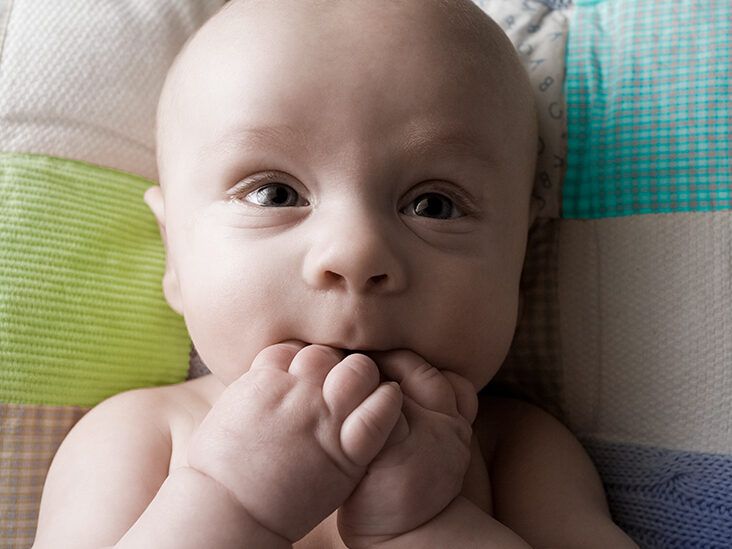
• Your baby sucks their fingers or hand.
• Your baby turns away from bright lights or noise.
• Your baby rubs their face or holds their hands together.
• Your baby makes soft cooing sounds.
• Your baby pauses before crying harder.
• Your baby settles after a short fuss.
• Your baby can lie calmly for a few minutes.
• Your baby relaxes when placed down drowsy but awake.
When can babies self soothe if they still need help? A baby can practice the skill and still need comfort. Progress may look like needing 10 minutes of rocking instead of 20 minutes, not sleeping alone all night.
Watch your baby’s body language. A calm baby may have open hands, slower movements, and a relaxed face. An overwhelmed baby may stiffen, arch, turn red, cry sharply, or move wildly.
If distress grows, step in. Self-soothing practice should not become a test of endurance.

How to Encourage Self-Soothing Safely
You can support self-soothing without forcing independence. The goal is to give your baby small chances to practice while staying close and responsive.
Create a calm sleep routine
Use the same simple steps before naps and bedtime. For example:
-
Dim the lights.
-
Change the diaper.
-
Put on sleep clothing.
-
Feed your baby if needed.
-
Read a short book or sing.
-
Place your baby on their back in a safe sleep space.
A repeated routine works like a gentle signpost. It tells the baby that sleep is coming.
Put your baby down drowsy but awake
This phrase does not mean your baby must be almost asleep. It means your baby is calm and tired but still aware of the room.
Try this when your baby is ready. If your baby becomes upset, offer comfort and try again another time.
Pause briefly before responding
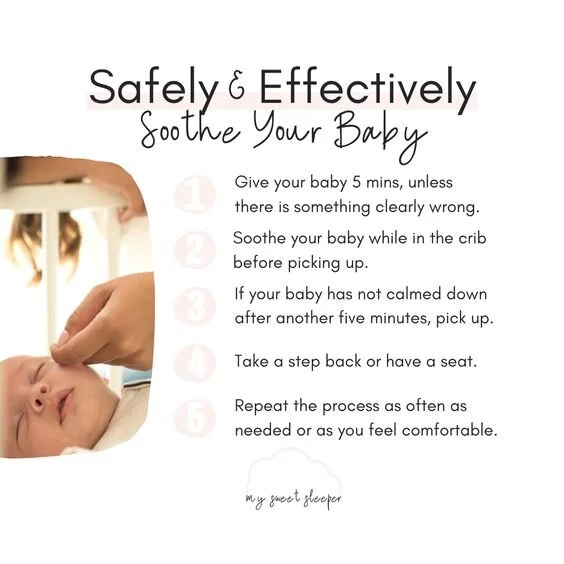
A short pause can give an older baby time to shift position or try a calming action. Listen to the cry and watch the baby’s movement.
Do not use a long pause with a newborn who may be hungry or uncomfortable. When can babies self soothe? Older infants usually have more ability to try, but they still need a caring response.
Use your voice and touch
A quiet voice, gentle pat, or hand on the chest may help your baby settle. You do not always need to pick up your baby right away, but you should stay attentive.
Protect the sleep space
Place your baby on their back on a firm, flat mattress. Keep the crib or bassinet free of pillows, blankets, bumpers, and stuffed toys.
Room sharing without bed sharing is recommended for at least the first six months when possible. Stop swaddling when your baby shows signs of rolling, and never use weighted sleep products.
Self-Soothing and Sleep Training Are Not the Same
Self-soothing is a developmental skill. Sleep training is a set of strategies that may help a baby learn to fall asleep with less help.
A baby can learn self-soothing without formal sleep training. Parents may choose responsive settling, gradual changes, or other approaches based on the baby’s age, health, and family needs.
When can babies self soothe without sleep training? Some babies do it naturally. Others need months of gentle support. There is no rule that says every family must use a formal sleep method.
Sleep training should not replace feeding or medical care. Young babies may still need night feeds, especially if they have not regained birth weight, are growing slowly, or have a medical concern.
Talk with your pediatrician before changing night feeds or using a structured sleep plan. This matters even more for premature babies or babies with reflux, breathing problems, or poor weight gain.

Mistakes That Can Make Self-Soothing Harder
Parents often feel pressure to make a baby independent quickly. That pressure can lead to approaches that do not fit the baby’s age or needs.
Common mistakes include:
• Expecting a newborn to sleep like an older infant.
• Treating every cry as a behavior problem.
• Waiting too long to respond to an overtired baby.
• Changing the bedtime routine every night.
• Using unsafe items in the crib.
• Stopping all night feeds without medical advice.
• Comparing one baby with a sibling or friend’s baby.
• Assuming self-soothing means no crying at all.
One lesson I have seen repeatedly in conversations with parents is that overtired babies often look less sleepy, not more. They may become fussy, active, or difficult to settle. Starting the routine at the first tired signs can make practice much easier.
When can babies self soothe? They do best when they are fed, comfortable, and not already overwhelmed. Timing matters as much as technique.

What to Do When Your Baby Cries
Crying is not always a sign that self-soothing has failed. It is a signal that your baby may need support.
Use a calm check:
-
Check hunger and feeding needs.
-
Check the diaper and clothing.
-
Look for signs of illness, pain, or fever.
-
Reduce noise and light.
-
Offer your voice, touch, or a cuddle.
-
Try a short calming routine.
-
Place your baby safely on their back when calm or asleep.
If you feel angry, place your baby in a safe crib and step away for a few minutes. Never shake a baby. Ask another trusted adult for help if you feel overwhelmed.
When can babies self soothe during a difficult night? They may not be able to, and that is okay. Comforting your baby is not a setback. It is part of responsive care.
The Role of Feeding and Night Wakings
Night waking is normal in infancy. A baby may wake because their stomach is small, their sleep cycle ends, or they need help returning to sleep.
Breastfed babies and formula-fed babies can both wake at night. Feeding patterns vary, and sleep alone cannot tell you whether a baby is getting enough milk.
Do not judge self-soothing by the number of night wakings. A baby may self-settle at bedtime and still wake for a feed at 2 a.m.
Ask a pediatrician or lactation professional for guidance if your baby:
• Has fewer wet diapers than expected.
• Seems unusually sleepy during feeds.
• Has trouble gaining weight.
• Refuses feeds.
• Vomits often or seems in pain.
• Was born early or has a health condition.
When can babies self soothe after a night feed? Some babies settle quickly after feeding, while others need burping and a few minutes of contact. Keep the room dark and the interaction quiet to support a return to sleep.

Self-Soothing, Attachment, and Responsive Care
Comforting a baby does not prevent independence. In fact, consistent care can help babies feel safe enough to explore and practice new skills.
Attachment grows through many small moments. You respond to a cry, offer food, make eye contact, and return after a brief absence. Over time, your baby learns that support is available.
This does not mean you must respond perfectly every time. Real parents get tired. Some days are smooth, and some days feel like a long night with no clear end.
When can babies self soothe in a secure way? They often do so more easily when their caregivers provide predictable care and a safe environment. Independence grows from connection, not from emotional isolation.
When to Ask a Pediatrician for Help
Talk with your child’s healthcare professional if sleep or crying seems unusual, severe, or sudden.
Seek advice if your baby:
• Cries for long periods and cannot be calmed.
• Has a weak cry, trouble breathing, or blue or gray skin.
• Has a fever, especially when very young.
• Eats poorly or has fewer wet diapers.
• Seems floppy, unusually sleepy, or difficult to wake.
• Arches with pain during or after feeds.
• Snores loudly or has pauses in breathing.
• Loses skills they had already gained.
Trust your instincts. You know your baby’s usual sounds and behavior. A pediatrician can check for reflux, allergies, infection, feeding problems, sleep disorders, or other causes of distress.
Self-soothing advice has limits. General age ranges cannot replace an individual medical assessment.
Frequently Asked Questions About When Can Babies Self Soothe
When can babies self soothe at night?
Many babies begin showing self-soothing skills around 3 to 4 months, but night waking may continue. Hunger, growth, illness, and normal sleep cycles can still cause older babies to wake.
Can a 2-month-old baby self soothe?
A 2-month-old may suck their hand, turn away, or briefly settle, but most babies this age still need frequent help. Respond to hunger, discomfort, and crying with care.
Does self-soothing mean letting a baby cry?
No. Self-soothing means giving a baby a chance to use calming skills while staying responsive to their needs. You can comfort, pick up, feed, or check your baby whenever needed.
How do I teach my baby to self soothe?
Use a steady bedtime routine, place your baby down calmly, and offer short chances to settle. Always follow safe sleep guidance and adjust your approach to your baby’s age and health.
Is thumb-sucking a form of self-soothing?
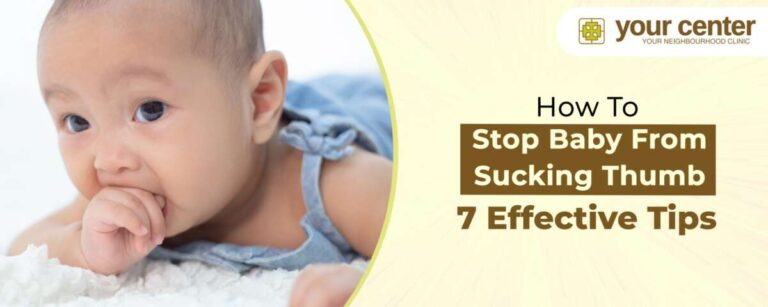
Yes, sucking can help some babies calm their bodies. Keep the sleep space safe, and speak with a pediatric dentist or pediatrician if thumb-sucking continues well into the preschool years.
When can babies self soothe without being rocked?
Some babies begin settling without rocking between 4 and 6 months, while others need more time. Reduce rocking slowly by using a voice, gentle touch, or a shorter routine.
Should I wake my baby to feed?
That depends on age, health, weight gain, and medical advice. Until your pediatrician confirms that your baby can safely sleep longer, follow the feeding plan given by your healthcare professional.
Conclusion
When can babies self soothe? Many begin around 3 to 4 months, and more consistent settling often develops between 4 and 6 months. Still, there is no perfect age, and progress can change with teething, illness, growth, travel, or separation anxiety.
Support your baby with a calm routine, safe sleep space, realistic expectations, and responsive care. Notice small steps, ask for help when needed, and trust that independence grows over time. Share your experience with a trusted parent group, explore guidance from your pediatrician, and keep learning what works best for your baby.