Most babies wean from a bottle best with a gradual cup transition, steady routines, and plenty of comfort.
Learning how to wean baby off bottle can feel harder than expected. A bottle may mean milk, sleep, comfort, and closeness all at once. The safest plan depends on your child’s age, feeding skills, health, and daily routine. This guide explains when to start, what cup to choose, how to handle bedtime bottles, and how to avoid common mistakes.
When should you wean your baby off the bottle?
Most babies can begin learning to drink from a cup around 6 months. By about 12 months, many children can move from bottles to cups as their main way to drink milk.
The American Academy of Pediatrics advises parents to work toward ending bottle use between 12 and 18 months. Some children take longer, and that is normal. The goal is steady progress, not a perfect deadline.
Before starting, make sure your baby can:
• Sit upright with support or independently
• Bring a cup to the mouth with help
• Sip and swallow safely
• Eat age-appropriate solid foods
• Drink breast milk or formula well during the transition
If your baby was born early, has trouble swallowing, has poor weight gain, or has a medical condition, ask a pediatrician before changing feeding patterns. Babies under 12 months still need breast milk or iron-fortified formula as their main source of nutrition. Do not replace formula with cow’s milk too early.
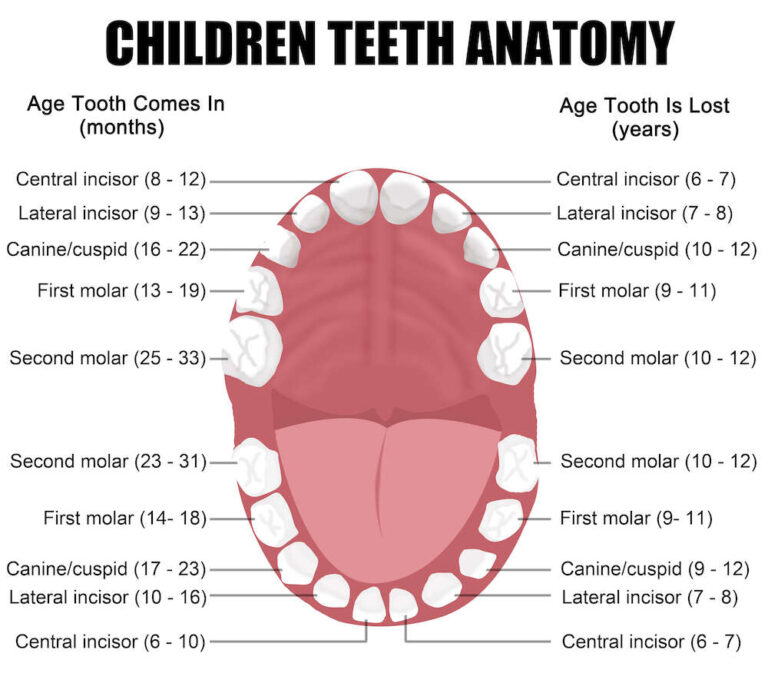
Bottle weaning is also linked to dental health. Frequent bottle use, especially during sleep, can let milk sit on the teeth for hours. This can raise the risk of early childhood cavities.
Why weaning from a bottle matters
A bottle is useful in early infancy, but long-term use may create feeding and dental concerns. A baby may begin to rely on the bottle for comfort rather than hunger. This is most common with bedtime, nap, and night bottles.
Drinking from a cup also supports new skills. Your child learns to control sips, use hand movements, and drink while sitting at the table with the family. These skills are part of normal oral and motor development.
Here are the main reasons parents choose to wean:
• Lower risk of tooth decay from frequent milk exposure
• Less chance of falling asleep with milk on the teeth
• More practice with cups and open-cup drinking
• Fewer struggles when starting daycare or preschool
• Less dependence on sucking for comfort
• Easier family meals and travel routines
A bottle itself is not “bad.” The concern is using it too often or for too long. A calm, planned transition is usually more helpful than suddenly taking every bottle away.

How to wean baby off bottle step by step
The best method is usually gradual. Think of the process like moving across a small bridge. Each step should feel manageable for both you and your child.
1. Choose a calm time to begin
Avoid starting during a move, illness, new childcare arrangement, or major family change. If your baby is teething or sleeping poorly, wait until life feels more settled.
Pick one bottle that seems less important. Many parents start with the late-morning or afternoon bottle. Keep the morning and bedtime bottles for later if those are tied to strong comfort needs.
2. Introduce the cup without pressure
Offer a cup during a relaxed meal. Let your baby touch it, turn it, and explore it. A small spill is part of learning.
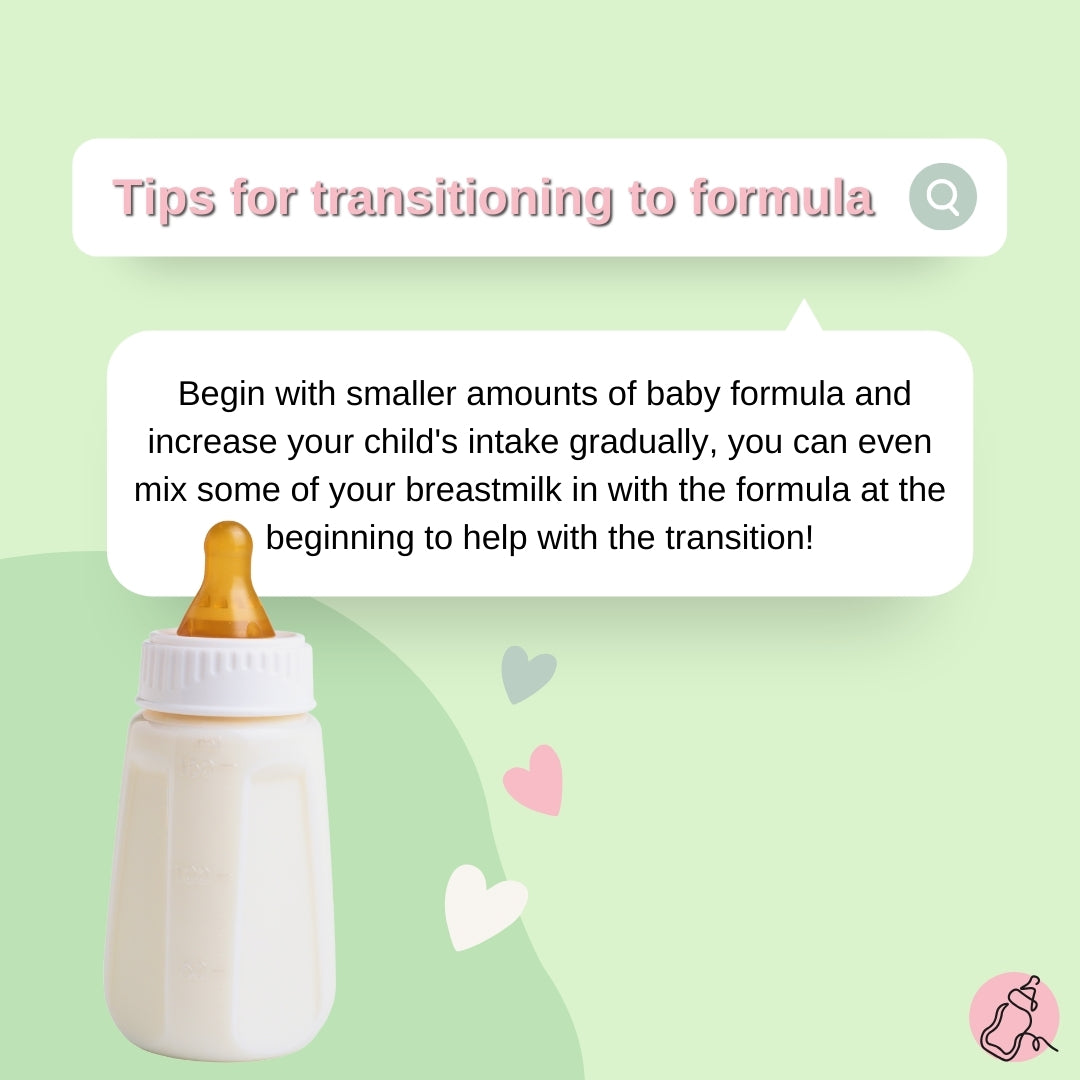
You can place a little breast milk, formula, or water in the cup, depending on your child’s age and feeding plan. For babies under 12 months, breast milk or formula should remain the main drink.
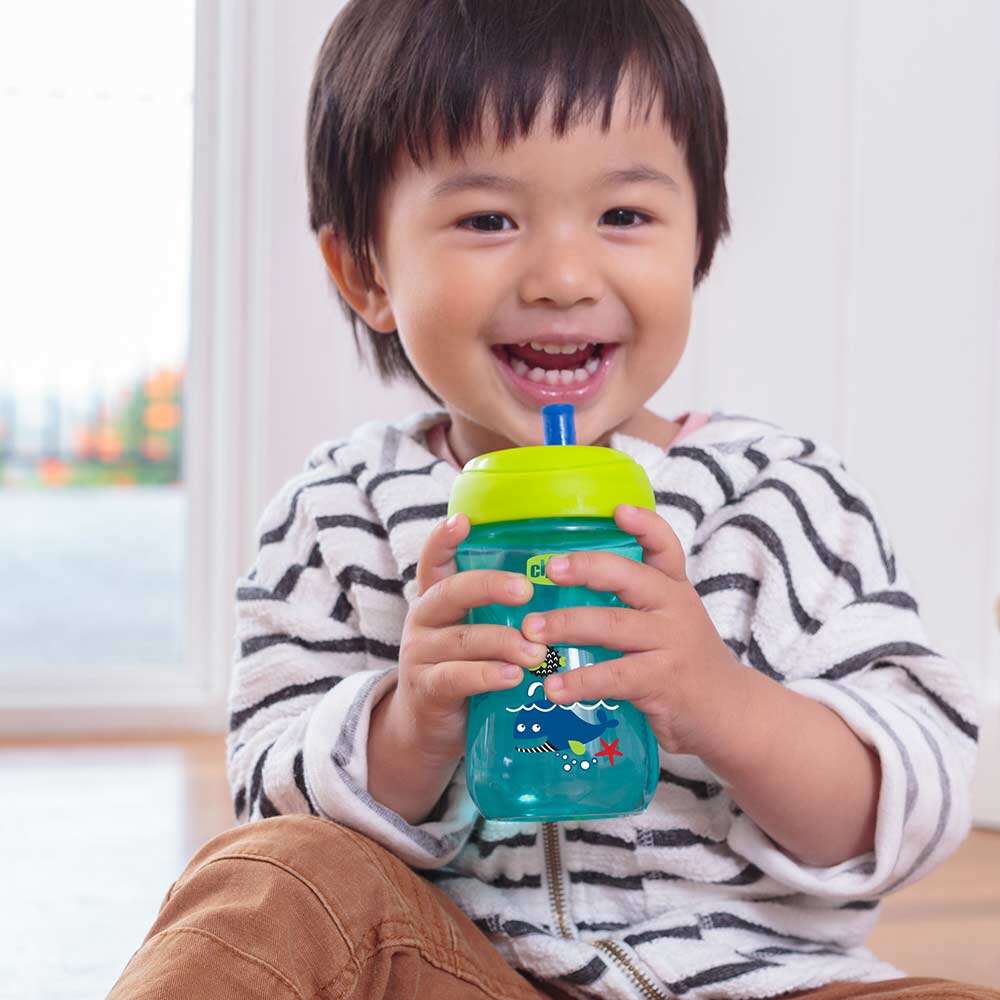
Try several cup styles if needed:
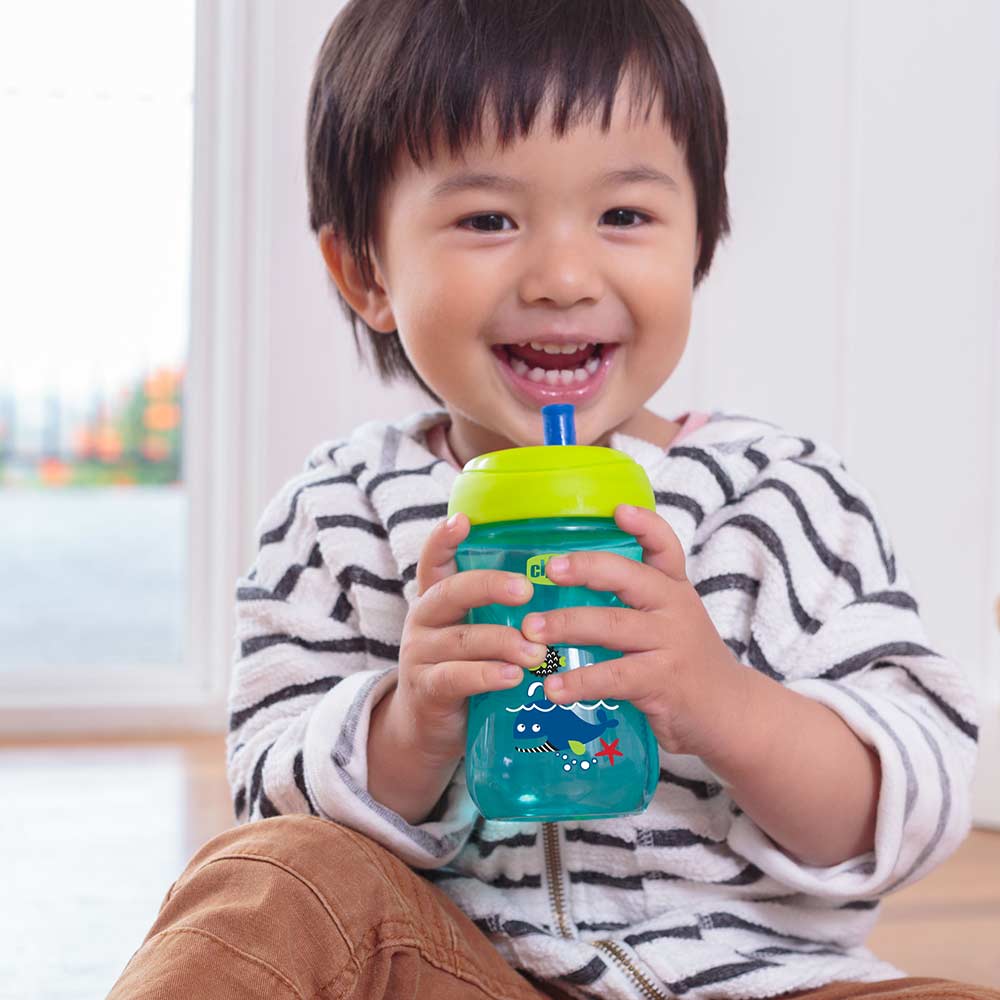
• Straw cup
• Soft-spout training cup
• Small open cup
• Weighted cup that stays steady
• Small medicine-style cup used with adult guidance
Many children move more easily to a straw or open cup than to a hard spout. There is no single best cup for every child.
3. Replace one bottle at a time
Offer the cup before the usual bottle. If your child drinks only a little, stay calm. You can give the rest of the usual milk in the bottle for a few days.
After your child accepts the cup at one meal, replace another bottle. Wait about three to seven days between changes. Some children need longer.
A simple order may look like this:
- Replace the afternoon bottle.
- Replace the morning bottle.
- Replace the pre-nap bottle.
- Replace the bedtime bottle.
- Remove any overnight bottle, with medical advice when needed.
4. Keep milk with meals
Offer milk in a cup during meals or snacks rather than allowing all-day sipping. This supports a regular eating rhythm and gives teeth breaks between drinks.
If your toddler drinks cow’s milk, the amount should fit the child’s age and diet. Too much milk can reduce appetite for iron-rich foods and may contribute to iron deficiency. Your child’s doctor can suggest a suitable amount.
Water can be offered between meals. Avoid using juice as a replacement for the bottle. Juice adds sugar and does not provide the same nutrition as breast milk, formula, or milk.
5. Build a new comfort routine
For many babies, the bottle is more than food. It is a warm pause at the end of the day. Replace that pause with another predictable ritual.
Try:
• Reading two short books
• Singing the same song
• Offering a cuddle
• Giving a favorite comfort toy
• Rocking or sitting quietly
• Brushing teeth before bed
• Using a short, repeated goodnight phrase
The routine matters more than the exact activity. When the pattern stays the same, the bottle becomes less important.

How to wean baby off bottle at bedtime
Bedtime is often the hardest part of bottle weaning. Your child may wake and expect milk as a way to fall back asleep. Removing this bottle can lead to tears, but it does not mean you are doing harm when you respond with comfort.
Start by moving the bottle earlier in the routine. For example, offer milk in a cup before pajamas. Then brush your child’s teeth, read a book, and go to bed. This breaks the link between drinking milk and falling asleep.
You can also reduce the amount slowly. Remove about 1 ounce every few nights, or shorten the feeding time if your child breastfeeds from a bottle. Replace the missing time with cuddles, gentle words, or a song.
Do not dilute formula or breast milk without medical advice. Diluted formula may not provide enough nutrition and can be unsafe. Instead, change the timing, amount, or routine under guidance from your child’s pediatrician.
For a toddler who wakes for a bottle, offer comfort first. If the child is eating well during the day and the doctor agrees, water may replace nighttime milk. Keep the response quiet and boring so the night does not become a new playtime.
How to handle bottle refusal and strong emotions
Some babies reject the cup at first. This does not mean they are not ready. It may mean the cup feels unfamiliar, the milk tastes different, or the change happened too quickly.
Offer the cup when your child is calm and mildly hungry. A very hungry baby may become frustrated before learning a new skill. A child who is full may have no reason to practice.
Avoid forcing the cup into your baby’s mouth. Pressure can create a negative association with drinking. Instead, model the skill by drinking from your own cup and saying, “Your turn.”
Helpful responses include:
• Stay neutral when your baby refuses
• Try again at the next meal
• Change the cup style or temperature of the drink
• Let your child hold the cup
• Offer small amounts at first
• Praise effort, not volume
• Keep the bottle out of sight during cup practice
If your child skips a small amount of milk but eats a balanced diet, do not panic. However, call your pediatrician if your child refuses most fluids, has fewer wet diapers, seems unusually tired, loses weight, or shows signs of dehydration.
Common mistakes when weaning from a bottle
Parents often feel pressure to finish quickly. In practice, the fastest plan is not always the easiest plan. A slower transition may prevent a long battle.
Avoid these common mistakes:
• Removing every bottle at once without a backup plan
• Starting during illness or a major life change
• Letting a child carry a bottle all day
• Putting a baby to sleep with milk
• Replacing milk with juice or sweet drinks
• Offering a cup only when the child is very hungry
• Expecting a toddler to master an open cup in one day
• Using shame, punishment, or threats
• Giving the bottle back after every protest without a plan
One mistake many parents make is changing the cup, milk, schedule, and bedtime routine at the same time. That creates too many new variables. Change one part first, then give your child time to adjust.
Another common mistake is forgetting that the bottle may provide emotional comfort. If you remove the bottle but do not add connection, your child may protest more strongly. A cuddle, song, or familiar book can make the change feel safer.

A sample bottle-weaning schedule
Every child develops at a different pace, so use this schedule as a guide rather than a rule.
Week 1: Practice
Offer a cup once or twice each day. Keep the usual bottles. Let your child explore the cup without pressure.
Week 2: Replace one daytime bottle
Choose the easiest bottle and replace it with milk in a cup. Continue offering comfort and praise.
Week 3: Replace another daytime bottle
Keep milk with meals or snacks. Offer water between meals if your child is old enough and your pediatrician agrees.
Week 4: Change the nap routine
Move milk earlier. Use books, cuddles, or a song to help your child settle without the bottle.
Week 5 and beyond: Address bedtime and night bottles
Reduce the amount or move the bottle earlier. Then replace it with a cup and a consistent bedtime routine.
Some children finish in a few weeks. Others need several months. Progress may go forward and backward, especially during travel, illness, or teething.

Choosing the right cup
A cup should match your child’s skills, not just its marketing label. Start with a cup that is light, easy to hold, and simple to clean.
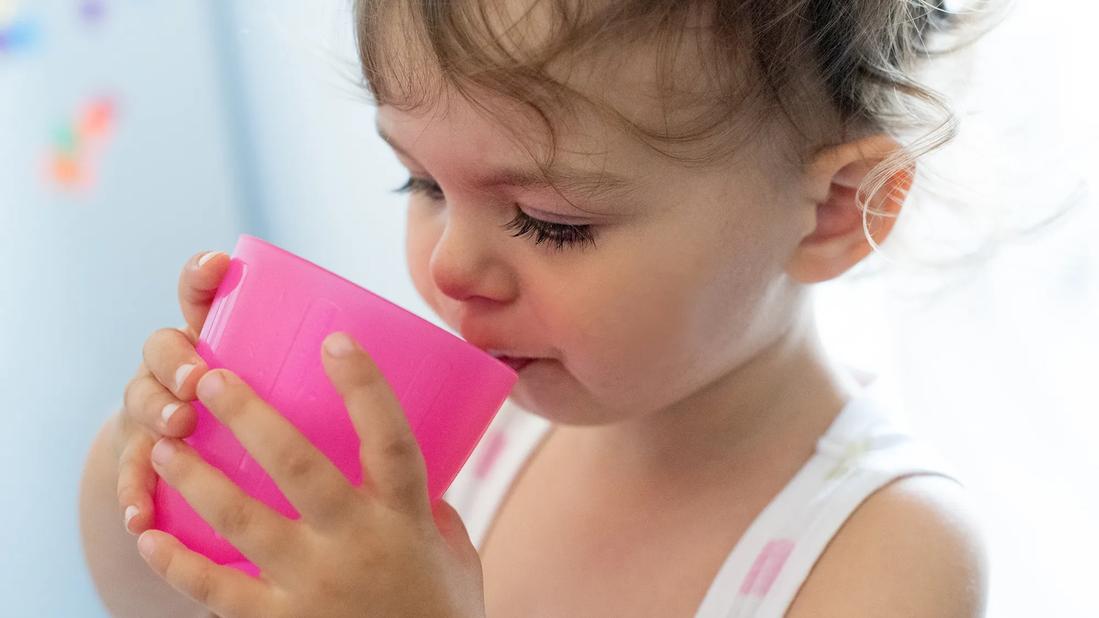
An open cup is a useful long-term goal. It helps children learn normal drinking skills and reduces prolonged sucking. A straw cup can also be helpful, especially for children who cannot yet control an open cup.
Look for:
• A small size that fits little hands
• Easy-to-clean parts
• A leak-resistant design for travel
• A soft straw if your child prefers it
• A wide base for stability
• No added sugar or sweet flavoring
Avoid letting your child sip milk or juice from a cup throughout the day. A cup can cause the same dental concern as a bottle if it is filled with sugary drinks and carried around constantly.
Teach your child to sit while drinking. Running, lying down, or drinking in a car seat can increase choking risk. Always supervise young children while they drink.
Nutrition during the bottle transition
The bottle-weaning process should not reduce essential nutrition. Babies younger than 12 months generally need breast milk or iron-fortified formula as their primary milk source.
After 12 months, many toddlers can drink whole cow’s milk, unless a health professional recommends another option. Milk is only one part of the diet. Offer foods that provide iron, protein, healthy fats, fruits, vegetables, and whole grains.
Useful foods may include:
• Eggs, beans, lentils, or soft meat
• Plain yogurt and cheese
• Oatmeal or iron-fortified cereal
• Avocado and nut butter in safe forms
• Soft vegetables and ripe fruit
• Whole-grain toast or pasta
Never give whole nuts, popcorn, hard raw vegetables, or other choking hazards to young children. Cut food into safe shapes and follow current feeding guidance.
If your child has a dairy allergy, poor growth, feeding delay, or restricted diet, ask a pediatrician or registered dietitian for a personalized plan. Online advice cannot replace an assessment of your child’s health.

When to ask a pediatrician for help
Most children can transition with patience and routine. Still, some situations need professional support.
Contact your child’s doctor if:
• Your baby is under 12 months and you plan to change formula or breast milk intake
• Your child coughs, chokes, or turns blue while drinking
• Your child has frequent vomiting or painful swallowing
• Your toddler refuses nearly all cups and fluids
• Your child has fewer wet diapers than usual
• Weight gain is slow or dropping
• Your child has a developmental or oral-motor delay
• Bottle use is linked to severe sleep or behavior problems
A pediatrician, feeding therapist, speech-language pathologist, or pediatric dentist can help. Early support is especially useful when feeding problems affect growth, hydration, or family life.
Professional advice may not provide a magic one-night solution. Its value is in finding the reason behind the struggle and making a safe plan for your child.
Frequently Asked Questions About How to Wean Baby Off Bottle
What is the best age to wean a baby off the bottle?
Babies can begin practicing with a cup around 6 months, and many should move away from bottles between 12 and 18 months. The exact timing depends on feeding skills, health, and emotional readiness.
How long does it take to wean a baby off the bottle?
Some children transition in a few weeks, while others need several months. Replacing one bottle at a time and keeping the routine steady often makes the process smoother.
Should I stop the bedtime bottle first?
Usually, bedtime is the most difficult bottle to remove because it provides comfort. Start with an easier daytime bottle, then move the bedtime drink earlier and replace it with books, cuddles, and toothbrushing.
What should I put in the cup during bottle weaning?
For babies under 12 months, offer breast milk or iron-fortified formula according to your feeding plan. After 12 months, milk and water are common choices, while juice and sweet drinks should be limited or avoided.
What if my baby refuses the cup?
Offer the cup when your baby is calm, use small amounts, and try a different style such as a straw or open cup. Do not force drinking, and speak with a pediatrician if your child refuses most fluids or has signs of dehydration.
Is it harmful to let a toddler use a bottle at night?
Nighttime milk can stay on the teeth and increase the risk of early cavities. Moving milk earlier in the bedtime routine, brushing teeth afterward, and offering comfort without the bottle can help.
Conclusion
Learning how to wean baby off bottle is a gradual process built on timing, patience, and comfort. Start with one easy daytime bottle, introduce a cup without pressure, keep milk with meals, and create a soothing routine for naps and bedtime.
Expect some protests and a few messy spills. They are part of learning, not signs of failure. Follow your child’s cues, protect nutrition and hydration, and ask a pediatrician for help when feeding or growth concerns appear. Try one small change this week, and explore trusted pediatric resources for the next step.