A 10-month-old can usually eat three small meals each day, with one or two healthy snacks if hungry. A practical starting amount is 2 to 4 tablespoons of food per meal, building toward ¼ to ½ cup as your baby’s appetite grows.
Breast milk or iron-fortified infant formula should still provide much of your baby’s nutrition until 12 months. Solid foods add iron, energy, texture, and practice with eating. Some babies eat more than others, so use hunger and fullness cues instead of forcing a set amount.
This guide is based on feeding guidance from the Centers for Disease Control and Prevention (CDC), the American Academy of Pediatrics (AAP), and USDA MyPlate.

How Much Food Does a 10-Month-Old Need Per Meal?
Most 10-month-olds can eat a few tablespoons to about ½ cup at a meal. Start with a small serving. Offer more when your baby finishes the food and still shows signs of hunger.
There is no single correct portion. Appetite can change from one meal to the next. Growth, activity, teething, illness, sleep, and milk intake can all affect how much a baby eats.
A useful portion guide looks like this:
| Food type | Starting amount | Possible amount by the end of the meal |
|---|---|---|
| Soft vegetables | 1–2 tablespoons | ¼–½ cup |
| Soft fruit | 1–2 tablespoons | ¼–½ cup |
| Iron-rich food | 1–2 tablespoons | 2–4 tablespoons |
| Whole grains or starchy foods | 1–2 tablespoons | ¼–½ cup |
| Plain yogurt or cottage cheese | 1–2 tablespoons | ¼–½ cup |
| Water | A few sips | Small amounts with meals |
These amounts are estimates, not rules. A baby who eats 2 tablespoons may be satisfied. Another baby may eat ½ cup. Your baby’s growth and feeding skills matter more than one meal.
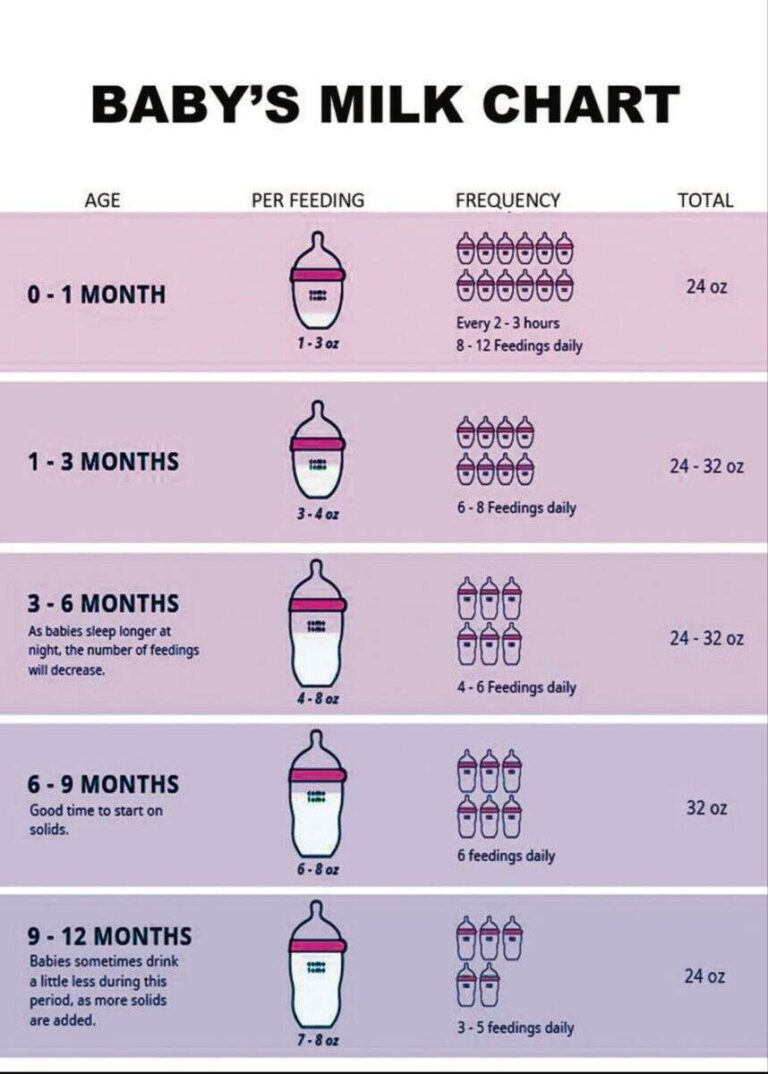
Continue offering breast milk or formula on the usual schedule. Many babies this age still take several milk feeds each day, often totaling about 24 to 32 ounces of formula in 24 hours, although the exact amount varies. Breastfed babies may nurse at different times and for different lengths.
Do not reduce milk feeds sharply just to make your baby eat more solids. Too much solid food can also reduce milk intake before your baby is ready.

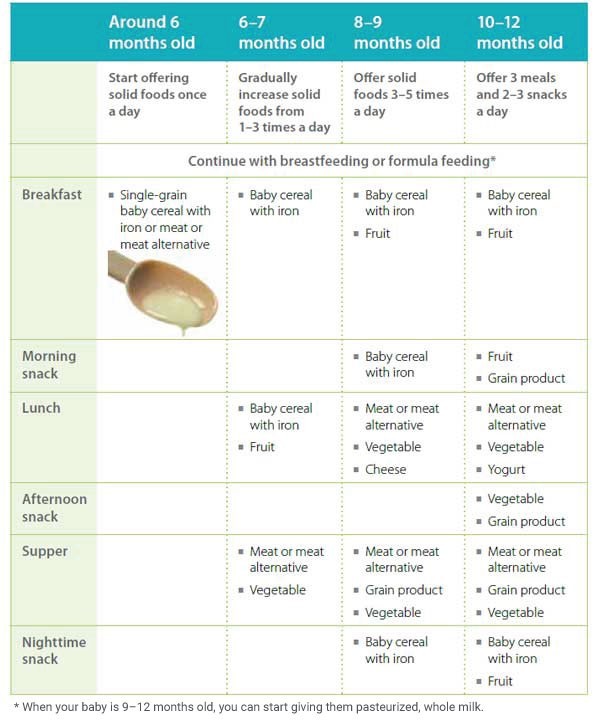
How Many Times a Day Should a 10-Month-Old Eat Solids?
A 10-month-old will often eat three meals each day. You can add one or two small snacks if your baby seems hungry between meals.
A simple daily pattern might look like this:
- Breakfast: oatmeal with mashed banana and a small amount of peanut butter thinned into the oatmeal
- Lunch: soft pasta, shredded chicken, and steamed vegetables
- Snack: plain whole-milk yogurt or soft fruit
- Dinner: scrambled egg, avocado, and soft toast strips
- Milk feeds: breast milk or infant formula throughout the day
Your baby does not need a full snack schedule if three meals and milk feeds are enough. Snacks can be useful for an active baby who eats small meals.
Try to offer food at regular times. A predictable routine helps your baby learn when eating happens. Many babies eat better when they are calm and slightly hungry, rather than very tired or very hungry.
Give your baby time to eat. A meal may take 10 to 20 minutes. Stop when your baby turns away, closes their mouth, pushes food away, or loses interest.
What Should a 10-Month-Old Eat?
A 10-month-old should get a mix of iron-rich foods, fruits, vegetables, grains, and healthy fats. Offer different tastes and textures during the week.
Iron-rich foods
Iron supports brain development and healthy blood. Good choices include:
- Soft meat, poultry, and fish
- Beans and lentils
- Tofu
- Well-cooked egg
- Iron-fortified infant cereal
- Smooth nut or seed butter spread thinly or mixed into another food
- Shredded cheese and plain yogurt, which provide other nutrients but are not as rich in iron
Try to include an iron-rich food at most meals. Pairing plant-based iron sources with fruits or vegetables that contain vitamin C may help the body absorb the iron.
Fruits and vegetables
Offer soft pieces, mashed foods, or foods cooked until tender. Examples include:
- Banana
- Avocado
- Pear
- Peach
- Sweet potato
- Peas
- Broccoli
- Carrot cooked until soft
- Green beans
- Squash
A 10-month-old can practice picking up soft pieces with their fingers. You can also offer mashed or lumpy foods on a preloaded spoon.
Grains and starchy foods
Good choices include:
- Oatmeal
- Soft whole-grain toast
- Soft pasta
- Rice
- Quinoa
- Couscous
- Potato
- Sweet potato
- Soft corn or polenta
Choose foods that are soft enough to mash between your fingers. Avoid foods that are hard, round, sticky, or difficult to chew.
Healthy fats
Babies need fat for growth and brain development. Include foods such as:
- Avocado
- Full-fat plain yogurt
- Smooth nut butter
- Olive oil mixed into vegetables
- Mashed beans
- Soft cheese in small amounts
- Flaked, low-mercury fish

How Much Breast Milk or Formula Does a 10-Month-Old Need?
Breast milk or infant formula remains a major source of nutrition at 10 months. Solids should complement milk, not replace it too early.
Formula-fed babies often drink 6 to 8 ounces per feed, with the daily total commonly falling around 24 to 32 ounces. Some babies need less or more. Follow your baby’s hunger and fullness cues and your pediatrician’s advice.
Breastfed babies may nurse several times per day. There is no reliable way to measure breast milk intake at each feed. Signs that feeding is going well include steady growth, regular wet diapers, alert periods, and a baby who seems satisfied after many feeds.
Do not add cereal, fruit juice, or other foods to a bottle. This can raise the risk of choking and may encourage overfeeding.
Cow’s milk can be used in small amounts in foods, such as oatmeal or yogurt, but it should not replace breast milk or infant formula as the main drink before 12 months. After 12 months, ask your child’s health care provider how to make the change.

How Do You Know if a 10-Month-Old Is Still Hungry or Full?
Your baby’s behavior can guide you better than a measuring cup. Offer a small amount first, then respond to the signals your baby gives.
Signs your baby may still be hungry
Your baby may:
- Reach for food
- Open their mouth when food approaches
- Lean toward the food
- Make excited sounds
- Eat the offered portion quickly
- Look for more after the food is gone
Offer another small serving when these signs continue.
Signs your baby is full
Your baby may:
- Turn their head away
- Close their mouth
- Push food away
- Slow down or stop eating
- Drop or play with the food
- Become distracted
- Lean back in the chair
When you see these signs, end the meal. Do not pressure your baby to take “one more bite.” Forced feeding can make meals stressful and may interfere with your baby’s ability to notice hunger and fullness.

What Texture Should Food Have at 10 Months?
At 10 months, many babies can manage soft lumps, mashed foods, and tender finger foods. Texture should match your baby’s skills, not only their age.
Offer foods that are:
- Soft enough to mash between your thumb and finger
- Cut into small, manageable pieces
- Moist rather than dry
- Easy to hold or scoop
- Free of hard bones, pits, and tough skins
Examples include soft toast strips, ripe banana pieces, steamed broccoli florets, shredded chicken, flaky fish, soft pasta, and cooked vegetables.
Your baby should sit upright in a stable high chair while eating. Stay close and watch the entire time. Gagging can be loud and may involve coughing or retching. Choking can be quiet and prevents normal breathing, so learn infant choking first aid before offering finger foods.
Avoid common choking hazards, including:
- Whole grapes
- Whole nuts
- Popcorn
- Hot dog rounds
- Raw carrot
- Hard apple pieces
- Chunks of meat or cheese
- Spoonfuls of thick nut butter
- Hard candy
- Large pieces of bread or sticky food
Cut round foods such as grapes and cherry tomatoes into quarters lengthwise. Shred meat and cheese. Thin nut butter with water, yogurt, or oatmeal, then spread it in a very thin layer.

Foods to Avoid Before 12 Months
Some foods are unsafe or not recommended for babies under 12 months.
Avoid honey
Do not give honey before age 1. Honey can contain bacteria that cause infant botulism.
Limit added salt and sugar
Babies do not need added salt, sugary drinks, desserts, or sweetened foods. These foods can crowd out more nutritious choices and may shape a preference for very sweet or salty flavors.
Avoid juice
The AAP does not recommend fruit juice for children under 1 year. Whole fruit provides more fiber and helps babies learn to eat varied textures.
Choose fish carefully
Fish can provide protein and healthy fats, but some fish contain high levels of mercury. Follow the FDA and EPA advice to choose fish that are lower in mercury and avoid fish listed as a poor choice for children.
Use pasteurized dairy products
Avoid unpasteurized milk, cheese, and juice. Do not serve raw or undercooked eggs, meat, poultry, or seafood.

Can a 10-Month-Old Try Allergens?
Yes. If your baby is ready for solid foods, you can offer common allergens in safe forms. These include peanut, egg, dairy, wheat, soy, sesame, fish, and shellfish.
Offer one new allergen in a small amount when your baby is well. Use a safe texture, such as smooth peanut butter thinned with water or yogurt, or well-cooked egg. Watch for signs of a reaction, including hives, swelling, vomiting, coughing, wheezing, or trouble breathing.
Call 911 for trouble breathing, swelling of the lips or tongue, sudden weakness, or signs of a severe allergic reaction. Contact your child’s health care provider for other possible reactions.
Babies with severe eczema or an existing food allergy may need a different plan. Ask your pediatrician or an allergy specialist about introducing peanut and other allergens.
Once your baby tolerates a food, keep offering it regularly as part of a varied diet, unless a health care professional tells you not to.

How Much Water Can a 10-Month-Old Drink?
A 10-month-old can have small amounts of plain water from an open cup, straw cup, or training cup. Offer a few sips with meals.
Water does not need to replace breast milk or formula. Too much water can fill a baby’s stomach and reduce milk intake. It can also be dangerous in large amounts because it may disturb the body’s salt balance.
Avoid juice, soda, sports drinks, tea, and other sweet drinks. Plain water and breast milk or formula are the better choices during the first year.

Common Feeding Mistakes at 10 Months
The most common mistake is treating a portion guide as a required target. Babies have different needs, and intake often changes from day to day.
Other mistakes include:
- Pressuring a baby to finish a bowl
- Offering only smooth purées
- Cutting food into unsafe shapes
- Replacing formula or breast milk too soon
- Serving honey before 12 months
- Giving cow’s milk as the main drink
- Offering juice instead of whole fruit
- Feeding while the baby is lying down, walking, or playing
- Ignoring repeated signs of a food allergy
- Using screens or toys to distract the baby during meals
If your baby refuses a food, try again another day. Some babies need many low-pressure exposures before they accept a new taste or texture.

When Should You Call the Pediatrician?
Contact your child’s health care provider if your baby:
- Eats very little for several days
- Frequently coughs, chokes, or gags during meals
- Has trouble chewing or swallowing
- Vomits often during or after eating
- Has blood in the stool
- Develops repeated rashes after eating
- Loses weight or does not gain as expected
- Has fewer wet diapers than usual
- Refuses both milk and solid foods
- Seems unusually tired or weak
A pediatrician can review growth, milk intake, feeding skills, and possible medical causes. A feeding therapist, registered dietitian, or pediatric allergy specialist may also help when needed.

Sample One-Day Meal Plan for a 10-Month-Old
The following is a sample, not a required menu. Adjust textures and portions to your baby’s skills and appetite.
| Time | Example |
|---|---|
| Morning milk feed | Breast milk or infant formula |
| Breakfast | Oatmeal, mashed banana, and thinned peanut butter |
| Midmorning | Breast milk or infant formula |
| Lunch | Soft pasta, shredded chicken, and steamed broccoli |
| Afternoon snack | Plain whole-milk yogurt or soft pear |
| Evening milk feed | Breast milk or infant formula |
| Dinner | Scrambled egg, avocado, and soft toast strips |
| Before bed | Breast milk or infant formula, if part of the usual routine |
Offer water with meals in small amounts. Your baby does not need to eat every food listed, and the schedule can change to fit your family.

Frequently Asked Questions
Is ½ cup of solids too much for a 10-month-old?
Not necessarily. Some 10-month-olds may eat close to ½ cup at a meal, while others eat much less. Stop when your baby shows fullness, even if food remains.
Should a 10-month-old eat three meals a day?
Three small meals is a reasonable goal for many babies. Some also need one or two snacks. Breast milk or formula should still remain an important part of the daily diet.
Can a 10-month-old eat table food?
Yes, if the food is soft, low in salt and added sugar, and prepared in a safe shape. Remove bones, pits, tough skins, and choking hazards. Do not serve a baby the same unsafe pieces given to an adult.
What if my 10-month-old refuses solids?
Keep offering small amounts without pressure. Check the texture, timing, and temperature. A baby may refuse food when tired, teething, constipated, or already full from milk. Speak with the pediatrician if refusal continues or growth is a concern.
Can a 10-month-old eat eggs and peanut butter?
Most babies can eat well-cooked egg and smooth peanut butter in safe forms. Thin peanut butter before serving. If your baby has severe eczema or a known allergy, ask the pediatrician about the safest way to introduce allergens.
Key Takeaways
- Offer three small solid-food meals each day.
- Start with 2 to 4 tablespoons per meal, then offer more if your baby remains hungry.
- A meal may grow to ¼ to ½ cup, but there is no required portion.
- Continue breast milk or iron-fortified infant formula as a major nutrition source.
- Include iron-rich foods often.
- Use soft textures and safe shapes.
- Follow hunger and fullness cues.
- Avoid honey, juice, choking hazards, and cow’s milk as the main drink before 12 months.
- Ask the pediatrician about feeding problems, allergic reactions, or poor growth.
Conclusion
At 10 months, aim for regular chances to eat rather than a perfect amount. Three small meals, optional snacks, and continued breast milk or formula provide a flexible routine for most babies.
Start with a few tablespoons. Offer more when your baby asks for it, and stop when your baby shows fullness. If feeding feels difficult or your baby is not growing well, contact the pediatrician for advice based on your child’s health and development.