
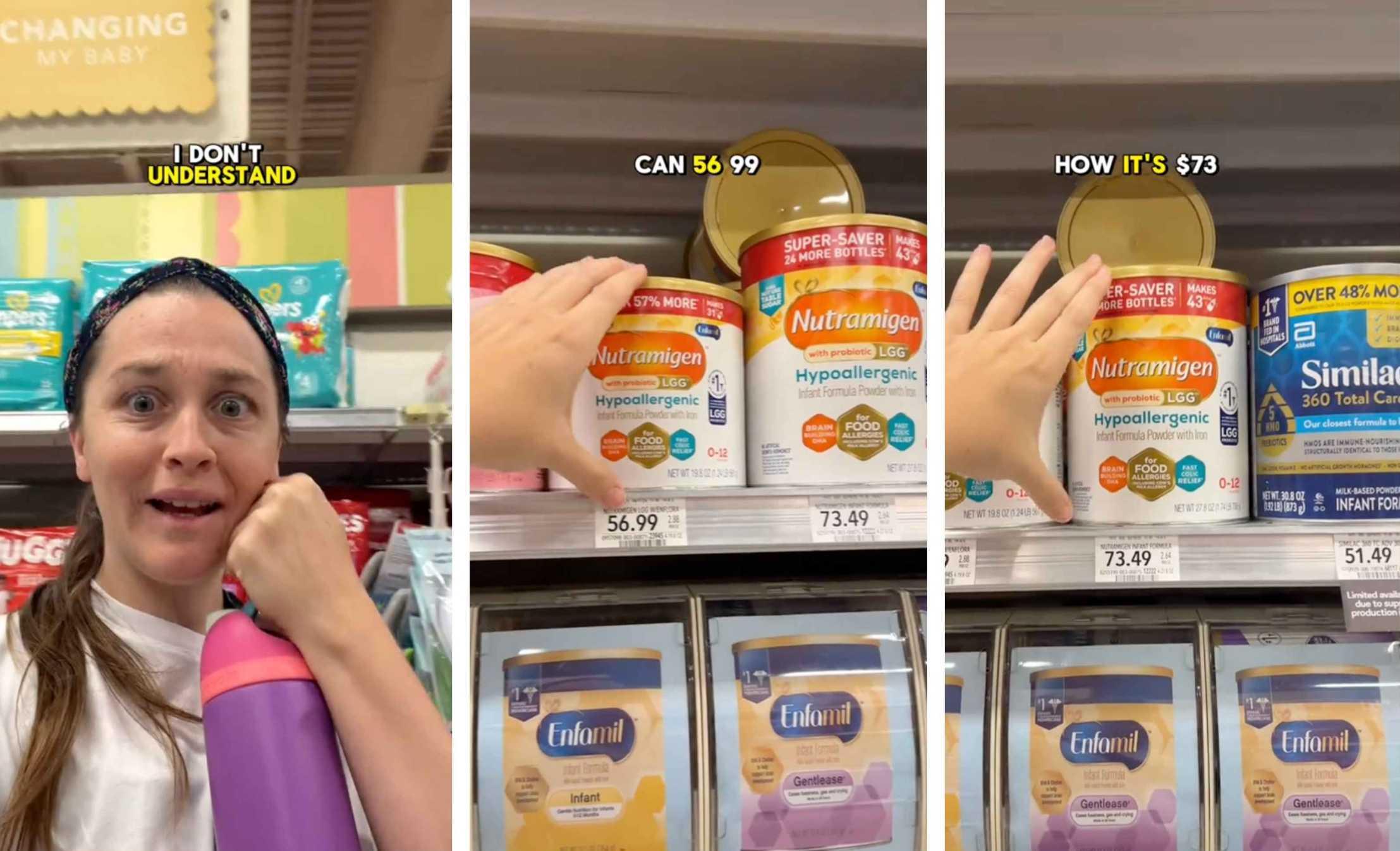
Baby formula is expensive in the United States because it combines costly ingredients, strict safety rules, specialized manufacturing, complex distribution, and a highly concentrated market. Families may also pay more when they need ready-to-feed formula, hypoallergenic formula, or another specialty product.
The price at the shelf does not come from one cause. It is the result of several costs building on each other—from food-grade ingredients and factory testing to shipping, store margins, and limited competition.
Introduction
For many U.S. families, formula is not an optional purchase. It may be a baby’s main source of nutrition, a supplement to breast milk, or the only practical choice because of health, work, adoption, or personal circumstances. That makes a high price especially hard to manage.


The United States also has a unique formula market. A small number of companies supply most powdered infant formula sold in American stores, while federal rules set detailed standards for what formula must contain and how it must be made. These safeguards protect infants, but they also add cost and make supply problems more serious when a major plant closes.
This guide explains why formula costs so much, which types cost the most, how assistance programs can reduce the bill, and how to lower costs without putting a baby’s health at risk.

The short answer: Why does baby formula cost so much?
Baby formula costs so much because manufacturers must produce a highly controlled food for infants at a relatively small scale, then move it through a complex supply chain.
The main cost drivers are:
- Specialized ingredients, such as milk proteins, lactose, vegetable oils, vitamins, and minerals
- Strict U.S. safety and nutrition requirements
- Testing and quality control at many stages
- Expensive plants and equipment
- Limited competition among major suppliers
- Packaging, storage, and transportation
- Retail and distributor markups
- Higher costs for specialty formulas
- Shortages, recalls, and disruptions that raise supply-chain costs
A standard powdered formula may cost less per feeding than ready-to-feed or specialty formula. However, even standard formula can create a large monthly expense because babies consume it every day.
A simple cost example
Consider a hypothetical family that uses one standard powdered formula container each week. If each container costs $30, the monthly cost is about:
| Calculation | Estimated amount |
|---|---|
| One container | $30 |
| Containers per month | 4.3 |
| Monthly formula cost | About $129 |
| Yearly cost at the same rate | About $1,560 |
This is only an example. Actual costs depend on the brand, container size, feeding amount, store, promotions, and the baby’s age.
Formula use often changes over time. A newborn may take smaller amounts at first, while an older infant may drink more formula per day. A baby who needs a specialty product may cost much more than this example suggests.

Ingredient and manufacturing costs are higher than they look
Formula is not simply powdered milk. It is a carefully balanced food designed to provide the nutrients an infant needs.
Most formulas contain some combination of:
- Milk or soy proteins
- Lactose or another carbohydrate source
- Vegetable oils
- Vitamins
- Minerals
- Emulsifiers and other approved ingredients
- Added nutrients such as iron or certain fatty acids


Manufacturers must buy ingredients that meet strict specifications. They also need a reliable supply of ingredients with consistent nutrient levels, low contamination risk, and documented quality.
Infant formula requires precise nutrient control
A baby’s diet is limited. An adult can eat many different foods and obtain nutrients from several sources. A young infant may rely on formula as the main or only source of nutrition.
That means a manufacturer must control the amount of protein, fat, carbohydrate, vitamins, and minerals in each batch. Small changes in a recipe can matter. Plants must test raw materials and finished products to confirm that the formula meets its label and regulatory requirements.
This level of control costs more than making many ordinary packaged foods.
Formula plants use specialized equipment
Formula factories need systems for:
- Mixing powders or liquid ingredients
- Removing or controlling harmful microbes
- Drying liquid into powder
- Filling sealed containers
- Checking weight and package seals
- Tracking each production lot
- Cleaning and sanitizing equipment
Powdered formula is not sterile. Manufacturers must reduce contamination risks through plant design, process controls, testing, and sanitation. The U.S. Food and Drug Administration’s infant formula guidance describes many of the controls that apply to production.
A factory may also need to stop production for cleaning, testing, maintenance, or investigation. Those pauses reduce output while the plant still carries major fixed costs.

U.S. safety rules add cost—but they protect infants
Federal regulation is one reason formula costs more than some other foods. It is also one reason parents can expect a formula product to meet defined nutrition and safety standards.
The FDA regulates infant formula under the Federal Food, Drug, and Cosmetic Act and related rules. Manufacturers must meet requirements for nutrients, manufacturing practices, quality control, records, and notification before marketing a new formula.
The FDA’s overview of infant formula requirements explains that formula companies must meet specific standards for composition and production.
Testing is part of the price
A formula company may test:
- Incoming ingredients
- Water used in production
- Production surfaces and equipment
- Samples from each batch
- Nutrient content
- Microbial contamination
- Packaging integrity
- Product stability during storage
Testing does not guarantee that no problem can ever occur. It does mean that quality control requires staff, laboratories, equipment, records, and time.
Those costs are built into the product price.


Safety rules can make shortages harder to fix
When a plant closes or a product is recalled, another company cannot always replace the missing supply quickly. A substitute plant must have suitable equipment, approved processes, available ingredients, and enough capacity.
Formula also requires careful labeling. A company cannot simply change ingredients or production methods without checking whether the new product complies with U.S. requirements.
This helps explain why formula shortages can last longer than shortages of ordinary grocery items.
A concentrated market can reduce price pressure
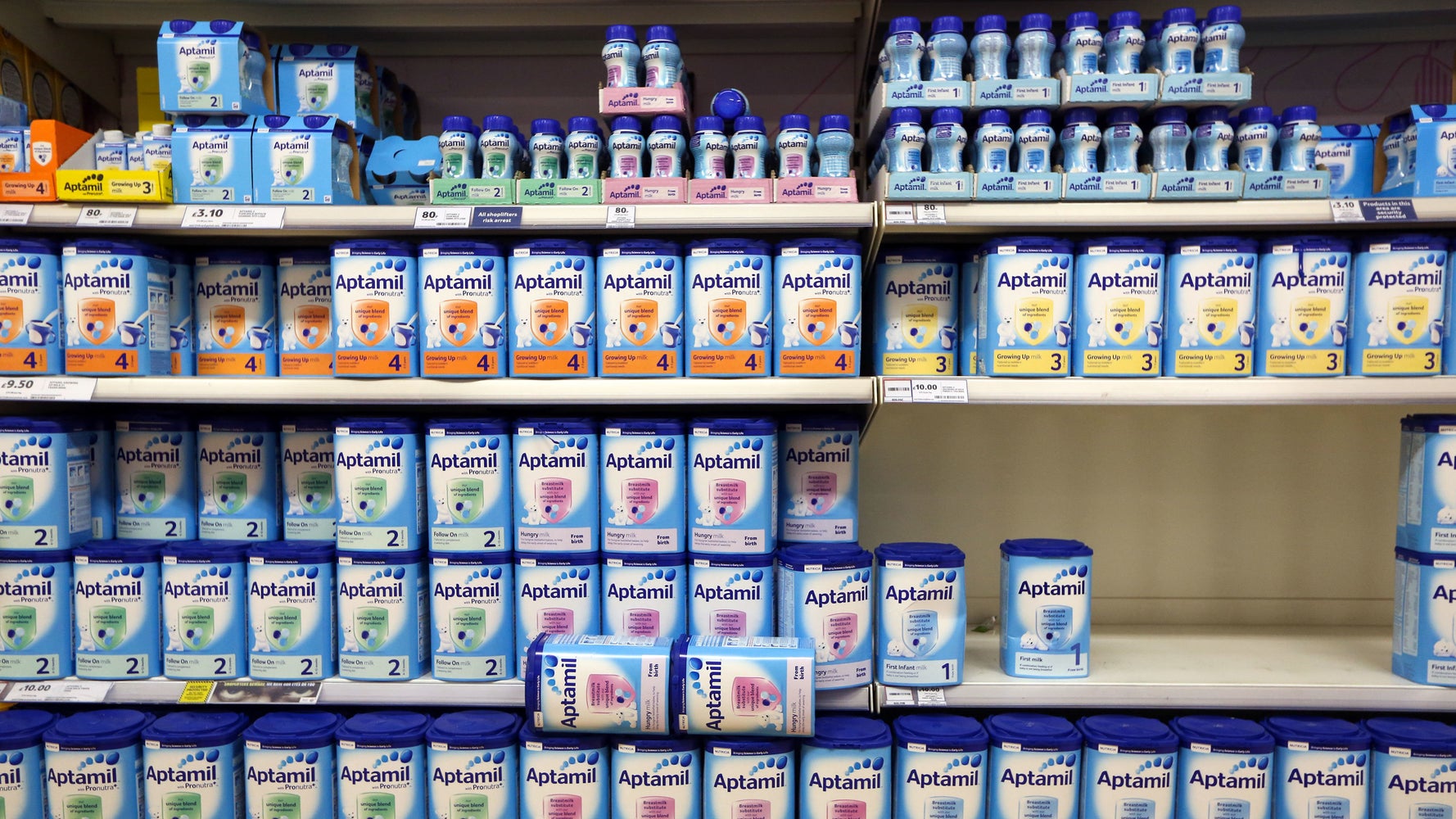
The U.S. infant formula market is concentrated. A small number of companies produce most of the formula purchased through retail stores and public programs.
The Federal Trade Commission’s report on infant formula competition examined competition and supply issues after the 2022 shortage. Concentration does not automatically prove that a company is overcharging. It does mean that a plant shutdown, recall, or production problem can affect a large share of the national supply.
Why fewer suppliers can mean higher prices
A market with fewer major suppliers may have:
- Less pressure to cut prices
- Fewer replacement products during a shortage
- Higher barriers for new manufacturers
- Greater dependence on each company’s factories
- More difficulty for stores to negotiate supply
Formula production has high entry costs. A new supplier needs approved facilities, technical staff, reliable ingredients, testing systems, distribution contracts, and consumer trust.
A company also needs enough sales to recover those costs. The result is a market where new competition can be difficult, even when demand is steady.
Store brands may not mean many independent manufacturers
Several store brands can appear on a shelf, but different labels do not always mean different factories. Contract manufacturers may produce formula for more than one brand.
This does not necessarily make the product unsafe or lower quality. It simply means shoppers should not assume that every label represents a separate supply source.

Why specialty formula costs more
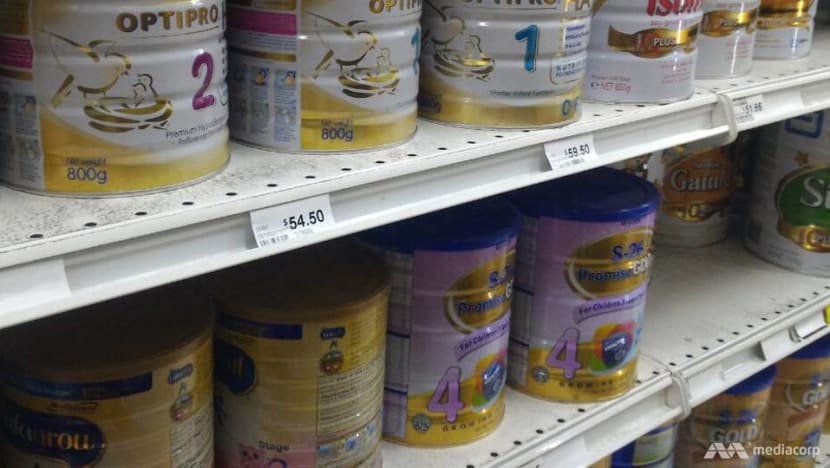
Specialty formula is often more expensive because it uses different ingredients, smaller production runs, and additional processing.
Examples include formula for babies who need:
- Extensively hydrolyzed or “broken-down” proteins
- Amino-acid-based formula
- Soy-based formula
- Thickened formula for certain feeding problems
- Formulas designed for premature or medically fragile infants
- Products with specific carbohydrate or fat changes
Some babies need these products because of a diagnosed allergy, malabsorption problem, metabolic disorder, poor growth, or another medical concern. Others may not benefit from them.


Specialty claims do not always mean medical need
A product labeled “gentle,” “sensitive,” or “comfort” may be marketed for common digestive concerns. Such labels do not by themselves show that a baby has a medical condition or needs a higher-priced formula.
Do not switch to a specialty formula solely because of online advice or marketing language. Ask a pediatrician before changing formula when a baby has blood in the stool, repeated vomiting, breathing symptoms, poor feeding, dehydration, or poor weight gain.
The American Academy of Pediatrics guidance on formula feeding can help families understand common formula types, but a clinician should guide medical feeding decisions.

Ready-to-feed formula costs more than powdered formula
Ready-to-feed formula usually costs more because the manufacturer has already mixed and sterilized the product. It also requires liquid-safe packaging and heavier shipping.
Powdered formula is lighter and usually less expensive per prepared ounce. However, it must be mixed with safe water and prepared exactly as directed.
Ready-to-feed formula may be useful when:
- A caregiver needs a convenient option
- Clean water is not available
- A health professional recommends it
- A baby has special feeding needs
- A family is traveling or managing a temporary situation
The higher price reflects both manufacturing and logistics. Liquid formula contains water, so families and stores are paying to transport a heavier product.
Powder is not always the right choice
Powdered formula is not sterile. The CDC’s infant formula preparation guidance explains how to prepare and store it safely.
Parents should follow the product label and medical guidance. Never dilute formula to make it last longer. Extra water can reduce the nutrients a baby receives and may cause dangerous electrolyte problems.

Packaging, shipping, and store costs also raise the shelf price
Formula must travel through several parts of the U.S. supply chain before it reaches a home.
The price may include costs for:
- Ingredients and factory production
- Packaging materials
- Warehouse storage
- Transportation
- Distributor services
- Retail operations
- Spoilage, damage, and inventory management
- Taxes or fees where applicable
Formula containers need seals and labels that protect the product and provide preparation instructions. Large containers also take up storage space.
Shipping costs can be significant because formula is heavy, bulky, and sold nationwide. A store must keep enough stock available without ordering so much that products expire before sale.
Retailers may also change prices based on supply, promotions, local competition, and operating costs. A high shelf price does not show how much profit each participant earns.


The 2022 shortage made the price problem worse
The U.S. infant formula shortage in 2022 showed how vulnerable the market can be. A major recall and shutdown at an Abbott Nutrition plant in Michigan removed a large amount of formula from store shelves. Supply problems, labor and transportation issues, and earlier pandemic disruptions added pressure.
The FDA’s infant formula information and 2022 response materials describe the agency’s response and efforts to increase supply.
During a shortage, several things can happen:
- Stores limit the number of containers each customer can buy
- Families travel to multiple stores
- Online sellers charge more
- Parents switch brands or product types
- Specialty formula becomes especially difficult to find
- Families pay for faster shipping or distant pickup
A shortage can also create a feedback loop. When families fear that formula will disappear, they may buy more than usual. That leaves less stock for other families and can make empty shelves appear sooner.

Why WIC formula can seem cheaper—or different
The Special Supplemental Nutrition Program for Women, Infants, and Children, known as WIC, helps eligible families buy approved foods, including infant formula.
WIC benefits generally work through state contracts with formula manufacturers. A manufacturer may offer a rebate to a state in exchange for becoming the primary formula brand available through that state’s program. The exact brand and rules vary by state.
The USDA Food and Nutrition Service information on WIC provides current program details and state contacts.
WIC can reduce a family’s direct cost, but it may also limit which products a participant can select. Medical formulas may require additional documentation or approval.
If a WIC-covered formula is unavailable, contact the state WIC agency before making a change. A store employee or online seller may not know the correct substitution rules.
How to lower formula costs safely
The safest savings plan keeps the baby’s nutrition and preparation needs first.
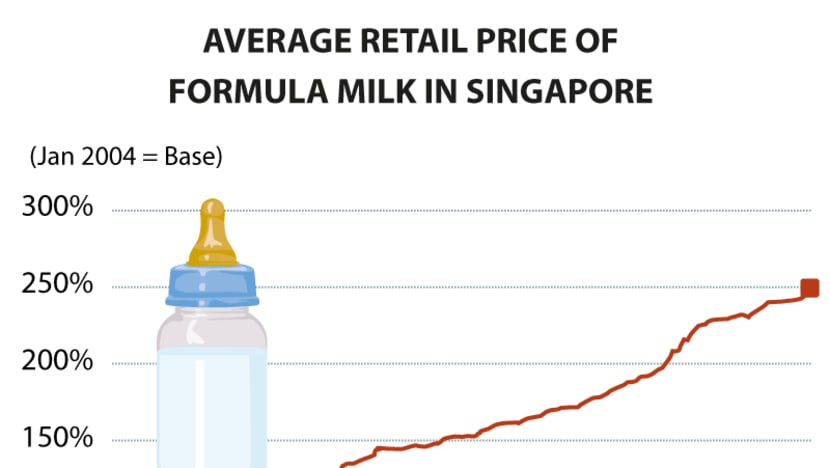
1. Compare cost per prepared ounce
Do not compare only the sticker price. A larger container may cost less per ounce, but only if the family can use it before the expiration date.
Check:
- Container price
- Net weight or liquid volume
- Number of prepared ounces
- Cost per prepared ounce
- Shipping fees
- Coupons or store discounts
- Expiration date
For powdered formula, use the preparation directions on the container. The number of prepared ounces can vary by product.
2. Consider a standard formula when medically appropriate
Many babies can use a standard iron-fortified formula. If a baby is doing well on the current formula, switching only to chase a small discount may not be worthwhile.
If cost requires a change, ask the baby’s pediatrician or WIC clinic which alternatives are reasonable. A safe alternative depends on the baby’s age, health, feeding history, and the exact product.
3. Compare store brands carefully
Store-brand formula can cost less than a national brand. In the United States, infant formula must meet federal nutrient and safety requirements, but products can still differ in protein source, ingredients, and preparation instructions.
Read the label rather than relying only on the front of the container. Check the formula type and ask a clinician before switching a baby who uses a medical product.
4. Use assistance programs
Families may qualify for:
- WIC
- SNAP for eligible food purchases
- Medicaid-related nutrition support in some situations
- Local food banks or community programs
- Hospital or clinic assistance for medically necessary formula
A local WIC office, pediatric clinic, or 211 referral service may help identify available support.
5. Buy from reliable sellers
Avoid formula with:
- Broken seals
- Missing labels
- Damaged containers
- Signs of moisture or tampering
- An unclear source
- An expired or unreadable expiration date
Be cautious with imported formula sold through unofficial channels. The product may have different preparation instructions, nutrient standards, labeling, or storage conditions.
What not to do to make formula last longer
Never dilute formula with extra water, add cereal without medical advice, or make homemade infant formula.
These practices can cause serious harm:
- Extra water can deprive a baby of calories and disrupt electrolytes.
- Too little water can make the mixture too concentrated and strain a baby’s kidneys.
- Homemade formula may lack key nutrients or contain unsafe amounts of others.
- Adding cereal can change calorie intake and create choking or feeding risks.
- Using toddler drinks for an infant does not provide the same nutrition as infant formula.
- Saving unfinished bottles can allow bacteria to grow after feeding begins.
The FDA warns against homemade infant formula, and the CDC provides detailed preparation and storage rules.
If formula is unaffordable or unavailable, contact a pediatrician, WIC office, public health department, or food assistance agency. Do not improvise a recipe.

Common questions about expensive baby formula
Is expensive baby formula better?
Not necessarily. A higher price may reflect specialty ingredients, ready-to-feed packaging, a smaller production run, or branding. It does not automatically mean the formula is better for every baby.
The right formula is the one that meets the baby’s nutritional needs and can be used safely. Ask a pediatrician before choosing a specialty formula for a medical problem.
Is generic or store-brand formula safe?
Store-brand infant formula sold legally in the United States must meet federal requirements. However, formulas can differ in ingredients and preparation directions.
Check the label and compare the exact formula type. If your baby uses a specialty formula or has a medical condition, speak with a health professional before switching.
Why is hypoallergenic formula so expensive?
Hypoallergenic formula often requires specially processed proteins or amino-acid ingredients. It may also be produced in smaller quantities than standard formula.
Some infants need it for a diagnosed allergy or other medical reason. It should not be used as a routine upgrade without professional advice.
Can I switch formula brands to save money?
Many babies can switch between similar standard formulas, but the safe choice depends on the baby and the products involved. Ask a pediatrician or WIC clinic for guidance, especially for premature infants, babies with poor growth, or babies using specialty formula.
Follow the new label exactly. Do not mix different formulas in the same bottle unless a clinician gives clear instructions.
How can I get help if I cannot afford formula?
Contact your local WIC agency, pediatrician, public health department, food bank, or 211. If the baby uses a medical formula, ask the clinician about documentation and assistance programs.
During a shortage, call before traveling to multiple stores. A state WIC office may know about approved substitutions and local availability.
Key takeaways
- Baby formula is expensive because it requires specialized ingredients, strict testing, advanced manufacturing, and controlled distribution.
- The U.S. market is concentrated, so plant closures and recalls can affect national supply.
- Ready-to-feed and specialty formulas usually cost more than standard powdered formula.
- WIC and other assistance programs may lower a family’s direct cost.
- Compare the cost per prepared ounce, not just the container price.
- Never dilute formula, make homemade formula, or use an unapproved substitute to save money.
- Ask a pediatrician or WIC professional before changing formula for a baby with medical or feeding needs.
Conclusion
Baby formula costs so much in the United States because it is a tightly regulated, specialized food made for a vulnerable group. Ingredient quality, factory controls, testing, packaging, transportation, limited competition, and retail costs all contribute to the final price.
Families can sometimes reduce costs by comparing prepared-ounce prices, using store brands when appropriate, checking assistance programs, and choosing powder instead of ready-to-feed products when safe and practical. The key boundary is simple: savings should never come from changing the water ratio, using homemade formula, or ignoring a baby’s medical needs.
