
Introduction
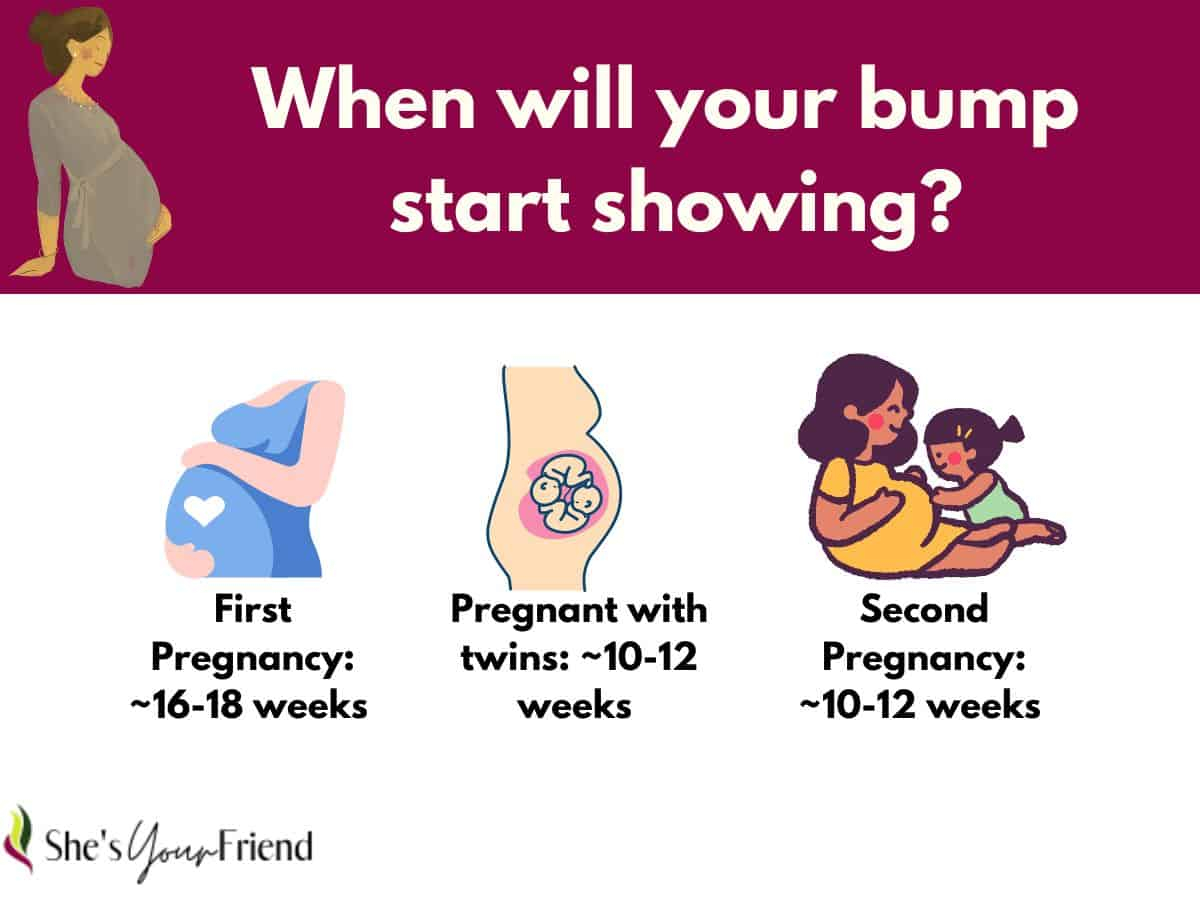
Most people in the United States start to show a noticeable baby bump between 12 and 20 weeks of pregnancy. Many first-time parents see a clear bump closer to 16–20 weeks. People who have been pregnant before may show a little earlier, often around 12–16 weeks.
There is no single “right” week for a baby bump to appear. Body shape, muscle tone, bloating, the position of the uterus, and whether the pregnancy involves twins can all change the timing. A small bump does not mean anything is wrong, and a larger bump does not always mean the baby is larger.
Pregnancy weeks are counted from the first day of the last menstrual period, not from conception. This means that “12 weeks pregnant” is usually about 10 weeks after conception.
When Do Most People Start Showing?
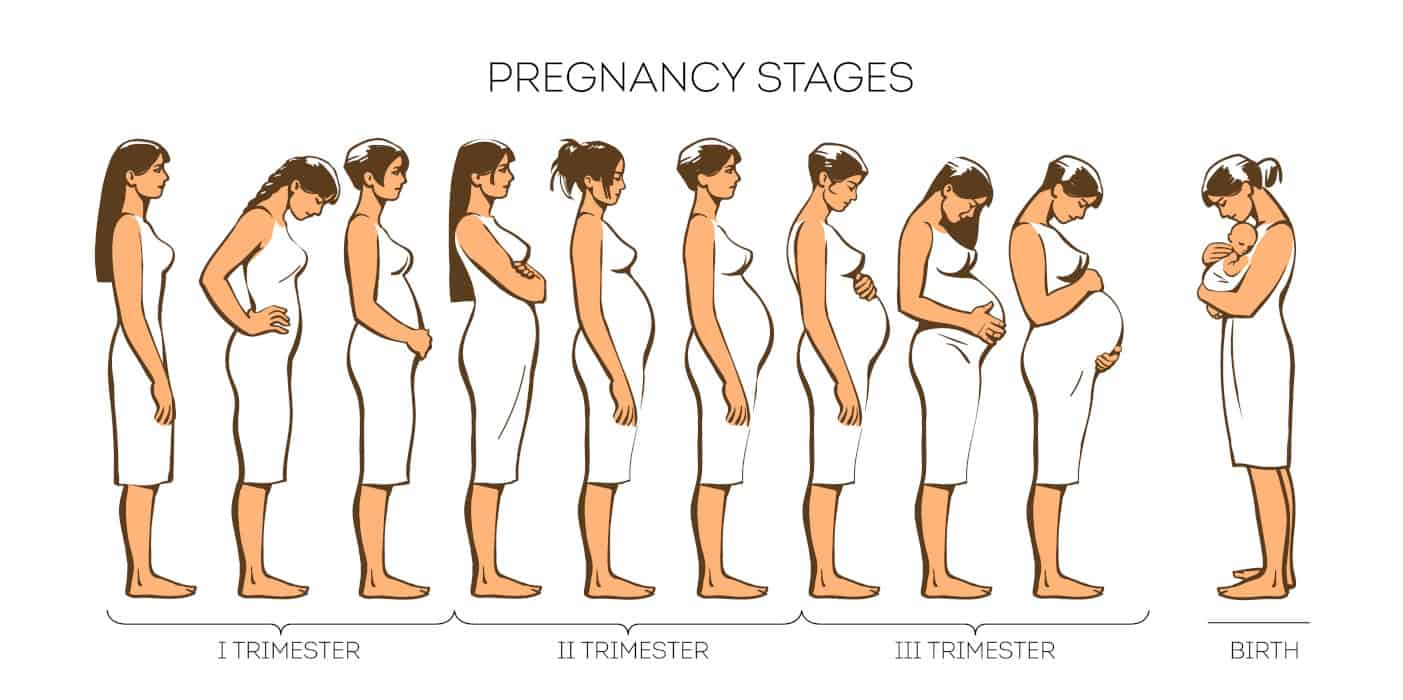
A baby bump often becomes noticeable during the second trimester. The second trimester begins at week 14 and lasts through week 27.


The uterus stays low in the pelvis during early pregnancy. Around 12 weeks, it begins to rise above the pelvic bone. As the uterus grows, it can push the abdominal wall forward.
A simple guide looks like this:
| Pregnancy stage | What you may notice |
|---|---|
| Weeks 1–8 | Usually no true bump. Bloating may make the stomach look fuller. |
| Weeks 9–12 | The uterus grows, but it is still mostly inside the pelvis. |
| Weeks 12–16 | Some people see the first small bump. |
| Weeks 16–20 | A bump often becomes clearer, especially in a first pregnancy. |
| Weeks 20–24 | The pregnancy often looks more obvious to others. |
| After 24 weeks | The abdomen usually continues to grow, but the rate differs from person to person. |
These ranges are general. They are not a test of whether a pregnancy is progressing normally.
According to the American College of Obstetricians and Gynecologists, the uterus grows throughout pregnancy and changes can be measured during prenatal visits. Your health care provider may also measure fundal height after about 20 weeks.

What Does “Showing” Mean?
“Showing” means that the abdomen has begun to look rounded because of pregnancy. It does not mean that the baby itself is directly pushing the belly outward.
Several changes create the appearance of a bump:
- The uterus expands.
- The placenta and amniotic fluid take up space.
- The baby grows.
- The abdominal wall stretches.
- The digestive system may slow, causing gas or constipation.
- The body may store more fluid and fat.
In early pregnancy, a fuller stomach is often caused by bloating, not the uterus. Pregnancy hormones can slow digestion. This may make the abdomen feel tight or look larger by the end of the day.
A true pregnancy bump often feels firmer and becomes more consistent from day to day. Early bloating may come and go. Still, you cannot use the shape or feel of your abdomen to confirm pregnancy growth.
Only prenatal care, such as an exam or ultrasound when needed, can assess the pregnancy accurately.
When Does a Baby Bump Show in a First Pregnancy?
In a first pregnancy, many people begin to show between 16 and 20 weeks. Some notice a small change sooner. Others do not have a clear bump until after 20 weeks.
The abdominal muscles may be tighter before a first pregnancy. This can help hold the uterus closer to the body for longer. A first-time parent may also have less experience noticing small changes in the abdomen.


The first bump may look different from what you expect. It can appear as:
- A low, round bulge below the belly button
- A firm area above the pubic bone
- A gradual thickening around the waist
- A bump that is easier to see at night than in the morning
Clothing can also affect when the bump seems visible. Loose shirts may hide early changes. Fitted clothes may show them sooner.
If you are 20 weeks pregnant and do not have a large bump, that alone is usually not a concern. Your provider may use fundal height, your symptoms, and other prenatal findings to check growth.

When Does a Baby Bump Show in a Second or Later Pregnancy?
People who have been pregnant before may show between 12 and 16 weeks, although this is not guaranteed.
The abdominal muscles and connective tissue may be more flexible after a prior pregnancy. The uterus may also expand in a way that becomes visible sooner. Some people recognize the early changes more easily the second time.
A later pregnancy can still show late. Weight, muscle tone, the position of the uterus, and the spacing between pregnancies all matter.
Showing earlier does not prove that the baby is larger. It may only mean that the abdominal wall and uterus are changing in a different way.
What Factors Affect When a Baby Bump Appears?
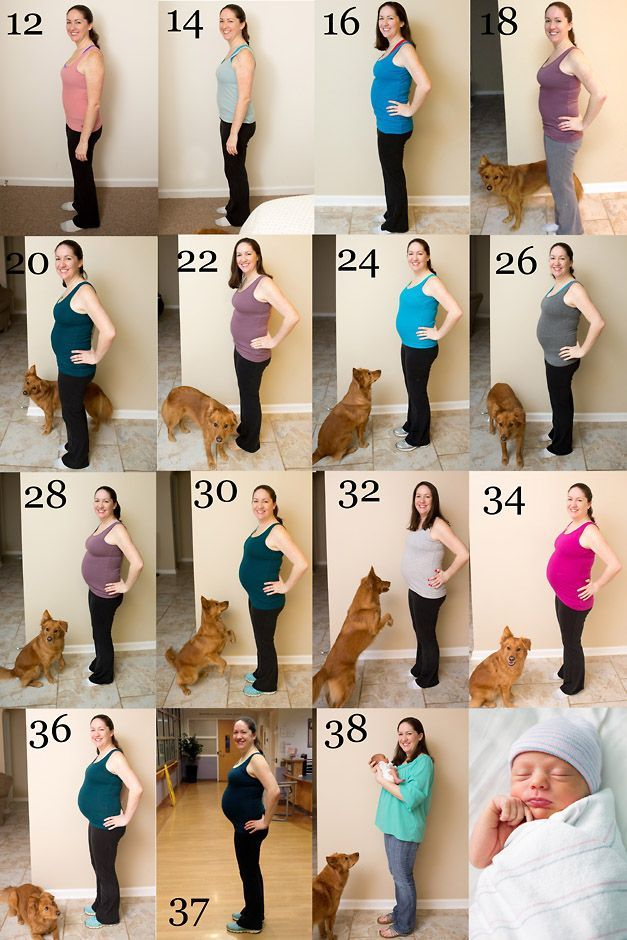
The timing of a baby bump depends on more than the baby’s size. These factors can make a bump appear earlier or later.
Body shape and height
People with a shorter torso may show earlier because there is less space between the pelvis and rib cage. People with a longer torso may have more room for the uterus to grow upward before it moves outward.
Body weight can also affect how soon a bump is visible. A person with more abdominal tissue may not see a clear outline as early. This says nothing about the health of the pregnancy.
Abdominal muscle tone
Strong abdominal muscles may hold the growing uterus closer to the body. This can delay a visible bump.
This does not mean that exercise prevents a bump. It only affects how the abdomen looks from the outside.
Uterus position
A uterus that tilts backward, called a retroverted uterus, may make the bump appear later. In many cases, the uterus moves into a more forward position as pregnancy progresses.
Your provider can explain whether the position of your uterus affects your exam or ultrasound.


Fibroids or other uterine changes
Uterine fibroids can affect the size or shape of the uterus. They may make the abdomen look larger or change how fundal height is measured.
Your provider may use an ultrasound to check growth if the uterus measures ahead or behind the expected range.
Multiple pregnancy
A pregnancy with twins or more may show earlier, but this is not a reliable way to diagnose multiples. Bloating, body shape, and uterine position can look similar.
An ultrasound is the dependable way to confirm the number of fetuses.
Baby and placenta position
The baby’s position can change the shape of the abdomen. The placenta’s location can also affect what a person feels, especially when fetal movement begins.
These details do not reliably predict when a bump should appear.

Is It Normal to Show Early?
Showing early can be normal. A visible abdomen before 12 weeks is often caused by bloating, constipation, prior pregnancy, body shape, or a uterus that tilts forward.
A multiple pregnancy or uterine fibroids can also make the abdomen appear larger. However, belly size alone cannot identify the cause.
Contact your prenatal provider if the change comes with:
- Strong or one-sided abdominal pain
- Heavy vaginal bleeding
- Fainting or severe weakness
- Fever
- Severe vomiting that prevents fluids from staying down
- Sudden swelling of the face or hands
- A severe headache or vision changes
These symptoms do not always mean there is an emergency, but they need medical advice. If symptoms are severe or you feel unsafe, seek urgent care or call 911 in the United States.

Is It Normal Not to Have a Bump Yet?
Yes. Many healthy pregnancies do not have a clear bump at 16 weeks. Some people show later because of their height, body shape, muscle tone, uterus position, or first pregnancy.
A small bump does not prove that the baby is small. The size of the abdomen is not an accurate home measure of fetal growth.
At prenatal visits, your provider may track:
- Your weight and blood pressure
- The size of the uterus
- Fetal heart activity
- Ultrasound findings when indicated
- Your symptoms and medical history


After about 20 weeks, providers may measure fundal height. This is the distance from the pubic bone to the top of the uterus. The measurement in centimeters often roughly matches the pregnancy week, but it is not exact.
For example, a measurement near 24 centimeters at 24 weeks may be expected. A difference can occur because of the baby’s position, fibroids, body size, bladder fullness, or an incorrect estimate of the due date.
If a measurement is repeatedly ahead or behind, your provider may order an ultrasound. Do not try to judge fetal growth by comparing your bump with photos or with another pregnant person.

How to Tell a Baby Bump From Bloating
Early pregnancy bloating can look like a small bump. It may be hard to tell the difference at first.
Bloating often:
- Changes during the day
- Feels softer
- Gets worse after meals
- Improves after passing gas or having a bowel movement
- Appears and disappears
A growing uterus often:
- Creates a firmer area low in the abdomen
- Becomes more noticeable over several weeks
- Changes the fit of pants and waistbands
- Remains present rather than disappearing overnight
These signs are only general clues. They cannot confirm fetal growth.
To ease common bloating, try smaller meals, drink enough water, move gently, and add fiber as tolerated. Ask your health care provider before using laxatives, herbal products, or medicines during pregnancy.

When Should You Start Wearing Maternity Clothes?
There is no medical week when you must switch to maternity clothes. Wear them when your regular clothes feel tight, uncomfortable, or restrictive.
Many people start using maternity pants between 8 and 16 weeks, often because of bloating rather than a large bump. Others wait until later.
Comfort matters more than appearance. Choose clothes that do not press hard on the abdomen. You can also use a waistband extender or loose, soft clothing.
Maternity clothes do not affect the baby’s growth. Tight clothing may feel uncomfortable, but it does not usually harm the pregnancy. Severe pain, bleeding, or other symptoms need medical advice rather than a clothing change.

Does a Bigger Bump Mean a Bigger Baby?
No. A bigger bump does not always mean a bigger baby.
Bump size may reflect:
- The amount of amniotic fluid
- The baby’s position
- The shape of the uterus
- Fibroids
- Abdominal muscle tone
- Body shape
- The amount of abdominal tissue
- A multiple pregnancy
Likewise, a small bump does not automatically mean poor growth. Health care providers use exams, fundal height, ultrasound measurements, and other information to assess the pregnancy.


Ultrasound estimates also have limits. They can help providers evaluate growth, but they do not predict a baby’s exact birth weight.

Can You Have a Baby Bump Before 12 Weeks?
Yes, but an early bump is often caused by bloating or changes in the abdominal wall. The uterus is still low in the pelvis during much of the first trimester.
A bump before 12 weeks may be more noticeable if you have been pregnant before, have a shorter torso, or are carrying more than one fetus. It may also reflect constipation or normal weight changes.
If your abdomen becomes suddenly larger and painful, contact your provider. Sudden change with severe symptoms should not be explained away as normal pregnancy growth.

When to Ask Your Prenatal Provider About Bump Size
Ask your provider about your bump if you are worried, especially if:
- Your abdomen stops growing over time
- Your provider says your uterus measures ahead or behind
- You have pain, bleeding, or fluid leakage
- You have severe vomiting or cannot drink
- You notice sudden swelling with headache or vision changes
- You feel less fetal movement later in pregnancy
The right response depends on your week of pregnancy and medical history. Do not wait for a specific bump size before asking a question.
A simple next step is to bring up your concern at your next prenatal visit. If you have warning symptoms, call your obstetric provider sooner. In the United States, you can also contact your maternity unit or urgent care service for guidance.

Frequently Asked Questions
When do you start showing with a baby?
Many people start showing between 12 and 20 weeks. A first pregnancy often shows closer to 16–20 weeks, while a later pregnancy may show around 12–16 weeks. The range is broad and normal.
Can you show at 8 weeks pregnant?
You may look fuller at 8 weeks, but this is usually due to bloating, constipation, or normal body changes. The uterus is still small and low in the pelvis at this stage.
When does a pregnant belly become hard?
The lower abdomen may feel firmer as the uterus grows, often during the second trimester. Do not press hard on your abdomen to check. A hard abdomen with pain, bleeding, or regular tightening needs medical advice.
Do twins show sooner?
Twins may cause the uterus to grow faster, so some people show sooner. But early showing cannot confirm twins. Ultrasound is used to diagnose a multiple pregnancy.
Is it normal to have no bump at 20 weeks?
Yes, it can be normal, especially in a first pregnancy or with a longer torso, stronger abdominal muscles, or more abdominal tissue. Your provider can check growth with fundal height and other prenatal assessments.
Key Takeaways
- Most people show between 12 and 20 weeks.
- First pregnancies often show closer to 16–20 weeks.
- Later pregnancies may show around 12–16 weeks.
- Early fullness is often bloating, not a true bump.
- Bump size does not reliably show the baby’s size or health.
- Body shape, muscle tone, uterus position, fibroids, and multiples can change the timing.
- Contact your prenatal provider about pain, bleeding, severe vomiting, sudden swelling, or other warning signs.
Conclusion
A baby bump usually becomes easier to see during the second trimester, but there is no universal schedule. Some people show early, while others stay relatively flat well past 20 weeks.
The best way to check that a pregnancy is progressing well is through regular prenatal care, not belly size. If you are concerned about when your bump appears or how it looks, tell your U.S. prenatal provider. They can assess your pregnancy using the right measurements and tests for your situation.
