Most babies should not sleep on their stomach until they are at least 12 months old because of SIDS risk.
As a parent and someone who has worked closely with newborn care teams, I know this question causes real worry. This article explains when can babies sleep on their stomach, step by step, with clear age guidelines, safety tips, real-life advice, and evidence-based reasons. Read on to get practical guidance you can trust and use tonight.

Why sleep position matters
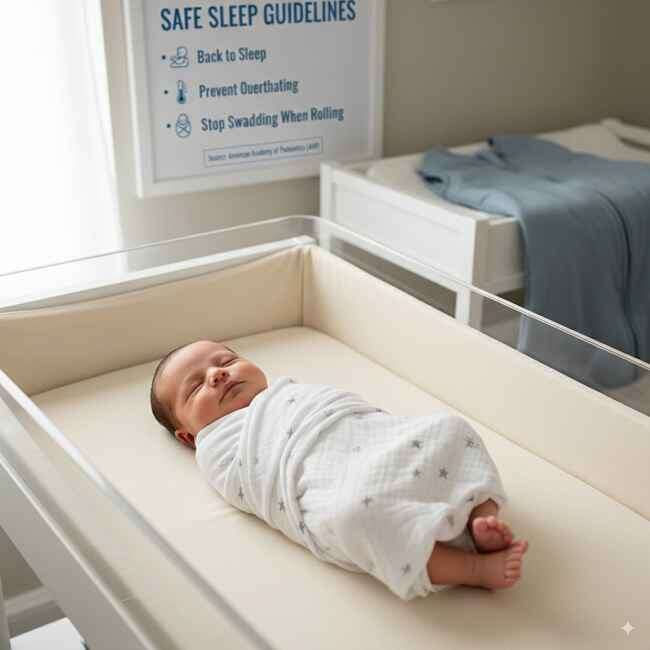
How a baby sleeps affects breathing, arousal, and body temperature. Babies who sleep on their stomachs have higher risk of sudden infant death syndrome (SIDS) and breathing obstruction in the first year. Back sleeping allows the airway to stay open and makes it easier for infants to wake if they have trouble breathing.
Safe sleep advice focuses on lowering risk. That is why most experts recommend back sleeping for all infants until they reach developmental milestones that reduce risk. Understanding when can babies sleep on their stomach helps parents make informed, confident choices.

When can babies sleep on their stomach? Age guidelines and milestones
Most guidance is based on age and developmental milestones. Here is a simple framework to answer when can babies sleep on their stomach:
- Birth to 3 months
- Babies should always sleep on their backs. Their airway control is immature. Stomach sleep increases SIDS risk in this period.
- 3 to 6 months
- Back sleep remains safest. Many babies begin to roll, so supervised tummy time when awake is important.
- 6 to 12 months
- Rolling both ways may start. If a baby can reliably roll from back to stomach and stomach to back, rolling in sleep can begin to occur. Even then, many experts still advise keeping babies on their back for sleep until 12 months.
- Around 12 months
- After 12 months, SIDS risk drops significantly. Most babies can safely choose their sleep position by this age.
In short, the safest general rule for when can babies sleep on their stomach is to wait until at least 12 months. If your baby rolls independently before that, place them on their back at sleep onset and allow them to settle into whatever position they choose.
How to know if your baby is ready to sleep on their stomach
Readiness is about skills more than age. Look for these signs:
- Can roll both ways consistently during naps and play.
- Holds head steady and lifts chest during tummy time.
- Shows good muscle tone and strength for lifting and turning.
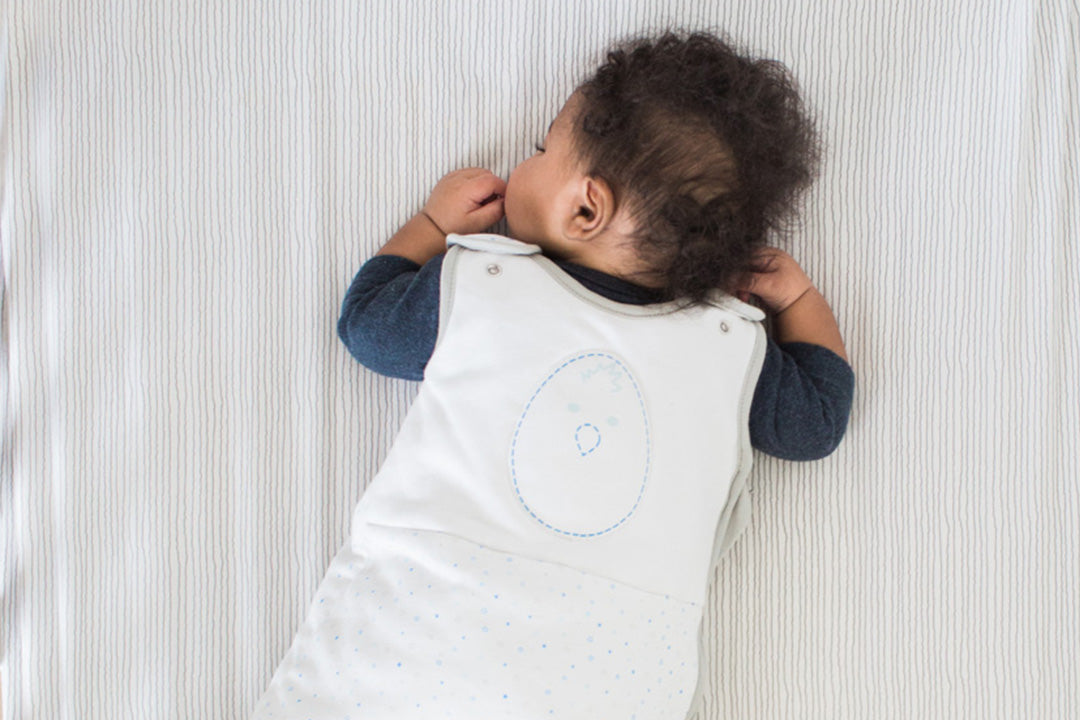
Even with these skills, many parents and clinicians prefer to keep infants on their backs for sleep up to 12 months. If your baby rolls to their stomach during sleep, it is usually OK to leave them, provided the sleep surface is firm, clutter-free, and they were placed on their back initially.
Safe sleep practices if rolling occurs
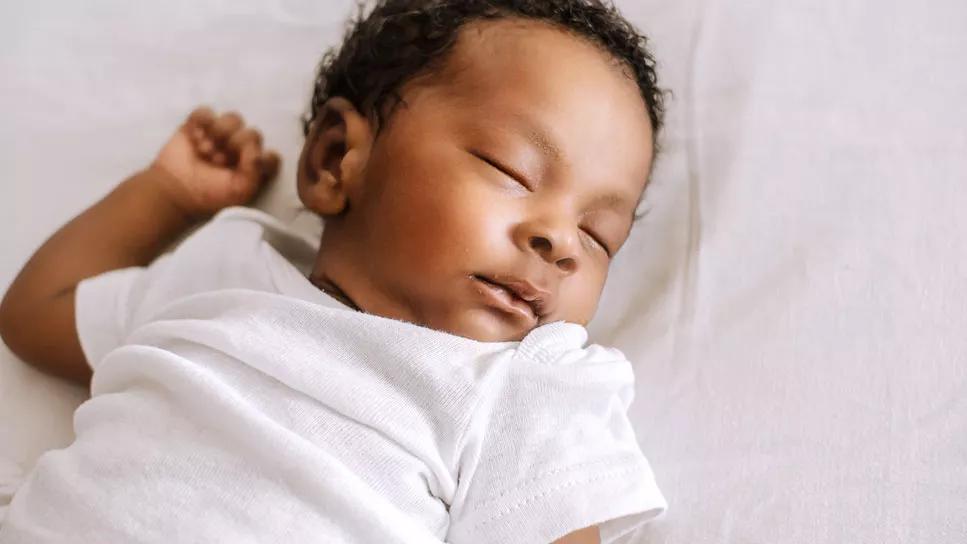
If your baby rolls during sleep before 12 months, follow these safety steps:
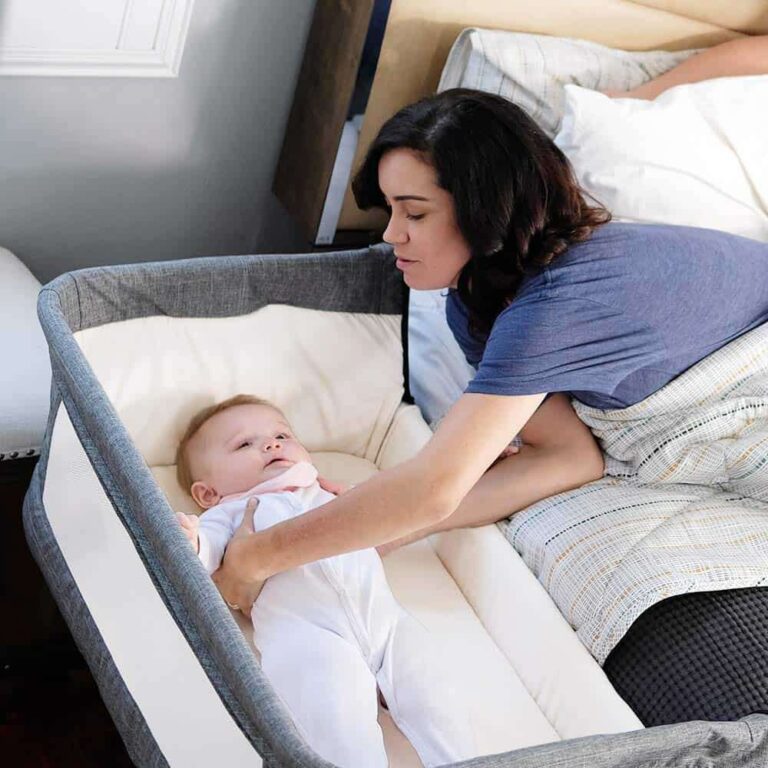
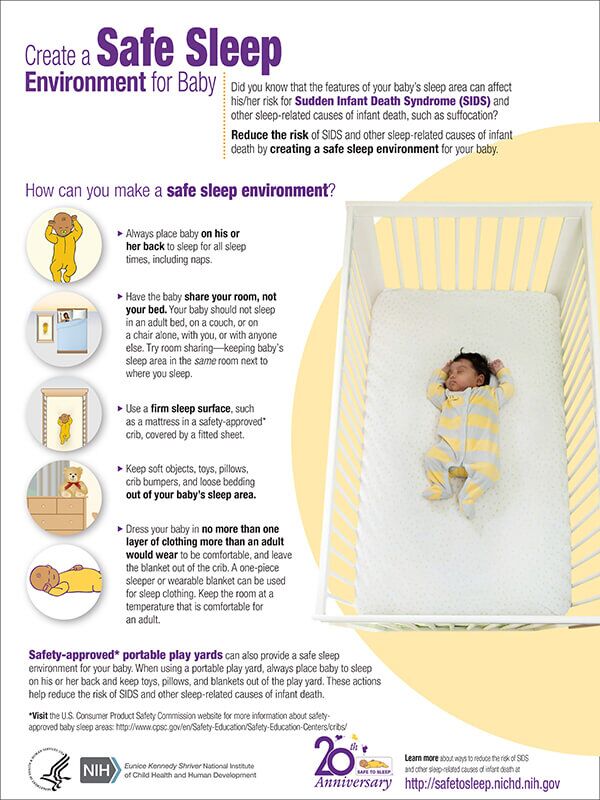
- Always place baby on their back at the start of sleep.
- Use a firm mattress with a fitted sheet only.
- Keep the crib free of loose bedding, pillows, stuffed toys, and bumper pads.
- Maintain a smoke-free environment and a comfortable room temperature.
- Share a room, not a bed, with baby for at least the first 6 months.
- Avoid soft sleep surfaces like sofas, cushions, or adult beds for infant sleep.
These steps reduce the risks associated with stomach sleeping if your baby ends up in that position.

Tummy time vs stomach sleeping: differences and benefits
Tummy time is good. Stomach sleep is risky for many infants. Key differences:
- Tummy time
- Done while the baby is awake and supervised.
- Builds neck, shoulder, and core strength.
- Helps motor development and reduces flat spots on the head.
- Stomach sleeping
- Happens during unsupervised sleep.
- Can increase SIDS risk in infants under 12 months.
- Not a substitute for supervised tummy time.
Give your baby regular tummy time sessions several times daily. Short, frequent sessions are best. Tummy time supports the skills needed for safe rolling and eventual independent sleep position choice.

Common misconceptions about stomach sleeping
Parents hear many myths. Let’s clear the most common ones:
- Myth: Babies sleep better on their stomachs, so it’s okay.
- Fact: Some babies may seem to sleep more deeply on their stomachs, but this deeper sleep can reduce arousal and increase SIDS risk in early months.
- Myth: If a baby can roll, they can safely sleep on their stomach.
- Fact: Rolling skill helps but does not eliminate risk until around 12 months.
- Myth: Sleep position doesn’t matter with a pacifier.
- Fact: A pacifier can reduce SIDS risk slightly but does not make stomach sleeping safe for young infants.
Addressing these misconceptions helps parents choose safer practices for the question of when can babies sleep on their stomach.

Personal experience and practical tips
I remember a new parent in my circle who worried when her five-month-old rolled onto her tummy and then slept. She asked whether to move the baby. We agreed to place the baby back on the back at sleep start, make the crib clear, and monitor rolling during awake time. Over weeks, the baby developed stronger neck control and slept in varied positions. That practical, cautious approach worked well.
Practical tips I use and recommend:
- Start tummy time early. Short sessions after feeds help.
- Dress baby for the room temperature so you don’t need loose blankets.
- Check the crib daily for hazards and remove anything soft.
- Practice calming sleep routines so the baby learns to fall asleep on their back.
These tips reflect real-world experience and reduce worry while keeping baby safe.
When to consult a pediatrician
Talk to your pediatrician if any of these apply:
- Your baby has health problems, low birth weight, or was born prematurely.
- You’re unsure about developmental milestones like rolling or head control.
- You worry about sleep breathing, loud snoring, or choking during sleep.
A pediatrician can offer tailored advice about when can babies sleep on their stomach based on medical history and development.

PAA-style questions (People Also Ask)
Q: Is it safe for babies to sleep on their stomach after 6 months?
A: Risk goes down after 6 months, but many experts still advise back sleeping until 12 months. If your baby rolls reliably both ways, the risk is lower but caution still matters.
Q: What should I do if my baby rolls onto their stomach during sleep?
A: Place them on their back at sleep start and keep the sleep area safe. If your baby rolls on their own, it’s usually okay to leave them if the crib is free of hazards.
Q: Can tummy time replace stomach sleeping?
A: No. Tummy time is supervised and builds strength. It is safe and recommended while stomach sleeping is not advised for infants under 12 months.
Frequently Asked Questions of when can babies sleep on their stomach
When is it safe for my baby to sleep on their stomach?
Most experts suggest waiting until around 12 months. If a baby rolls both ways reliably, rolling during sleep is less risky, but back placement at sleep onset is still advised.
What if my baby prefers sleeping on their tummy?
Place your baby on their back at sleep time. If they roll to their stomach, ensure the crib is clear and safe. Preference does not outweigh safety in the first year.
Does tummy time help babies learn to sleep on their stomach?
Tummy time helps build the muscles needed for rolling. It does not make stomach sleeping safe, but it supports skills that later reduce risk.
Are there medical reasons to avoid stomach sleeping longer?
Yes. Babies with breathing problems, neurological issues, or who were born very early may have higher risk. Discuss sleep position with your pediatrician for these babies.
Should I use a sleep positioner to keep baby on their back?
No. Sleep positioners and wedges are not recommended for infant sleep. They can cause suffocation and do not reduce SIDS risk.
Conclusion
Putting a baby on their back for sleep is the safest approach for the first year. Know the signs of readiness and follow clear, simple safety steps so you can answer when can babies sleep on their stomach with confidence. Start tummy time early, keep the crib clutter-free, and talk to your pediatrician about specific concerns. Take action tonight: place your baby on their back, clear the crib, and set up a calm sleep routine. If this article helped, subscribe for more trusted, practical newborn care tips or leave a comment with your experiences.