Size 70 in baby clothes usually fits babies about 65–70 cm tall, or roughly 6–9 months old.
If you are wondering what size is 70 in baby clothes, the short answer is that it usually means a European baby size based on height. Still, age ranges can vary because babies grow at different speeds, and each brand may cut its clothes a little differently. This guide explains the size 70 baby clothes conversion, measurements, fit, and shopping tips so you can choose with confidence.
What size is 70 in baby clothes?
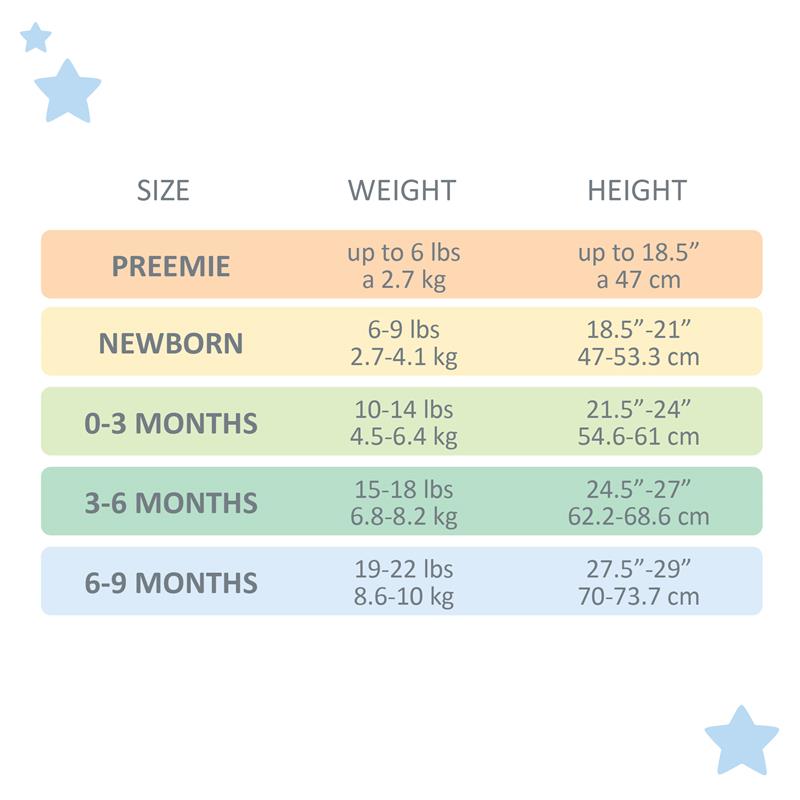
Size 70 usually means the clothing is designed for a baby around 70 centimeters tall. In US sizing, this often matches 6–9 months, although some brands label it as 6 months or 9 months.
The number refers mainly to the baby’s height, not an exact age. A long, slim baby may fit size 70 sooner than a shorter, fuller baby. This is why height and body measurements are more useful than age alone.
| Baby clothing size | Approximate height | Common US age label |
|---|---|---|
| 60 | 55–60 cm | 0–3 months |
| 65 | 60–65 cm | 3–6 months |
| 70 | 65–70 cm | 6–9 months |
| 75 | 70–75 cm | 9–12 months |
| 80 | 75–80 cm | 12–18 months |
These ranges are general guides, not strict rules. Some European brands use size 70 for babies from about 65 to 70 cm, while some Asian brands may use a slightly different cut.
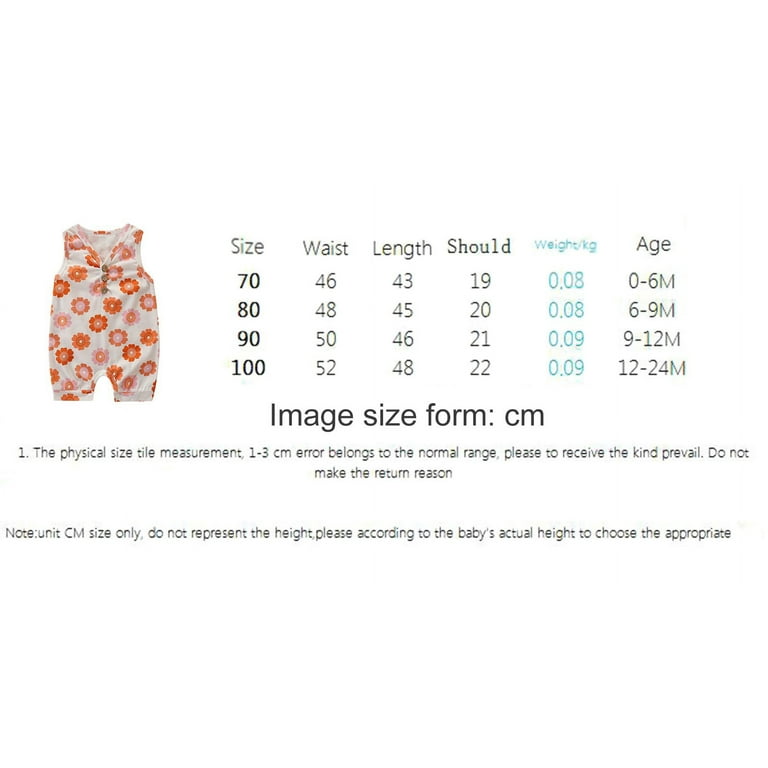
Size 70 baby clothes conversion chart
A size 70 baby clothes conversion is helpful when you shop across US, UK, European, and Asian brands. The closest US label is often 6–9 months, but the conversion is not exact.
| Label system | Approximate equivalent |
|---|---|
| European size | 70 |
| US baby size | 6–9 months |
| UK baby size | 6–9 months |
| Height range | 65–70 cm |
| Height in inches | About 25.6–27.6 inches |
| Typical weight range | About 15–20 pounds, depending on the brand |
Weight is only a rough guide. Two babies can weigh the same but have very different heights, chest sizes, or body shapes. When buying size 70 baby clothes, use the brand’s own chart whenever possible.
The term “European size 70” is often found on baby clothes sold online, especially from European, Korean, and Japanese sellers. Always check whether the measurement means the baby’s height or the garment’s actual length.

What age is size 70 baby clothes?
Size 70 commonly fits babies between 6 and 9 months old. Some babies may wear it at 5 months, while others may still need size 65 at 8 months.
Growth speed is the main reason for this difference. Babies often grow in spurts, so a garment that fits well one week may feel short a few weeks later.
For a better estimate, consider these factors:
• Baby’s current height
• Baby’s chest and waist size
• Whether the clothing is stretchy
• Whether the item is worn over a diaper
• The brand’s sizing chart
• The season and number of layers needed
A cotton bodysuit may need a closer fit, while a jacket or sleep sack often needs extra room. If your baby is between sizes, choosing the larger size is usually more practical.
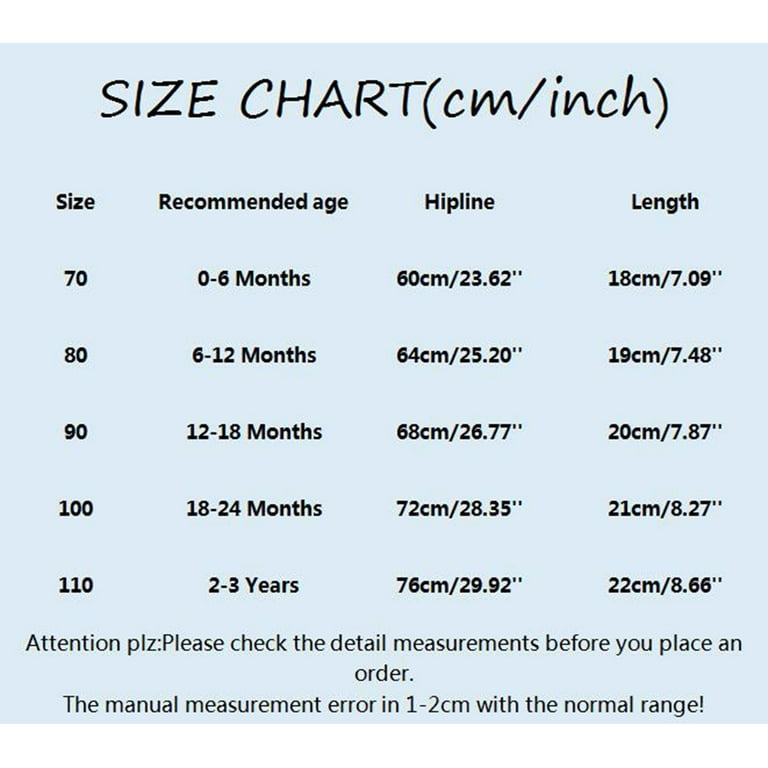
How to measure your baby for size 70
Measuring your baby takes only a few minutes and can prevent an expensive sizing mistake. Use a soft tape measure and keep your baby relaxed.
-
Measure height from the top of the head to the bottom of the feet. Lay younger babies flat if they cannot stand.
-
Measure the chest around the fullest part, keeping the tape level.
-
Measure the waist without pulling the tape tight.
-
Measure the inseam from the diaper area to the ankle if you are buying pants or footed pajamas.
-
Compare every measurement with the brand’s chart.
Do not measure over thick clothing. A diaper and a thin onesie are enough for a realistic fit check.
A useful fitting lesson is to check the garment in motion. If the fabric pulls across the shoulders, the snaps strain at the crotch, or the sleeves ride up when the baby moves, the outfit is too small even if the label says size 70.
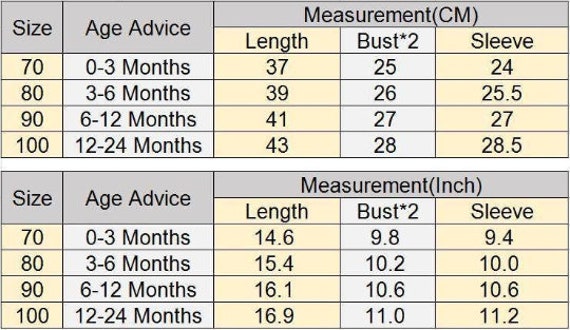
How should size 70 baby clothes fit?
Size 70 should feel comfortable, not tight. Your baby should be able to kick, bend, crawl, and lift their arms without the clothing pulling.
Look for these signs of a good fit:
• Shoulder seams sit near the shoulders.
• The neckline rests flat without pressing the neck.
• Snaps close without strong tension.
• Sleeves reach the wrist without covering the hands.
• Pants allow room for the diaper.
• Fabric does not leave deep red marks.
A little extra room is useful for everyday baby clothes. However, oversized sleepwear can bunch around the face or body, so sleep garments should follow the maker’s safety guidance.
For footed pajamas, check the feet closely. If the toes press against the end, move up a size even if the rest of the outfit still looks loose.

Size 70 compared with size 6 months and 9 months
Size 70 and 6–9 months are often similar, but they are not always identical. Size 70 is usually based on height, while 6 months and 9 months are age labels.
A size marked 6 months may fit a baby up to about 26 inches tall. A size marked 9 months may allow more length or room through the body. One brand’s 6-month outfit can be almost the same as another brand’s size 70.
Here is a simple comparison:
| Label | Main sizing method | Typical use |
|---|---|---|
| Size 70 | Baby’s height | European and international clothing |
| 6 months | Estimated age | US clothing |
| 6–9 months | Age range | US and online retailers |
| 9 months | Estimated age | Often slightly larger than 6 months |
When choosing between 6 months and size 70, compare measurements rather than labels. This is especially important when ordering from another country.
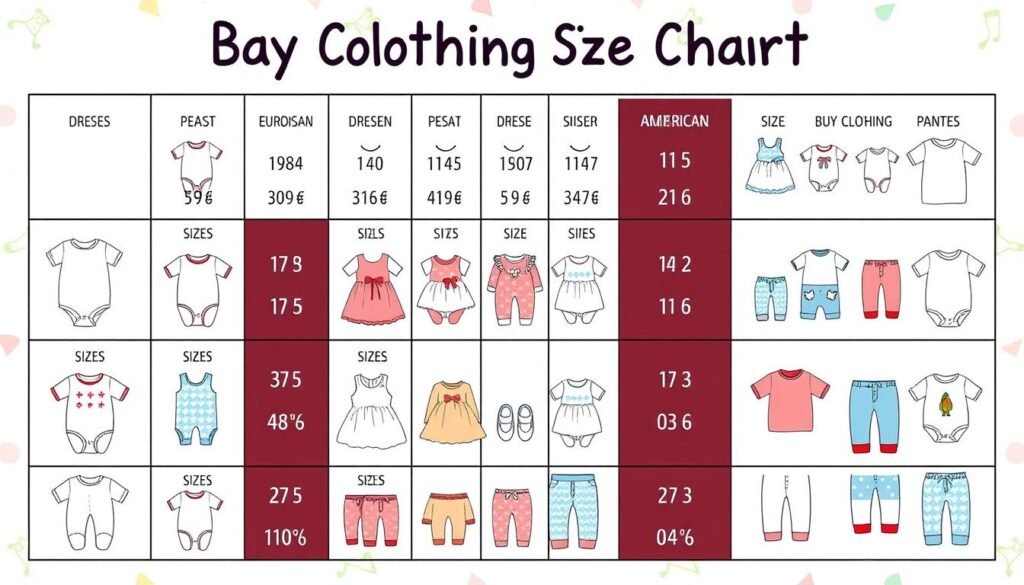
Is size 70 the same in every brand?
No. Baby clothing sizes are not fully standardized worldwide. Even brands that use the same number may differ in width, sleeve length, rise, and fabric stretch.
For example, one size 70 romper may be narrow and long, while another may be wide and short. Clothing made for warm climates may also have a slimmer cut than winter clothing made for layering.
Brand differences are common in:
• Bodysuits
• Footed pajamas
• Denim or woven pants
• Jackets and coats
• Asian and European imports
• Organic cotton clothing with limited stretch
Read customer reviews when shopping online. Reviews often reveal whether an item runs small, runs large, or fits best on a slim or broad baby.

What clothes are usually available in size 70?
Most baby basics are available in size 70. The best choice depends on your baby’s age, movement, and the season.
Common size 70 items include:
• Short-sleeve and long-sleeve bodysuits
• Rompers
• Sleepers and pajamas
• Leggings
• Pull-on pants
• Sweaters
• Dresses
• Jackets
• Sleep sacks
• Bibs and hats
For warm weather, breathable cotton bodysuits and rompers work well. In colder weather, look for layers rather than one very thick item. Layers make it easier to adjust your baby’s temperature throughout the day.
If you are buying a gift, size 70 can be a useful choice for a baby who is moving out of newborn clothing. Include a gift receipt if possible because growth patterns are hard to predict.
Common mistakes when buying size 70 baby clothes
Many sizing problems happen because shoppers trust the age label too much. The label is a starting point, not a promise.
Avoid these mistakes:
• Assuming size 70 always means exactly 6 months
• Ignoring the brand’s measurement chart
• Buying tight clothes for a fast-growing baby
• Forgetting diaper space
• Measuring height while the baby is wearing thick clothes
• Buying several seasonal outfits in one size
• Treating weight as more important than height
A frequent mistake is buying too many outfits at once. Babies can outgrow size 70 quickly, especially during a growth spurt. Start with a few essential pieces, then buy more after you see how that brand fits.
Another practical lesson is to check closures before washing. Snaps, elastic, and cotton can change slightly after washing. Follow the care label and avoid high heat when the garment is likely to shrink.
Should you buy size 70 or size 80?
Choose size 70 when your baby is about 65–70 cm tall and the clothing is needed now. Choose size 80 when your baby is close to 70–75 cm tall or you want clothing for later use.
Size 80 is often close to 12–18 months in US sizing, but this varies by brand. It may look very large on a baby who currently wears size 70.
Use this simple guide:
• Buy size 70 for a current, close fit.
• Buy size 80 for future growth.
• Choose size 80 for outerwear if the baby will wear layers underneath.
• Avoid sizing up too far in sleepwear.
• Size up when sleeves, legs, or the diaper area already feel short.
A little room can save money, but too much room can make crawling, walking, and play harder. The best size gives your baby freedom to move without excess fabric getting in the way.
Frequently Asked Questions About What Size Is 70 in Baby Clothes
What US size is 70 in baby clothes?
Size 70 usually matches US 6–9 months. The closest match depends on the baby’s height and the brand’s chart.
Is size 70 the same as 6 months?
Not always. Size 70 is based mainly on height, while 6 months is an age label, so one brand’s size 70 may fit like another brand’s 6-month or 9-month clothing.
What height fits size 70 baby clothes?
Size 70 generally fits babies who are about 65–70 centimeters tall. That equals roughly 25.6–27.6 inches.
What weight fits size 70 baby clothes?
Many size 70 garments fit babies around 15–20 pounds, but weight ranges differ widely. Height, chest size, diaper space, and the garment’s cut are often more useful than weight alone.
Should I buy size 70 or 80?
Buy size 70 if your baby currently measures near 65–70 cm and needs clothing now. Choose size 80 if your baby is already near the top of the size 70 range or you are planning ahead.
Does size 70 fit a 9-month-old baby?
It can, especially if the baby is within the 65–70 cm height range. Some 9-month-old babies may need size 75 or 80, so measure first instead of relying only on age.
Conclusion
Size 70 in baby clothes usually fits a baby about 65–70 cm tall and often corresponds to US 6–9 months. The number is mainly a height measurement, so your baby’s body measurements and the brand’s chart matter more than age alone.
Check height, allow room for diapers and movement, and compare the garment’s cut before you buy. With these simple steps, you can choose size 70 baby clothes with less guesswork and more confidence. Explore the brand’s size chart before ordering, and share your own sizing tips or questions in the comments.