
Most strollers weigh between 10 and 35 pounds, depending on their type, size, frame, and built-in features.
Knowing how much a stroller weighs can make daily life much easier. Weight affects lifting, folding, car storage, travel, and even how smoothly the stroller moves. After comparing lightweight, full-size, jogging, and double strollers, I have found that the best choice is not always the lightest one. The right stroller balances weight, safety, comfort, and durability.
Average stroller weight by type
Most strollers weigh between 10 and 35 pounds. This broad range exists because a compact travel stroller and a full-size stroller serve very different needs.
Here is a simple guide:
• Lightweight umbrella stroller: 8 to 15 pounds
• Travel stroller: 10 to 18 pounds
• Standard full-size stroller: 20 to 30 pounds
• Convertible stroller: 22 to 35 pounds
• Jogging stroller: 24 to 35 pounds
• Double stroller: 25 to 40 pounds
• Triple or special-needs stroller: 35 pounds or more
These figures describe the stroller frame and seat in most cases. Accessories may add more weight. A car seat, snack tray, parent console, rain cover, storage basket, or riding board can increase the total load.
A stroller’s listed weight may also vary by model version. Some brands list the frame only. Others include the seat, canopy, bumper bar, or wheels. Always check the manufacturer’s specifications before comparing two products.

How much does a stroller weigh by category?
The stroller category gives you the best starting point when estimating weight. Each type uses a different design, so the weight can change a lot from one group to another.
Lightweight and umbrella strollers
Lightweight strollers often weigh 8 to 15 pounds. Some ultra-compact models weigh less than 10 pounds, making them easy to carry through airports, stores, and stairs.
Their low weight comes from smaller wheels, a simple frame, and fewer adjustment features. Many have limited padding and a smaller storage basket. They work well for quick trips, older babies, and toddlers who can sit upright.
A lightweight stroller may not be the best choice for rough sidewalks or long walks. Small wheels can struggle on gravel, grass, and uneven pavement.
Travel strollers
Travel strollers usually weigh 10 to 18 pounds. They often fold into a small shape and may fit in an airplane overhead bin, although airline rules differ.
A good travel stroller can feel like a small suitcase with wheels. It is easy to lift and store, but it may have a shorter seat, less suspension, and a smaller basket than a full-size model.
Check the folded size as well as the weight. A stroller that weighs 12 pounds may still be difficult to carry if it folds into a long or bulky shape.
Full-size strollers
Full-size strollers commonly weigh 20 to 30 pounds. They often include a roomy seat, adjustable handlebar, large canopy, bigger wheels, and a useful storage basket.
These strollers are built for comfort and daily use. Many support newborn bassinets, reversible seats, or infant car seats. The trade-off is clear: more comfort and strength usually mean more weight.
For families who walk often, a full-size stroller can be worth the extra pounds. It may roll better, protect your child from the sun, and carry more supplies.
Convertible strollers
Convertible strollers often weigh 22 to 35 pounds. These models can change as your family grows. Some convert from a single stroller to a double stroller, while others support a bassinet, toddler seat, or car seat.
The extra joints, adapters, and support bars add weight. Still, one adaptable stroller may save money and storage space over time.
Before buying, test how the stroller feels in each setup. A model that seems manageable as a single stroller may feel heavy when used with a second seat or car seat.
Jogging strollers
Jogging strollers usually weigh 24 to 35 pounds. Their large air-filled or air-filled-style tires, strong suspension, hand brake, and three-wheel design add weight.
These strollers are made for stability and control during walks or runs. They are not usually the best option for crowded shops or narrow car trunks.
Do not use a jogging stroller for running until your child is old enough according to the manufacturer’s instructions. A stable frame does not replace proper head and neck control.
Double strollers
Double strollers typically weigh 25 to 40 pounds. Side-by-side models are often wide, while tandem models may be longer and harder to turn.
A double stroller needs a stronger frame, two seats, larger brakes, and more support. The weight can increase further when you add two children, diaper bags, and other items.
When comparing double strollers, check both the empty weight and the weight limit for each seat. A lighter double stroller may be easier to lift but may have less storage or a smaller seat area.

What makes a stroller heavier?
Stroller weight comes from many parts, not just the main frame. Understanding these parts helps you decide where extra weight is useful and where it may be unnecessary.
Frame materials
Aluminum frames are common because aluminum is light and resists rust. Steel frames can be stronger in some designs, but they often weigh more.
A heavier frame is not automatically safer. Safety depends on the full design, including the brakes, locking system, harness, stability, and quality control.
Wheels and suspension
Large wheels improve movement over cracks, grass, and uneven paths. Suspension can make the ride smoother for your child, but both features add weight.
Small plastic wheels keep a stroller light. However, they may rattle on rough ground and require more effort to push.
Seat and recline system
A deeply padded seat, adjustable footrest, reversible seat, and flat recline add comfort. They also require more fabric, hinges, and frame parts.
If you need a stroller for a newborn, check whether it offers a suitable recline or works with an approved bassinet or infant car seat. Never rely on weight alone when judging newborn suitability.
Canopy and storage
A large sun canopy can protect your child from sunlight and light rain. A large storage basket is useful for diapers, groceries, and coats.
These features add some weight, but they may reduce the need for extra bags. In daily use, a stroller with a good basket can feel more practical than a lighter model with almost no storage.
Accessories
Common accessories include:
• Infant car seat adapters
• Snack trays
• Parent cup holders
• Rain covers
• Footmuffs
• Ride-on boards
• Second seats
• Travel bags
Remove accessories you do not use. A stroller may feel much easier to lift after taking off an unused tray or heavy organizer.
Why stroller weight matters
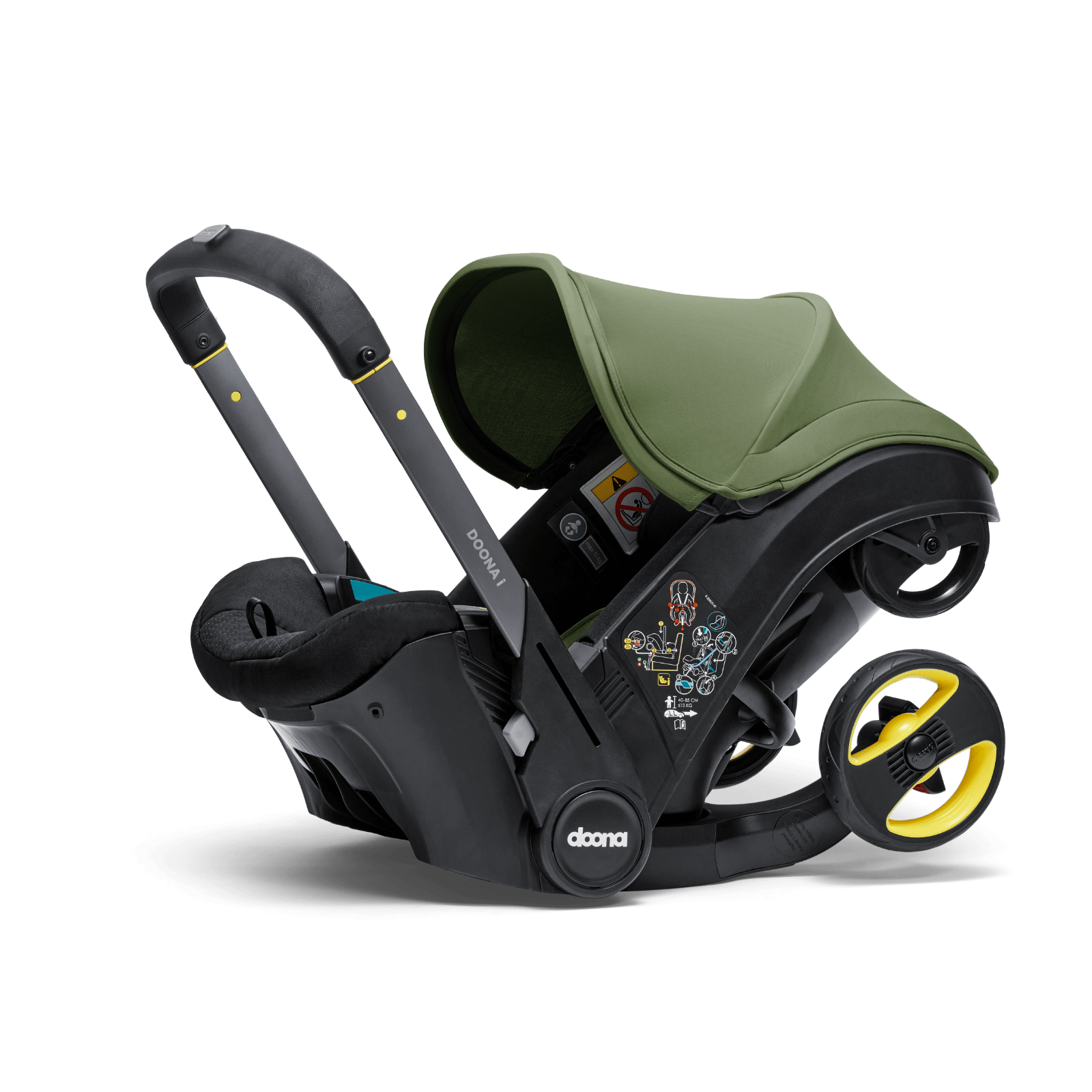
The number on the product label matters most when you must lift or carry the stroller. A difference of five pounds may seem small in a store, but it can feel significant after several trips up stairs.
Stroller weight affects:
• Lifting it into a car trunk
• Carrying it through an airport
• Taking it onto public transport
• Moving it up and down stairs
• Pushing it over hills
• Folding it while holding a child
• Storing it in a small home or apartment
A heavier stroller often offers better wheels, stronger support, and more comfort. A lighter stroller is easier to carry and store. Neither option is perfect for every family.
Think about your normal day. If your stroller stays in the trunk and you walk on smooth sidewalks, a heavier full-size model may work well. If you use stairs, buses, or small elevators, a lighter model may be a better fit.
Is a lighter stroller always better?
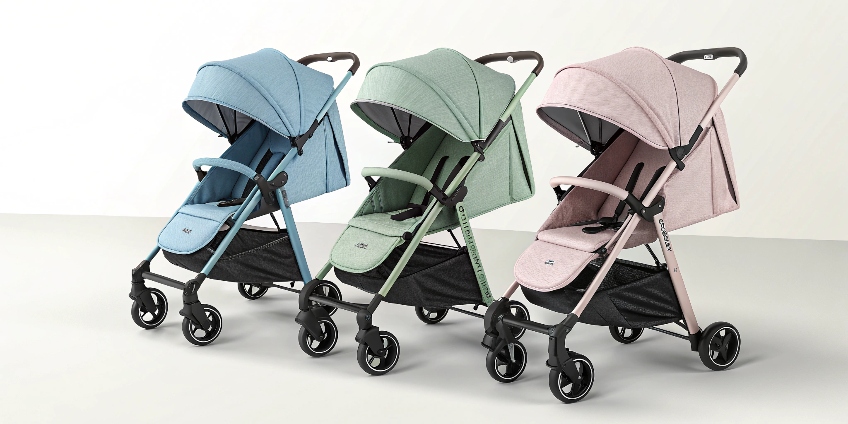
A lighter stroller is not always better. It is better when carrying and storage are your main concerns.
Lightweight models can have useful benefits:
• They are easier to lift.
• They take up less trunk space.
• They are convenient for travel.
• They may be easier for grandparents or older children to handle.
• They are often simple to fold.
However, very light strollers may have limits. They may offer less padding, smaller wheels, a lower weight capacity, and less protection from sun or weather.
In hands-on comparisons, I have noticed that a stroller’s balance matters almost as much as its listed weight. A well-balanced 25-pound stroller can feel easier to push than a poorly balanced 18-pound model. Handle height, wheel placement, and weight distribution all change the experience.
Try pushing the stroller with one hand. Turn it in a tight space. Lift it by the handle and place it into a car. These simple tests reveal more than the product label alone.

How to choose the right stroller weight
The ideal stroller weight depends on your child, home, car, travel habits, and walking surface. Start with your daily routine rather than a number on a sales page.
Use these steps:
Measure the space in your vehicle. Check both the folded size and the empty weight.
Count the stairs you use each day. Frequent stairs favor a lightweight or compact stroller.
Consider your child’s age and size. A growing toddler may need a stronger seat and higher weight limit.
Think about your walking routes. Large wheels help on cracked sidewalks, grass, and gravel.
Decide how much storage you need. A small basket may force you to carry extra bags.
Test the folding system. A one-hand fold can matter more than a two-pound weight difference.
Check the handle height. An uncomfortable handle can make a stroller feel heavy.
Review the complete product weight. Include the seat, canopy, wheels, and any required adapters.
As a practical guide, city families who use public transport may prefer a stroller under 20 pounds. Families who walk daily on mixed surfaces may prefer a 20 to 30-pound model with stronger wheels. Runners and parents of two may accept 30 pounds or more for stability and function.

How to measure stroller weight at home
You can measure a stroller with a household bathroom scale. This helps when the brand gives unclear information or when you want to know the travel weight.
Follow these steps:
Weigh yourself while holding the folded stroller.
Weigh yourself without the stroller.
Subtract your body weight from the combined weight.
Repeat the test with the seat, canopy, and regular accessories attached.
For a more accurate result, use a luggage scale if the stroller has a strong handle. Hang the scale only from a part designed to support lifting, and keep your feet clear.
Measure the stroller in the setup you use most. A frame without a seat may appear light but may not reflect the real travel weight. This is one of the most common mistakes shoppers make.
Stroller weight and airline travel
Air travel adds another layer to the question, “How much does a stroller weigh?” Airlines may set limits for gate checking, cabin storage, or overhead-bin use. Policies can vary by airline, aircraft, route, and available space.
A lightweight stroller is easier to carry through the airport. A compact fold may also help at the gate. However, cabin approval is never guaranteed, even when a stroller meets the published size or weight limit.
Before flying:
• Check the airline’s current stroller policy.
• Confirm the folded dimensions.
• Ask whether the stroller may be gate checked.
• Use a protective travel bag when possible.
• Remove loose accessories before checking it.
• Label the stroller with your name and contact details.
Do not assume that a stroller marketed as “airplane friendly” will fit every aircraft. The phrase usually means compact, not universally accepted for cabin storage.

Safety tips related to stroller weight
Weight is only one part of stroller safety. A light stroller can be safe when used correctly, and a heavy stroller can still be unsafe if it is overloaded or poorly maintained.
Look for:
• A five-point harness
• A reliable parking brake
• A secure folding lock
• A stable base
• Clear weight limits
• Strong wheel attachments
• A canopy that does not block the harness
Use the harness every time. Engage the brake before placing your child in the seat or removing them. Do not hang heavy bags from the handle because this can affect balance and cause the stroller to tip.
Follow the manufacturer’s age, height, and weight instructions. The U.S. Consumer Product Safety Commission has stroller safety requirements, and manufacturers should provide clear warnings and instructions. Also check for recalls before buying a used stroller.
A stroller should never carry more children or cargo than its instructions allow. Extra weight can affect braking, steering, folding, and stability.
Common mistakes when comparing stroller weight
Shoppers often compare numbers without checking what those numbers include. This can lead to an unpleasant surprise after purchase.
Avoid these mistakes:
• Comparing frame-only weight with a complete stroller weight
• Ignoring the folded size
• Forgetting the car seat adapter
• Overlooking the weight of a second seat
• Focusing on weight while ignoring wheel quality
• Assuming the lightest model has the best value
• Buying a stroller that does not fit the car trunk
• Forgetting the child’s future size
One mistake I often see is choosing a very light stroller for rough sidewalks. The parent saves a few pounds but struggles with small wheels, poor control, and limited storage. A slightly heavier stroller can be easier in real life when it rolls smoothly and carries what you need.
The best stroller is the one you can safely lift, comfortably push, and use for your normal routine.
Frequently Asked Questions About How Much Does a Stroller Weigh
How much does a standard stroller weigh?
A standard full-size stroller usually weighs between 20 and 30 pounds. Models with large wheels, reversible seats, bassinets, or stronger frames may weigh more.
How much does a lightweight stroller weigh?
A lightweight stroller commonly weighs 8 to 15 pounds. Some compact travel models weigh less than 10 pounds, but they may have smaller wheels and fewer comfort features.
How much does a double stroller weigh?
Most double strollers weigh between 25 and 40 pounds. Side-by-side, tandem, and convertible designs can have very different weights and folded sizes.
How much does a jogging stroller weigh?
A jogging stroller often weighs 24 to 35 pounds. Its large wheels, suspension, hand brake, and reinforced frame add weight but improve control on many surfaces.
Is a 30-pound stroller too heavy?
A 30-pound stroller is not automatically too heavy. It may work well if you drive often and want strong wheels, good storage, or a sturdy design, but it can be difficult to carry up stairs.
Does stroller weight include the car seat?
Sometimes it does, but not always. Check the product specifications to see whether the listed weight includes the seat, canopy, adapters, car seat, or other accessories.
What is the best stroller weight for travel?
Many travelers prefer a stroller between 10 and 18 pounds with a compact fold. Still, folded dimensions and airline rules matter just as much as the number on the scale.
Conclusion
Most strollers weigh 10 to 35 pounds, with lightweight, full-size, jogging, and double models occupying different parts of that range. A lighter stroller is easier to carry, while a heavier stroller may offer better wheels, storage, comfort, and durability.
Before buying, compare the complete stroller weight, folded size, seat capacity, wheel design, and accessories. Test how it lifts and pushes in real conditions. Choose the stroller that fits your home, car, child, and daily routine rather than simply choosing the lowest number.
Measure your current needs, review the manufacturer’s safety guidance, and explore trusted stroller comparisons before making your decision.