If your 2-month-old refuses a bottle, you are not alone. This is common, especially when a baby usually breastfeeds. In the United States, the American Academy of Pediatrics (AAP) and the Centers for Disease Control and Prevention (CDC) support responsive feeding: offer milk calmly, follow hunger and fullness cues, and never force a baby to finish. With the right nipple, position, caregiver, and timing, many babies learn to take a bottle over several short tries.
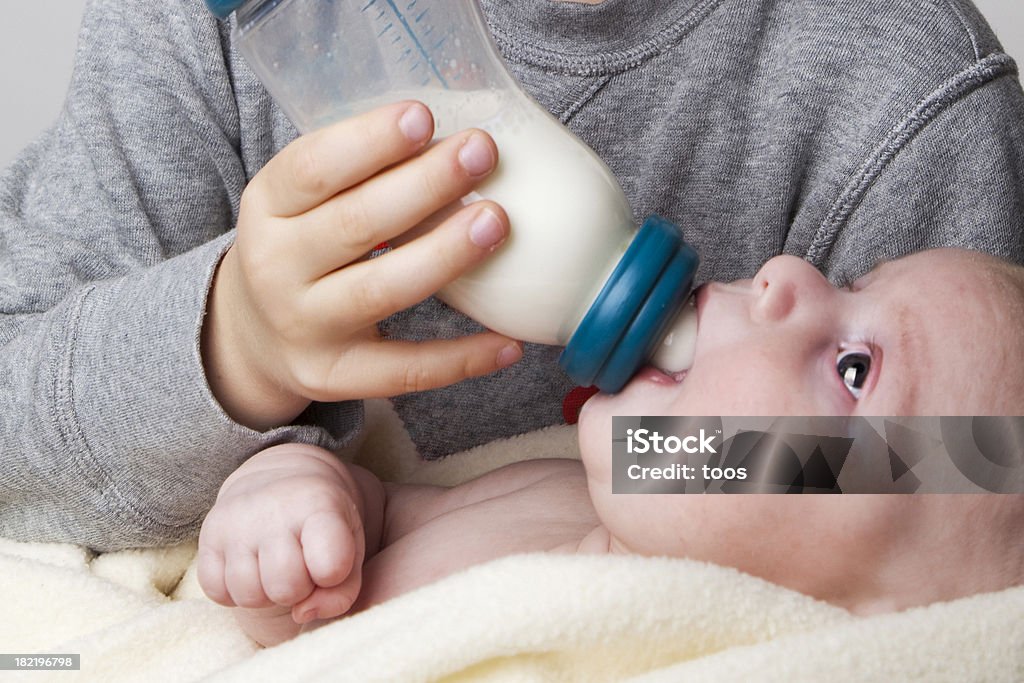
Why Your 2-Month-Old May Refuse the Bottle
A baby may reject a bottle because it feels different from the breast, the nipple flow is too fast or slow, the milk temperature is unfamiliar, or the baby is already upset. Some babies also refuse a bottle when their usual nursing parent offers it because they can smell breast milk and expect to nurse.
Bottle refusal does not always mean that your baby dislikes the bottle itself. The baby may be tired, too hungry, uncomfortable, or not yet used to the sucking pattern.
Common reasons include:
- A different sucking skill: Breastfeeding and bottle-feeding use different mouth movements.
- Nipple flow problems: A slow-flow nipple may frustrate a hungry baby. A fast-flow nipple may cause coughing, gulping, or milk leaking from the mouth.
- Unfamiliar smell or taste: Formula, stored breast milk, or a new bottle may smell or taste different.
- Poor timing: A very hungry baby may become too upset to learn.
- Position changes: Some babies dislike being held in the same position used for nursing.
- Discomfort: Reflux symptoms, nasal congestion, oral pain, or illness can make sucking harder.
A baby who briefly turns away is not always refusing the bottle. Babies often pause, look away, or stop sucking when they need a break. These may be fullness or stress cues rather than signs that you should offer more.
The CDC recommends watching for hunger cues such as hand-to-mouth movements, lip smacking, rooting, and increased alertness. Crying is a late hunger cue, so start before your baby becomes very upset.
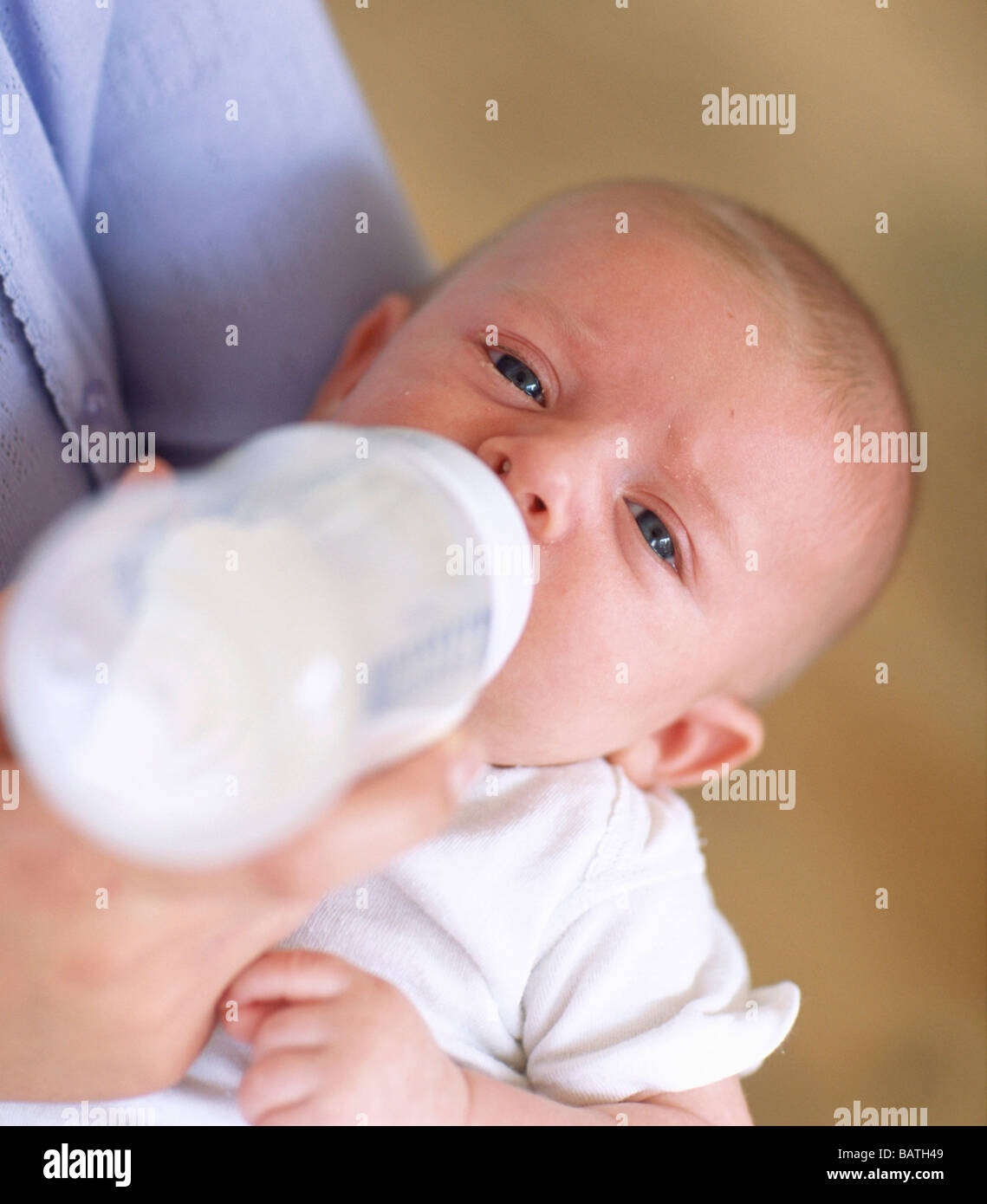
Step-by-Step: How to Teach a 2-Month-Old to Take a Bottle
The most effective approach is calm, gradual practice. Treat the bottle as a new skill, not a test your baby must pass.
1. Choose a calm practice time
Offer the bottle when your baby is awake and showing early hunger cues. Your baby should be hungry enough to try, but not so hungry that crying has already begun.
A useful starting point is between feeds. For example, you might try 30 to 60 minutes before the usual feeding time. The exact timing will vary by baby.
Keep the first practice short. Five to ten calm minutes may be enough. If your baby cries hard, stop and try again later.
2. Have another caregiver offer the bottle
A breastfed baby may take a bottle more easily from a non-nursing caregiver. Ask a partner, grandparent, or another trusted adult to try while you leave the room.
This is not because your baby does not want you. Your baby may simply connect you and your scent with breastfeeding. A different caregiver can make the bottle seem like a separate feeding option.
The caregiver should remain calm. Babies can sense tension, and repeated pressure may make bottle refusal stronger.
3. Hold your baby upright
Use a semi-upright position. Keep your baby’s head and neck supported, with the head higher than the stomach.
Do not feed your baby flat on the back. Do not place the bottle in the crib, and never prop a bottle with a pillow or blanket. Bottle propping can increase choking, ear infection, and tooth decay risks.
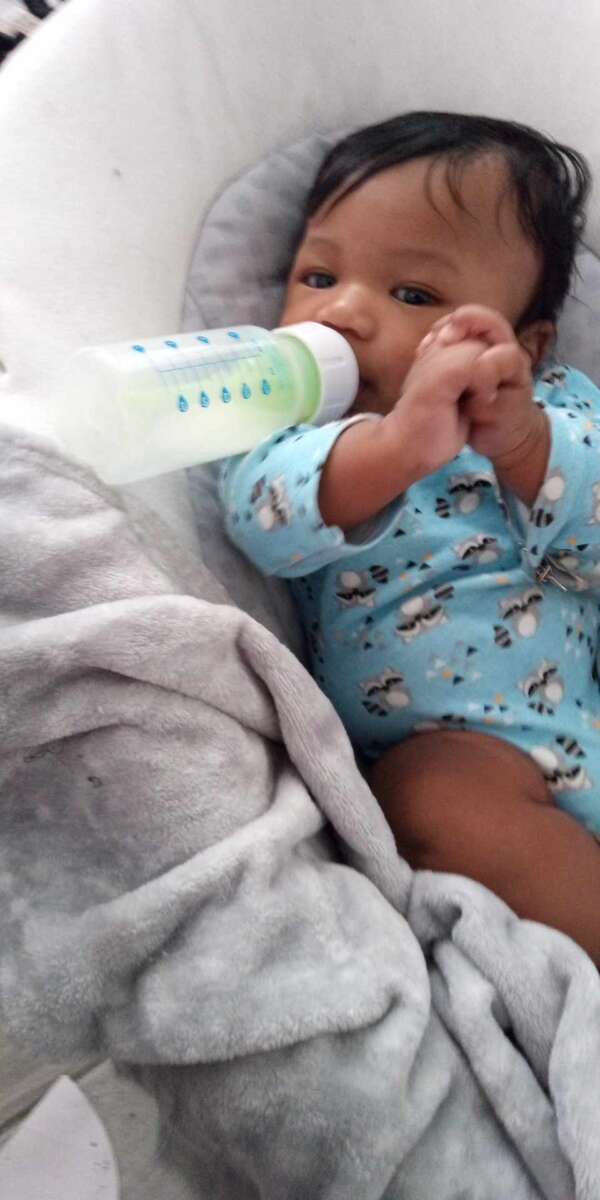
Hold the bottle mostly horizontal rather than tipping it straight down. This helps control the milk flow and supports paced bottle-feeding.
4. Let your baby accept the nipple
Touch the bottle nipple to your baby’s upper lip. Wait for your baby to open the mouth. Then let your baby draw the nipple in.
Do not push the nipple into a closed or upset mouth. A baby needs time to smell, taste, and feel the nipple.
You can also try offering the nipple without milk for a moment. This lets your baby explore it without a strong flow.
5. Use paced bottle-feeding
Paced feeding slows the feed and gives your baby more control. It can feel more like breastfeeding and may reduce coughing, gulping, and overfeeding.
Try these steps:
- Hold your baby semi-upright.
- Keep the bottle nearly horizontal.
- Let your baby suck for about 20 to 30 seconds.
- Tip the bottle down slightly or remove it for a short pause.
- Watch your baby’s breathing and cues.
- Resume only when your baby shows interest.
Your baby may need several pauses during a feed. That is normal. The goal is not to make the bottle empty quickly.
6. Stop when your baby shows stress or fullness
Stop the attempt if your baby:
- Turns the head away
- Pushes the bottle away
- Closes the mouth
- Cries or arches the back
- Coughs repeatedly
- Gags or struggles to breathe
- Falls asleep after showing little interest
A short pause may help. If your baby remains upset, end the practice. Forcing the nipple can create a negative association with bottle-feeding.
7. Repeat once or twice a day
Offer brief, low-pressure practice each day. A baby may need repeated exposure before accepting a new nipple or feeding routine.
Do not let practice replace needed milk feeds. If your baby does not take enough from the bottle, offer breast milk or formula in the usual safe way.
Adjust the Bottle, Nipple, Milk, and Setting
Small changes often solve the problem. Change one variable at a time so you can tell what helps.
Check the nipple flow
A nipple that is too fast may cause:
- Coughing
- Choking
- Gulping
- Milk leaking from the mouth
- Pulling away
- Noisy breathing during the feed
A nipple that is too slow may cause:
- Frustration
- Hard sucking with little milk transfer
- Falling asleep from effort
- A feeding that takes much longer than usual
Age labels on nipples are general guides, not strict rules. Follow your baby’s behavior. Do not enlarge a nipple hole yourself. A damaged or altered nipple can release milk too quickly.
Try a familiar milk temperature
Many babies accept milk best when it is close to body temperature. Others prefer it cool or at room temperature.
If you warm breast milk or formula, swirl it instead of shaking breast milk hard. Test a few drops on your wrist. The milk should feel warm, not hot.
Never heat milk in a microwave. A microwave can create hot spots that burn a baby’s mouth.
The CDC provides detailed instructions for storing and preparing breast milk. Follow the product label and CDC guidance for infant formula. Do not add cereal, sugar, or other foods to a bottle unless your child’s clinician gives specific medical instructions.
Change the setting
Some babies feed better in a quiet room with low light. Others need gentle movement, such as being walked slowly while the caregiver offers the bottle.
Try changing:
- The room
- The caregiver
- Your baby’s position
- The time of day
- The bottle brand or nipple shape
- Whether the milk is warm or cool
Avoid changing many things at once. Make one small adjustment, then observe your baby’s response.
Consider the taste
Stored breast milk can sometimes develop a soapy or metallic taste because of naturally occurring lipase activity. The milk may still be safe if it was stored correctly, but some babies reject the taste.
If your baby accepts freshly expressed milk but refuses refrigerated or frozen milk, ask your pediatrician or a lactation professional about the difference. Do not discard stored milk based only on taste without checking storage times and handling steps.
A Simple 7-Day Bottle Practice Plan
A short plan can make bottle practice less stressful. Adjust it to your baby’s normal feeding pattern.
| Day | Practice | Goal |
|---|---|---|
| 1 | Let your baby explore the empty nipple | Become familiar with the feel |
| 2 | Offer a small amount of familiar milk | Try the taste without pressure |
| 3 | Have another caregiver offer the bottle | Separate bottle-feeding from nursing |
| 4 | Try paced feeding in a quiet room | Give your baby more control |
| 5 | Test one different nipple flow if needed | Check for flow problems |
| 6 | Offer the bottle at a calm, predictable time | Build a routine |
| 7 | Repeat the method your baby handled best | Strengthen comfort and skill |
This is not a race. Some babies accept a bottle in a day. Others need longer. If your baby becomes upset each time, take a break for a day or two and ask your pediatrician, lactation consultant, or feeding therapist for help.
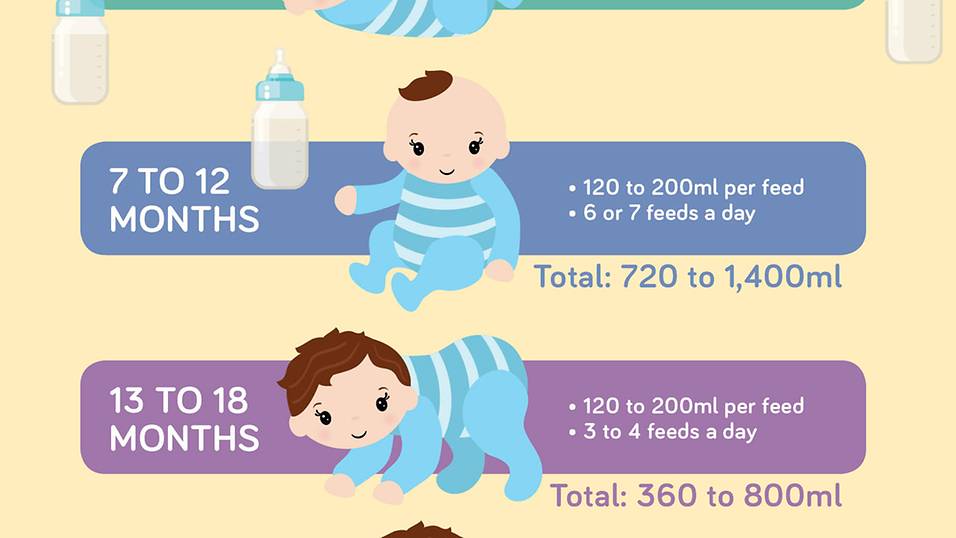
How much should a 2-month-old drink?
There is no single correct bottle amount for every 2-month-old. Intake depends on body size, growth, feeding frequency, whether the baby breastfeeds, and whether the milk is breast milk or formula.
For formula-fed babies, the AAP notes that many young infants feed about every three to four hours, but schedules vary. Breastfed babies may take different amounts at different feeds.
Use your baby’s cues and growth, not a target bottle volume alone. A pediatrician can help assess intake by reviewing weight gain, wet diapers, and feeding behavior.
Signs that bottle practice is going well
You may notice that your baby:
- Opens the mouth for the nipple
- Sucks without coughing
- Pauses calmly
- Keeps milk in the mouth
- Takes a small amount without crying
- Relaxes during or after the feed
- Accepts the bottle from more than one caregiver
Progress may be gradual. Taking 1 ounce calmly can be more useful than taking 4 ounces while crying and gulping.

What to Do If Your Baby Still Refuses the Bottle
If your baby refuses after several calm attempts, stop treating each feed as practice. First, protect hydration and nutrition. Continue the feeding method your baby handles safely while you work on the bottle plan.
Then check the most likely causes in this order:
- Is your baby ill or uncomfortable? Nasal congestion, fever, mouth pain, reflux symptoms, and ear pain can affect sucking.
- Is the nipple flow appropriate? Coughing suggests the flow may be too fast. Frustration may suggest it is too slow.
- Is the caregiver using pressure? Stop pushing the bottle into the mouth.
- Is the timing right? Practice before intense hunger or deep tiredness.
- Does the milk taste different? Compare fresh and stored milk if applicable.
- Does the bottle design fit your baby? A different nipple shape may help, but avoid buying many products before checking the basics.
Ask the baby’s pediatrician for help if bottle refusal lasts, your baby feeds much less than usual, or feeding is painful. A lactation consultant can help with breast milk transitions. A pediatric feeding or speech-language professional can assess sucking, swallowing, and coordination when needed.
Call the pediatrician promptly if you notice
- Fewer wet diapers than usual
- Very dark urine
- A dry mouth
- No tears when crying
- Unusual sleepiness or weakness
- Repeated vomiting
- Poor weight gain
- Refusal of several feeds
- Coughing, choking, or breathing trouble during feeds
- Fever in a young infant
For a baby younger than 3 months, call a healthcare professional promptly about a rectal temperature of 100.4°F (38°C) or higher. Seek emergency care for trouble breathing, blue or gray skin, severe weakness, or a baby who is difficult to wake.

Bottle-Feeding Safety for a 2-Month-Old
Safe preparation matters as much as getting your baby to accept the bottle.
Follow these rules:
- Wash your hands before preparing milk.
- Use clean bottles, nipples, and preparation tools.
- Prepare infant formula exactly as the label says.
- Do not dilute formula or add extra powder.
- Use safe water as directed by your local health department and formula instructions.
- Hold your baby during feeds.
- Keep the nipple full of milk to reduce air intake.
- Never prop a bottle.
- Never put a baby to bed with a bottle.
- Throw away leftover formula after a feed according to CDC guidance.
- Follow CDC storage rules for expressed breast milk.
- Do not microwave breast milk or formula.
- Check the nipple for tears or damage before each use.
Breast milk and infant formula are the appropriate main sources of nutrition for most babies at 2 months. Do not give water, juice, cereal, cow’s milk, or solid food unless your baby’s healthcare professional gives specific instructions.
Key Takeaways
- Offer the bottle when your baby is calm and showing early hunger cues.
- Let another caregiver try, especially if your baby usually breastfeeds.
- Use a semi-upright position and paced bottle-feeding.
- Check whether the nipple flow is too fast or too slow.
- Stop when your baby turns away, cries, coughs, or shows stress.
- Practice briefly and often instead of forcing a full feed.
- Protect hydration and nutrition while your baby learns.
- Call your pediatrician about poor intake, dehydration signs, repeated choking, or illness.
Frequently Asked Questions
How long does it take a 2-month-old to learn to take a bottle?
Some babies accept a bottle after one or two calm attempts. Others need days or weeks of short practice. The time depends on prior feeding experience, nipple flow, milk taste, and the reason for the transition.
Should I let my baby get very hungry before offering a bottle?
No. A very hungry baby may become too upset to learn a new skill. Offer the bottle when your baby is alert and showing early hunger cues.
Will a breastfed baby eventually take a bottle?
Many breastfed babies do, but not every baby accepts one easily. Another caregiver, paced feeding, a familiar milk taste, and a different position may help.
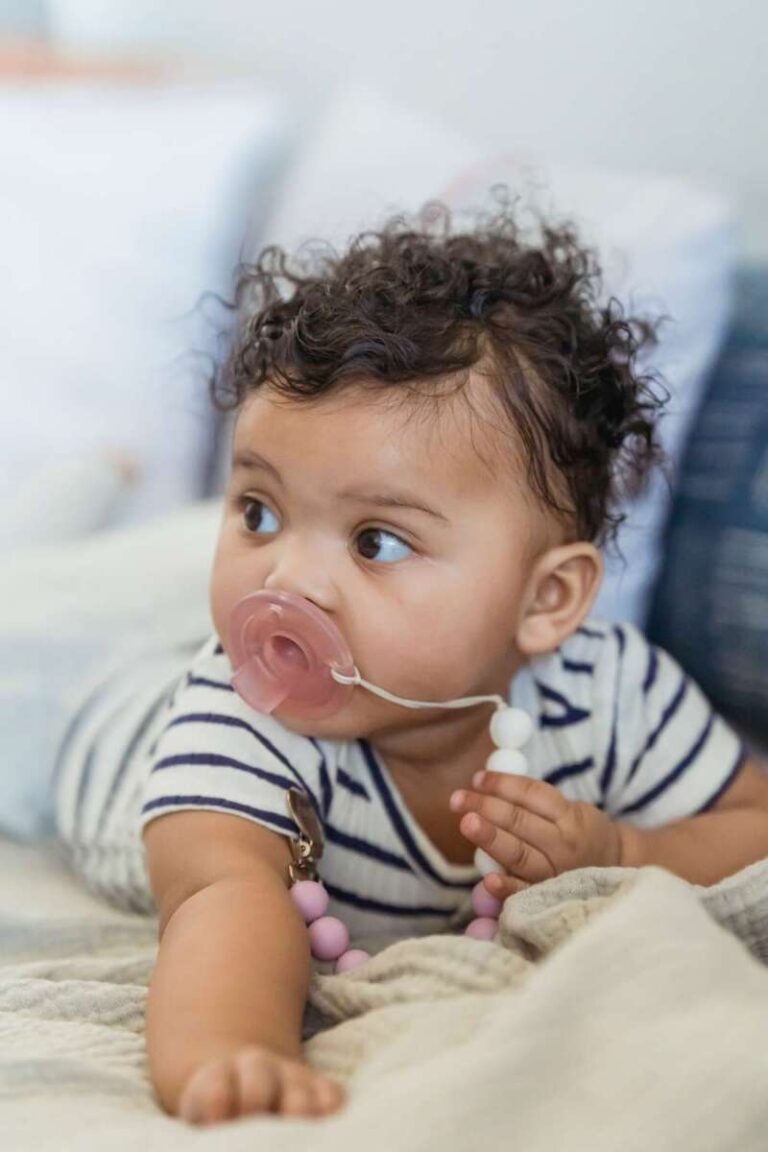
What if my baby takes a pacifier but refuses a bottle?
A pacifier and bottle nipple feel different and serve different purposes. Pacifier use does not guarantee that a baby will accept a bottle. Use the same calm, gradual practice approach.
Can I use a syringe or cup instead of a bottle?
Alternative feeding methods may be appropriate in some situations, but a 2-month-old can choke if milk is poured into the mouth. Ask your pediatrician or a feeding professional to show you a safe method before trying one.
When should I seek help for bottle refusal?
Contact your baby’s pediatrician if your baby is not taking enough milk, has fewer wet diapers, is losing weight, vomits repeatedly, or coughs and chokes during feeds. Seek urgent care for breathing problems, blue or gray skin, severe weakness, or difficulty waking.
Conclusion
The best way to help a 2-month-old take a bottle is to make the experience slow, calm, and predictable. Start before your baby is extremely hungry, let another caregiver try, use paced feeding, and adjust the nipple flow only when your baby’s behavior suggests a problem.
Do not force the bottle or judge success by the amount taken in one session. If your baby continues to refuse, focus on safe milk intake and contact your pediatrician or a qualified feeding professional for an individualized plan.