
Introduction
A “test tube baby” is a baby conceived through in vitro fertilization (IVF). In the United States, IVF means that an egg and sperm are joined in a fertility lab. If an embryo forms, a doctor places it in the uterus, where pregnancy may begin.
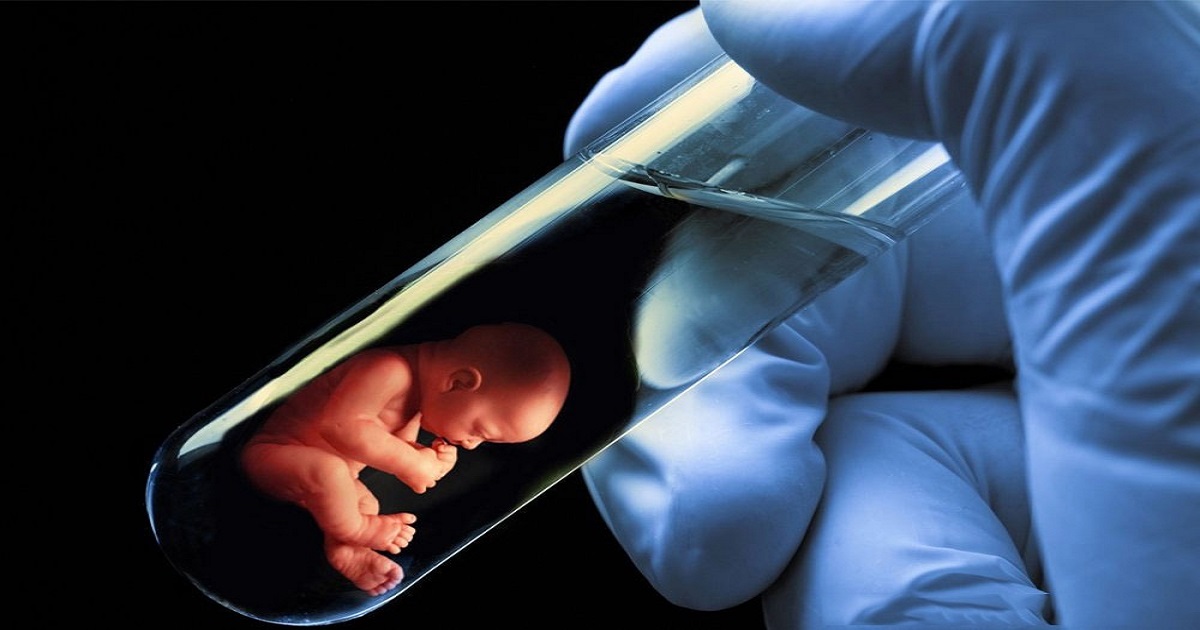
The baby does not grow in a test tube. The lab dish is used only for the early steps of fertilization and embryo growth. The pregnancy develops in the uterus, just as it does after natural conception.
IVF may help people with blocked fallopian tubes, ovulation problems, low sperm counts, endometriosis, unexplained infertility, or a need to avoid passing on some genetic conditions. It may also help single parents and same-sex couples build a family with donor eggs, donor sperm, or a gestational carrier.

What Does “Test Tube Baby” Mean?
“Test tube baby” is an older, informal term for a child born after IVF. The medical term is in vitro fertilization, or IVF.


“In vitro” means “in glass.” It refers to fertilization that takes place outside the body in a lab dish. The embryo is later transferred to the uterus.
IVF is one type of assisted reproductive technology (ART). ART includes treatments that handle eggs or embryos to help achieve pregnancy. The U.S. Centers for Disease Control and Prevention (CDC) tracks ART treatments and outcomes in the United States.
A simple way to picture IVF is:
- The ovaries are stimulated to grow several eggs.
- Eggs are collected in a short medical procedure.
- Sperm is added to the eggs in a lab.
- An embryo may form after fertilization.
- A doctor transfers an embryo into the uterus.
- A pregnancy test checks whether implantation occurred.
IVF does not mean that doctors create a baby outside the body. The lab supports only fertilization and the first few days of embryo development.

How Does IVF Work?
IVF usually takes several steps over one or more menstrual cycles. The exact plan depends on age, medical history, ovarian reserve, sperm health, and past fertility treatment.
1. Fertility testing and treatment planning
Before IVF, the clinic checks both partners when applicable. Tests may include:
- Blood tests for hormone levels
- Ovarian reserve testing
- Ultrasound of the ovaries and uterus
- Semen analysis
- Screening for infections
- Review of medical conditions and medicines
- Testing of the fallopian tubes in some cases
The doctor then explains the likely benefits, limits, risks, and cost. Some people need treatment before IVF. For example, a uterine polyp or untreated thyroid disorder may need attention first.
2. Ovarian stimulation
Most IVF cycles use hormone medicines to help the ovaries grow several eggs. The patient gives these medicines by injection for about one to two weeks, though timing varies.
The clinic checks progress with blood tests and vaginal ultrasound exams. These checks help the care team adjust medicine doses and reduce the chance of complications.
When the eggs are ready, the patient receives a “trigger” medicine. This helps the eggs complete their final stage of development before collection.


3. Egg retrieval
Egg retrieval is usually done with light anesthesia or sedation. A doctor guides a thin needle through the vagina and into the ovaries using ultrasound.
The needle removes fluid from the follicles. The lab then looks for eggs in that fluid. The procedure often takes less than an hour, but patients should follow their clinic’s instructions about driving, eating, and recovery.
Mild cramps, pelvic pressure, spotting, or tiredness may occur afterward. Severe pain, heavy bleeding, fever, fainting, or trouble breathing requires urgent medical advice.
4. Fertilization in the lab
The lab combines the eggs with sperm. There are two common methods:
- Conventional IVF: Sperm is placed around the egg in a lab dish.
- Intracytoplasmic sperm injection (ICSI): One sperm is injected into an egg with a very small needle.
ICSI may be useful in some cases of male-factor infertility or prior fertilization problems. It is not automatically needed for every IVF cycle.
Fertilization does not occur every time. Some eggs may not fertilize, and some fertilized eggs may stop growing.
5. Embryo culture
A fertilized egg begins to divide. The lab watches the embryo for several days.
Many clinics transfer embryos at the blastocyst stage, usually about five or six days after fertilization. Not every embryo reaches this stage.
The clinic may freeze suitable embryos for later use. Frozen embryo transfer allows the patient and care team to prepare the uterine lining in a separate cycle.
6. Optional embryo testing
Some patients choose preimplantation genetic testing (PGT). PGT examines a small sample of cells from an embryo before transfer.
Different PGT types look for different findings, such as:
- Certain inherited single-gene conditions
- Some chromosome number changes
- Chromosome patterns linked with implantation or miscarriage risk
PGT is not a guarantee of a healthy baby. It can have limits, including test errors, uncertain results, and embryos that cannot be tested or transferred. The American Society for Reproductive Medicine recommends discussing the purpose and limits of PGT with a fertility specialist and, when needed, a genetic counselor.
7. Embryo transfer
During embryo transfer, a doctor places a thin catheter through the cervix and into the uterus. The embryo is released into the uterine cavity.


The procedure usually does not require surgery or anesthesia. A patient may feel pressure or mild cramps.
The embryo must attach to the uterine lining. This process is called implantation. If implantation occurs, the pregnancy can develop in the uterus.
8. Pregnancy testing
The clinic usually orders a blood pregnancy test about 9 to 14 days after embryo transfer. Testing too early may give a misleading result.
If the test is positive, the clinic may repeat it and schedule an ultrasound. If the test is negative, the care team can review the cycle and discuss next options.

Who May Need a Test Tube Baby or IVF?
IVF may help when other treatments are unlikely to work or have not worked. A fertility specialist may discuss IVF for:
- Blocked or damaged fallopian tubes
- Severe endometriosis
- Ovulation problems
- Low egg supply
- Low sperm count or poor sperm movement
- Difficulty ejaculating
- Unexplained infertility
- Infertility related to age
- Repeated failure of less complex treatments
- A need to use donor eggs or sperm
- Fertility preservation before some cancer treatments
- A known inherited condition
- Use of a gestational carrier
IVF is not only for married couples. In the United States, single people and LGBTQ+ patients may use IVF with donor sperm, donor eggs, embryos, or a gestational carrier.
The best treatment depends on the cause of infertility. IVF may not be the first step for every patient. For example, some people may first try timed intercourse, ovulation medicine, or intrauterine insemination (IUI).
Age affects the chance of success because egg number and egg quality tend to change over time. The CDC publishes U.S. ART data by age, treatment type, and clinic. Clinic-level results can differ, so patients should ask for outcomes that match their age and treatment plan.

IVF Compared With Other Fertility Treatments
IVF is more involved than many other fertility treatments, but it can address problems that simpler methods cannot.
| Treatment | Where fertilization occurs | Common use | Main feature |
|---|---|---|---|
| Timed intercourse | Inside the body | Ovulation problems or unexplained infertility | Least invasive |
| Ovulation medicine | Inside the body | Irregular or absent ovulation | Helps release an egg |
| IUI | Inside the body | Some sperm or ovulation problems | Places prepared sperm in the uterus |
| IVF | In a lab, then embryo transfer | Tubal, sperm, egg, genetic, or unexplained factors | Gives the lab direct access to eggs and embryos |
| IVF with ICSI | In a lab, with one sperm injected into an egg | Some cases of male-factor infertility | Helps sperm enter the egg |
IUI cannot overcome completely blocked fallopian tubes because fertilization still needs to occur inside the body. IVF can bypass the fallopian tubes.
IVF also allows embryos to be frozen, tested in selected cases, or used in a later transfer. However, it requires more medicine, monitoring, procedures, time, and cost than IUI.

What Are the Benefits and Limits of IVF?
IVF can make pregnancy possible when natural conception is difficult. It can also offer more control over the timing and handling of eggs, sperm, and embryos.
Potential benefits include:
- Bypassing blocked fallopian tubes
- Using donor eggs, sperm, or embryos
- Preserving embryos for future use
- Helping some people with severe male-factor infertility
- Allowing embryo testing for selected genetic concerns
- Giving single parents and same-sex couples a path to pregnancy
IVF also has limits:
- One cycle may not lead to pregnancy.
- Not every egg becomes an embryo.
- Not every embryo implants.
- Some embryos may stop growing.
- Treatment can be physically and emotionally demanding.
- Costs may be high, especially without insurance.
- Some patients need more than one cycle.
- IVF cannot remove all risks of miscarriage or pregnancy complications.


A healthy embryo does not always result in a healthy birth. Implantation depends on many factors, including embryo development, uterine health, age, and chance.

What Are the Risks of IVF?
IVF is generally considered an established medical treatment, but it is not risk-free. A fertility doctor should explain the risks for the specific patient.
Ovarian hyperstimulation syndrome
Ovarian hyperstimulation syndrome (OHSS) can occur when the ovaries respond too strongly to fertility medicines. Symptoms may include bloating, nausea, vomiting, abdominal pain, rapid weight gain, or shortness of breath.
Severe OHSS is uncommon but can be serious. Contact the fertility clinic promptly if symptoms worsen after stimulation or egg retrieval.
Egg retrieval complications
Possible complications include bleeding, infection, injury to nearby organs, and reactions to anesthesia. These events are uncommon, but urgent care may be needed for severe pain, fever, heavy bleeding, dizziness, or breathing problems.
Multiple pregnancy
Transferring more than one embryo raises the chance of twins or higher-order multiples. Multiple pregnancy increases risks such as premature birth and low birth weight.
For this reason, many patients and clinics consider elective single-embryo transfer when a suitable embryo is available. The right choice depends on age, embryo quality, medical history, and clinic guidance.
Ectopic pregnancy
An ectopic pregnancy occurs when an embryo implants outside the uterus, often in a fallopian tube. IVF does not eliminate this risk.
Severe one-sided pelvic pain, shoulder pain, fainting, or heavy bleeding during early pregnancy needs urgent medical evaluation.
Emotional and financial stress
IVF can involve uncertainty, repeated appointments, injections, procedure days, and difficult decisions. A counselor, support group, or mental health professional with fertility experience may help.
Patients should also ask about medication costs, lab fees, storage fees, genetic testing fees, anesthesia, and later embryo transfer costs. In the United States, insurance coverage varies by plan and state. The National Infertility Association provides information about insurance and fertility benefits, but the insurer remains the best source for a patient’s exact coverage.

How Much Does IVF Cost in the United States?
There is no single national price for a test tube baby or an IVF cycle. The total cost depends on the clinic, state, medicines, insurance, treatment plan, and need for donor materials or genetic testing.
A written estimate should show whether it includes:
- Initial testing
- Doctor visits
- Ultrasound and blood monitoring
- Fertility medicines
- Egg retrieval
- Anesthesia
- Lab fertilization
- ICSI
- Embryo culture
- Embryo freezing
- Embryo storage
- PGT
- Frozen embryo transfer
- Donor eggs, donor sperm, or a gestational carrier
Ask whether the clinic offers payment plans or package pricing. Also ask what happens if the cycle is canceled before retrieval or if no embryo is available for transfer.


A lower advertised price may not include medicine, testing, anesthesia, or a later frozen transfer. Comparing the full treatment plan is more useful than comparing one headline price.

What Should You Ask an IVF Clinic?
Bring a written list to the first consultation. Useful questions include:
- What is the likely cause of infertility?
- Is IVF the best next step for this situation?
- How many visits and injections should I expect?
- What are the clinic’s live-birth outcomes for patients in my age group?
- How does the clinic report its success rates?
- What happens if no eggs fertilize?
- Will the clinic recommend conventional IVF, ICSI, or both?
- Is embryo testing useful in this case?
- What is the plan for extra embryos?
- How long can embryos remain frozen?
- What are the full estimated costs?
- Which costs does insurance cover?
- What symptoms require an urgent call?
- What emotional support is available?
Ask for live-birth rates, not only pregnancy rates. A pregnancy test can be positive even when a pregnancy later ends. Live-birth data gives a more meaningful view of the final outcome, though results still vary by patient and clinic.

Common Misunderstandings About Test Tube Babies
“The baby grows in a test tube.”
No. Fertilization and early embryo growth happen in a lab dish. The embryo is transferred to the uterus, where the pregnancy develops.
“IVF guarantees pregnancy.”
No. IVF improves the chance of pregnancy for some patients, but it cannot guarantee implantation or birth.
“Every egg becomes an embryo.”
No. Eggs may not mature, fertilize, or continue growing. The number of eggs retrieved is not the same as the number of embryos available.
“ICSI is always better than regular IVF.”
No. ICSI can help in selected cases, especially some sperm-related problems. It may not improve results for every patient.
“A frozen embryo is less useful than a fresh embryo.”
Not always. Frozen embryo transfer is widely used. The best approach depends on the patient’s hormone levels, uterine lining, embryo status, and clinic plan.
“IVF is only for blocked tubes.”
No. IVF may help with many causes of infertility, including sperm problems, ovulation disorders, endometriosis, age-related infertility, genetic concerns, or unexplained infertility.
Frequently Asked Questions
Is a test tube baby a normal baby?
Yes. A baby born after IVF is not different because fertilization began in a lab. The child develops in the uterus and is born through pregnancy and delivery.
Does IVF hurt?
Some parts may cause discomfort. Fertility injections can sting, monitoring exams may feel uncomfortable, and egg retrieval can cause cramps or soreness. Sedation usually helps during retrieval. Ask the clinic how it manages pain.
How long does one IVF cycle take?
Many cycles take several weeks from medicine start to pregnancy testing. The full process may take longer if the clinic freezes embryos, performs testing, or plans a later transfer.
Can IVF be used with donor sperm or donor eggs?
Yes. IVF can use a partner’s eggs or sperm, donor eggs, donor sperm, or donated embryos. A gestational carrier may also carry the pregnancy when medically or legally appropriate.
What is the first step if I am considering IVF?
Schedule a consultation with a board-certified reproductive endocrinologist or another qualified fertility specialist. Bring medical records, a list of medicines, prior test results, and insurance details.
Conclusion
A “test tube baby” is a baby conceived through in vitro fertilization. IVF joins an egg and sperm in a laboratory, grows the early embryo for a short time, and transfers the embryo to the uterus.
The treatment may help with blocked tubes, sperm problems, ovulation disorders, endometriosis, unexplained infertility, genetic concerns, and donor-assisted family building. It also involves medical risks, cost, uncertainty, and no guarantee of a live birth.
The next practical step is to ask a U.S. fertility clinic for an individualized plan, a full cost estimate, and age-specific live-birth data.
