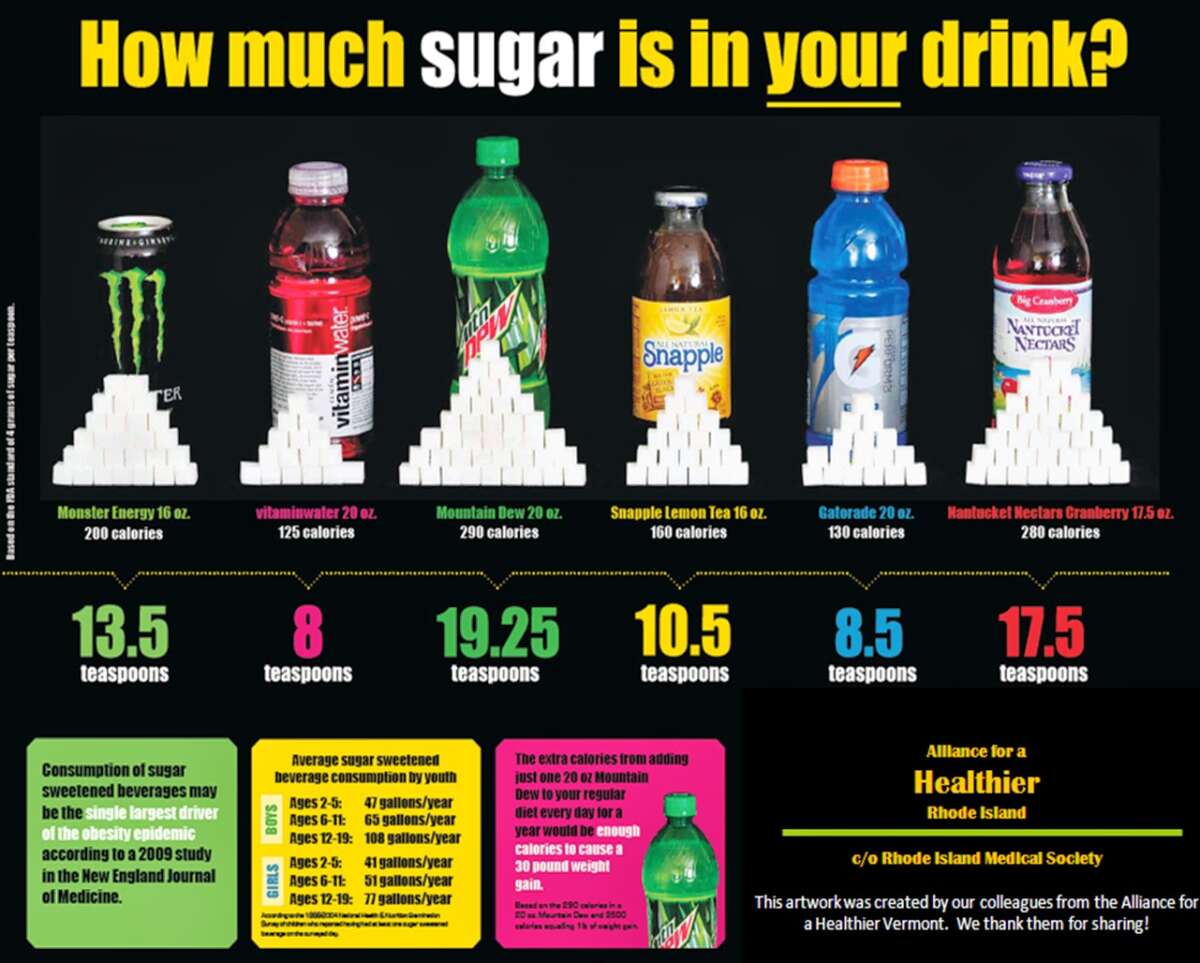
A 10-month-old should have no added sugar as a regular part of their diet. The U.S. Dietary Guidelines for Americans recommend avoiding added sugars for children younger than 2. There is no daily gram limit set for babies because the goal is simpler: do not add sugar to foods or drinks.
Natural sugar in breast milk, infant formula, fruit, vegetables, and plain dairy foods is different from added sugar. A 10-month-old can eat these foods as part of a balanced diet.

What is the sugar limit for a 10-month-old?
For a 10-month-old, the best target for added sugar is zero grams.
This includes sugar added to foods during cooking or processing. Common names include:
- Sugar
- Cane sugar
- Brown sugar
- Corn syrup
- High-fructose corn syrup
- Honey
- Maple syrup
- Agave
- Rice syrup
- Fruit juice concentrate
- Molasses
The “0 grams” target does not mean a baby must avoid all sugar. Some healthy foods contain natural sugar. For example, fruit contains fructose, and breast milk and infant formula contain lactose. These sugars come with nutrients and are not the same as sugar added to cookies, cereal, or sweet drinks.
The U.S. Food and Drug Administration lists a Daily Value of 50 grams of added sugar, but that value is for people age 4 and older. It is not a recommended limit for a 10-month-old.
Added sugar versus natural sugar
The key question is not, “Does this food contain sugar?” Ask instead, “Was sugar added to this food?”
| Food or drink | Sugar type | Appropriate for a 10-month-old? |
|---|---|---|
| Breast milk | Natural lactose | Yes |
| Infant formula | Natural lactose | Yes |
| Mashed banana | Natural sugar | Yes |
| Soft berries | Natural sugar | Yes, when prepared safely |
| Plain whole-milk yogurt | Natural lactose | Yes |
| Sweetened yogurt | Added sugar | Best avoided |
| Frosting or candy | Added sugar | Avoid |
| Fruit juice | Concentrated natural sugar | Avoid before age 1 |
| Honey | Natural sugar, with a safety risk | Avoid before age 1 |
Natural sugar still counts as sugar on a food label. That does not make fruit or plain milk unhealthy. It simply means parents need to check the “Added Sugars” line and the ingredient list.

Why should babies avoid added sugar?
Added sugar can take the place of foods that provide more useful nutrients. At 10 months, babies need foods that supply iron, protein, healthy fats, vitamins, and minerals as they learn to eat more table foods.
Sweet foods may also shape a preference for very sweet tastes. A baby does not need sugar to enjoy food. Offering vegetables, beans, eggs, meat, fruit, and plain grains helps build a wider range of tastes.
Too much added sugar can also raise the risk of tooth decay. Teeth can be harmed when sugary foods or drinks stay on them for long periods. This matters even before a child has a full set of teeth.
The American Academy of Pediatrics recommends avoiding sugary drinks for young children. The Centers for Disease Control and prevention also advises that children younger than 24 months should not have added sugars.
What foods can a 10-month-old eat instead?
A 10-month-old can usually eat a range of soft foods with no added sugar. Food should be soft enough to mash easily, and parents should follow safe feeding practices.
Good choices include:
- Soft, ripe banana, pear, peach, or avocado
- Steamed vegetables
- Plain oatmeal
- Soft pasta
- Beans or lentils
- Scrambled egg
- Plain, full-fat yogurt
- Shredded chicken or tender meat
- Flaked fish with bones removed
- Thin spreads of smooth peanut or other nut butter
- Toast strips with mashed avocado
- Soft cheese in small amounts
Fruit can add sweetness without added sugar. Try mashed berries in plain yogurt or applesauce with no added sugar. You can also mix mashed banana into oatmeal.
Do not add sugar, syrup, honey, or juice to make food more appealing. If a food tastes bland to an adult, that does not mean it tastes bland to a baby.

How to check baby food labels for sugar
Read both the Nutrition Facts label and the ingredient list.
1. Check “Added Sugars”
The label may show:
- Total Sugars
- Includes Added Sugars
A food can have total sugar but zero added sugar. Plain yogurt is one example because milk naturally contains lactose.
2. Review the ingredients
Look for sugar, syrup, honey, molasses, or other sweeteners. Ingredients appear by weight, so a sweetener near the start of the list is a sign that the product contains a meaningful amount.
3. Compare similar foods
Choose plain oatmeal instead of flavored oatmeal. Choose plain yogurt instead of fruit-flavored yogurt. Choose unsweetened applesauce instead of sweetened applesauce.
A food marketed for babies is not automatically free of added sugar. The label is the best way to check.
Example
Suppose a yogurt label says:
- Total sugars: 8 grams
- Added sugars: 0 grams
That sugar likely comes from the milk. It is different from a yogurt that says:
- Total sugars: 14 grams
- Added sugars: 6 grams
For a 10-month-old, the first option is the better choice.

Can a 10-month-old have fruit juice?
A 10-month-old should not have fruit juice as a routine drink. The American Academy of Pediatrics recommends no fruit juice for children younger than 1 year.
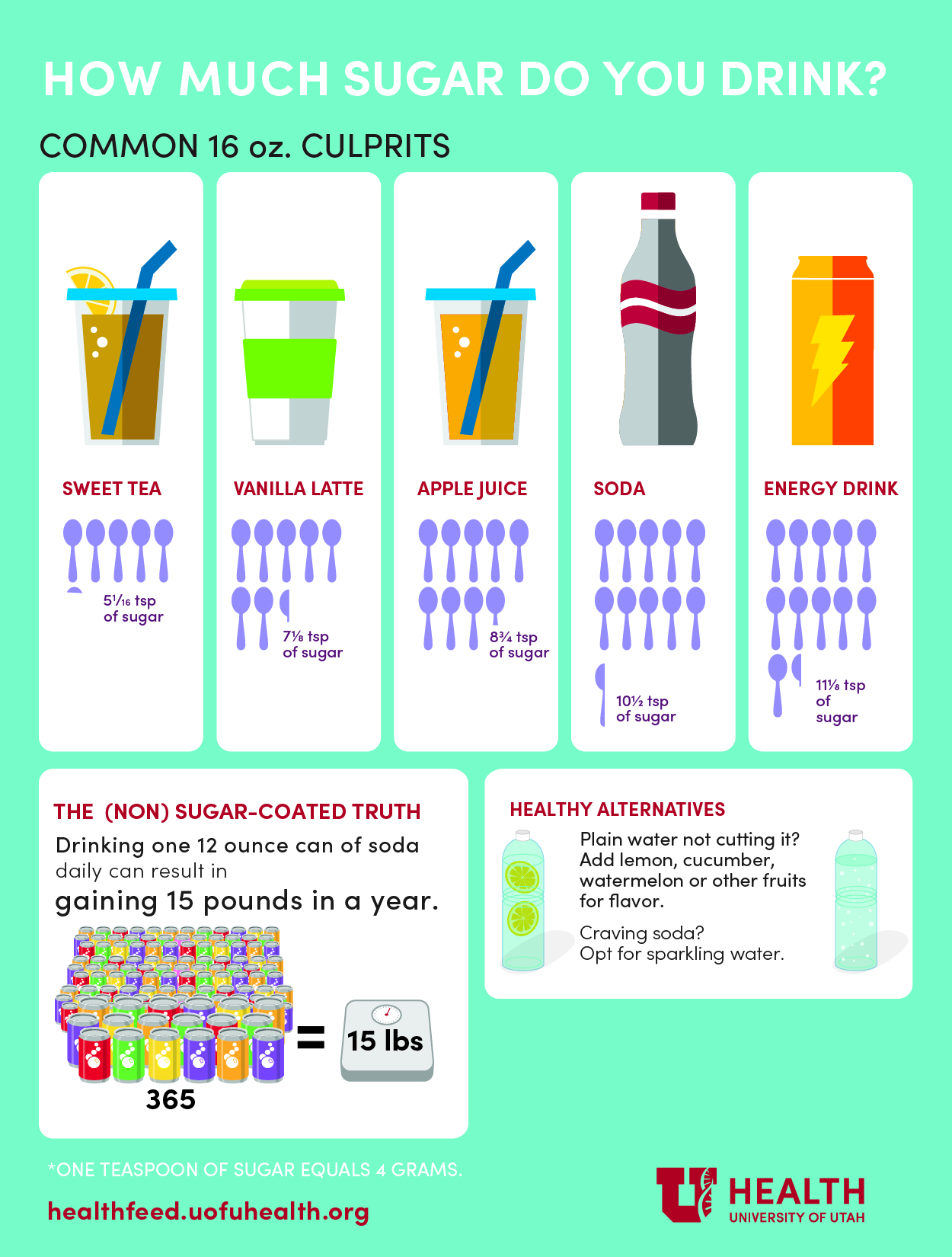
Juice can contain a large amount of sugar without the fiber found in whole fruit. It can also fill a baby’s stomach and reduce interest in breast milk, formula, or solid foods.
Offer:
- Breast milk or infant formula as the main source of milk
- Small amounts of water with meals, if advised by the child’s health care professional
- Whole, soft fruit instead of juice
Do not put juice in a bottle or sippy cup for sipping over time. Frequent exposure to sweet drinks can increase the risk of tooth decay.

Can a 10-month-old have honey?
No. Do not give honey to a child younger than 12 months, even if it is pasteurized, cooked, or used in a baked food.
Honey can contain spores that cause infant botulism. Infant botulism is rare but serious. The risk is separate from honey’s sugar content.
Avoid:
- Raw honey
- Pasteurized honey
- Honey in tea
- Honey in baked goods
- Honey graham crackers
- Foods sweetened with honey
After the first birthday, ask the child’s health care professional about suitable foods and portions. Honey is still an added sugar, so it should remain limited.

What if my baby already ate sugar?
A small accidental taste of a sugary food is usually not a reason to panic. One bite will not cause harm in an otherwise healthy baby. Simply return to normal meals and avoid making added sugar a regular habit.
Contact a health care professional if your baby:
- Ate honey before 12 months
- Choked or may have inhaled food
- Has vomiting, unusual weakness, trouble feeding, or breathing problems
- Has a known medical condition that affects diet or blood sugar
- Ate a large amount of a product containing caffeine or another unsafe ingredient
Do not try to make a baby vomit. If you are worried about a possible poisoning in the United States, call Poison Control at 1-800-222-1222 or use poison.org.

How much breast milk or formula does a 10-month-old need?
At 10 months, breast milk or iron-fortified infant formula remains an important source of nutrition. Solid foods gradually become more important, but they do not immediately replace milk feeds.
Babies differ in appetite. Offer food when the baby is hungry, and watch for signs of fullness, such as turning away, closing their mouth, or pushing food away.
Do not sweeten formula, breast milk, water, or solid foods. Never dilute infant formula unless a health care professional gives specific instructions. Incorrect mixing can be dangerous.
Cow’s milk can be used in small amounts in cooking or mixed into foods, but it should not replace breast milk or infant formula as the main drink before 12 months. Ask the baby’s pediatrician if your child has poor growth, feeding problems, anemia, allergies, or another medical concern.

How to serve food safely at 10 months
Sugar is only one part of safe feeding. Prepare food to reduce choking risks.
- Seat the baby upright during meals.
- Stay close and watch while the baby eats.
- Cook vegetables until soft.
- Cut food into thin strips or small, soft pieces.
- Mash or shred meat and fish.
- Spread nut butter thinly instead of serving a spoonful.
- Remove bones, pits, seeds, and tough skin.
- Avoid hard candy, popcorn, whole grapes, whole nuts, and raw hard vegetables.
- Cut round foods, such as grapes and cherry tomatoes, into small pieces or quarters.
Do not use sweet foods as a reward for eating vegetables or other foods. Keep meals calm and let the baby decide how much to eat.

A simple daily approach
You do not need to calculate every gram of sugar in a 10-month-old’s diet. Use this approach:
- Keep breast milk or infant formula as a key source of nutrition.
- Offer a variety of soft foods.
- Choose fruit instead of juice.
- Choose plain versions of yogurt, oatmeal, and applesauce.
- Avoid foods and drinks with added sugar.
- Do not give honey before 12 months.
- Offer water in an appropriate cup with meals if recommended.
- Follow the baby’s hunger and fullness cues.
If a packaged food has natural sugar but no added sugar, it may fit into the baby’s diet. If it has added sugar, choose another option when possible.
Frequently asked questions
Can a 10-month-old eat cake?
It is best to avoid cake as a regular food because it usually contains added sugar. If a baby has a small taste at a family event, do not panic. Return to normal foods afterward.
Can a 10-month-old eat sugar-free foods?
“Sugar-free” does not always mean ideal for a baby. These foods may contain artificial sweeteners, sugar alcohols, or other ingredients that a baby does not need. Plain foods with no added sweetener are usually a better choice.
Is sugar in fruit bad for babies?
No. Whole fruit contains natural sugar and fiber, along with nutrients. Serve fruit in soft forms that match the baby’s feeding skills. Avoid whole grapes and other choking hazards unless prepared safely.
Can babies have maple syrup or agave?
Maple syrup and agave are added sweeteners. They provide no special benefit for a 10-month-old and should be avoided. They should not be used as substitutes for honey before the first birthday.
When can children have added sugar?
The U.S. Dietary Guidelines recommend avoiding added sugar before age 2. After age 2, added sugar should remain limited. The American Heart Association recommends no more than 25 grams of added sugar per day for children ages 2 to 18, although a child’s overall diet and health also matter.
Key takeaways
- A 10-month-old should have zero added sugar as a regular goal.
- Natural sugar in breast milk, formula, fruit, and plain dairy foods is different from added sugar.
- Avoid juice before age 1.
- Never give honey before age 1.
- Check the “Added Sugars” line and the ingredient list.
- One accidental bite is usually not dangerous; simply return to a low-sugar eating pattern.
- Ask the baby’s pediatrician for personalized advice about growth, allergies, feeding problems, or medical conditions.
For most families, the next step is simple: serve soft whole foods, choose unsweetened packaged foods, and keep breast milk or infant formula as an important part of the diet until the child turns 1.