Introduction
Gripe water is not recommended for newborns. There is no strong evidence that it eases colic, gas, reflux, or crying. The ingredients also vary by brand, and some products may contain substances that are unsafe for young babies.
For a baby in the United States, breast milk or iron-fortified infant formula should be the main source of nutrition and fluid. Before giving a newborn gripe water or any other supplement, ask the baby’s pediatrician. A newborn with severe crying, poor feeding, vomiting, breathing trouble, or a fever needs medical care—not a home remedy.

What Is Gripe Water?
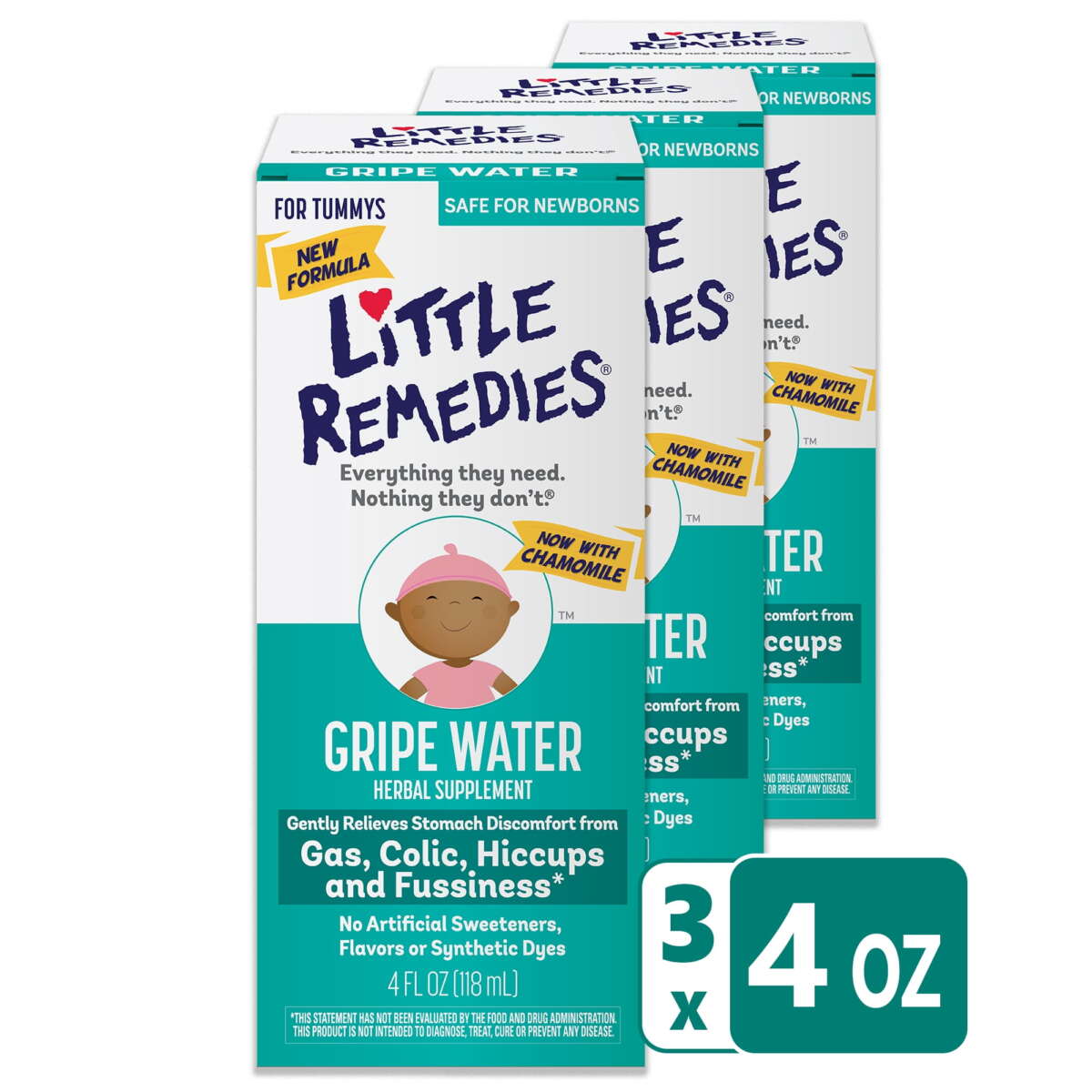
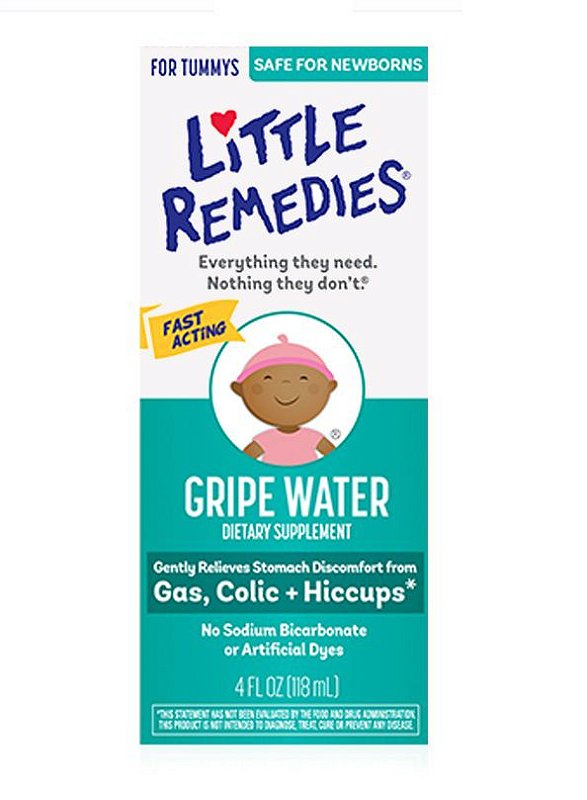
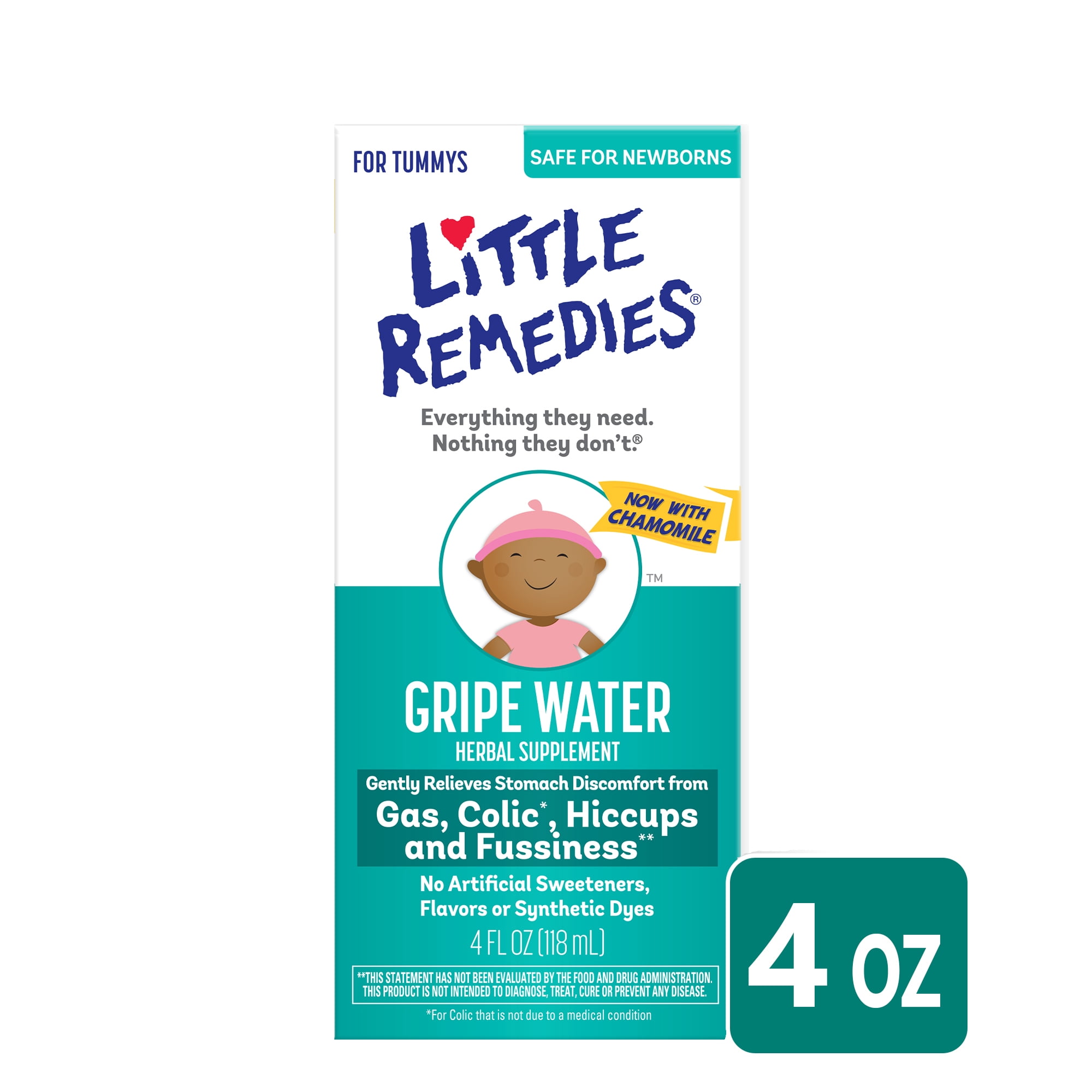
Gripe water is a liquid sold for babies with gas, hiccups, fussiness, colic, or stomach discomfort. It is usually labeled as a dietary supplement, not as an approved treatment for a medical condition.
Formulas differ. A product may contain:
- Water
- Sweeteners
- Herbal extracts, such as fennel, ginger, chamomile, or dill
- Sodium bicarbonate, also called baking soda
- Preservatives or flavoring
- Other ingredients that may change by brand and country
Because the contents are not standard, one bottle may not be the same as another. “Natural” also does not mean safe for a newborn. A baby’s liver, kidneys, gut, and immune system are still developing.
The U.S. Food and Drug Administration does not approve gripe water as a treatment for colic or gas. Dietary supplements also do not go through the same premarket approval process as prescription and over-the-counter medicines.

Why Gripe Water May Be Unsafe for Newborns
The main concern is not only the liquid itself. It is also the lack of proven benefit, the changing ingredients, and the risk that a serious problem could be missed.
It has not been shown to work well
Research has not established that gripe water reliably treats colic, gas, reflux, or excessive crying. A baby may seem calmer after taking it because crying naturally comes and goes. The baby may also be soothed by sucking from the dropper or bottle.
That does not prove the product caused the improvement. Colic often peaks around 6 weeks of age and improves by 3 to 4 months. This natural pattern can make a remedy seem effective when the symptoms would have eased on their own.
Ingredients can cause problems
Some babies may react to herbs or other ingredients. Possible effects include:
- Rash or other allergic reactions
- Vomiting or diarrhea
- Changes in feeding
- Irritation of the mouth or stomach
- Exposure to contaminants
- Too much of a mineral or other active ingredient
A newborn may also receive a dose that is too large if the caregiver uses a kitchen spoon or misunderstands the label.
Honey is unsafe for babies under 12 months
Never give a newborn a gripe water product that contains honey. The CDC advises against honey before 12 months because it can contain spores that cause infant botulism.
Read the full label. Do not assume that a product is honey-free because the front label says “herbal” or “natural.”
Baking soda and alcohol are serious red flags
Avoid any product that contains alcohol. Alcohol can be dangerous to an infant, even in a small amount.
Sodium bicarbonate can also be a concern if a baby receives too much. A newborn’s body handles salt and fluid differently from an adult’s. Do not use a product with sodium bicarbonate unless the child’s clinician specifically directs you to do so.
It may delay care
Crying is common, but it can also signal illness. A caregiver who treats repeated crying as “gas” may delay care for dehydration, infection, intestinal blockage, or another problem.
This is especially important in newborns. Their condition can change quickly, and they cannot explain pain or other symptoms.

Is Gripe Water Safe for a 1-Week-Old Baby?
A 1-week-old baby should not be given gripe water unless a pediatrician specifically prescribes or directs its use. In most cases, a clinician will recommend addressing feeding, burping, latch, formula preparation, or another cause instead.
A baby who is only a few days old has a small stomach and limited ability to handle extra liquids. Gripe water can displace breast milk or formula. That may reduce the calories and nutrients the baby needs.
Contact the baby’s clinician promptly if a 1-week-old:
- Is hard to wake for feeds
- Refuses several feeds
- Has fewer wet diapers than expected
- Vomits repeatedly
- Has a swollen or firm belly
- Has yellowing that is getting worse
- Has a rectal temperature of 100.4°F (38°C) or higher
For babies younger than 3 months, a rectal temperature of 100.4°F or higher requires urgent medical advice. Do not give gripe water to treat a fever.

What About Gripe Water for Gas, Hiccups, or Colic?
Gripe water is not a proven treatment for any of these symptoms. The safest response depends on the symptom and the baby’s overall condition.
| Concern | What may help | When to call the clinician |
|---|---|---|
| Gas | Pause to burp during and after feeds; keep the baby upright briefly after feeding | A hard, swollen belly, repeated vomiting, blood in stool, or poor feeding |
| Hiccups | Wait; most hiccups stop on their own | Hiccups occur with breathing trouble, choking, or feeding problems |
| Fussiness | Hold, rock gently, use a calm voice, and check hunger, diaper, temperature, and clothing | Crying is sudden, severe, unusual, or cannot be soothed |
| Possible colic | Ask the pediatrician to assess feeding and growth | The baby is not gaining weight or seems ill |
| Spitting up | Keep the baby upright while awake after feeds; always place the baby flat on the back to sleep | Green or bloody vomit, forceful vomiting, poor weight gain, or dehydration |
Do not prop a bottle, force a feed, add cereal without medical advice, or place a baby on the stomach to sleep. These actions can create separate feeding or sleep risks.
For formula-fed babies, prepare formula exactly as the container states. Do not dilute it to settle the stomach. Too much water can cause dangerous electrolyte problems, while too little water can overload the kidneys.

What Should Parents Do Instead?
Start with basic checks and gentle care. These steps do not replace a medical exam, but they may help with ordinary fussiness.
- Check feeding. Look for hunger cues, such as hand-to-mouth movements or rooting. Feed as directed by the baby’s clinician.
- Burp during and after feeds. Keep the baby supported. Do not hit the back hard.
- Check the diaper and clothing. Remove anything tight, wet, hot, or cold.
- Hold the baby upright while awake. This may reduce swallowed air and spit-up.
- Use calm movement. Gentle rocking, walking, or a quiet song may help.
- Try steady background sound. Keep white noise low and place the device away from the crib.
- Use safe swaddling if appropriate. Place the baby on the back, stop swaddling when the baby shows signs of rolling, and keep the crib free of pillows and loose blankets.
- Take a break if you feel overwhelmed. Place the baby on the back in an empty crib and step away for a few minutes. Never shake a baby.
A feeding check can be especially useful. A poor latch, fast milk flow, overfeeding, underfeeding, or incorrect formula mixing can look like “gas.” A pediatrician, lactation professional, or feeding specialist can help identify these issues.
When Should a Newborn Get Medical Help?
Call the pediatrician or seek urgent care when crying comes with signs of illness. Do not try gripe water first if a baby may be sick.
Seek urgent medical help for:
- A rectal temperature of 100.4°F (38°C) or higher in a baby younger than 3 months
- Trouble breathing, blue or gray skin, or pauses in breathing
- Extreme sleepiness or difficulty waking
- Weak sucking or refusal to feed
- Much fewer wet diapers
- Repeated, forceful, green, or bloody vomiting
- Blood in the stool
- A swollen, hard, or very tender abdomen
- A seizure
- A weak, high-pitched, or unusual cry
- A baby who appears seriously ill
Call 911 in the United States for breathing trouble, blue or gray lips or skin, severe limpness, a seizure, or an emergency that seems life-threatening.
If a baby has already taken gripe water, stop giving it and check the label. Call the Poison Control Help line at 1-800-222-1222 in the United States if the product contained honey, alcohol, an unknown ingredient, or more than the recommended amount. Have the bottle nearby when you call.
Can Gripe Water Be Given With Breast Milk or Formula?
Adding gripe water to breast milk or formula is not recommended. Do not mix it into a bottle unless the baby’s clinician gives clear, product-specific instructions.
Extra liquid can reduce how much breast milk or formula a baby drinks. A bottle may also be left unfinished, which makes it harder to know how much nutrition the baby received. Mixing products can change the intended concentration and may increase the chance of dosing errors.
For babies younger than 6 months, the [American Academy of Pediatrics advises against giving water](https://www.healthychildren.org/English/healthy-living/nutrition/Pages/Why- Babies-Shouldnt-Drink-Water.aspx) unless a clinician recommends it for a specific medical reason. Gripe water is not a substitute for water, breast milk, or formula, but the same concern about unnecessary extra fluid still applies.
How to Choose a Gripe Water Product if a Clinician Recommends It
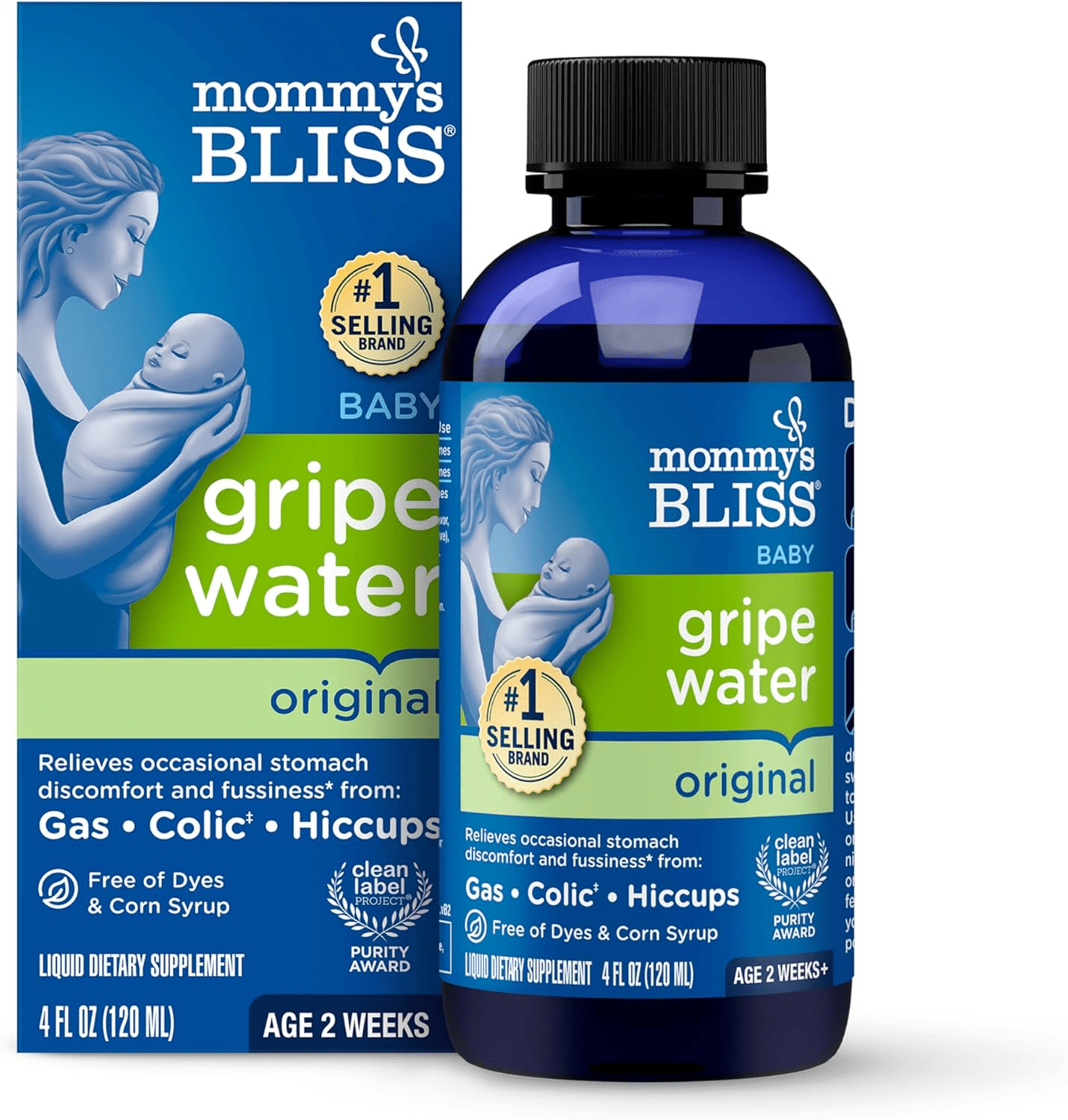
A clinician may occasionally discuss a specific product or ingredient. If that happens, use the exact product and dose the clinician names.
Before giving it:
- Read the complete ingredient list.
- Check the age range and serving size.
- Confirm that it contains no honey or alcohol.
- Avoid products with unclear or missing ingredients.
- Use the supplied oral syringe or measuring device.
- Never use a kitchen spoon for dosing.
- Check the expiration date and seal.
- Keep the product out of children’s reach.
- Stop and seek advice after a rash, swelling, vomiting, diarrhea, unusual sleepiness, or breathing problem.
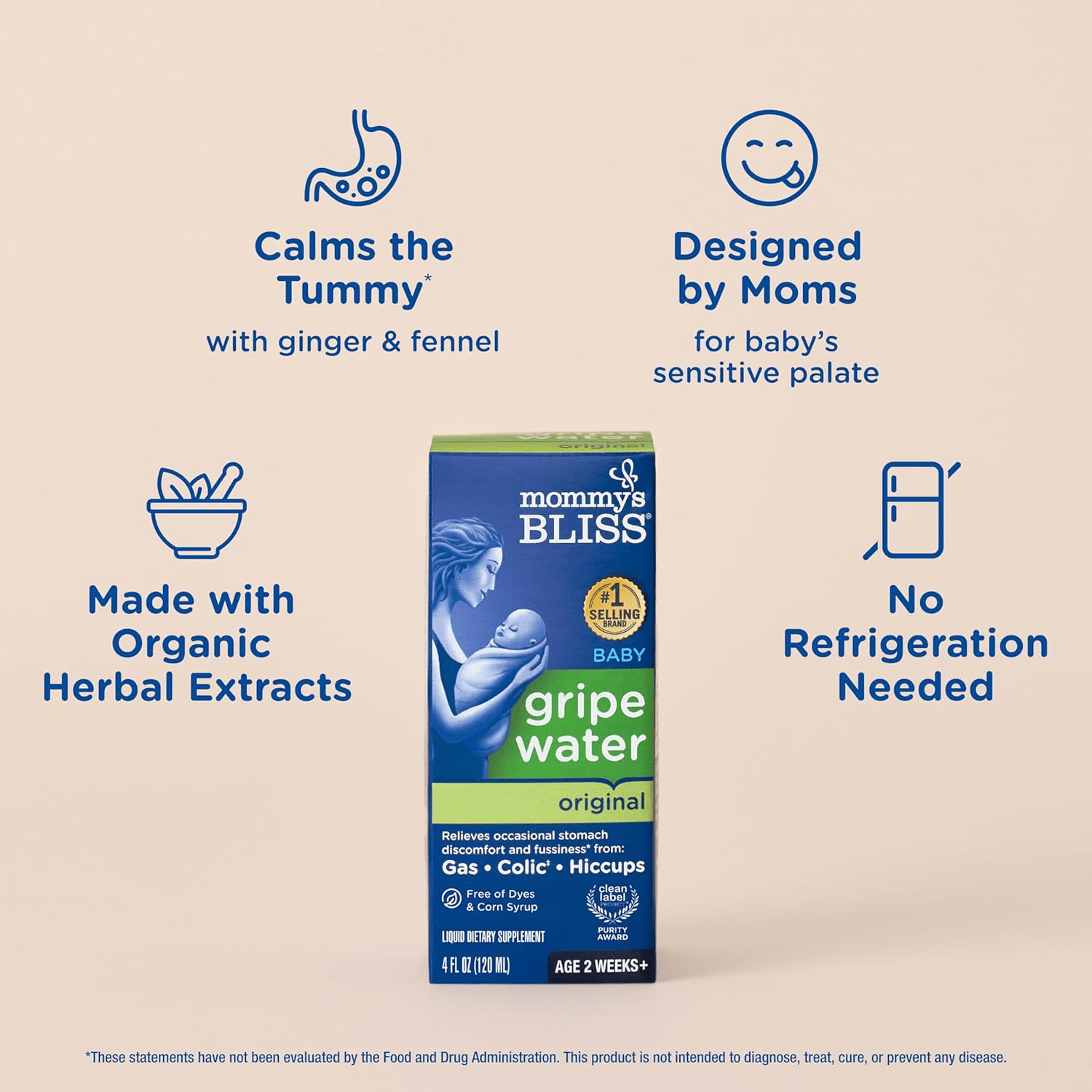
Do not rely on customer reviews or the word “organic” as proof of safety. Reviews describe personal experiences, not controlled evidence. Organic labeling also does not show that a product treats colic or is suitable for a newborn.

Common Mistakes to Avoid
Assuming all crying is gas
Newborn crying can come from hunger, tiredness, overstimulation, temperature, reflux, illness, or normal development. Gas is only one possible cause.
Using a household remedy
Do not give babies herbal tea, essential oils, sugar water, alcohol, honey, or homemade mixtures. A homemade product may have an unsafe dose or contamination that cannot be seen.
Changing formula without guidance
Switching formula again and again can make feeding harder to assess. Ask the baby’s clinician before changing formula, especially if there is vomiting, diarrhea, blood in the stool, or poor weight gain.
Treating reflux by changing sleep position
A baby with reflux must still sleep flat on the back on a firm, bare sleep surface. Do not use wedges, inclined sleepers, car seats for routine sleep, or stomach sleeping to manage spit-up.
Shaking a crying baby
If crying becomes too much, place the baby safely in the crib and ask another trusted adult for help. Crying can be exhausting, but shaking can cause severe brain injury or death.
Frequently Asked Questions
Is gripe water FDA-approved?
No. Gripe water is generally sold as a dietary supplement, not an FDA-approved drug for colic, gas, or reflux. The FDA does not approve dietary supplements for safety and effectiveness before they are sold in the same way it approves medicines.
Can gripe water cause diarrhea?
It can. Ingredients such as herbs, sweeteners, or other additives may upset a baby’s stomach. Diarrhea can also lead to dehydration, which is more serious in a newborn.
Does gripe water help with reflux?
There is no good evidence that gripe water treats infant reflux. Frequent spit-up may be normal, but forceful vomiting, green vomit, blood, breathing trouble, poor feeding, or poor weight gain needs medical assessment.
Can a breastfeeding parent take gripe water to help the baby?
Taking a product does not make it a proven treatment for the baby. Some ingredients may enter breast milk, and supplement safety varies. Ask a health professional before taking herbal products while breastfeeding.
What is the safest gas relief for a newborn?
The safest first step is to check feeding technique and ask the baby’s clinician for guidance. Burping, keeping the baby upright while awake, and using gentle movement may help. Do not give gas drops, gripe water, or other medicine without professional advice.
How long does newborn fussiness last?
Many babies have more crying in the first weeks, with crying often peaking near 6 weeks and easing by 3 to 4 months. That pattern does not explain every case. A new, severe, or unusual change should be discussed with the pediatrician.

Bottom Line: Is Gripe Water Safe for Newborns?
Gripe water is not a good routine choice for newborns. It has no proven benefit for colic or gas, and its ingredients vary. Some formulas may contain honey, alcohol, or other ingredients that can harm a young baby.
Use breast milk or properly prepared infant formula as directed. Try gentle comfort measures, and ask the pediatrician to assess ongoing crying or feeding trouble. If the baby has a fever, breathing problem, repeated vomiting, poor feeding, fewer wet diapers, or seems very ill, seek medical care promptly.