The best stroller depends on your child’s age, your daily routine, terrain, storage needs, and budget.
Choosing what type of stroller do I need is easier when you start with real life, not flashy features. A newborn in a city apartment needs a different stroller from an active family who walks on trails or travels often. This guide breaks down stroller types, safety needs, comfort, and practical tradeoffs so you can make a confident choice.
Start With Your Daily Routine
The best answer to what type of stroller do I need begins with how and where you will use it. Think about your normal week, not an ideal weekend. Your stroller should fit your home, car, sidewalks, errands, and child’s age.
Ask yourself these questions:
• Do you live in a city, suburb, or rural area?
• Will you use the stroller indoors, outdoors, or both?
• Do you use stairs, elevators, public transit, or a car?
• Do you need space for groceries, a diaper bag, or personal items?
• Will you have one child or twins close in age?
• Do you plan to jog or walk on rough trails?
• How often will you travel by plane?
A stroller is much like a pair of shoes. A sleek model may look great, but it will not help if it pinches, slips, or cannot handle your path. Comfort, fit, and purpose matter more than appearance.
For example, a compact stroller may be perfect for subway rides and small stores. It may feel less stable on gravel or grass. A large all terrain stroller may handle outdoor walks well but become difficult to lift into a small trunk.
Understand the Main Types of Strollers
Strollers come in several designs. Each one solves a different problem. Understanding the main types can quickly show you what type of stroller do I need.
Full size stroller
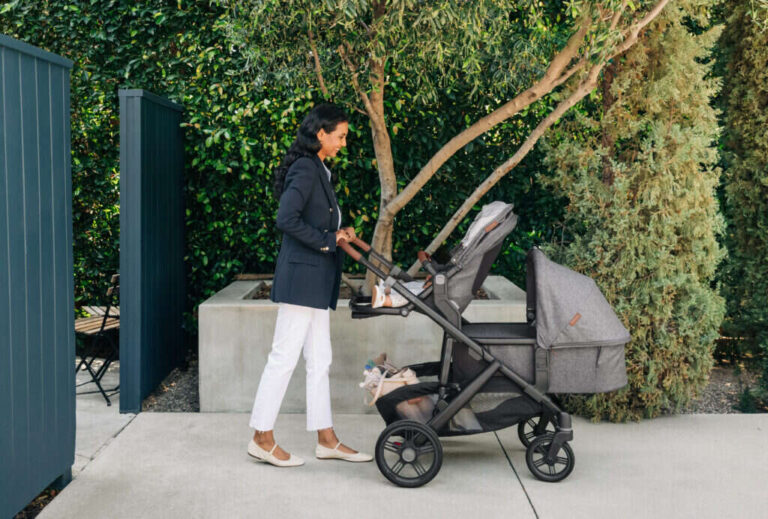
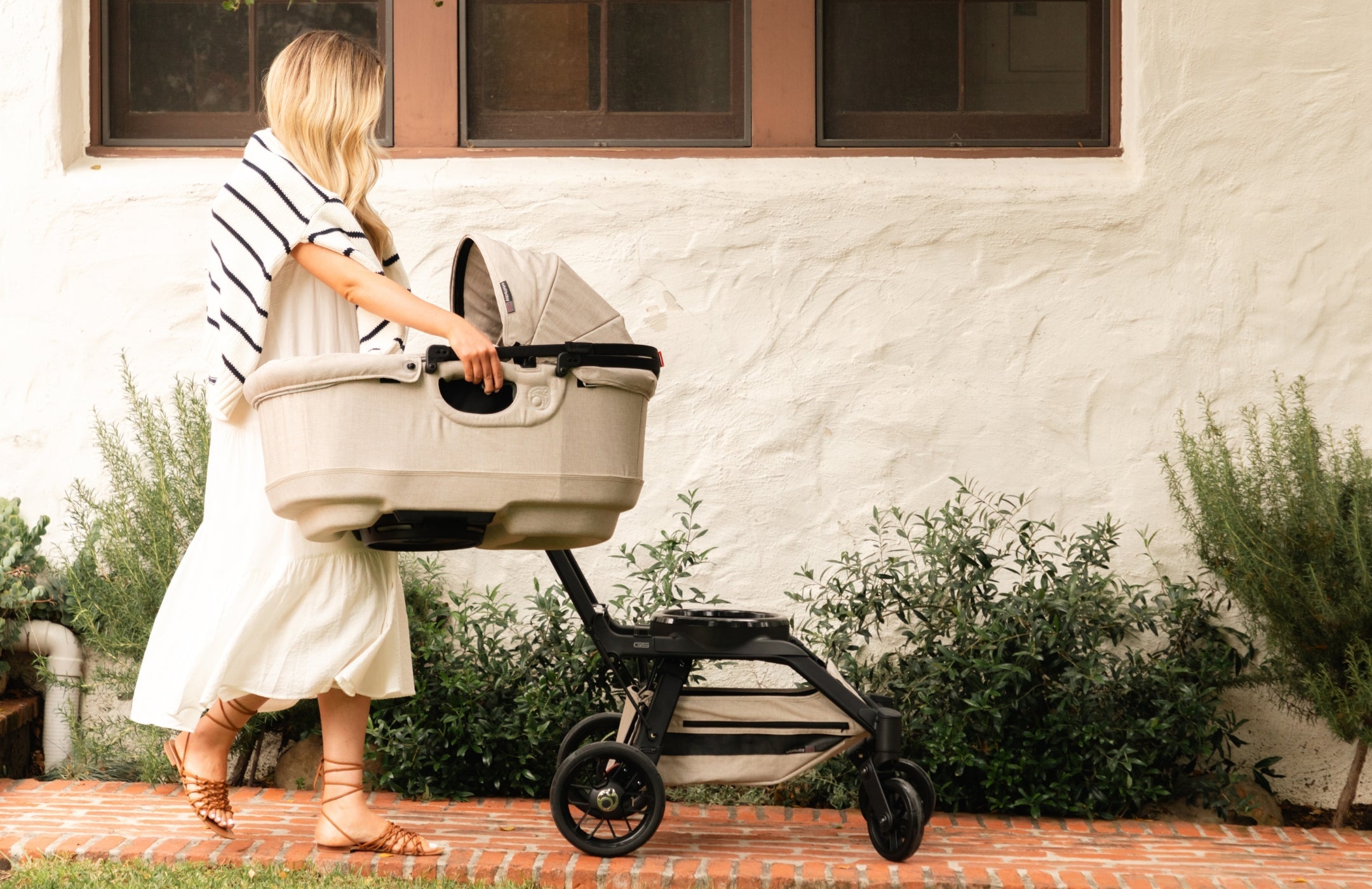
A full size stroller offers strong wheels, a roomy seat, a large basket, and more adjustment options. Many models include a deep recline, adjustable handlebar, adjustable footrest, and space for a newborn bassinet or infant car seat.
This type works well for daily use. It is often a good choice for families who want one stroller from infancy through the toddler years. The main drawback is weight. A full size stroller may be harder to carry up stairs or place in a small vehicle.
Lightweight stroller
A lightweight stroller is easy to lift, fold, and store. It works well for quick errands, older babies, toddlers, and travel. Some weigh less than 15 pounds, but weight varies by brand and design.
Lightweight does not always mean suitable for a newborn. Many models do not recline fully or support a young infant’s head and body. Always check the manufacturer’s age, weight, and recline instructions.
Travel stroller
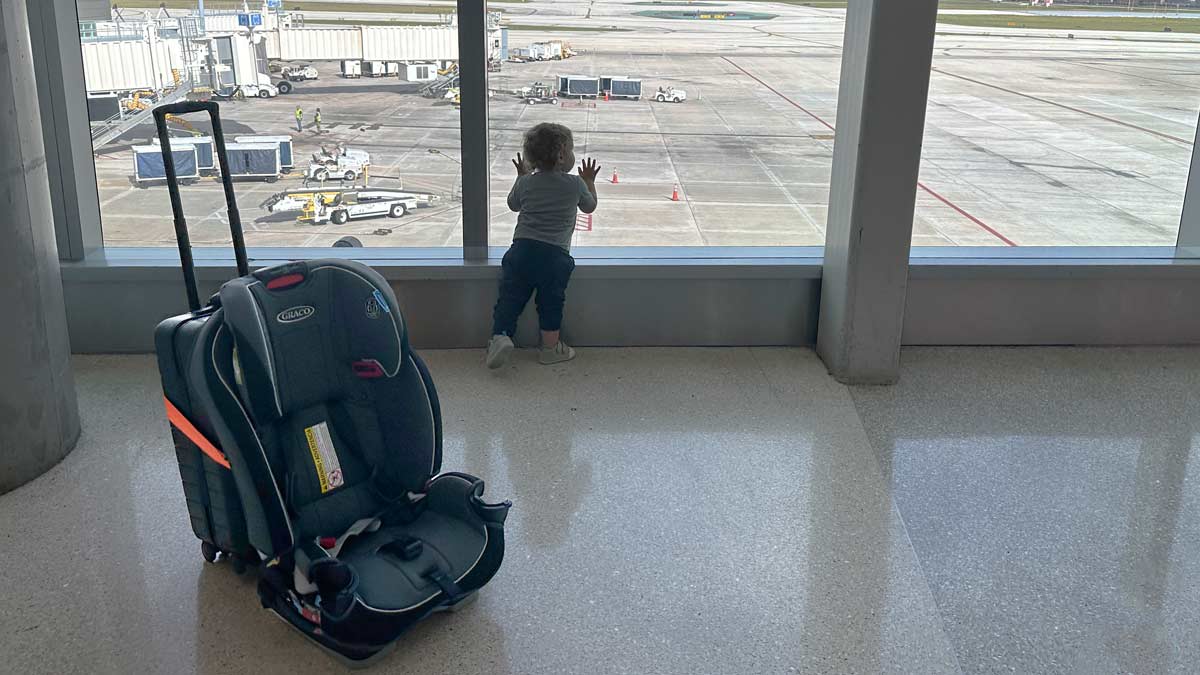
A travel stroller folds into a small shape and may fit in an airplane’s overhead bin, although airline rules differ. It is useful for vacations, public transit, and families with limited storage.
Travel strollers often have smaller wheels and less suspension. They may not roll smoothly over thick carpet, sand, snow, or broken sidewalks. If you travel often, check folded size, wheel quality, carry weight, and whether the stroller has a shoulder strap.
Travel system
A travel system combines a stroller with a compatible infant car seat. You can move a sleeping baby from the car to the stroller without taking the baby out of the seat.
This design is convenient during the first months. However, an infant car seat should not replace a flat, safe sleep surface. The American Academy of Pediatrics advises moving a sleeping baby from a sitting device to a firm, flat sleep surface as soon as practical.
Jogging stroller
A jogging stroller usually has larger air filled or rubber tires, strong suspension, and a fixed or lockable front wheel. These features improve control on paths and uneven ground.
Most jogging strollers are not designed for newborns unless the manufacturer approves a compatible bassinet or infant insert. Many experts recommend waiting until a baby has good head and neck control before running with the stroller. Follow the exact instructions for your model.
All terrain stroller
An all terrain stroller handles grass, gravel, packed dirt, and uneven sidewalks better than a basic city stroller. It usually has larger wheels, stronger suspension, and a sturdy frame.
It may be heavier and wider than other options. Before buying one, measure your doors, elevator, car trunk, and storage space. A stroller that cannot fit through your front door is not a practical daily stroller.
Umbrella stroller
An umbrella stroller folds in a long, narrow shape and is often inexpensive. It is useful as a backup stroller for toddlers and short trips.
It usually has limited padding, a small basket, and fewer adjustment options. Many umbrella strollers are not suitable for babies who cannot sit upright without support.
Double stroller
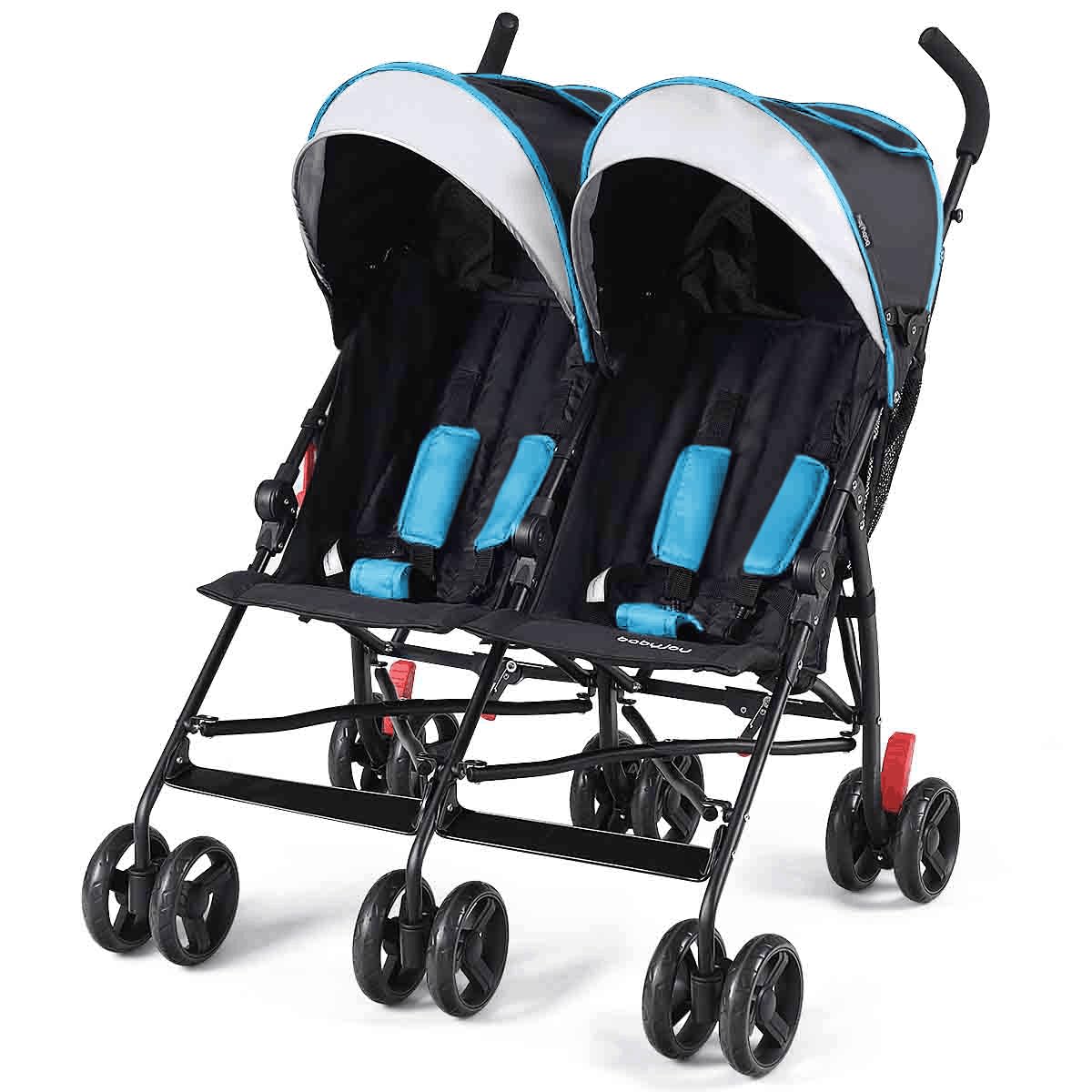
A double stroller carries two children. Tandem models place one seat behind the other, while side by side models place the children next to each other.
Tandem strollers fit through narrow doors more easily, but they may be long and harder to turn. Side by side strollers often offer equal seating space and better balance, but their width can create problems in stores and older buildings.
Match the Stroller to Your Child’s Age
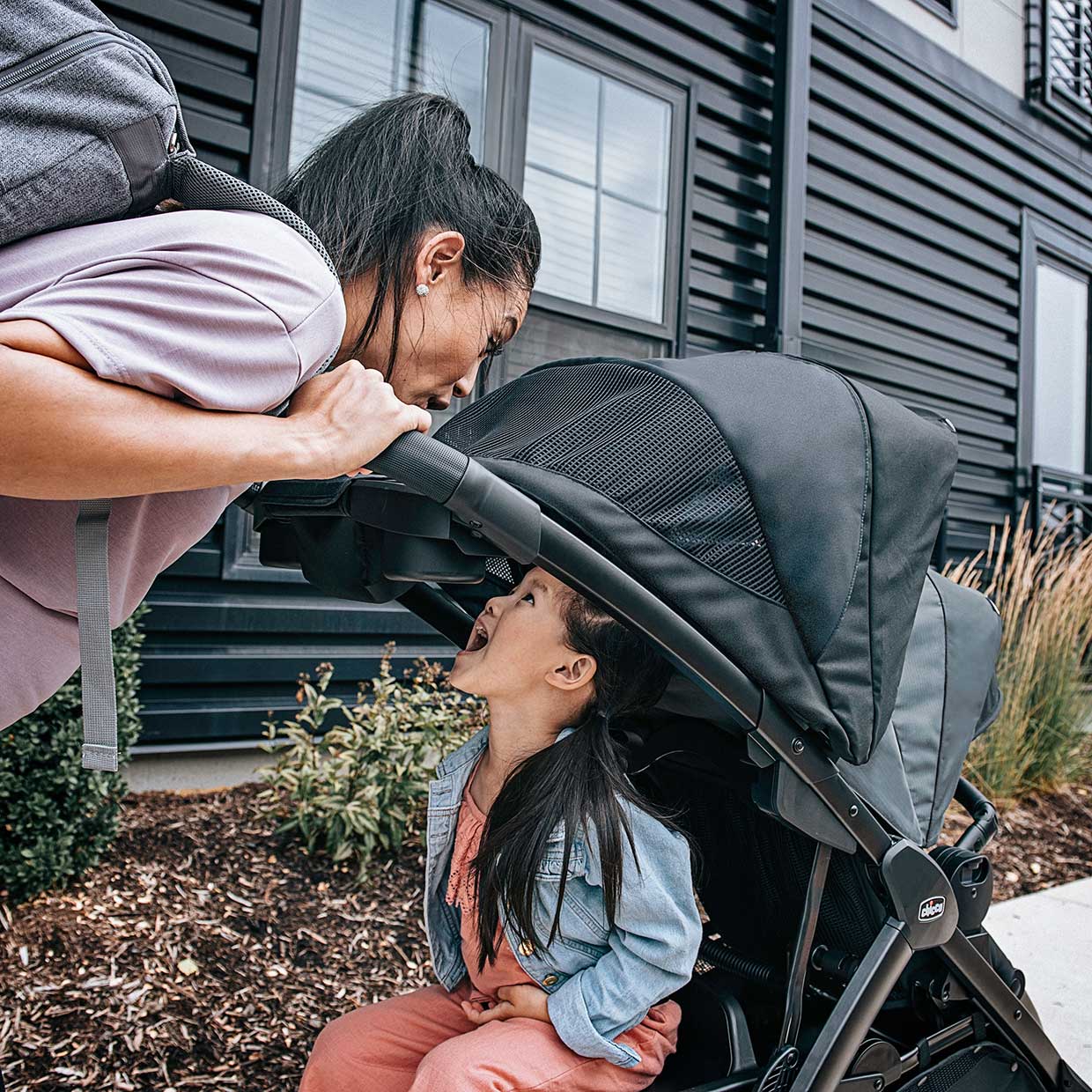
Your child’s age and development are central to what type of stroller do I need. A newborn has different support needs from a confident toddler.
Newborn to about six months
Young babies need strong head and neck support. Look for one of these options:
• A fully flat bassinet approved for sleep or supervised stroller use
• A stroller seat that reclines fully and is approved for newborns
• A compatible infant car seat used according to the stroller instructions
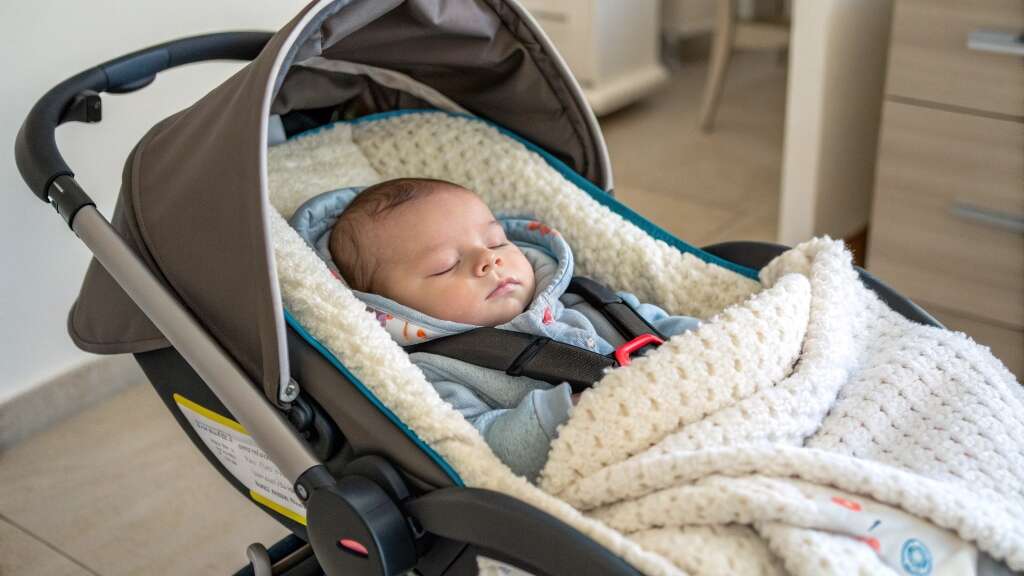
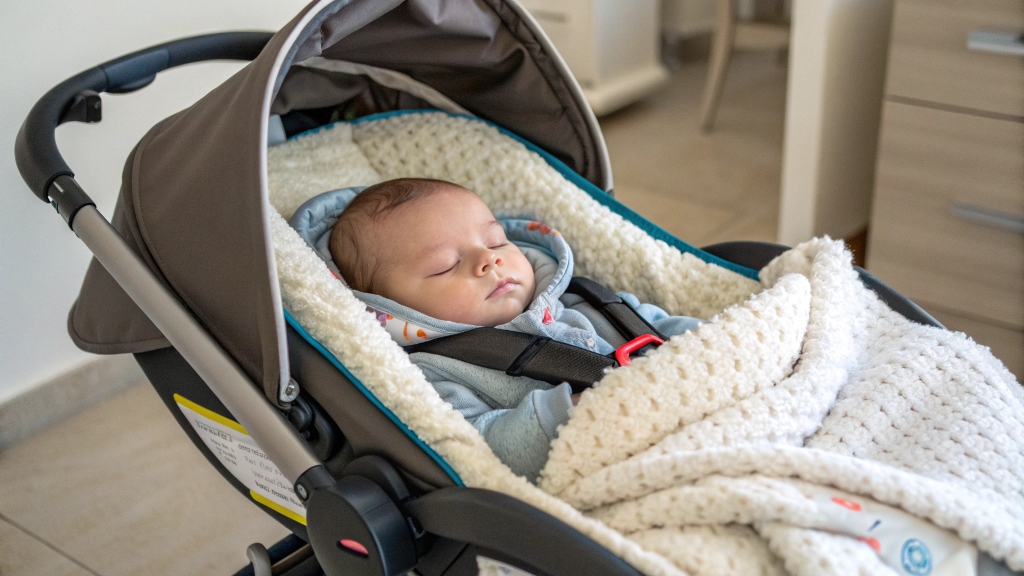
Do not place a newborn in a stroller seat that keeps the baby’s chin pressed toward the chest. Poor positioning can affect breathing. Check the fit often, especially if you use an insert or blanket.
About six months to toddler age
Once a baby can sit well and has steady head control, many stroller seats become suitable. A five point harness, adjustable footrest, sunshade, and comfortable recline can make daily trips easier.
Do not rely only on age labels. Babies develop at different rates. The manufacturer’s manual should guide the transition from a newborn configuration to a regular seat.
Toddler years
Toddlers need room to move, but they also need secure support. A roomy seat, high weight limit, strong brakes, and a simple harness are useful.
A standing board or ride on platform may help when an older child becomes tired. Check that the accessory is approved for your exact stroller. Unapproved attachments can affect balance and safety.
More than one child
If you expect another baby soon, a convertible or expandable stroller may offer long term value. Still, these models can be heavier and more complex than single strollers.
Consider the children’s ages, not only the number of seats. A newborn and a three year old may need different seat positions, weight limits, and levels of support.

Choose Based on Where You Live
Your surroundings can answer what type of stroller do I need better than any product description.
City families
City parents often need a stroller that turns quickly, fits through narrow spaces, and folds with little effort. A smaller frame, strong brakes, and a good sunshade are valuable on sidewalks and public transit.
Consider these features:
• Small turning radius
• One hand fold
• Compact folded size
• Good suspension for cracked sidewalks
• Easy access to the storage basket
• Reflective details for low light
A stroller that is too wide may be frustrating in coffee shops, elevators, buses, and older homes.
Suburban families
Suburban families often use a car for errands. Trunk space and folding speed may matter more than a very small frame.
Test the folded stroller in your vehicle before buying. Measure the trunk opening, not just the trunk floor. A stroller may fit inside but still fail to pass through the opening.
Rural and outdoor families
If you walk on dirt, gravel, grass, or trails, choose larger wheels and better suspension. An all terrain or jogging stroller may provide a smoother ride.
Avoid assuming that bigger wheels solve every problem. A wide frame, heavy weight, and air tires can create new challenges. Check how the stroller handles turns, slopes, and storage.
Families in small homes
When storage is limited, folded size becomes a major concern. Measure closets, hallways, entryways, and car space before shopping.
A compact stroller with a good recline may serve you better than a large model with features you rarely use. Store the stroller in a dry place and keep the folding area free of toys and loose fabric.

Think About Safety Before Features
Safety should come before cup holders, color, or a large basket. The Consumer Product Safety Commission recommends using stroller restraints and following the product instructions.
Look for these safety features:
• A secure five point harness
• A brake that engages firmly
• A wrist strap on jogging models
• A locking mechanism that prevents accidental folding
• A stable frame that does not tip easily
• No sharp edges or loose parts
• A seat that supports the child’s body
• Clear instructions and available replacement parts
Use the harness every time, even for a short walk. Children can slide, lean, or stand faster than many adults expect.
Always engage the brake before placing a child in or removing a child from the stroller. Do not hang heavy bags from the handlebar unless the manufacturer allows it. Extra weight can cause the stroller to tip backward.
Never leave a child alone in a stroller. A stroller is for transport, not unsupervised sleep. Keep the stroller away from stairs, pools, driveways, and hot surfaces.
Check for product recalls before buying a new or used stroller. A used stroller can be a good value, but confirm the model number, safety notices, harness condition, brakes, and frame integrity.
Compare the Features That Matter Most
The right features depend on your routine. More features do not always create a better stroller. They can add weight, cost, and repair needs.
Weight and folded size
Lift the stroller with one hand if possible. Imagine carrying it while holding a baby, diaper bag, and car keys.
Check both the stroller’s weight and its folded shape. A light stroller with an awkward fold may be harder to use than a slightly heavier stroller with a simple fold.
Wheels and suspension
Small wheels are often fine for smooth floors and sidewalks. Larger wheels and suspension perform better on uneven ground.
A lockable front wheel can improve control on rough paths. For everyday city use, a swivel front wheel may make tight turns easier.
Handlebar height
A handlebar that is too low or too high can strain your back and shoulders. If more than one adult will push the stroller, an adjustable handlebar may be worth the extra cost.
Take a short test walk in a store. Notice whether your feet hit the rear axle or your wrists bend at an uncomfortable angle.
Recline and footrest
A deep recline helps babies and sleeping toddlers rest. An adjustable footrest supports growing legs and may prevent feet from dragging.
Check whether the recline is easy to operate with one hand. A stiff mechanism can be difficult when you are holding your child.
Sun protection
A large canopy protects against bright sun and light rain. Look for a canopy with a peekaboo window, ventilation, and fabric that does not trap too much heat.
Do not cover the stroller with a loose blanket. It can reduce airflow and raise the temperature inside the stroller.
Storage
A large basket is useful, but access matters just as much as size. Test whether you can reach the basket when the seat is fully reclined.
Small pockets can hold keys, a phone, or snacks. A cup holder is convenient, but it should not interfere with folding or steering.

Decide Whether You Need One Stroller or Two
Many families ask what type of stroller do I need when one stroller cannot handle every situation. The answer may be one versatile model or a primary stroller plus a small travel stroller.
One stroller may be enough if you want:
• A simple routine
• Less storage clutter
• Lower total cost
• A model that works from infancy to toddlerhood
Two strollers may make sense if you need:
• A full size stroller for daily walks
• A lightweight stroller for travel
• A jogging stroller for exercise
• A backup stroller for another caregiver
A common mistake is buying a travel stroller too early because it looks convenient. Some compact models lack newborn support, basket space, or suspension. Another mistake is buying a huge all terrain stroller for a family that mainly uses elevators and public transit.
Start with the stroller you will use most. Add a second model only when a clear need appears.
Set a Realistic Budget
Stroller prices range from low cost basic models to premium systems. A higher price may provide better materials, stronger suspension, longer use, or improved service. It does not guarantee that the stroller fits your life.
Include these costs in your budget:
• Infant car seat or bassinet
• Rain cover
• Footmuff or cold weather accessory
• Parent organizer
• Replacement wheels or parts
• Travel bag
• Second seat or ride on board
Avoid buying accessories before checking compatibility. A product from the same brand may still fail to fit a particular model or production year.
A well maintained midrange stroller can serve a family for years. Clean the frame, inspect the harness, check the brakes, and follow the care instructions. Regular maintenance often matters more than a premium logo.
Test a Stroller Before You Buy
Online reviews can help, but a hands on test reveals problems that photos cannot show. If possible, visit a store and perform a short test.
Use this checklist:
-
Push the stroller with one hand.
-
Turn it around a tight corner.
-
Apply and release the brake.
-
Adjust the harness and recline.
-
Fold and unfold it several times.
-
Lift it into a car trunk or onto a shelf.
-
Check basket access with the seat reclined.
-
Place a diaper bag inside the basket.
-
Measure the width against your doors and elevator.
-
Read the age and weight limits.
Bring the person who will use the stroller most often. A stroller that feels manageable to one adult may be too heavy for another.
When helping parents compare models, I find that folding practice changes many buying decisions. A stroller can feel wonderful in a showroom but become frustrating after ten rushed folds in a parking lot. Practice the fold while imagining a real day with a tired child.
Mistakes to Avoid When Choosing a Stroller
Knowing common mistakes can make what type of stroller do I need much clearer.
• Buying for appearance instead of daily use. A stylish stroller may be too heavy, wide, or difficult to fold.
• Ignoring the child’s age. A seat that does not support a newborn is not a safe newborn option.
• Skipping measurements. Doorways, elevators, trunks, and closets can limit your choices.
• Adding too much weight to the handlebar. Heavy bags can change the stroller’s balance.
• Assuming all travel systems fit together. Car seats and strollers need specific compatibility.
• Choosing an unsuitable jogging stroller. A stroller designed for walking may not provide enough control for running.
• Forgetting replacement parts. Check whether wheels, buckles, and fabrics are available.
• Buying used without checking recalls. Confirm the model and inspect every safety part.
• Covering the stroller with a blanket. This can limit air movement and increase heat.
A stroller should reduce daily stress. If it creates extra steps every time you leave home, it is probably the wrong match.
A Simple Decision Guide
Use this guide when you still wonder what type of stroller do I need.
• Choose a full size stroller if you want one main stroller with comfort, storage, and long term use.
• Choose a lightweight stroller if you need easy lifting for errands and older children.
• Choose a travel stroller if you fly often or have very little storage.
• Choose a travel system if you want easy transfers between a car and stroller during infancy.
• Choose a jogging stroller if you run and the model is approved for your child’s age and size.
• Choose an all terrain stroller if you walk on grass, gravel, or uneven paths.
• Choose a double stroller if you regularly transport two children.
• Choose an expandable stroller if your family may grow and you accept extra weight.
If two options seem equal, choose the one that is easier to fold, lift, clean, and store. Those small tasks happen far more often than you may expect.
Frequently Asked Questions About What Type of Stroller Do I Need
What type of stroller is best for a newborn?
A newborn needs a flat bassinet, a newborn approved recline, or a compatible infant car seat used according to the instructions. A standard upright seat is not suitable unless the manufacturer clearly approves it for newborn use.
Do I need a travel system?
You may want a travel system if you often move your baby between a car and stroller. It is convenient, but it can be heavier and larger than a separate compact stroller and infant car seat.
What type of stroller is best for everyday use?
A full size stroller is often the best daily option because it offers comfort, storage, a strong frame, and room to grow. Families with small homes or frequent transit trips may prefer a lightweight or compact model.
Can I use a jogging stroller with a newborn?
Usually, you should not run with a newborn unless the stroller maker specifically approves a safe newborn setup. Most jogging strollers are intended for running after a baby has strong head and neck control.
Is a lightweight stroller safe?
A lightweight stroller can be safe when it meets current safety standards and is used within its age and weight limits. Check the harness, brakes, locking system, stability, and product recall history before buying.
Should I buy a double stroller before my second baby arrives?
Buy one before birth if you expect to transport both children often and need time to learn the controls. Consider the children’s age difference, the stroller’s newborn setup, folded size, and whether it fits your car and home.
How much should I spend on a stroller?
Spend enough to meet your child’s safety and comfort needs and your daily transport needs. A more expensive stroller is not automatically better, so compare fit, function, warranty, and replacement parts.
Conclusion
The answer to what type of stroller do I need depends on your child’s age, your daily routes, storage space, vehicle, and future plans. Full size, lightweight, travel, jogging, all terrain, and double strollers each serve a clear purpose.
Focus first on safety, newborn support, fit, folding, wheels, and weight. Test the stroller in person when possible, measure your home and car, and choose the model that makes everyday life easier. Explore trusted product manuals and safety updates, then share your stroller questions or experience in the comments.