Babies begin sensing that mom is separate around 4 to 6 months, with clearer self-awareness developing between 18 and 24 months.
Understanding when do babies realize they are separate from mom can make clingy phases, crying at drop-off, and mirror play feel much less confusing. Infant development is gradual, not a single “aha” moment. Research on attachment, object permanence, and self-recognition helps explain what your baby may understand at each stage—and how you can support that growth with warmth and patience.

When do babies realize they are separate from mom?
When do babies realize they are separate from mom? The best answer is that awareness develops in steps.
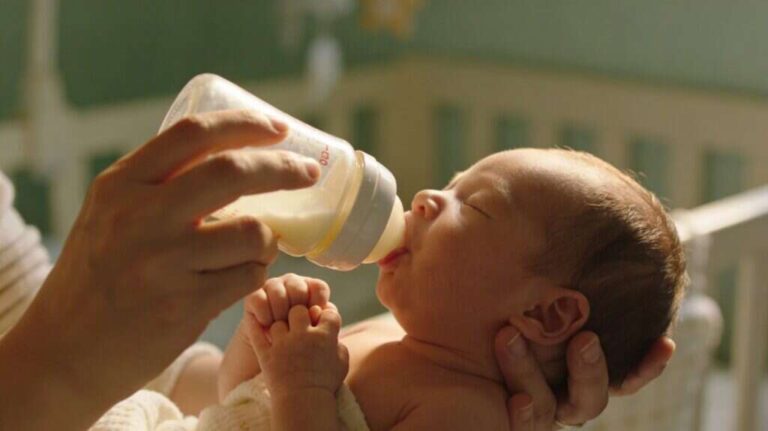
Newborns do not yet have a clear sense of themselves as separate people. Their bodies, needs, and feelings are closely tied to the person who feeds, holds, comforts, and protects them. Mom’s voice, smell, warmth, and touch help make the world feel safe.
By about 4 to 6 months, many babies start to notice that mom can move away and return. They may look toward her when she leaves the room or become excited when she comes back. This does not mean they fully understand “Mom is a separate person,” but it shows growing awareness of people and distance.
Between 6 and 9 months, babies often show stronger reactions when a parent leaves. They may cry, crawl after Mom, or reach toward her. At this stage, babies are also developing object permanence—the understanding that a person or object still exists even when hidden from view.
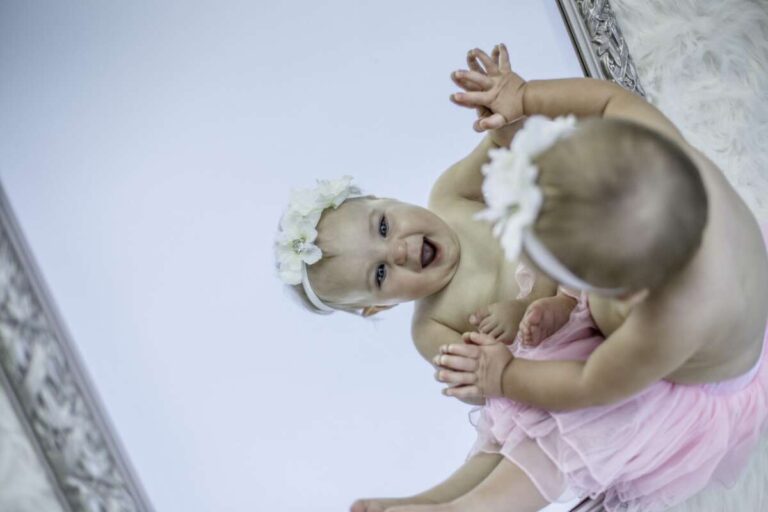
A more complete sense of self develops over the toddler years. Many children begin to recognize themselves in a mirror between 18 and 24 months. This is one sign that they understand their body as their own and are building a separate identity.
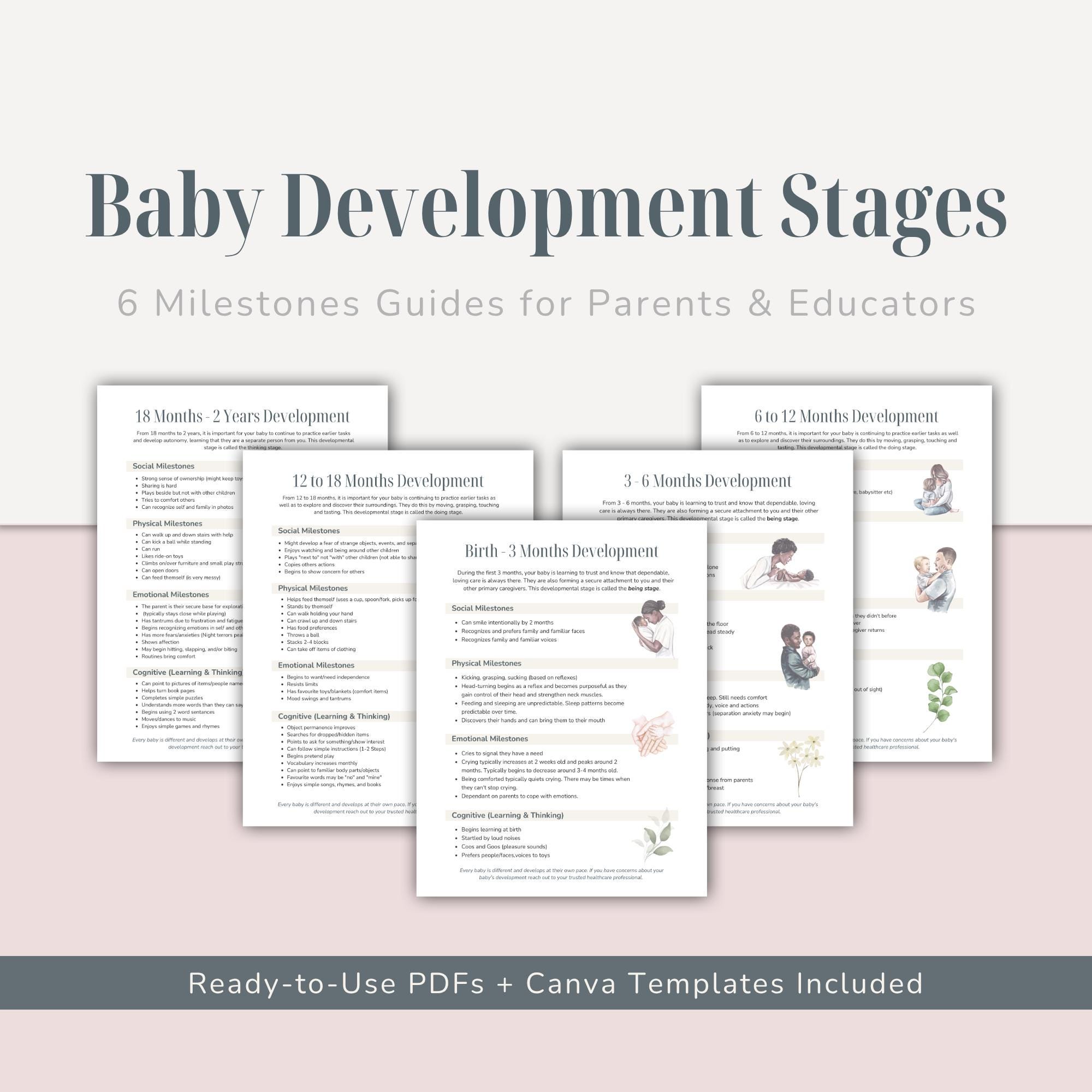
A simple developmental timeline
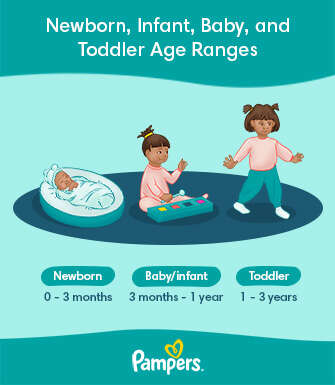
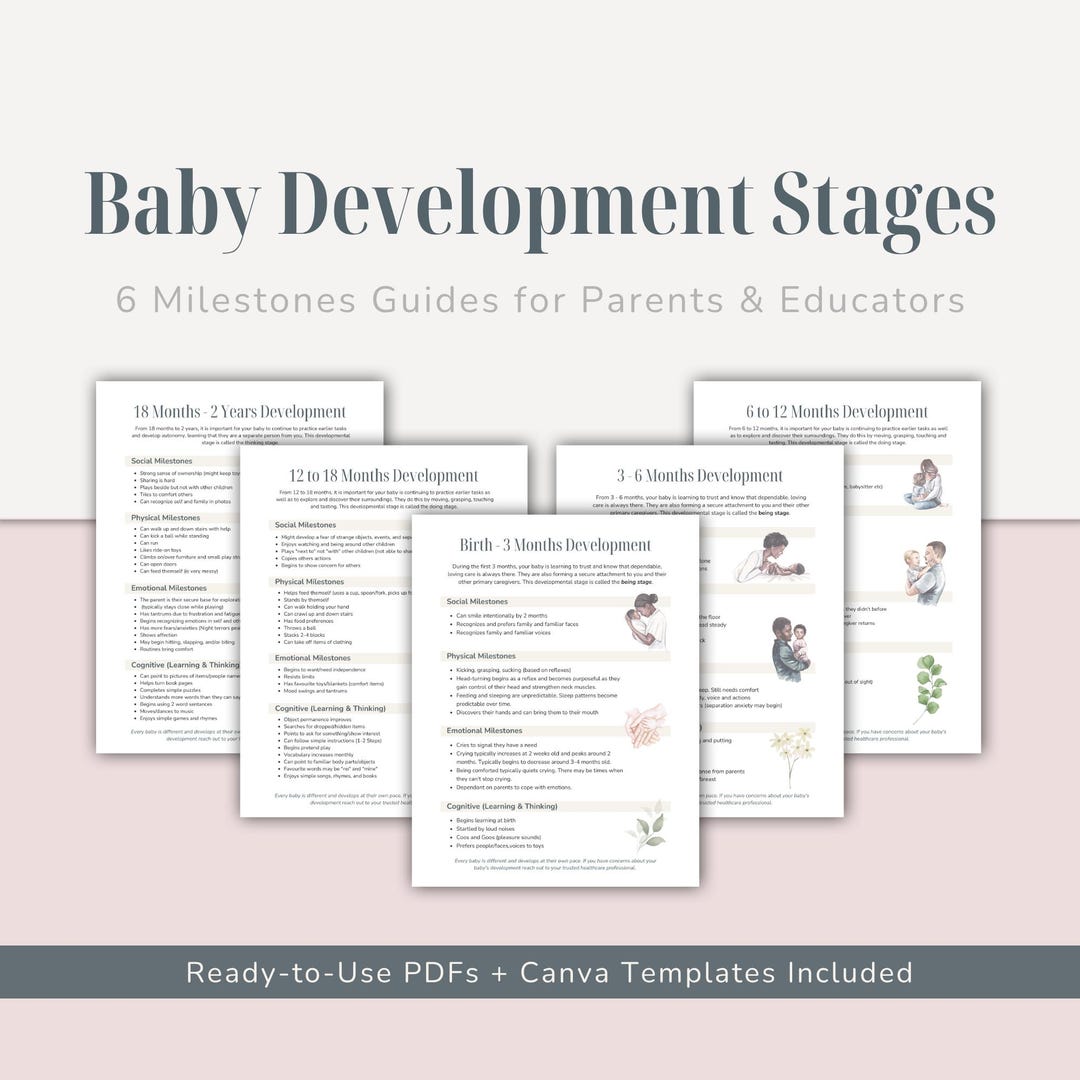
• Birth to 3 months: Babies experience comfort and distress but have little sense of a separate self.
• 4 to 6 months: Babies notice familiar people, study faces, and begin to understand that Mom can move away.
• 6 to 9 months: Separation anxiety and stranger anxiety may appear as memory and attachment grow.
• 9 to 18 months: Babies explore more while checking that Mom remains nearby.
• 18 to 24 months: Many toddlers show mirror self-recognition and stronger personal preferences.
• Around age 2 and beyond: Children increasingly use words such as “me,” “mine,” and “I” to express independence.

Why newborns seem to feel like part of mom
To understand when do babies realize they are separate from mom, it helps to look at early brain development.
During pregnancy, a baby depends on the mother for oxygen, nutrients, and physical support. After birth, that dependence continues in a new form. A newborn still needs another person to regulate body temperature, hunger, sleep, stress, and comfort.
This is sometimes described as emotional co-regulation. A baby cannot calm alone in the early months. Your steady voice, gentle touch, and familiar smell help settle the baby’s nervous system.
Newborns also have limited control over their bodies. Their movements may be sudden and unplanned. They do not yet understand that a hand belongs to them or that they can cause a toy to move. Their early world is felt more than it is explained.
This does not mean a newborn has no individual personality. Babies show differences in alertness, sensitivity, activity, and temperament from the start. However, a newborn’s sense of “me” is still very basic and tied closely to caregiving.
What babies notice first
Babies usually learn through repeated sensory experiences. They may notice:
• Mom’s voice and rhythm of speech
• A familiar scent
• The feel of her arms
• Her facial expressions
• The pattern of feeding and sleep
• The difference between familiar and unfamiliar caregivers
These details become emotional landmarks. They help a baby build an inner sense that certain people are safe and reliable.
The role of object permanence
Object permanence is a key part of understanding when do babies realize they are separate from mom.
Object permanence means knowing that someone or something still exists when it cannot be seen. A young baby may act as though a toy has disappeared when you cover it with a blanket. Later, the baby will search for it or pull the blanket away.
This skill also applies to people. In early infancy, Mom may seem to vanish when she leaves the room. As memory grows, the baby begins to understand that Mom is still somewhere, even though she is out of sight.
Peekaboo is popular because it gives babies safe practice with this idea. Your face disappears, then returns. With repetition, the baby learns that separation can be temporary.
Peekaboo does not teach a baby everything about separation. It simply gives the brain a small, playful lesson. Real understanding develops through many daily experiences.
Signs object permanence is growing
Your baby may:
• Search for a toy hidden under a cloth
• Look toward the door after Mom leaves
• Crawl or walk to find a familiar caregiver
• Smile or vocalize when Mom returns
• Protest when a favorite person leaves
• Remember where a toy was placed
These behaviors can look demanding, but they often show healthy memory and attachment. The baby is learning that people matter and that absence feels different from presence.
Separation anxiety and what it really means
Parents often ask when do babies realize they are separate from mom after seeing separation anxiety.
Separation anxiety commonly begins between 6 and 9 months. It may become stronger during the second year, especially when a child is tired, sick, hungry, or facing a new place.
A baby may cry when Mom leaves because the baby remembers her, prefers her, and does not yet understand when she will return. This is not manipulation. It is a normal response from an immature nervous system.
Separation anxiety can actually reflect progress. The baby has formed a strong attachment and can remember a caregiver who is not in the room. At the same time, the child still needs help managing fear and waiting.
What separation anxiety does not mean
Separation anxiety does not prove that a child has a complete adult-like sense of self. It also does not mean you caused insecurity by holding your baby too much.
It usually does not mean your baby is spoiled. Babies cannot plan distress to control a parent. They are expressing a real need for safety and support.
The intensity can vary. Some babies cry loudly, while others become quiet and watchful. Temperament, past experiences, sleep, health, and changes in routine can all affect the response.
How to make separations easier
• Use a short, calm goodbye.
• Tell your baby where you are going in simple words.
• Keep your promise to return when possible.
• Leave with a trusted caregiver.
• Practice brief separations at home.
• Avoid disappearing without saying goodbye.
• Bring a familiar blanket or toy if it is safe and age appropriate.
• Ask the caregiver to offer a favorite activity after you leave.
A calm goodbye can feel hard at first. Yet sneaking away may make the baby more alert because the child cannot predict when you might disappear.

How babies build a separate sense of self
When do babies realize they are separate from mom is closely linked to body awareness, movement, and social learning.
During the first year, babies learn through their bodies. They discover that kicking can move a mobile, reaching can bring a toy closer, and crying can bring a caregiver. These repeated cause-and-effect lessons help babies understand that they are active participants in the world.
Mobility brings another major change. Crawling and walking let babies move away from Mom by choice. They can explore a room, then return for reassurance. This pattern is sometimes called “secure-base behavior.”
A baby may crawl toward a toy, look back at Mom, explore again, and then climb into her lap. The child is not choosing between independence and attachment. Both needs are working together.
Toddlers develop a clearer identity through language and choice. They may say “no,” resist help, insist on choosing clothes, or claim a toy as “mine.” These behaviors can be tiring, but they show a growing sense of control and individuality.
Mirror self-recognition
Mirror play offers one clue about self-awareness. A child who touches a mark on their own forehead after seeing it in a mirror may understand that the reflection represents their own body.
Many children show this skill between 18 and 24 months, but the timing varies. Mirror recognition is only one part of self-awareness. A child may know their name, preferences, and body before passing a formal mirror test.
When do babies realize they are separate from mom during daily life?
When do babies realize they are separate from mom may be easier to understand through ordinary moments than through a strict age chart.
For example, a 7-month-old may watch Mom walk into the kitchen and then cry when she disappears. The baby may not understand time or distance, but memory tells the child that Mom is absent.
A 12-month-old may explore a family room while checking Mom’s location every few seconds. The child is learning, “I can move away, and Mom is still there if I need her.”
An 18-month-old may point to a photo and identify Mom, recognize their own reflection, and protest when a parent chooses the wrong cup. These behaviors show stronger memory, identity, and personal preference.
A 2-year-old may say “I do it” while pushing away help. This is a clear sign of growing independence, even though the child still needs comfort and close support.
These examples are not strict rules. Developmental ranges overlap, and children may show one skill early and another later.
A practical way to observe development
Watch for three types of change:
• Awareness: Does your baby notice when you leave or return?
• Memory: Does your baby search for people or objects that are out of sight?
• Agency: Does your baby act with purpose, make choices, or show ownership of actions?
Together, these behaviors give a fuller picture than any single milestone.

How parents can support healthy separation
Parents often worry that independence means less closeness. In healthy development, the opposite is often true. A secure relationship gives babies a safe base from which to explore.
Try these simple practices:
-
Respond consistently. You do not need to respond perfectly every time. Reliable care over time matters more than perfection.
-
Name what is happening. Say, “Mom is going to the kitchen. I will come back.” Your baby will not understand every word at first, but the calm pattern builds familiarity.
-
Encourage safe exploration. Stay close while your baby crawls, reaches, or walks. Let the child return to you without pressure.
-
Use predictable routines. Similar steps before daycare, bedtime, or a visit can reduce surprise.
-
Let trusted adults build relationships. A baby can form strong attachments with a second parent, grandparent, or caregiver.
-
Stay calm during reunions. Offer warmth without making the separation seem dangerous.
-
Respect your baby’s temperament. Some children need more time, while others approach new people quickly.
One lesson many parents learn is that pushing independence too fast can create more distress. A child who is ready to explore usually does so more freely when a trusted adult remains available.
What to avoid
• Long, emotional goodbyes
• Teasing a baby for crying
• Forcing contact with unfamiliar people
• Comparing your baby with another child
• Treating normal clinginess as bad behavior
• Expecting a young infant to self-soothe for long periods
Gentle support does not make a child dependent forever. It helps the child build confidence at a pace the developing brain can manage.
When should parents seek advice?
When do babies realize they are separate from mom has a wide normal range, so one unusual behavior rarely gives a complete answer.
Talk with your pediatrician if your baby loses skills they once had, shows very little response to familiar people, or seems consistently disconnected from faces, voices, and social interaction. Also seek advice if separation distress is so intense that it prevents eating, sleeping, childcare, or everyday activities for a long period.
A missed milestone does not automatically signal a problem. Premature birth, hearing or vision differences, illness, temperament, and family circumstances can affect development.
Your pediatrician can review the child’s full history and use a developmental screening tool. The American Academy of Pediatrics recommends routine developmental screening during early childhood, with additional screening when concerns arise.
Trust your instincts, but avoid diagnosing from online milestone lists. A professional can separate a normal variation from a pattern that needs support.
FAQ: When do babies realize they are separate from mom?
Do newborns know that Mom is a different person?
Newborns respond to Mom’s voice, smell, touch, and face, but they do not yet have a mature sense of themselves as separate. Their early experience is closely tied to physical care and emotional regulation.
At what age do babies notice when Mom leaves?
Many babies begin noticing separation around 4 to 6 months, with stronger reactions often appearing between 6 and 9 months. The timing varies based on temperament, memory, development, and daily experience.
Does separation anxiety mean my baby understands they are separate from me?
Separation anxiety shows that a baby recognizes and remembers a trusted caregiver. It reflects attachment and growing object permanence, but it does not mean the child has a fully developed self-concept.
When do babies recognize themselves in a mirror?
Many children begin showing mirror self-recognition between 18 and 24 months. Some children show it earlier or later, and mirror recognition is only one sign of developing self-awareness.
Can holding my baby too much delay independence?
No. Warm, responsive care does not usually delay independence. A secure relationship can give a baby the confidence to explore, return for comfort, and gradually manage short separations.
How can I help my baby handle separation?
Use brief, calm goodbyes, keep routines predictable, and leave the baby with a trusted caregiver. Avoid sneaking away, and offer comfort when you return without making the separation seem frightening.
Conclusion
When do babies realize they are separate from mom has no single answer. Early awareness may begin around 4 to 6 months, separation anxiety often appears between 6 and 9 months, and clearer self-recognition commonly develops between 18 and 24 months.
Your baby learns through repeated moments: you leave, you return, your baby explores, and you remain a safe base. Respond with patience, use predictable routines, and allow independence to grow alongside connection. If you have concerns about your child’s development or lost skills, speak with your pediatrician and continue learning from trusted child development resources.