At around 6 months, many babies begin to cry when a parent leaves the room or a new caregiver picks them up. This can be normal. In the United States, the American Academy of Pediatrics (AAP) and the Centers for Disease Control and Prevention (CDC) describe attachment, stranger wariness, and changes in social behavior as common parts of early development.
The best response is not to avoid every separation. Instead, help your baby learn that you leave, stay safe, and come back. Use short practice separations, a calm goodbye, and a steady routine. Never leave a baby in an unsafe place or ignore signs of illness, pain, or severe distress.
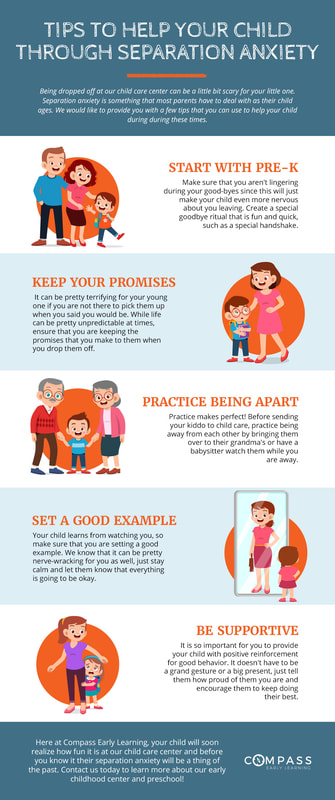
What Is Separation Anxiety at 6 Months?
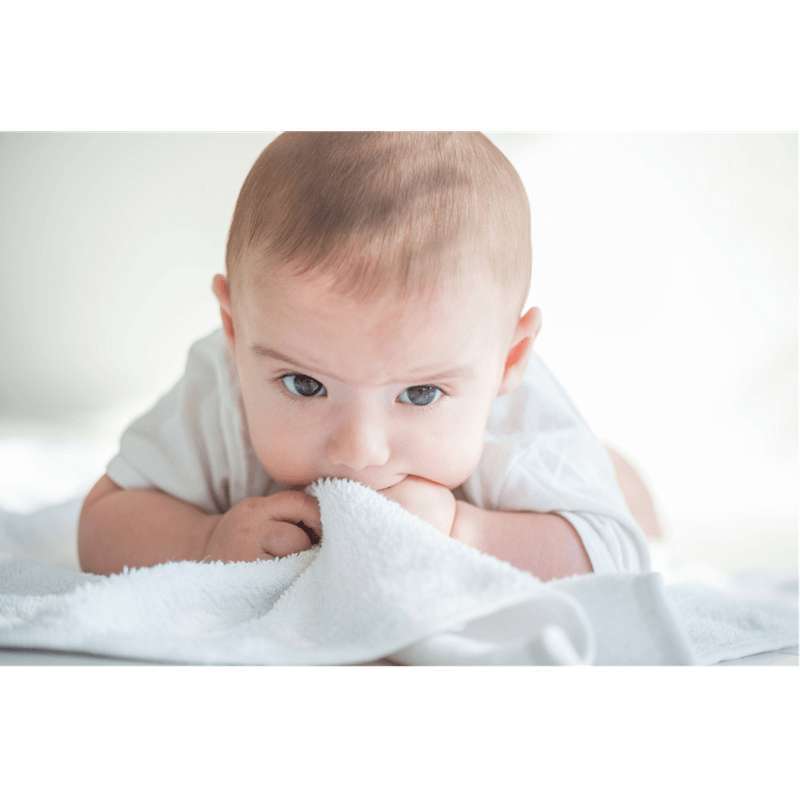
Separation anxiety is a baby’s distress when a familiar caregiver leaves or moves out of sight. It may show as crying, reaching, clinging, turning away from others, or waking more often at night.
At 6 months, some babies show early signs of separation anxiety. Others develop stronger reactions later, often between 8 and 12 months. There is a wide normal range.
Your baby may be starting to understand that you still exist when you are not in view. However, your baby does not yet understand time well. A short absence can feel very long.
Separation anxiety does not mean that you have spoiled your baby. It often reflects a strong bond and a growing awareness of familiar people.
Common signs
A 6-month-old with normal separation anxiety may:
- Cry when you leave the room
- Reach for you when another adult holds them
- Calm more quickly with a familiar caregiver
- Watch the door after you leave
- Become upset during bedtime
- Wake and cry for you at night
- Act shy around unfamiliar adults
- Need extra comfort during illness, travel, or a routine change
Some babies show little distress at this age. That does not mean they lack a bond with their parents.

How to Deal With 6-Month-Old Separation Anxiety
Use brief, predictable practice separations and respond with calm confidence. The goal is to build trust without forcing your baby to handle more than they can manage.
1. Start with very short separations
Begin when your baby is fed, rested, and calm. Leave the room for 10 to 30 seconds. Then return with a warm, relaxed response.
You can say:
“I’m going to the kitchen. I’ll be right back.”
Your baby will not understand every word yet. The steady tone and repeated pattern still help.
As your baby adjusts, slowly increase the time. Move from seconds to a few minutes. There is no need to rush.
2. Practice with a familiar caregiver
Ask a trusted adult to spend time with your baby while you remain nearby. The caregiver might play, talk, or offer a bottle if that fits your baby’s routine.
At first, stay in the room. Then step away briefly. Later, leave the home for a short period.
This works best when the caregiver uses the same basic routines your baby knows at home.
3. Keep goodbyes short and clear
A long goodbye can make the moment harder. Give one calm hug, use the same phrase, and leave.
Try:
“You are safe. Grandma is with you. I’ll be back after your nap.”
Avoid sneaking away. Your baby may seem calmer for a moment, but surprise departures can make future separations harder. Your baby may begin to watch you closely because they do not know when you will disappear.
4. Return when you said you would
At 6 months, your baby cannot track clock time. Still, predictable returns help create a pattern.
If you say you will return after a nap, return after the nap when possible. For short practice sessions, return before your baby becomes overwhelmed.
Trust grows through many small experiences:
- You leave.
- A safe adult stays.
- Your baby receives care.
- You return.
5. Use a familiar routine
A simple routine can lower stress. For example:
- Feed your baby.
- Change the diaper.
- Tell your baby who will stay.
- Give a brief hug.
- Use the same goodbye phrase.
- Leave calmly.
Keep the routine flexible. A routine should support your baby, not become a strict test that creates more pressure.
6. Let your baby warm up
Do not pass your baby quickly to a new person if your baby is frightened. Ask the caregiver to sit nearby and speak softly.
You can hold your baby while the caregiver plays. Then allow your baby to move toward the caregiver when ready.
Some babies need several visits before they feel comfortable. That is not a failure.
7. Stay calm during the handoff
Babies notice facial expression, voice, and body tension. You do not need to hide all emotion. Aim for a steady, reassuring handoff.
If you look frightened or repeatedly return after leaving, your baby may learn that separation is dangerous. A calm goodbye sends a different message: “This is hard, but it is safe.”
8. Offer comfort without creating unsafe sleep habits
Comfort your baby when needed. You can hold, rock, feed, sing to, or gently soothe your baby according to your family’s routine.
For sleep, follow safe-sleep guidance from the AAP:
- Place your baby on their back for every sleep.
- Use a firm, flat sleep surface.
- Keep pillows, blankets, bumpers, and stuffed toys out of the sleep space.
- Room-share without bed-sharing when possible.
- Move a sleeping baby from a couch, armchair, or adult bed to a safe sleep surface.
A comfort object may help some older babies, but keep loose items out of the crib for infants. Ask your child’s doctor when a specific item is safe.

A Simple Separation Practice Plan
A gradual plan can help you see what your baby can manage. Use this as a flexible example, not a fixed rule.
| Stage | What to try | When to move on |
|---|---|---|
| 1 | Stay nearby while a trusted caregiver plays | Your baby can watch the caregiver without becoming very upset |
| 2 | Step into another room for 10–30 seconds | Your baby begins to recover after you return |
| 3 | Leave for 1–3 minutes | Your baby can stay with the caregiver for a short time |
| 4 | Leave the home for 5–15 minutes | Your baby settles with the caregiver |
| 5 | Try a longer visit or childcare period | Short separations are becoming more predictable |
If your baby cries, do not assume the practice failed. Crying is communication. Look at how long the crying lasts, whether the caregiver can comfort your baby, and whether your baby recovers after you return.
If your baby becomes frantic, shorten the next practice session. Try again later when your baby is rested.
Choose the best time
Separation is often harder when your baby is:
- Hungry
- Tired
- Sick
- Teething
- Overstimulated
- In a new place
- Adjusting to a new caregiver
- Recovering from travel or a family change
Practice after a feed and rest when possible. You cannot prevent every difficult moment, but timing can make the task easier.
What success looks like
Success does not always mean no tears. Useful signs include:
- Your baby calms with the caregiver
- Crying lasts for less time
- Your baby accepts comfort from another trusted adult
- Your baby can play after you leave
- Bedtime becomes less difficult
- Your baby recovers soon after you return
Progress may go backward during illness, travel, or a developmental change. This is common.

Separation Anxiety at Night
Night waking can increase when a baby becomes more aware of separation. Your baby may wake, notice that you are not nearby, and cry for help.
Start with the basics. Check for hunger, illness, a wet diaper, discomfort, temperature problems, or a change in sleep routine. A baby who suddenly wakes much more often may need comfort because something is wrong, not only because of separation anxiety.
Use a quiet, boring response at night. Keep the lights low. Speak softly. Avoid turning the wake-up into playtime.
You can offer brief comfort and place your baby back on a safe sleep surface. The right approach depends on your baby, feeding pattern, health, and family needs. Ask your pediatrician before changing night feeds, especially if your baby has growth concerns or medical needs.
Do not use pillows, weighted sleep products, loose blankets, or positioners to make your baby feel less alone. These products can create safety risks.

Separation Anxiety and Child Care
A new child-care setting can cause more crying, even when your baby is healthy and securely attached. Plan a gradual introduction when the center or caregiver allows it.
Before the first full day:
- Visit the setting with your baby.
- Share your baby’s feeding and sleep patterns.
- Tell the caregiver how your baby shows hunger, tiredness, and distress.
- Share the words, songs, or routines your baby knows.
- Ask how the caregiver handles crying.
- Confirm who may pick up your baby.
- Provide emergency contacts and medical information.
Ask the caregiver to send brief updates according to the center’s policy. Frequent checking may reassure you, but repeated calls can also make the transition harder for some families.
A caregiver should never shake, hit, yell at, or handle a crying baby roughly. If a caregiver says they feel unable to cope, they should place the baby on their back in a clear crib and get help immediately.
What Not to Do
Some common responses can make separation harder or create safety problems.
Do not disappear without warning
Sneaking away may reduce the goodbye, but it can weaken your baby’s sense of predictability. Use a brief goodbye instead.
Do not force contact with strangers
A baby does not need to be passed around to “get used to people.” Let your baby observe and warm up at their own pace.
Do not punish crying
Crying is not manipulation at 6 months. It is your baby’s main way to communicate fear, hunger, pain, fatigue, or a need for comfort.
Do not keep practicing when your baby is overwhelmed
A little protest can be normal. Prolonged, intense distress means the step may be too hard right now. Shorten the separation and try again later.
Do not ignore possible illness
Ear infections, reflux, constipation, fever, eczema, teething pain, and other problems can look like clinginess. A sudden change deserves attention.
Do not compare babies
One baby may smile at a new caregiver. Another may cry for several visits. Temperament, sleep, health, experience, and family routines all affect the response.

When to Call Your Baby’s Pediatrician
Call your pediatrician if separation distress is severe, sudden, or linked with other symptoms. In the United States, your child’s primary care clinician can help assess development, feeding, sleep, and health.
Seek medical advice if your baby:
- Has a fever or seems ill
- Cries as if in pain
- Eats much less than usual
- Has fewer wet diapers
- Is unusually sleepy, weak, or difficult to wake
- Vomits repeatedly
- Has trouble breathing
- Stops using skills they previously had
- Cannot be comforted for long periods
- Has a major and lasting change in sleep or behavior
Get urgent help for trouble breathing, blue or gray lips, a seizure, severe injury, extreme weakness, or a baby who is difficult to wake. Call 911 in the United States for an emergency.
You can also ask for help if your own stress is becoming too high. Place your baby safely on their back in an empty crib, step away for a few minutes, and call a trusted person. Never shake a baby.

How Long Does Separation Anxiety Last?
There is no exact timeline. Separation anxiety may come and go through the second year of life. It often rises during illness, travel, a move, a new sibling, a new caregiver, or a change in sleep.
Many babies handle separations better as they gain memory, language, and a stronger sense of routine. They learn that a parent can leave and return.
The aim is not to remove every tear. The aim is to help your baby feel safe with trusted caregivers and recover after a short separation.

Key Takeaways
- Separation anxiety can begin around 6 months, although timing varies.
- It usually reflects growing attachment and awareness, not spoiled behavior.
- Start with short separations when your baby is fed and rested.
- Use the same brief goodbye and return routine.
- Let your baby warm up to new caregivers.
- Crying does not always mean the plan failed; watch recovery and comfort.
- Check for illness, pain, hunger, and fatigue when distress changes suddenly.
- Follow AAP safe-sleep guidance every time.
- Call your pediatrician for severe, sudden, persistent, or medically concerning symptoms.
Frequently Asked Questions
Is separation anxiety normal at 6 months?
Yes. Some babies begin showing separation or stranger anxiety around 6 months. Others show it later. Normal development varies, so the intensity and timing are not the same for every baby.
Should I leave my 6-month-old alone to stop separation anxiety?
Do not leave your baby in an unsafe place or use prolonged isolation as a training method. Short, planned separations with a trusted caregiver can help your baby practice. Return if your baby becomes overwhelmed, and try a shorter period later.
Should I sneak out when my baby is distracted?
Usually, no. A short, calm goodbye is more predictable than disappearing. Use the same phrase each time, then leave without repeatedly coming back.
How can I help my baby bond with a babysitter?
Let the babysitter visit while you are present. Have the sitter talk, play, feed, or comfort your baby while you stay close. Then practice brief departures and slowly increase the time when your baby begins to settle.
Why does my baby cry when I leave but smile when I come back?
Your baby may be showing both distress and trust. The crying signals that your baby noticed your absence. Smiling, reaching, or calming when you return can show that your baby expects comfort from you.
Does separation anxiety mean my baby has an insecure attachment?
No. Separation distress alone does not diagnose an attachment problem. Many securely attached babies cry when a parent leaves. A pediatrician or qualified child-development professional should assess broader patterns if you have concerns.
Sources and U.S. Guidance
This guide is consistent with information from these U.S. health and child-development organizations:
- American Academy of Pediatrics: HealthyChildren.org
- American Academy of Pediatrics: Safe Sleep Recommendations
- Centers for Disease Control and Prevention: Developmental Milestones
- National Institute of Child Health and Human Development: Safe to Sleep
- U.S. Consumer Product Safety Commission: Infant Sleep Safety

Conclusion
The best way to deal with 6-month-old separation anxiety is to offer calm, repeated practice. Begin with short separations, use a trusted caregiver, keep goodbyes brief, and return as promised. Comfort your baby while keeping sleep and physical safety first.
If the distress is sudden, extreme, linked with illness, or difficult for your family to manage, contact your pediatrician. Most babies gradually learn that separation is temporary and that the people who care for them come back.