
Most babies can face forward around six months, once they sit well and meet the stroller’s safety rules.
Knowing when do you turn stroller around is more than a matter of comfort or curiosity. The right time depends on your child’s head control, sitting skills, age, stroller design, and the maker’s instructions. This guide explains how to make the change safely, what signs to watch for, and why some babies may benefit from facing you longer.
When Do You Turn Stroller Around?
Most parents turn a stroller seat around at about 6 months. This is often when babies have stronger neck control and can sit upright with little help.
However, age is only a guide. The stroller manual is the final authority because each model has different limits. Some stroller seats are approved for newborns when used rear-facing or with a bassinet. Others are not safe until a baby is at least 6 months old.
When do you turn stroller around? Use this checklist:
• Your baby can sit upright with steady head and neck control.
• Your baby does not slump to one side in the seat.
• Your baby meets the stroller’s minimum age and weight rules.
• The seat can lock firmly in the forward-facing position.
• Your baby seems ready for more views and interaction with the world.
A baby who still has a weak neck or rounded posture should usually continue facing the parent. Facing you gives more support and lets you spot signs of tiredness, hunger, or discomfort quickly.

Why Babies Often Face Parents First
Parent-facing, or rear-facing, stroller use helps you stay connected with your baby. You can make eye contact, talk, smile, and check your baby without stopping the stroller.
This position can also help limit visual overload. Busy sidewalks, bright stores, loud streets, and large crowds may feel intense to a young baby. Your face can act like a calm anchor in a busy world.
Facing the parent is not only about bonding. It also makes it easier to monitor:
• Breathing and head position
• Sun exposure
• Temperature and sweating
• Hunger or tiredness
• Signs of illness or distress
Many caregivers find that babies sleep more easily while facing them. Others prefer the forward-facing view once their babies become curious and active. Both positions can be useful at different stages.
When do you turn stroller around if your baby loves looking out? You can make the change when your baby has the required skills, even if that happens later than 6 months. Readiness matters more than pressure from other parents.
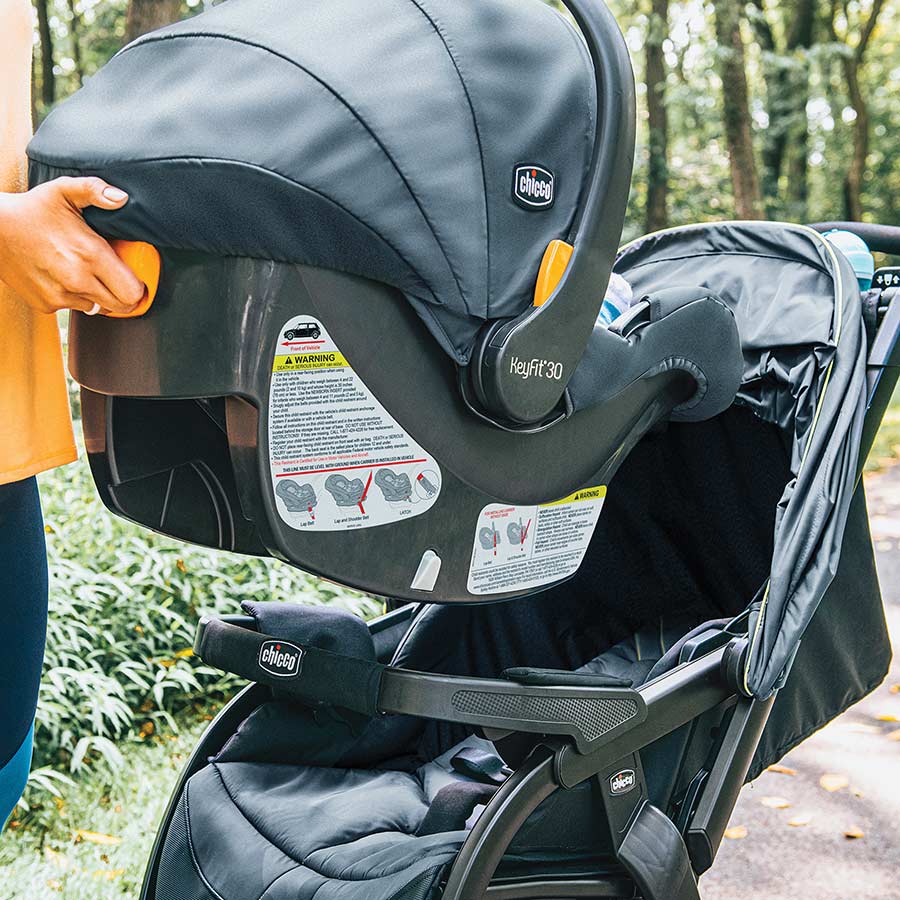
The Main Signs Your Baby Is Ready
A baby may be ready for a forward-facing stroller seat when several signs appear together. Do not rely on one sign alone.
Strong head and neck control
Your baby should hold the head upright without wobbling or dropping forward. This skill is important because a poorly supported head can affect comfort and breathing.
Stable sitting
Your baby does not need to sit perfectly alone in every case, but the stroller’s instructions may require independent sitting. Check the manual closely. Some seats need a baby to sit without support before facing forward.
A good fit in the seat
The harness should sit correctly across the shoulders and hips. Your baby should not slide down, lean heavily, or curl into an unsafe position.
Interest in the outside world
Babies often show readiness by turning toward sounds, watching people, and trying to see beyond the stroller canopy. Curiosity is a helpful sign, but it does not replace physical readiness.
The correct stroller setting
Some strollers recline fully and support young infants. Others have a more upright seat made for older babies. Confirm that the seat is approved for forward-facing use before changing it.
When do you turn stroller around? Turn it when your baby has both physical readiness and a safe stroller setup. Waiting a few extra weeks is usually better than making the change too soon.

Age Guidelines for Turning a Stroller Forward
There is no single age that applies to every stroller. Still, these age ranges offer a useful starting point.
Birth to about 4 months
Young infants often need a flat or deeply reclined position. They usually lack the neck and trunk strength needed for an upright forward-facing seat.
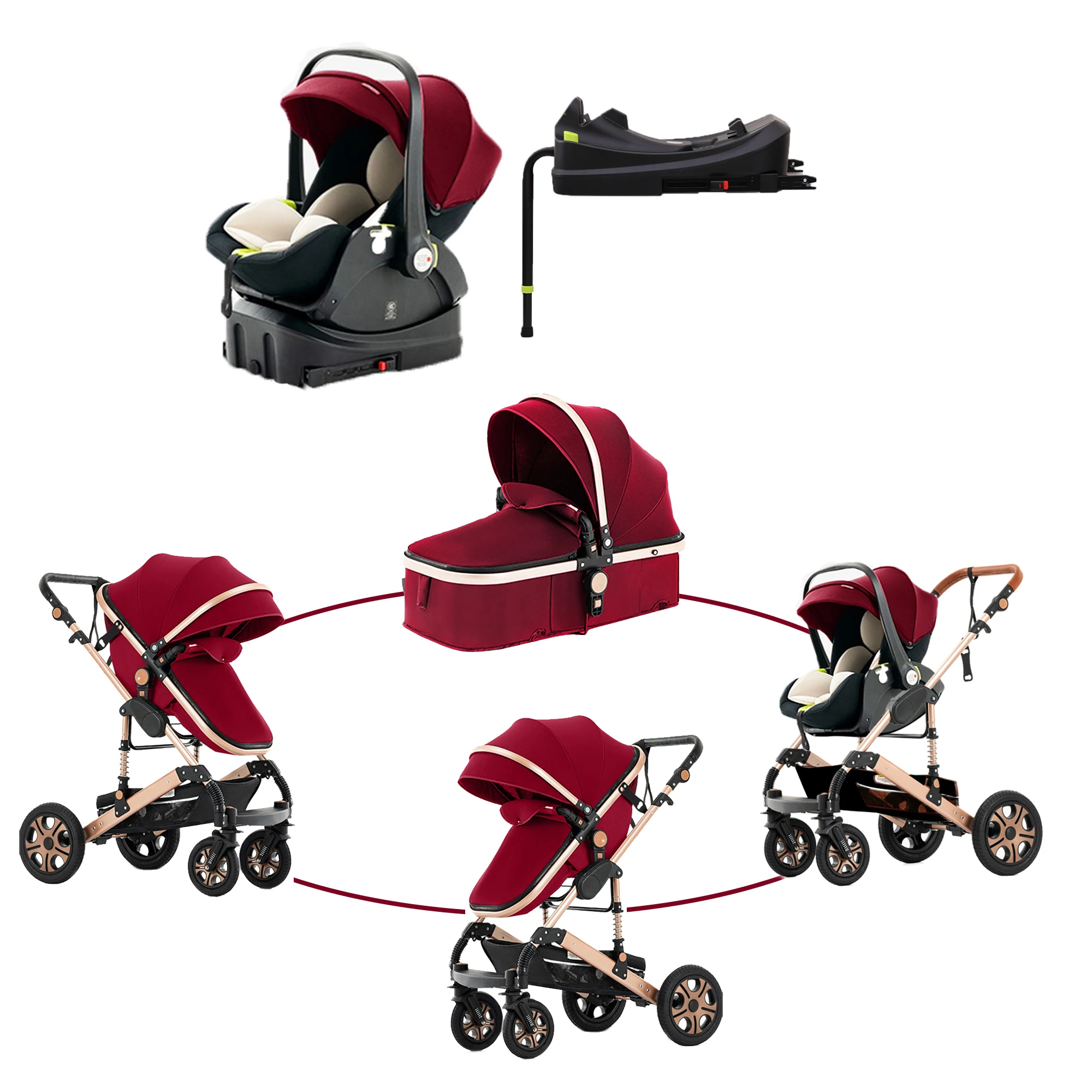
A bassinet, approved infant insert, or parent-facing infant mode may be safer. Never place a newborn in a seat that the manufacturer does not approve for newborn use.
About 4 to 6 months
Some babies gain strong head control during this stage. Even so, many are not ready for a fully upright forward-facing seat.
Use the exact instructions for your stroller. A seat that reclines for a young baby may still need to face the parent.
About 6 months and older
Many babies can begin facing forward around 6 months. This is only appropriate when the baby meets the seat’s age, weight, height, and development rules.
Some babies are ready at 6 months. Others need more time. When do you turn stroller around? Let the manufacturer’s limits and your child’s posture guide the decision.
Toddler stage
Toddlers often enjoy facing forward because they want to watch cars, dogs, people, and trees. They may also want to climb in and out, so use the harness every time the stroller moves.
How to Turn the Stroller Around Safely
Once your baby is ready, make the change while the stroller is still. A rushed adjustment can lead to a loose connection or a missed lock.
Follow these steps:
Read the stroller manual before changing the seat.
Park on a flat surface and apply the brake.
Remove your baby before reversing the seat.
Release the seat using the correct buttons, levers, or adapters.
Turn the seat toward the front without forcing the frame.
Listen for the locking click.
Pull gently on the seat to check that it is secure.
Place your baby inside and adjust the five-point harness.
Check that the shoulders, hips, and chest clip are positioned correctly.
Take a short walk in a safe area before using the stroller for a long trip.
Never assume a click means the seat is locked. A gentle pull test is a simple habit that can catch a poor connection.
When do you turn stroller around? Do it only after the seat is correctly attached and your baby’s harness fits snugly. The stroller should feel solid, with no unusual movement or loose parts.
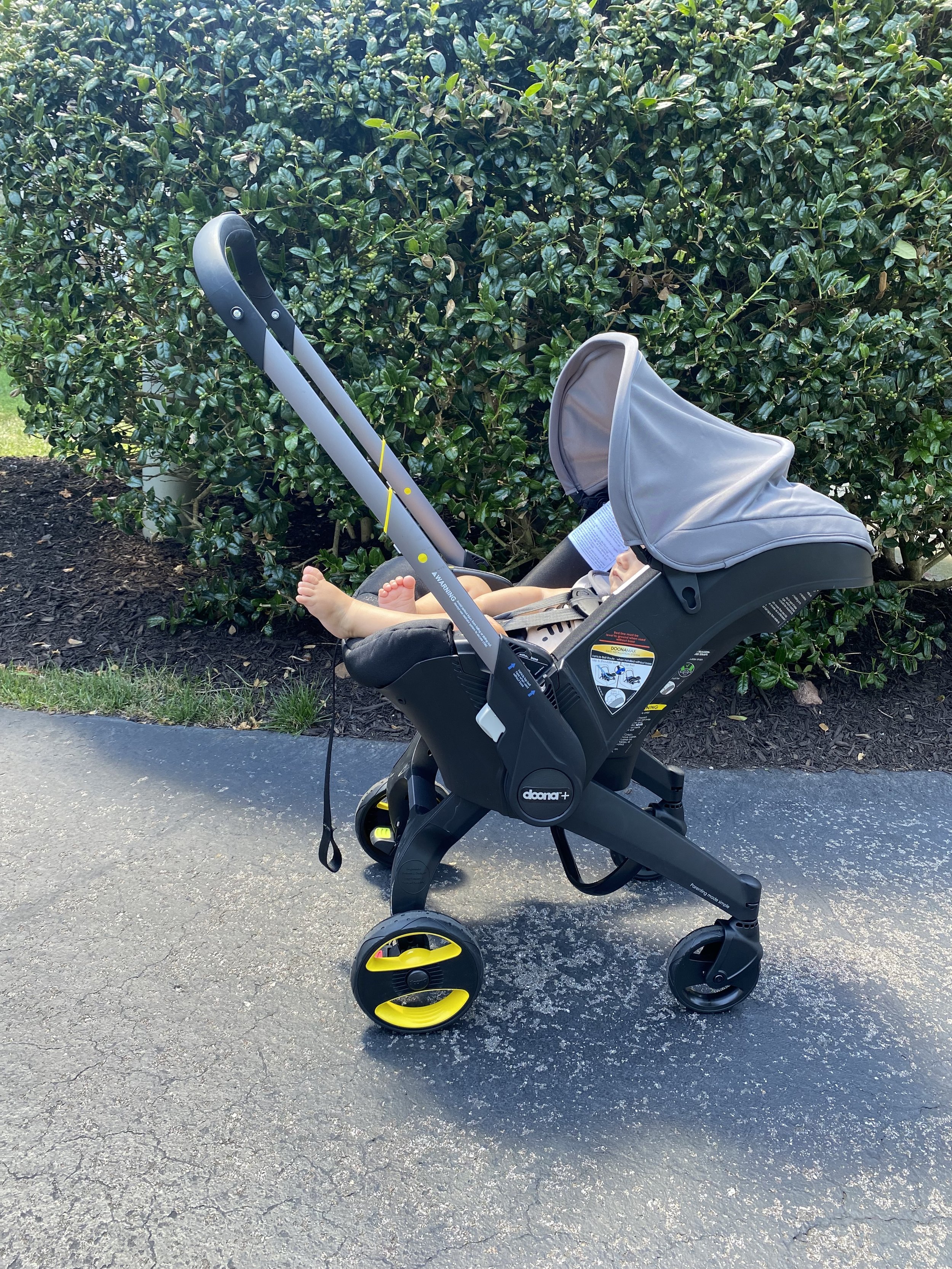
Forward-Facing Stroller Safety Tips
Forward-facing travel gives your child a wider view, but it also changes how you monitor them. The stroller may move away from your line of sight, especially in crowds.
Keep these safety habits in place:
• Use the five-point harness on every ride.
• Keep small toys, snacks, and loose blankets away from the baby’s face.
• Use the brake whenever you stop.
• Do not hang heavy bags from the handlebar unless the stroller allows it.
• Keep the stroller away from stairs, curbs, pools, and moving traffic.
• Use the canopy for shade, but do not cover the stroller with a blanket.
• Check your baby often in busy or hot areas.
• Follow the stroller’s weight and height limits.
The American Academy of Pediatrics warns against using a stroller as a routine sleep space. If your baby falls asleep during a walk, monitor the position and move the baby to a safe sleep surface when you arrive.
A forward-facing stroller can also expose a child to more sun and wind. Dress your baby for the weather, use approved shade features, and avoid the hottest part of the day when possible.
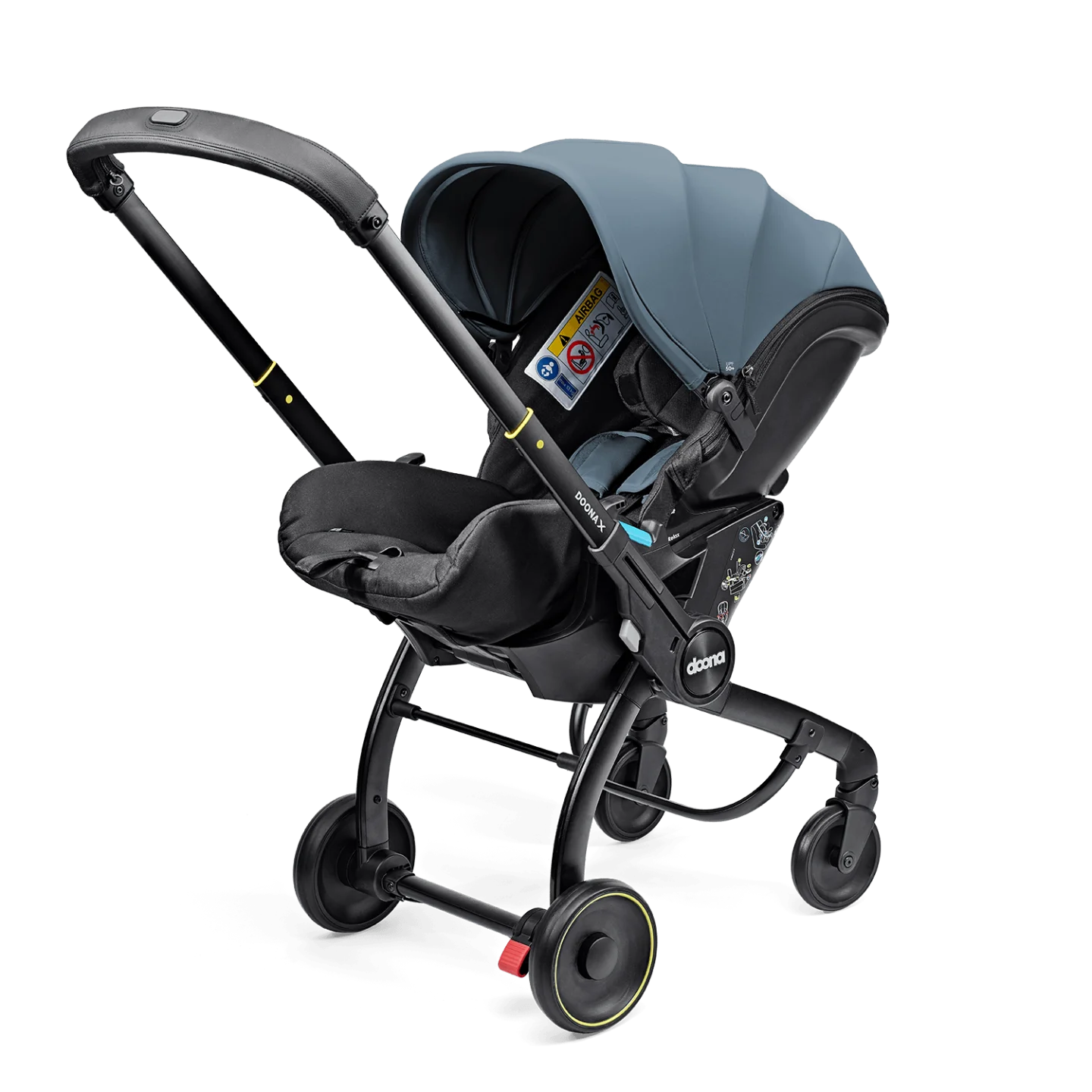
Parent-Facing Versus Forward-Facing Strollers
Both stroller directions have benefits. The better choice depends on your child, your surroundings, and the length of the trip.
Benefits of parent-facing use
• Easier eye contact and communication
• Faster checks for breathing and comfort
• Less exposure to busy sights and sounds
• More support for a young or tired baby
• Easier response to hunger, crying, or overheating
Benefits of forward-facing use
• A wider view of the environment
• More chances to watch people, animals, and nature
• Greater independence for curious babies
• Better engagement for older babies and toddlers
A useful approach is to change positions based on the day. You might face your baby toward you during a crowded shopping trip and forward during a quiet park walk.
When do you turn stroller around for good? You do not always need to choose one direction forever. Many reversible strollers let you switch positions as your child’s needs change.
Common Mistakes to Avoid
Parents often ask when do you turn stroller around because they receive mixed advice from friends, family, and online groups. The biggest mistake is treating a general age suggestion as a universal rule.
Avoid these errors:
Turning the seat forward too soon
A baby who slumps, leans, or has poor head control may not be ready. An upright seat can be uncomfortable and may make it harder to keep the airway clear.
Ignoring the manual
Stroller designs vary widely. The manual may list separate rules for parent-facing and forward-facing use. It may also give different weight limits for a bassinet, seat, or car seat adapter.
Using a car seat as a full-time stroller seat
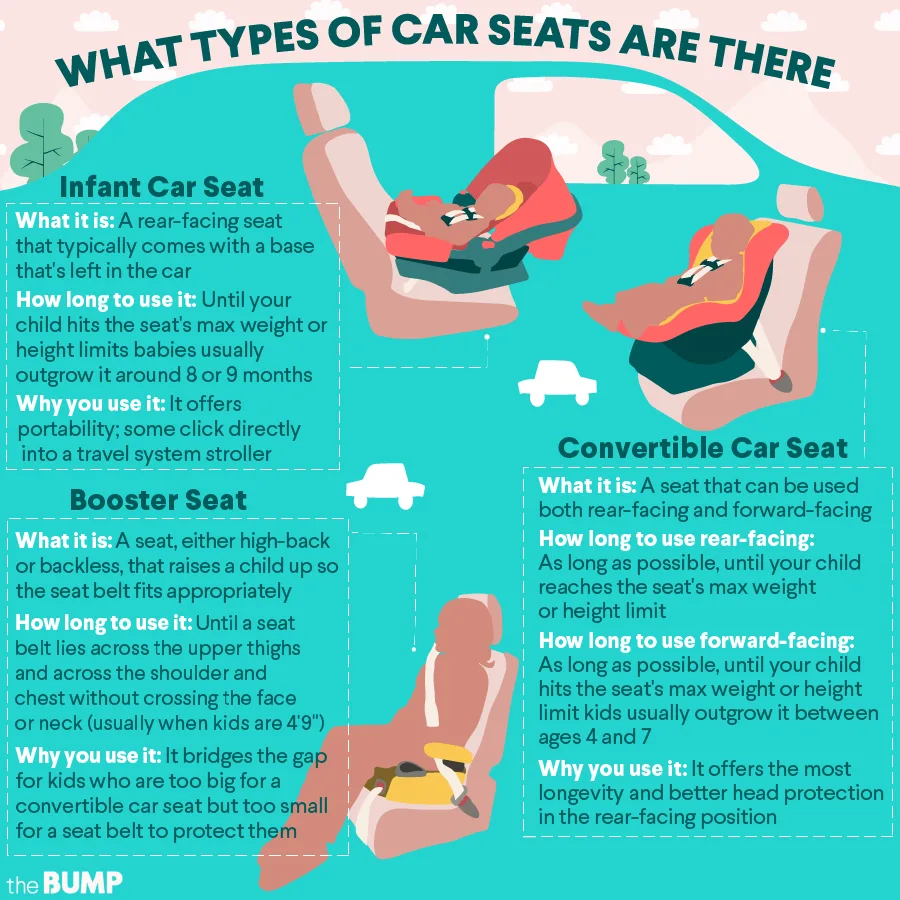
Infant car seats are designed for vehicle travel. They are not meant to replace a flat, safe sleep surface or serve as a routine resting place for long periods.
Covering the stroller with a blanket
Even a light blanket can trap heat and reduce air movement. Use the stroller’s built-in canopy and check your baby often.
Skipping the harness
A baby can slide down, twist, or lean out even at a slow walking speed. The harness should be snug but not painfully tight.
One lesson from real-world stroller use is that convenience can create false confidence. A smooth sidewalk does not remove the need for a locked seat, a secure harness, and active supervision.
What to Do If Your Baby Dislikes the New Position
Some babies enjoy facing forward right away. Others cry because they can no longer see your face. A gradual change can make the experience easier.
Try these steps:
• Start with a short walk near home.
• Talk to your baby while pushing.
• Use a familiar toy that attaches safely to the stroller.
• Choose a quiet route with less noise.
• Keep the canopy open when the sun allows.
• Turn the seat back toward you if your baby becomes upset.
You do not need to prove that your baby is ready. If your child becomes distressed, tired, or overwhelmed, return to the parent-facing position and try again later.
When do you turn stroller around if your baby dislikes it? Wait until your baby is older or more comfortable. Development does not follow a perfect calendar, and a later change is completely normal.
Travel and Weather Considerations
The best stroller direction may change with the weather. A forward-facing baby may receive more direct sun, wind, dust, or light rain.
Before leaving, check:
• Whether the sun will hit your baby’s face
• Whether the canopy gives enough shade
• Whether the temperature is safe for the child
• Whether wind will blow dust or cold air into the stroller
• Whether your baby has enough water, clothing, or sun protection for the trip
Infants can become too hot more quickly than adults. Feel the back of the neck rather than the hands to judge warmth. Sweaty hair, flushed skin, unusual sleepiness, or fast breathing can signal overheating and need prompt attention.
For cold weather, avoid bulky coats under the harness because they can reduce strap effectiveness. Use thin layers and an approved cover that does not interfere with the harness or block airflow.
How to Check Your Stroller Manual
The manual should answer the most important question: when do you turn stroller around for this specific model?
Look for these details:
• Minimum age for the stroller seat
• Minimum and maximum weight
• Minimum or maximum height
• Parent-facing and forward-facing instructions
• Recline rules
• Harness requirements
• Bassinet and infant insert instructions
• Car seat adapter limits
If you no longer have the manual, search for the exact model name and number on the manufacturer’s official website. Avoid relying only on a general product listing because retailers may show incomplete or outdated information.
You can also contact the manufacturer with a photo of the stroller. This is especially helpful for older or secondhand models. Do not use a stroller with missing parts, a broken frame, a damaged harness, or a seat that will not lock.
Frequently Asked Questions About When Do You Turn Stroller Around
When do you turn stroller around from parent-facing to forward-facing?
Many babies can face forward at about 6 months, but only when they have good head and neck control and meet the stroller’s rules. Always check the manual before changing the seat.
Can a 4-month-old face forward in a stroller?
Usually, a 4-month-old may be too young for a fully upright forward-facing seat. Some strollers allow younger babies in a reclined, parent-facing position, so follow the exact model instructions.
Should a baby face forward or backward in a stroller?
A young baby often benefits from facing the parent because you can monitor breathing, comfort, and posture. An older baby may enjoy facing forward once the child has the required strength and the stroller is approved for that position.
What if my baby cannot sit independently at 6 months?
Keep the stroller parent-facing or use the approved recline until your baby is ready. Independent sitting may be required by some stroller makers, so check the manual rather than relying on age alone.
Can a baby sleep in a forward-facing stroller?
A stroller is not a routine sleep space, even when the seat reclines. If your baby falls asleep during a walk, supervise closely and move the baby to a firm, flat, approved sleep surface when practical.
Is it safe to turn the stroller around while my baby is inside?
No. Remove your baby before reversing or detaching the seat. This lowers the risk of falls and helps you confirm that the seat locks correctly.
Do all strollers turn around?
No. Some stroller seats face only one direction. Others use reversible seats, bassinets, or car seat adapters, each with separate safety rules.
Conclusion
When do you turn stroller around? For many babies, the answer is around 6 months, but readiness and the stroller manual matter more than a fixed date. Look for steady head control, stable posture, a proper seat fit, and a secure forward-facing lock.
Start with short walks, use the harness every time, and switch back to parent-facing mode if your baby seems tired or overwhelmed. Check your stroller manual today, and share your experience or questions with other parents who are making the same change.