
Babies likely begin dreaming in late pregnancy and experience REM-related dreams soon after birth.
As a pediatric sleep coach with years of working alongside new parents and studying infant sleep research, I’ll walk you through when do babies start dreaming, what that means, and why it matters. This article breaks down the science, signs, practical tips, and real-life observations so you can understand your child’s sleep and feel confident caring for them.
How baby sleep develops
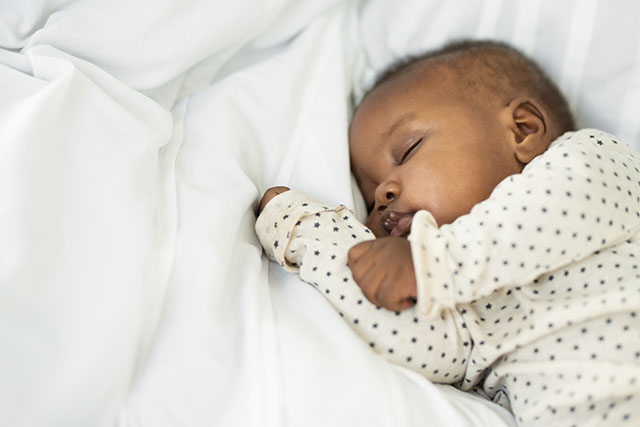
Sleep starts changing before birth. Fetuses show REM-like brain activity in the third trimester. Newborns sleep often and in short bursts. Early sleep is heavy on REM, which supports brain growth and learning.
By three to six months, sleep cycles lengthen. Night sleep becomes more consolidated. REM proportion drops gradually across the first years of life. These shifts set the stage for how dreaming may appear as babies mature.

When do babies start dreaming?
Researchers link dreaming to REM sleep, but dreaming also needs memory and cortical networks. REM appears in the fetus by the late second to third trimester. So when do babies start dreaming? The most straightforward answer is that REM-related dreaming likely begins prenatally and continues after birth, although the content may be very different from adult dreams.
Newborns spend a large share of sleep in REM. That means the physiology needed for dreams is present very early. However, whether newborns form narrative dreams like adults is debated. Early dreams are probably short, sensory, and emotion-based rather than story-like.
What might babies dream about?
Babies build their world from touch, sound, and simple faces. Early dream content likely reflects those inputs. Possible themes include:
- Sounds and voices. The rhythm of a heartbeat or a parent’s voice may appear in REM-related activity.
- Sensory memories. Warmth, motion, and feeding sensations could show up in brief dreamlike states.
- Emotional tones. Babies experience comfort, stress, and surprise. Dreams may mirror these feelings.
As memory and language grow, dream content becomes richer. When do babies start dreaming in a way that includes memory-based images? That tends to happen later, around the time memory systems mature in the first year.
:max_bytes(150000):strip_icc()/cGettyImages-625892192-2000-37e1c1d0aec64ceba1299ef2543b3e42.jpg)
Signs your baby is dreaming
You can often spot REM sleep in a baby. Common signs include:
- Rapid eye movements under closed lids. This is a classic REM sign.
- Twitching limbs or small smiles. These movements show active sleep.
- Irregular breathing and facial expressions. These are normal parts of REM in infants.
If your baby cries loudly, has prolonged pauses in breathing, or looks intensely distressed during sleep, check with a pediatrician. Most twitching, brief noises, and smiles are healthy REM behaviors.
.webp)
Why dreaming matters for development
Dreaming, or REM sleep activity, supports key brain processes. Benefits include:
- Synaptic development. REM helps form and prune brain connections.
- Emotional regulation. Sleep helps newborns process sensations and stress.
- Sensory integration. Dream-like neural firing reinforces early learning.
Think of REM sleep as practice time for the brain. It helps newborns make sense of a world they are just meeting.

Tips to support healthy sleep and dreams
Good sleep habits help the brain do its job. Try these practical steps:
- Keep a calm bedtime routine. Simple cues like a bath, quiet feeding, and dim lights help.
- Prioritize safe sleep. Place baby on the back, on a firm surface, without loose bedding.
- Watch daytime naps. Regular naps reduce overtiredness, which can disrupt REM cycles.
- Create a calm daytime environment. Gentle sounds and predictable caregiving build secure memory traces.
Track patterns gently. If sleep concerns persist, consult a pediatrician or sleep specialist for tailored advice.

Common myths and misconceptions
Newborn sleep myths can worry parents. Let’s clear a few up:
- Myth: Babies have full stories in their dreams. Reality: Early dreams are likely simple, sensory, and emotional.
- Myth: All twitching in sleep is bad. Reality: Brief twitches are common in REM and usually normal.
- Myth: Dreaming means your baby remembers events. Reality: Durable, narrative memory develops later.
Knowing when do babies start dreaming helps separate normal growth from real concerns.

Personal experience and lessons learned
In my work with families, I’ve seen many parents startled by smiles or small cries in sleep. One mom thought her newborn’s smile meant waking joy, but it was a REM smile during a nap. That moment taught her to relax and enjoy sleep milestones.
I’ve learned to pair science with calm guidance. Encourage parents to observe sleep patterns, log unusual events, and ask questions. When you know when do babies start dreaming and what to expect, sleep becomes less mysterious and more manageable.
Frequently Asked Questions of when do babies start dreaming
When do babies start dreaming?
Most evidence suggests REM-like dreaming begins in the late prenatal period and continues after birth, though dream content is simple and sensory at first.
Do newborns have nightmares?
Newborns likely do not have nightmares in the adult sense. They can show distress in sleep, but true nightmares tied to memory and fear usually occur later.
How can I tell if my baby is dreaming?
Look for rapid eye movements, twitching, and brief facial expressions during sleep. These signs point to REM sleep, which is associated with dreaming.
Can babies remember their dreams?
Stable, long-term memory needed for recalling dreams develops later. Babies are unlikely to remember dreams the way older children or adults do.
Should I wake my baby if they twitch or cry in sleep?
Generally no. Brief twitches and noises are normal. Waking a sleeping baby can disrupt restorative sleep unless the baby seems in distress or breathing is abnormal.
Does sleep training affect dreaming?
Sleep routines can improve overall sleep quality and REM organization. Gentle, age-appropriate sleep methods support healthy development without harming dreaming.
Conclusion
Understanding when do babies start dreaming gives parents clarity and calm. REM-related dreaming begins very early, and it supports growth, emotion processing, and learning. Watch for normal REM signs, follow safe sleep practices, and seek guidance when sleep seems unusual.
Takeaway: use consistent, safe sleep habits and observe your baby with curiosity. If you want more practical tips or have sleep questions, subscribe, comment with your experience, or talk to your pediatrician.