
Most babies begin to sit up between about 4 and 9 months of age.
As a pediatric nurse and parent, I’ve watched hundreds of infants move from flop to independent sitter. This article explains what age do babies sit up, why the timeline varies, what skills come first, how you can safely support this milestone, and when to check with a clinician. Read on for clear steps, real-life tips, and practical safety advice so you feel confident helping your baby learn to sit.
Typical age range and what to expect
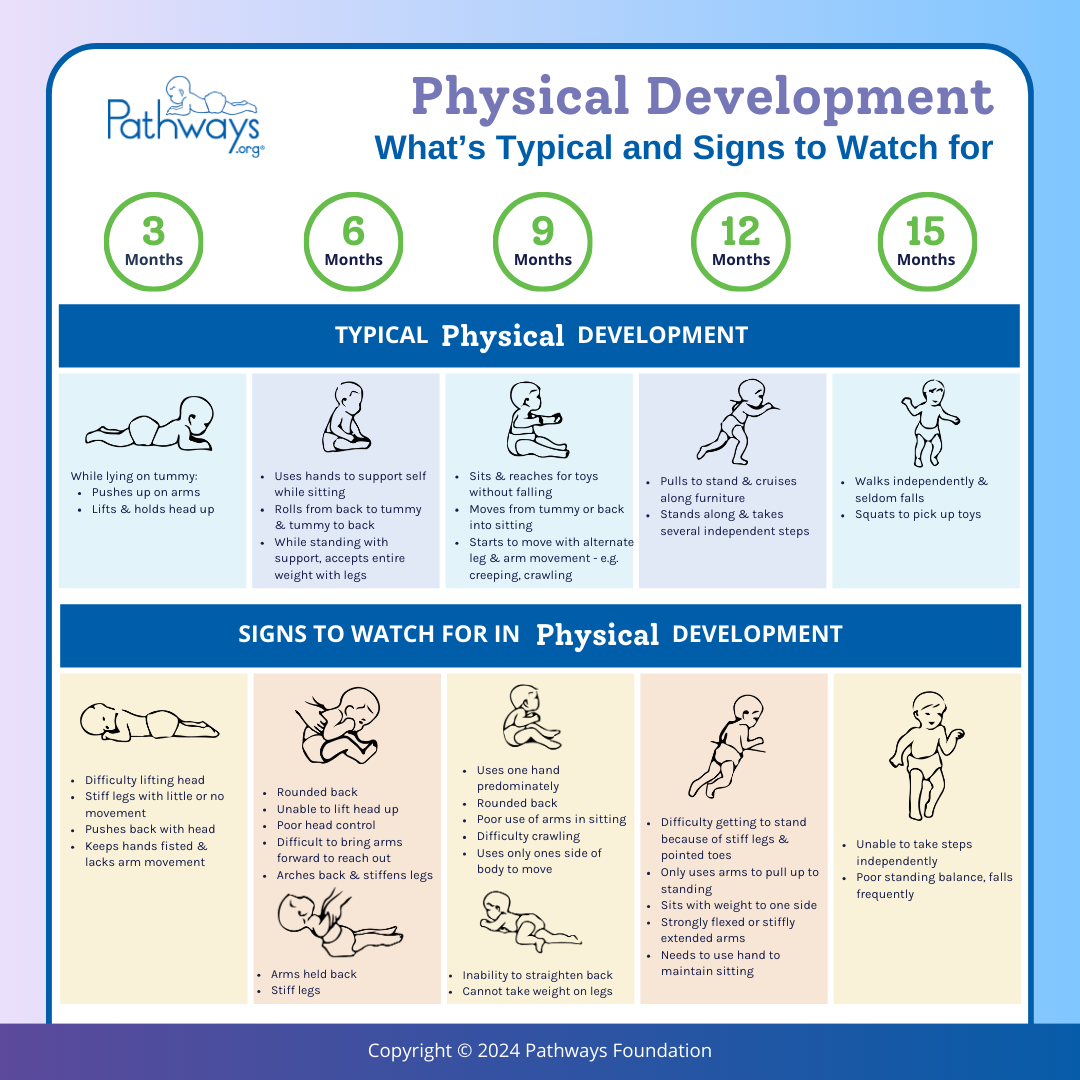
Most babies sit with support by 4 months. Many sit briefly on their own by 6 months. By 8 to 9 months, most can sit steadily without help. This range explains what age do babies sit up in normal development. Each baby grows at their own pace. Genes, tummy time, strength, and opportunity all matter.
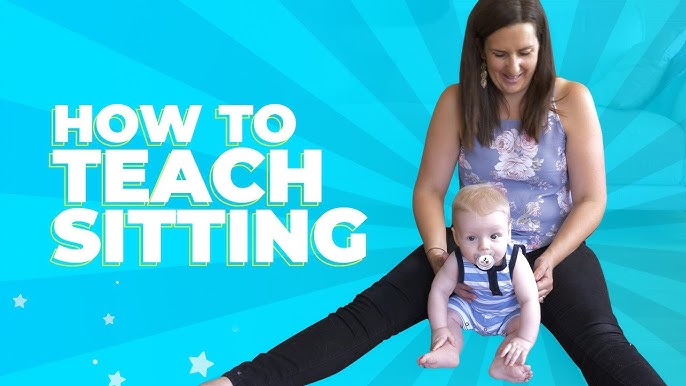
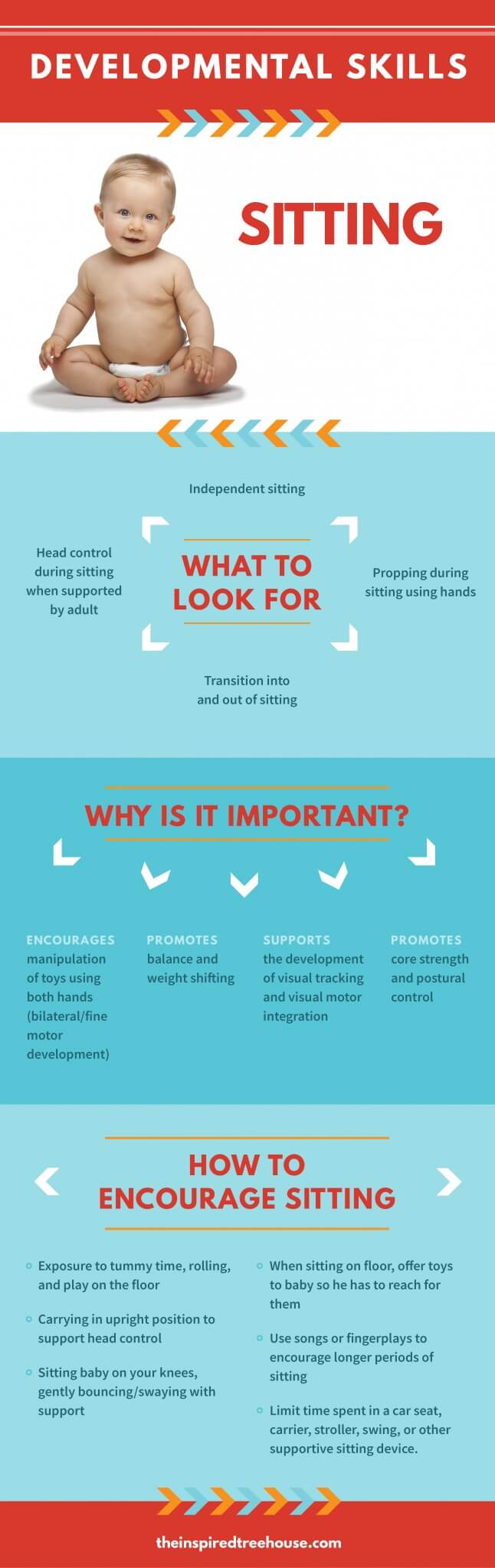
Signs a baby is close to sitting:
- Holds head steady while upright.
- Pushes up on arms during tummy time.
- Rolls from back to tummy and tummy to back.
- Shows improved balance when propped.
Why the timeline can vary:
- Preterm birth can shift milestones later.
- Less tummy time can slow core strength.
- Low muscle tone may delay sitting.
- Early independent sitting is possible but rare.
Developmental steps that lead to sitting
Sitting builds on earlier skills. Think of it as a ladder. Each rung must be climbed first.
Key steps:
- Head control: steady head by 3–4 months.
- Tummy time: strengthens neck, shoulders, and core.
- Rolling: shows trunk control and coordination.
- Prop sitting: baby sits with hands forward for balance.
- Independent sitting: baby keeps balance and can play.
Each step is part of the answer to what age do babies sit up. Watch for the chain of progress. If one step is missing, the next may take longer.
How to help your baby learn to sit
Practice, safety, and patience matter. Use short, daily sessions to build strength and confidence.
Practical tips:
- Give daily tummy time starting from birth. Start with minutes and grow time slowly.
- Use a rolled towel behind the baby for gentle support while sitting.
- Offer toys at midline to encourage reaching and balance.
- Try side-lying play to build core muscles.
- Avoid prolonged time in infant seats that limit movement.
Simple exercises I used with my own babies:
- Place a toy just out of reach while propped, so the baby leans and rightens.
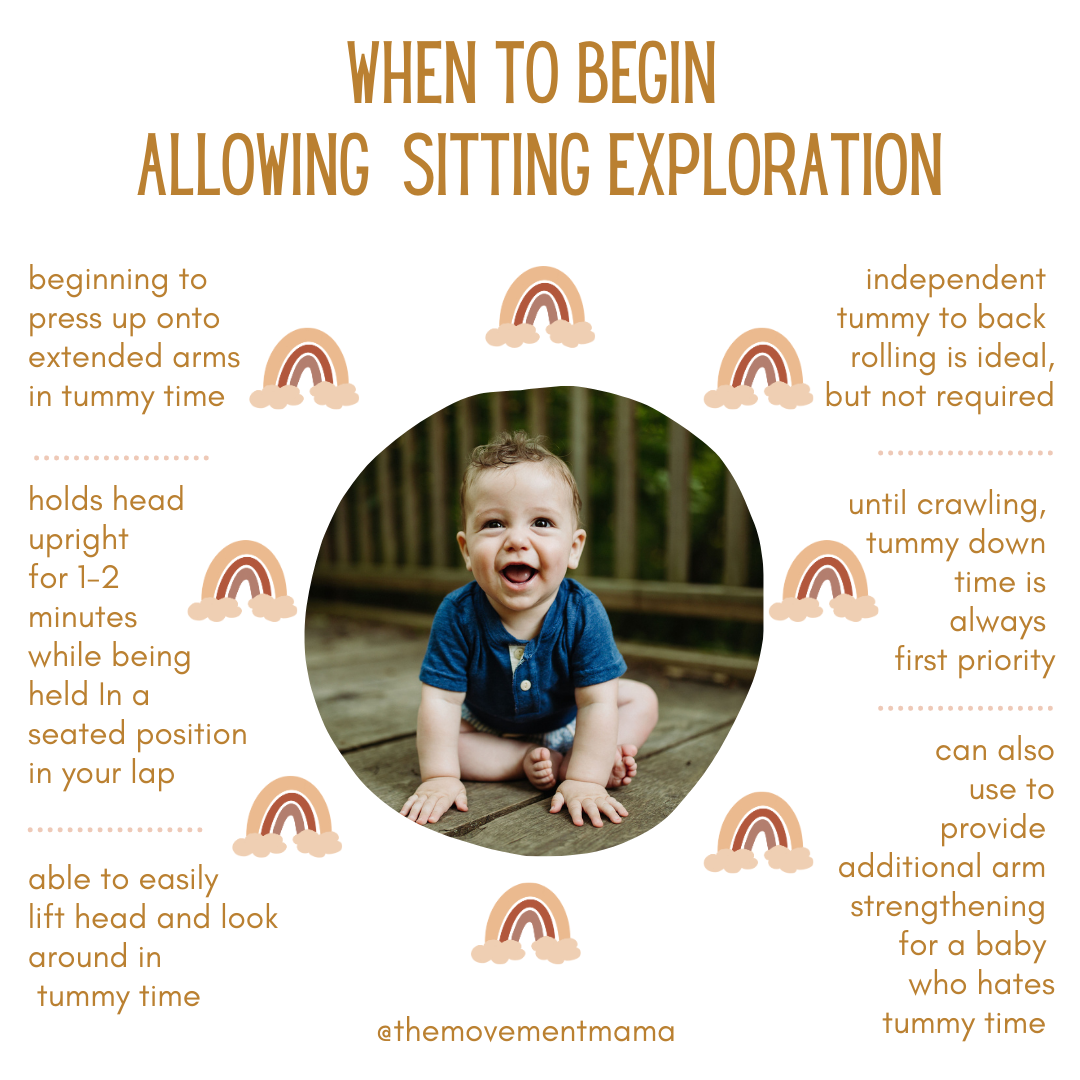
- Sit facing your baby and let them lean on your knees for support.
- Do short floor play sessions after naps when the baby is alert.
These steps directly help answer what age do babies sit up by speeding muscle and balance development.

Safety tips when your baby learns to sit
Sitting opens new ways to fall. Keep safety simple and consistent.
Safety checklist:
- Always stay close when baby is learning to sit.
- Use a soft surface like a play mat or carpeted floor.
- Remove small objects and choking hazards from reach.
- Avoid raised surfaces like beds or sofas during practice.
- Consider a low chair with good support when baby sits in a seat.
Following safety steps reduces the risk of injury as your baby explores sitting and play.
When to watch more closely and seek help
Most variation is normal. Still, certain signs warrant a call to your pediatrician.
Watch for:
- Little or no head control by 4 months.
- No attempts to roll or prop by 6 months.
- Extreme stiffness or floppy muscles.
- Not sitting with support by 7–8 months.
If you see these signs, ask your clinician about a development check or early intervention. Early action can make a big difference.
Personal experience and practical lessons
I once guided a family whose baby was slow to sit. We added five minutes of tummy time after each diaper change. Within weeks, the baby started to prop and then sit briefly. That progress reminded me that small, steady steps win the day.
Lessons I’ve learned:
- Short, frequent practice beats long, rare sessions.
- Caregivers’ calm support builds baby confidence.
- Every baby has a unique timeline; compare less, support more.
These real stories show how simple changes can affect what age do babies sit up.

Related concepts and follow-up milestones
Sitting is a gateway skill. After steady sitting, many babies:
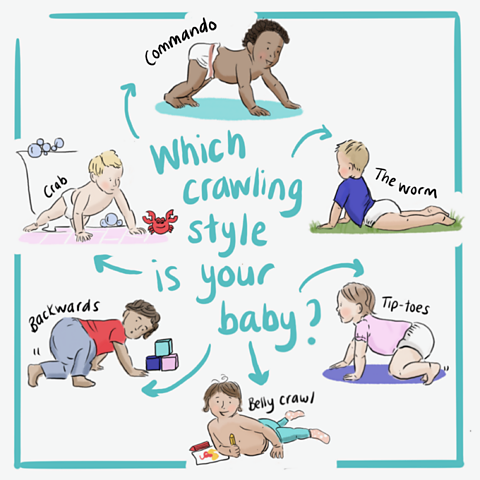
- Crawl or roll more to explore.
- Pull to stand and cruise along furniture.
- Improve hand use and play while seated.
- Develop better social interaction during face-to-face play.
Tracking these linked skills helps you see the full picture of development.

Frequently Asked Questions of what age do babies sit up
At what age should a baby sit without support?
Most babies sit without support by about 6 to 9 months. Some may do so a little earlier or later, depending on strength and practice.
How can I help my baby sit up faster?
Encourage daily tummy time, offer toys at midline, and practice supported sitting. Short, frequent sessions work best to build core strength.
Is it normal if my baby skips sitting and crawls?
Some babies adapt different patterns. Most will still develop core strength needed for sitting later. Talk to your pediatrician if you have concerns.
Can sitting too early cause problems?
Trying to force sitting can stress weak muscles or spine. Support and gradual practice are safe. Avoid propping a baby upright before they can hold their head.
What if my preemie is late to sit up?
Use corrected age (born weeks early) when tracking milestones. Preemies often reach sitting later but can catch up with support and therapy if needed.
When should I see a specialist for sitting delays?
If your baby shows very low muscle tone, poor head control, or cannot sit with support by 7–8 months, seek professional advice. Early intervention helps.
Conclusion
Watching your child learn to sit is a joyful and practical milestone. Most babies sit up between 4 and 9 months, but the exact timing depends on many factors like tummy time, strength, and chance. Offer safe, short practice sessions. Stay close and patient. If you worry, get a professional check so small issues get help early. Try the tips here, track progress, and enjoy the new world your baby discovers while sitting. If this guide helped, share your story, subscribe for more parenting tips, or leave a comment with your questions.