
Use burping, bicycle legs, tummy time, and warm compresses for quick relief.
I’ve helped many parents soothe gassy babies and checked pediatric guidance closely. This guide explains practical, safe, and fast ways for how to get rid of baby gas fast, why gas happens, and when to seek help. Read on for step-by-step techniques, prevention tips, and real-life advice that you can try right now.

Why baby gas happens and what it feels like
Gas is normal. Babies swallow air when feeding, crying, or sucking on a bottle or pacifier. Their immature digestive systems also create gas as milk breaks down. Colic, formula sensitivity, or a fast let-down during breastfeeding can make gas worse.
Common signs of gas
- Fussiness and crying after feeds
- Pulling knees to chest or arching the back
- Refusing feeds or being uncomfortable during sleep
- Burps, passing gas, or a firm belly
Understanding why helps you choose the right ways to get rid of baby gas fast. Simple fixes often help a lot.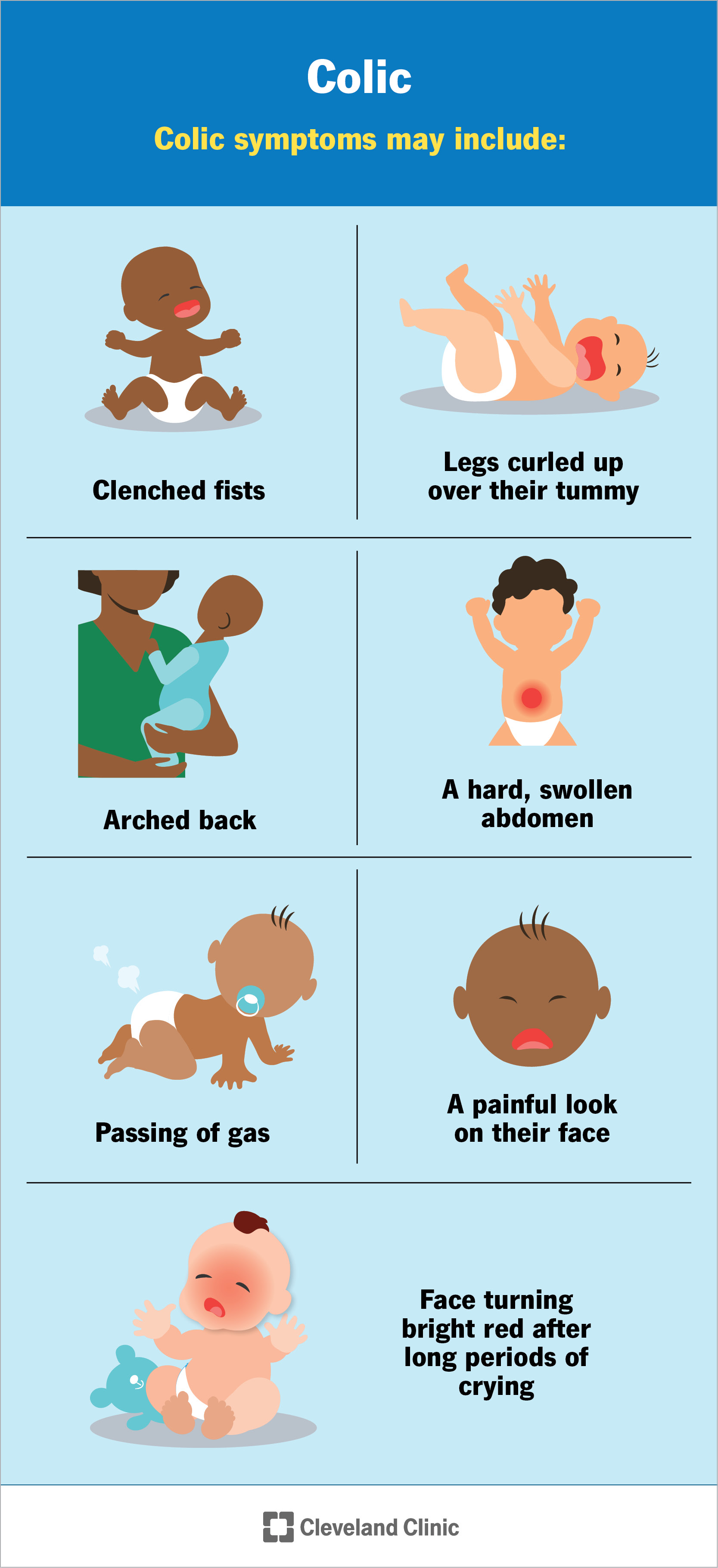
How to get rid of baby gas fast: immediate, safe steps
These actions are my go-to when a baby is clearly uncomfortable. Try one or combine a few until your baby calms.
- Burp frequently during and after feeds
- Pause halfway through a feed and at the end.
- Hold baby upright against your chest and pat gently.
- Try sitting on your lap and leaning baby forward slightly.
- Bicycle legs and gentle tummy massage
- Lie baby on back and move legs in a bicycle motion for 30–60 seconds.
- Use two fingers to massage in a circular motion clockwise across the belly.
- Tummy time and upright positioning
- Short, supervised tummy sessions on your chest or a mat can move gas along.
- Keep baby upright for 20–30 minutes after feeding to reduce swallowed air.
- Warm compress and soothing hold
- Place a warm (not hot) cloth on the belly for a few minutes.
- Hold baby tummy-to-chest in a “colic carry” with head supported and belly against your forearm.
- Adjust feeding technique
- For breastfed babies, check latch and slow fast let-downs by switching sides.
- For bottle-fed babies, try slow-flow nipples and hold bottles at an angle to reduce air intake.
- Anti-gas drops and probiotics (use with guidance)
- Simethicone drops can help for some babies; follow pediatric advice.
- Some drops and probiotic formulas show modest benefit in reducing spit-up and fussiness.
These steps explain practical ways to get rid of baby gas fast right at home. I often combine burping, bicycle legs, and a warm compress when my little one was upset — relief usually came within minutes.
Feeding changes and formula considerations
Small feeding adjustments can prevent gas. If gas persists, review these areas.
Latch and positioning
- A shallow latch or gulping can increase swallowed air. Seek help from a lactation consultant if needed.
Bottle and nipple choice
- Use anti-colic bottles or slow-flow nipples. Angle the bottle so milk, not air, fills the nipple.
Formula sensitivity
- Some babies react to cow’s milk protein. If you suspect sensitivity, discuss a trial of a hypoallergenic formula with your pediatrician.Feeding pace
- Short, frequent feeds may help. Avoid overfeeding, which can worsen gas.
These changes help not only to get rid of baby gas fast but also to reduce future episodes.
Safe use of over-the-counter options and supplements
Parents often ask about medicines and supplements. Use caution and consult a pediatrician.
Simethicone drops
- Often used for immediate relief. Evidence is mixed, but many parents report quick benefit. Follow dosing instructions.
Probiotics
- Certain strains may reduce crying time in colic. Effects vary and should be discussed with a clinician.
Herbal remedies
- Chamomile or fennel formulations exist, but quality and safety vary. Talk to your provider before use.
When in doubt, check with your baby’s pediatrician. I once tried a probiotic for a few weeks because fussing dropped noticeably, but I stopped when my pediatrician recommended reassessment.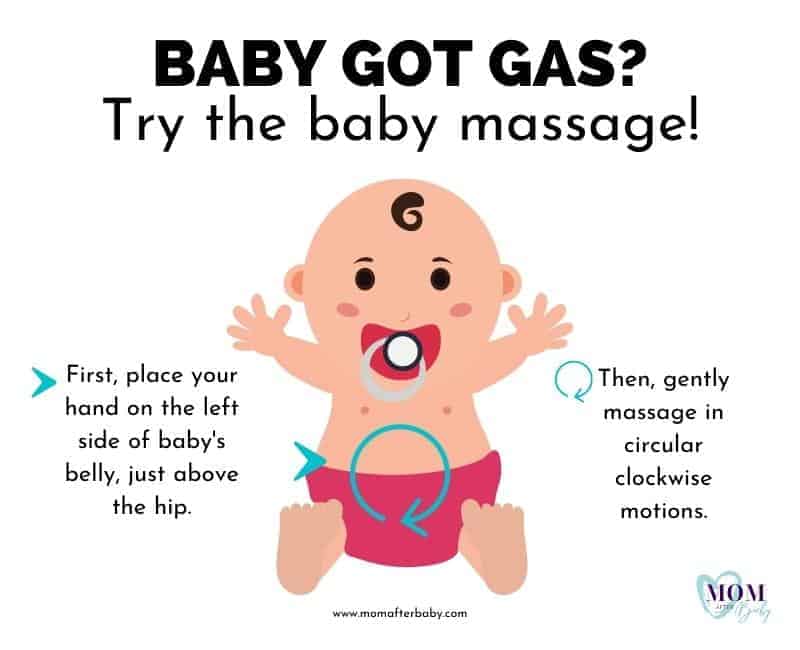
Preventive tactics to reduce future episodes
Preventing gas is easier than treating severe fussiness. Try these routinely.
- Feed in a calm environment to limit crying and gulping.
- Keep feeds paced; avoid fast let-downs or rapid bottle flow.
- Burp often during feeds, not just after.
- Adjust mom’s diet if breastfeeding (common offenders include dairy, caffeine, cruciferous veggies).
- Introduce solid foods slowly and watch for reactions.
These habits reduce how often you need to rush to get rid of baby gas fast.
When gas might be more than gas: red flags
Most gas is benign, but watch for warnings that need medical attention.
- Poor weight gain or refusal to feed
- Vomiting that is forceful or persistent
- Blood in stool or fever
- Extreme lethargy or inconsolable crying beyond typical colic
If any red flags appear, contact your pediatrician promptly. Better to check than to wait when symptoms deviate from normal.
Personal experience and lessons learned
I’ve soothed many upset babies as a parent and caregiver. From my experience:
- Quick burping and changing position help within minutes most of the time.
- Overreacting to every gurgle raised my stress. Calm parents help calm babies.
- Asking for help from a lactation consultant saved weeks of struggle with latch issues.
- Keeping a small routine — burp, bicycle legs, tummy time — gave both immediate relief and predictable results.
Mistakes to avoid
- Don’t force feeds or delay seeking advice for weight loss.
- Avoid home remedies without checking safety for infants.
These firsthand tips make it easier to act confidently when you need to get rid of baby gas fast.
Quick PAA-style questions
Will burping always get rid of baby gas fast?
Not always, but burping reduces swallowed air and often brings quick relief within minutes.
Can changing bottles reduce gassiness?
Yes. Slow-flow and anti-colic bottles can cut down on swallowed air and reduce gas.
Are gas drops safe for newborns?
Simethicone is generally considered safe, but always confirm dosing with your pediatrician.
Frequently Asked Questions of how to get rid of baby gas fast
How long does gas usually last in babies?
Most gas bursts resolve within minutes to a few hours. If fussiness is persistent for days, consult your pediatrician.
Can breastfeeding moms change their diet to help baby gas?
Yes. Removing common triggers like dairy or caffeine for a trial period can help if the baby is sensitive.
Is it normal for newborns to be gassy at night?
Yes. Newborns often have irregular digestion and may be fussier at night; feeding patterns and positioning can help.
When should I see a doctor about my baby's gas?
See a doctor if your baby has poor weight gain, fever, blood in stool, or severe, persistent pain that won’t ease with home measures.
Do probiotics really help with gas?
Some studies show certain probiotics may reduce crying time and gas for some infants, but effects vary and should be discussed with a pediatrician.
Conclusion
Gas is common and usually manageable with simple steps like burping, bicycle legs, tummy time, feeding adjustments, and gentle warmth. Use these practical, safe strategies to get rid of baby gas fast and reduce future episodes. If symptoms don’t improve or red flags appear, seek pediatric advice promptly.
Try one combination of techniques tonight — note what works best, and keep a calm routine. If this guide helped, consider subscribing for more baby-care tips or share your story in the comments to help other parents.