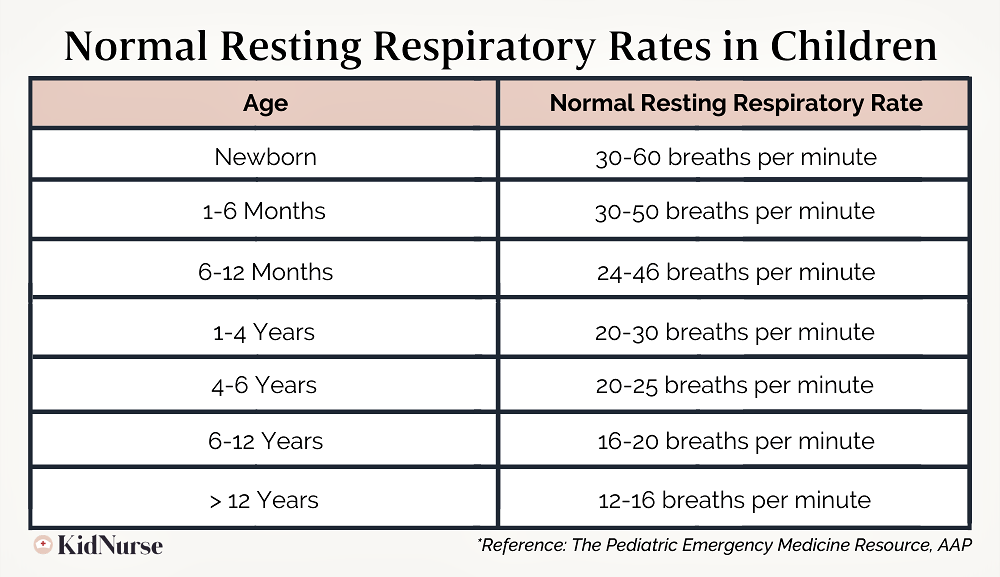
To count a newborn’s breaths per minute, watch the baby’s chest or belly rise and fall while the baby is calm or asleep. Count each rise as one breath for a full 60 seconds. A calm newborn often breathes about 30 to 60 times per minute, but breathing faster than 60 times per minute that continues when the baby is calm may need prompt medical advice.
In the United States, call 911 if a newborn has severe trouble breathing, turns blue or gray, becomes limp, or cannot feed because of breathing difficulty. For less urgent concerns, contact the baby’s pediatrician, an urgent care service, or your health system’s nurse advice line.
What counts as a normal newborn breathing rate?
A newborn’s breathing rate can change from minute to minute. Babies may breathe in short bursts, pause for a few seconds, and then resume. This pattern is often called periodic breathing and can be normal when the baby remains comfortable and the pauses are brief.
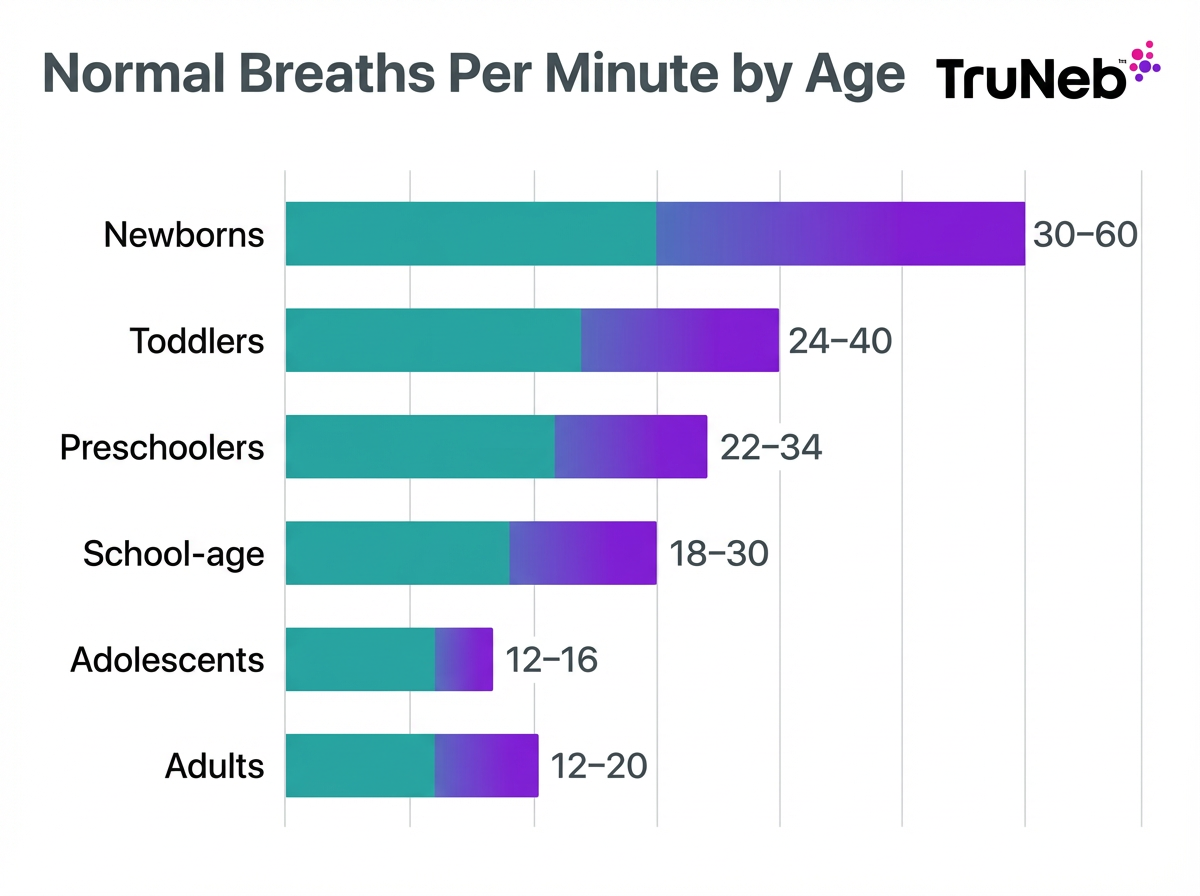
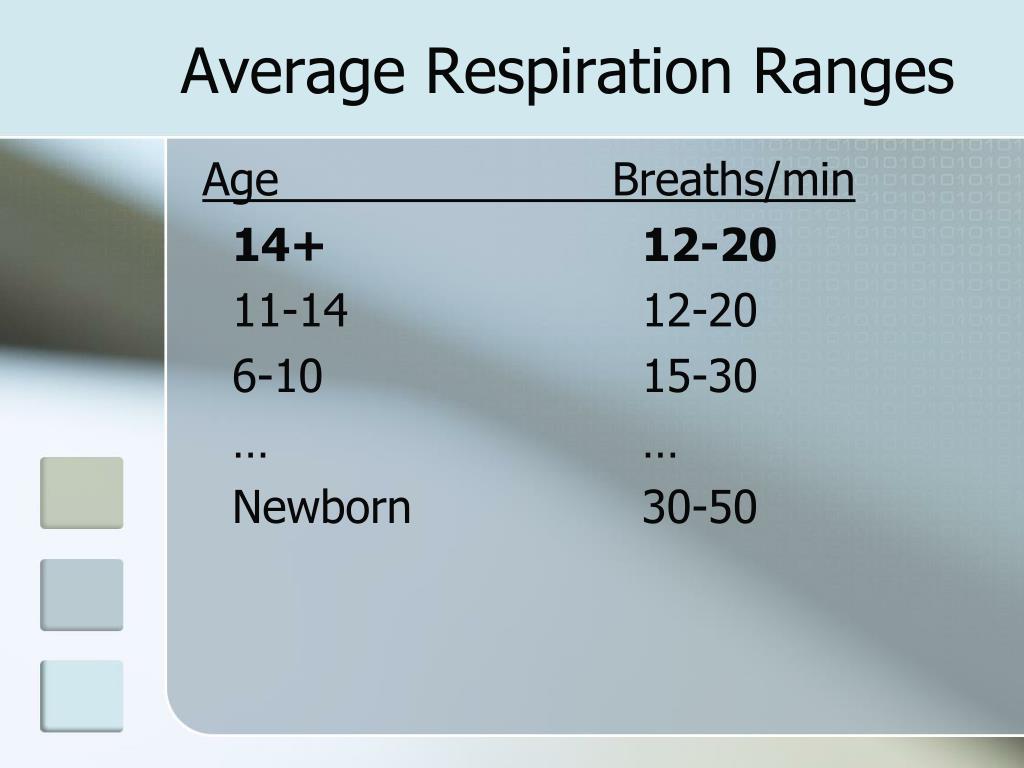
Many clinical references use about 30 to 60 breaths per minute as a general range for a calm newborn. Some newborns breathe near the upper end of this range, especially when awake. The count is less useful when the baby is crying, feeding, hot, or upset.
A rate that stays above 60 breaths per minute while the baby is calm is often called tachypnea, or fast breathing. It does not identify the cause by itself. Infection, fluid in the lungs, heart or lung problems, fever, and other conditions can cause fast breathing, so a health professional should assess a persistent high rate.
A rate below 30 may also deserve attention if the baby is hard to wake, feeding poorly, has color changes, or shows other signs of illness. A single low count in a deeply sleeping baby may not be meaningful without looking at the baby’s overall condition.
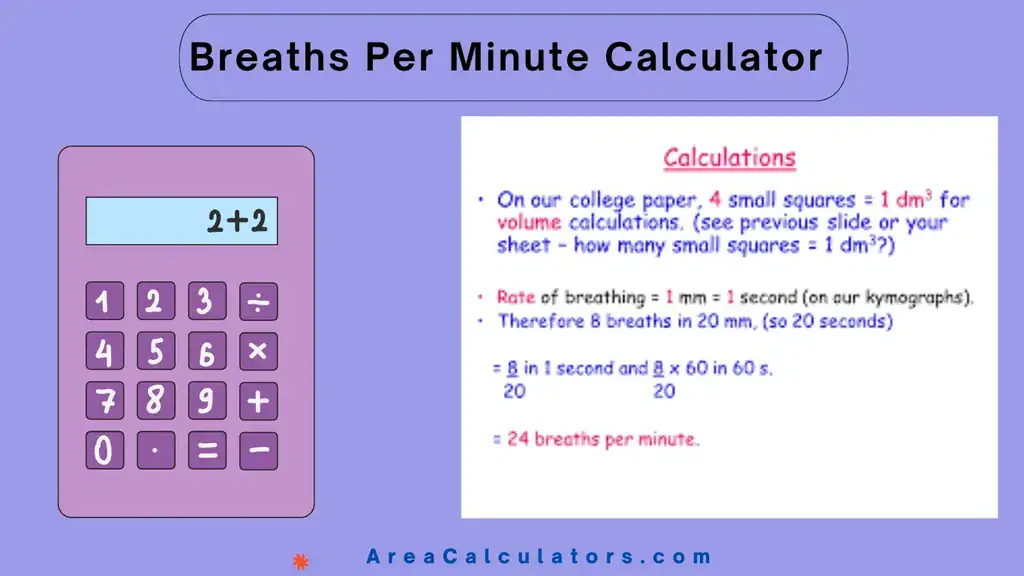
How to count newborn breaths per minute
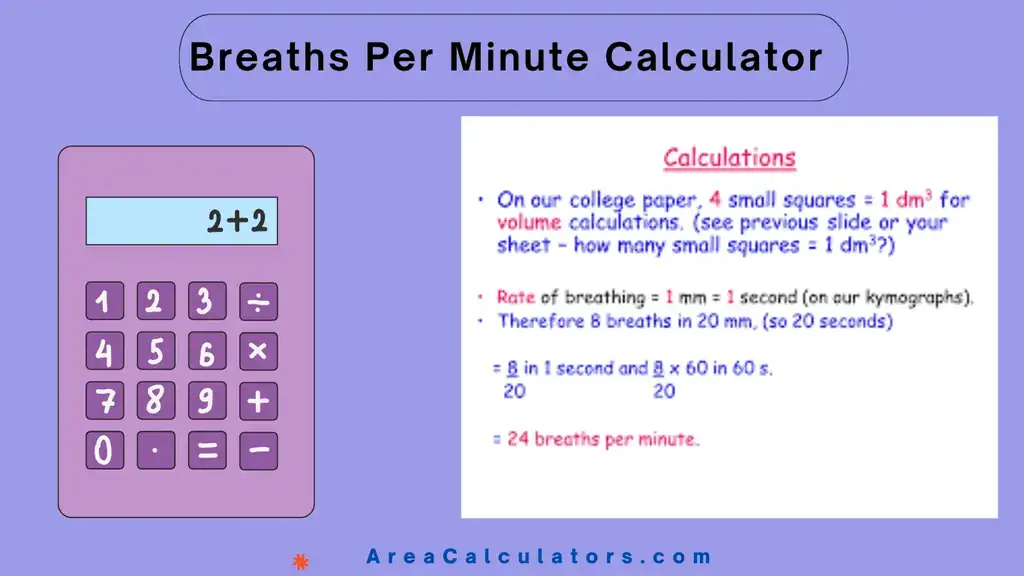
Use a full-minute count. Newborn breathing is often uneven, so counting for 15 seconds and multiplying by four can give a misleading result.
Follow these steps
-
Wait until the newborn is calm or asleep.
Do not count during crying, active movement, or feeding. Wait a few minutes after the baby settles. -
Place the baby on the back in a safe position.
Use a firm, flat sleep surface. Do not place pillows, blankets, or cushions around the baby to help with counting. -
Watch the chest or belly.
Newborns often use their belly more than their chest when they breathe. Look for a clear rise and fall. -
Count each rise as one breath.
One breath includes one rise and one fall. Do not count the rise and fall as two breaths. -
Count for 60 seconds.
Use a clock, watch, or phone timer. Write down the total. -
Repeat the count if the result seems high.
If the baby moves, cries, or the pattern changes, let the baby settle and count again. Note whether the second count was also taken while the baby was calm.
example
if the baby’s belly rises 52 times during a full minute, the breathing rate is 52 breaths per minute.
If you count 18 breaths in 15 seconds, you might calculate 72 breaths per minute. However, because newborns may pause or speed up, a full 60-second count is more reliable. Recount while the baby is calm before deciding what the number means.

When should you call a doctor about newborn breathing?
Call the baby’s pediatrician promptly if the newborn’s breathing remains faster than 60 breaths per minute while calm, especially after you repeat the count. The doctor may ask about feeding, temperature, wet diapers, color, alertness, and other symptoms.
Seek urgent medical care if fast breathing occurs with any of these signs:
- The baby has trouble feeding or must stop often to breathe.
- The baby is unusually sleepy, weak, or difficult to wake.
- The nostrils widen with each breath.
- The skin between the ribs, under the ribs, or above the breastbone pulls inward.
- The baby makes a grunting sound with each breath.
- The baby has repeated pauses in breathing.
- The baby has a fever or feels unusually cold.
- The lips, tongue, face, or skin look blue, gray, or very pale.
- The baby has fewer wet diapers or appears dehydrated.
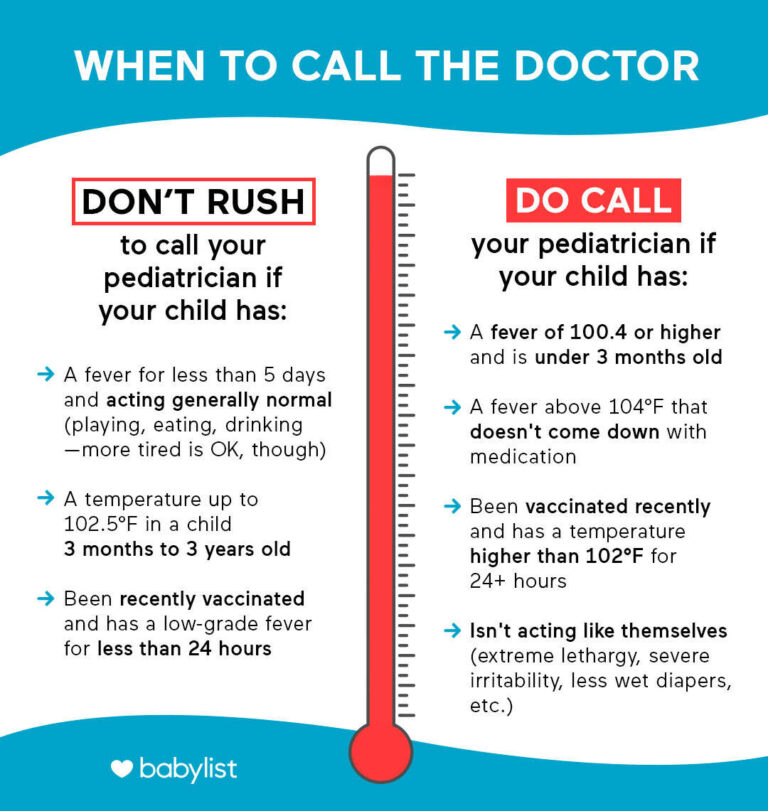
For a newborn younger than 3 months, a rectal temperature of 100.4°F (38°C) or higher requires immediate medical advice. Follow your pediatrician’s instructions for taking a newborn’s temperature.
Call 911 now for severe breathing trouble
Call 911 in the United States if the baby:
- Is not breathing normally or is gasping.
- Turns blue or gray around the lips or face.
- Becomes limp or unresponsive.
- Has severe chest pulling or obvious distress.
- Cannot breathe well enough to cry or feed.
Do not drive a baby with severe breathing trouble if emergency medical help is available. Follow the 911 dispatcher’s instructions.
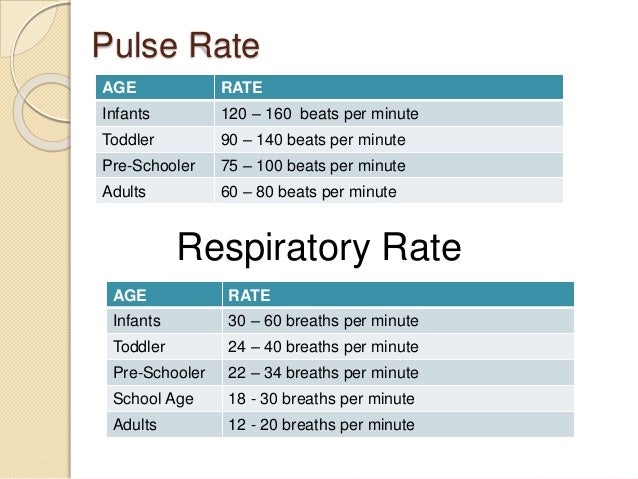
What signs should you watch for besides the number?
The breathing rate is only one part of the assessment. A newborn can have a rate near 60 and still need care if the baby looks unwell. On the other hand, a brief faster rate after crying may settle without indicating a serious problem.
Watch the baby’s effort, color, feeding, and alertness.
| What to watch | More reassuring | Concerning |
|---|---|---|
| Breathing effort | Quiet, easy breaths | Rib pulling, nostril flaring, grunting |
| Color | Pink or usual skin tone | Blue, gray, or very pale lips or face |
| Feeding | Feeds without repeated pauses | Sweating, choking, tiring, or stopping to breathe |
| Alertness | Wakes and responds normally | Very sleepy, limp, or hard to wake |
| Pattern | Brief pauses with easy recovery | Long pauses, gasping, or repeated stops |
| Rate | About 30–60 when calm | More than 60 that persists when calm |
A home count cannot rule out a medical problem. It also cannot measure oxygen levels or show how hard the baby is working to breathe. Use the count to describe what you see to a clinician, not as a substitute for an examination.
Why newborn breathing may look unusual
Newborns are still developing control of their breathing. Their breathing may be irregular, with several quick breaths followed by a short pause. This can be normal when the baby’s color stays normal, the baby remains comfortable, and the pauses are brief.
Newborns also breathe more through the nose than older children. A small amount of mucus can make breathing sound noisy. Nasal noise alone is not the same as labored breathing, but it becomes more concerning if the baby cannot feed, has chest pulling, or changes color.
Fast breathing can have many causes. A baby may breathe faster after crying, during a feed, or when overheated. Persistent fast breathing can also occur with infection, low blood sugar, lung disease, heart problems, or delayed clearance of lung fluid after birth. Only a qualified clinician can determine the cause.
Premature babies may have different breathing patterns and risks than full-term babies. If the baby was born early, had a complicated delivery, or left the hospital with special breathing instructions, follow the care team’s specific plan.

Common mistakes when counting newborn breaths
Counting while the baby cries
Crying can make the rate rise sharply. Wait until the baby is calm, then count for the entire minute.
Counting only for 15 seconds
A short count can miss pauses or include a brief burst of fast breathing. A 60-second count gives a better picture.
Counting each chest movement as a breath
One breath is one complete rise and fall. Count the rise once.
Watching only the chest
Many newborns have a stronger belly movement. Watch the chest and abdomen, and focus on the overall rise-and-fall pattern.
Relying on a phone app or video
Apps and videos may not detect irregular newborn breathing correctly. A simple visual count with a timer is often more useful for reporting the rate to a clinician.
Using a consumer oxygen monitor as a diagnosis
Home oxygen monitors can give false readings from movement, poor sensor placement, cold skin, or device limits. A normal number does not rule out breathing distress, and an abnormal number needs clinical context. If the baby looks seriously ill, call 911 rather than troubleshooting a device.
Delaying care because the number is “normal”
A newborn with blue color, severe effort, poor feeding, or unusual sleepiness needs medical attention even if the counted rate falls within a typical range.
How to record the result for the pediatrician
Write down:
- The number of breaths in 60 seconds.
- Whether the baby was asleep, calm, crying, or feeding.
- The time of the count.
- Whether the rate stayed high after a repeat count.
- Any signs such as grunting, rib pulling, color change, fever, or poor feeding.
- The baby’s temperature, if measured.
- The number of wet diapers if dehydration is a concern.
For example: “At 2:15 p.m., while calm and awake, the baby breathed 68 times in one minute. After five minutes of rest, the rate was 64. No blue color, but the baby stopped twice during feeding.”
This detail helps the pediatrician judge whether the rate was linked to activity or remained high at rest.

Can you count a newborn’s breathing while the baby sleeps?
Yes. A calm, sleeping baby is often a good time to count. Watch the belly or chest without waking the baby, and count for a full minute.
A brief pause may occur during normal periodic breathing. Seek urgent help if the baby does not resume breathing promptly, turns blue or gray, becomes limp, or has repeated concerning pauses. Never shake the baby to restart breathing.
Always place a sleeping newborn on the back on a firm, flat surface. Do not use an inclined sleeper, car seat, swing, or positioning device for routine sleep.
Is a newborn breathing rate of 70 dangerous?
A rate of 70 breaths per minute is above the commonly used calm-newborn range. Recount for a full minute after the baby settles. If the rate remains above 60, contact the pediatrician promptly.
Call 911 instead of waiting for a callback if the baby also has blue or gray color, severe chest pulling, grunting, gasping, limpness, or trouble staying awake. The number alone cannot show how serious the problem is.
Is periodic breathing normal in a newborn?
Short pauses followed by several faster breaths can be normal in some newborns. The baby should remain comfortable, keep a normal color, and resume breathing without stimulation.
Long pauses, repeated breathing stops, gasping, color change, poor feeding, or unusual sleepiness are not signs to monitor at home. Seek immediate medical help.
Should you wake a newborn to count breaths?
You do not usually need to wake a sleeping newborn. Count while the baby is asleep or calm. If the baby is unusually hard to wake, that is itself a warning sign and needs urgent medical advice.
Can a newborn’s breathing rate change after feeding?
Yes. Feeding, crying, and movement can briefly change the breathing rate. For a useful resting count, wait until the baby has finished feeding and is calm.
If the baby repeatedly pauses to breathe, coughs, chokes, sweats, turns blue, or cannot finish feeds, contact a pediatrician promptly.
Key takeaways
- Count newborn breaths by watching one chest or belly rise and counting for a full 60 seconds.
- Count when the baby is calm or asleep, not crying or feeding.
- About 30–60 breaths per minute is a common general range for a calm newborn.
- A rate above 60 that continues at rest should be discussed promptly with a pediatrician.
- Blue or gray color, severe breathing effort, gasping, limpness, or unresponsiveness requires a 911 call in the United States.
Conclusion
Counting newborn breaths is simple, but the setting matters. Let the baby settle, watch the belly or chest, and count each rise for a full minute. Then consider the baby’s color, feeding, alertness, and effort—not just the number.
If the rate stays high or the baby looks unwell, contact a pediatrician promptly. When breathing looks severe or the baby turns blue, gray, limp, or unresponsive, call 911.