
Most babies turn head down between 32 and 36 weeks of pregnancy.
I’ve helped many expectant parents understand fetal position and timing. In this guide I explain clearly when do babies turn head down, why it matters, what to watch for, and safe ways to encourage an optimal position. Read on for a calm, evidence-based roadmap you can use from the third trimester through delivery.

Understanding fetal position and why it matters
Fetal position means how your baby lies in the uterus. The head-down position is called cephalic. This position makes vaginal birth easier and safer for most people.
When do babies turn head down depends on growth, space, and fetal movement. Most move into place on their own. I’ll walk through typical timing and practical steps you can take.
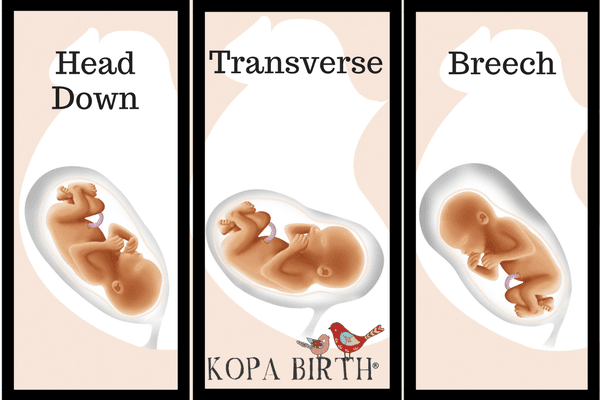
When do babies turn head down?
Many parents ask: when do babies turn head down and how will I know? Here is a simple timeline.
- By 28 weeks most babies still move a lot. The head may be high or low.
- Between 32 and 36 weeks many babies settle head down. This is the most common window for turning.
- After 36 weeks most babies remain in their chosen position. If a baby is breech at this point, a provider will discuss options.
- Some babies turn earlier or later. A small number stay breech at full term.
Why this timing? Space shrinks as your baby grows. Gravity and the baby’s shape make head-first more comfortable. Knowing when do babies turn head down helps you plan checks and conversations with your clinician.
Common short questions about timing
Will my baby always stay head down after 36 weeks?
Most do. If a baby is head down at 36 weeks, the chance they flip again is low but not zero.
Can a baby turn head down at 38 or 39 weeks?
It can happen, but it’s less likely. Late turning is possible, especially with lots of room or active movement.
Is there a set week when all babies turn?
No. The usual range is 32–36 weeks, but each pregnancy is unique.
Signs your baby has turned head down
You can notice physical signs when your baby turns head down. These signs vary but are often clear.
- Lower belly feels heavier. The head drops into your pelvis and you may feel pressure.
- Easier breathing for you. When the head moves down, your diaphragm gets more room and breathing may improve.
- More pelvic pressure and the need to pee more often. This is common after turning.
- Fetal movements feel different. Kicks may move higher in the belly and rolls feel less active.
If you are unsure, your provider can check by touch or ultrasound. Tracking when do babies turn head down helps you expect these changes and ask the right questions at visits.
Factors that affect when babies turn head down
Many factors influence when do babies turn head down. Some you can’t change. Some you can try to influence safely.
- First pregnancy: Babies sometimes drop earlier or later; breech is a little more common in first pregnancies.
- Amount of amniotic fluid: Too little or too much can change how freely the baby moves.
- Placenta location: Anterior placenta may hide movements but does not prevent turning.
- Uterine shape and fibroids: Unusual uterine shape can limit space and affect turning.
- Multiples: Twins or more often end up breech or transverse because of space limits.
- Baby’s size: Very small or very large babies may position differently.
- Maternal activity and posture: Time spent lying or sitting in certain ways may influence fetal position.
Knowing these factors helps you understand why when do babies turn head down varies. Talk with your clinician about your specific situation.

How to encourage baby to turn head down (safe methods)
If your baby is breech in late pregnancy, there are safe steps you can discuss with your provider. Always check with your clinician before trying anything new.
- Maternal posture and exercises
- Spend time leaning forward on hands and knees, or do gentle pelvic tilts. These can create space at the top of the uterus.
- Try supported forward-leaning positions while watching TV or reading, 10–15 minutes a few times daily.
- Active movement and swimming
- Gentle swimming and walking can help your baby move and find a head-down position.
- Hands-on manual methods
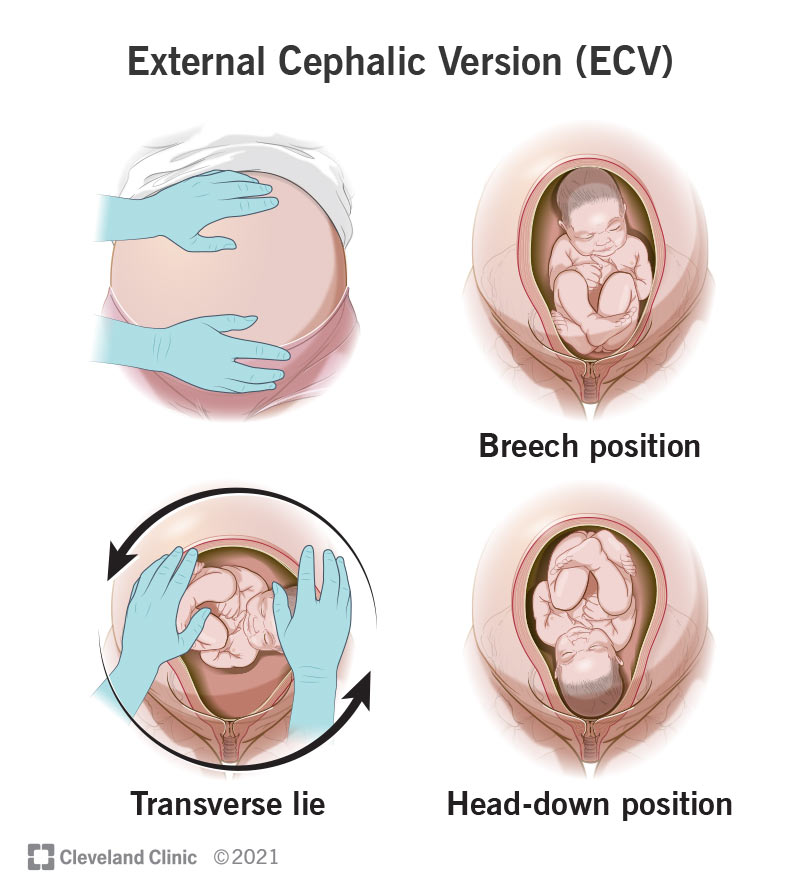
- External cephalic version (ECV) is a provider-led, in-clinic procedure to turn a breech baby near term. It has risks and benefits to discuss with your clinician.
- Complementary options some people try
- Certain gentle acupressure or chiropractic techniques aim to help balance the pelvis. Evidence varies and safety depends on the practitioner.
- Safety first
- Avoid unproven or risky maneuvers at home. Never force or apply pressure to your belly without professional guidance.
I have seen parents find simple posture changes helpful. I have also seen that ECV, when offered, can successfully turn many babies. Discuss options and timing with your care team before trying anything.
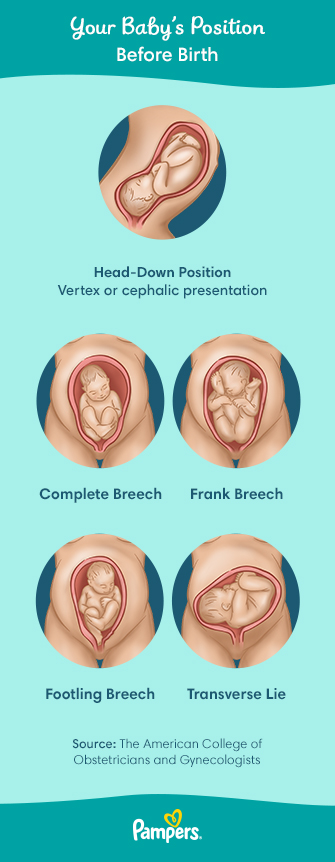
When to worry and next steps
A breech baby is common early on and usually not a concern. The important check is near term, when your provider confirms position and outlines options.
- At about 36–37 weeks your clinician will check fetal position more closely. This is the usual time to ask about ECV if the baby is breech.
- If the baby remains breech, your care team will discuss birth options. These may include planned cesarean or, in select cases, a vaginal breech delivery with experienced providers.
- Watch for decreased fetal movement any time. If movements drop, seek evaluation promptly.
Be honest about your fears and ask direct questions. Surgical birth can be the safest choice in many breech cases, and your provider will help weigh risks and benefits. Knowing when do babies turn head down guides timely decisions and reduces last-minute stress.
Frequently Asked Questions of when do babies turn head down
When is it too late for a baby to turn head down?
Most turning happens by 36 weeks. After 37–38 weeks, turning is less likely but can still occur in rare cases.
How will my doctor check if the baby is head down?
Providers use belly palpation and ultrasound to check position. Ultrasound gives a clear and immediate picture of the baby’s orientation.
Can exercises really change the baby’s position?
Gentle posture changes and pelvic tilts may help and have low risk. They don’t guarantee change, but they are safe to try with clinician approval.
What is ECV and when is it offered?
ECV is a medical attempt to turn a breech baby by applying pressure to the belly under monitoring. It is usually offered around 36–37 weeks when conditions are favorable.
If my baby stays breech, do I have to have a C-section?
Not always, but many providers recommend cesarean for breech presentation, especially for first births or when other risks exist. Discuss skills and options with your care team.
Conclusion
Timing matters, but so does calm planning. Most babies turn head down between 32 and 36 weeks. Watch for lower belly pressure, easier breathing, and the change in kicks. If your baby is breech near term, talk with your clinician about safe options like posture work, monitored exercises, or ECV. Keep open communication with your care team and make decisions based on clear facts and your comfort level.
Take action: ask your provider about position checks at 36 weeks, try simple posture changes if safe, and book a discussion about ECV if your baby is breech. Share your story or questions below to help others learn from your experience.