
Most babies have cartilage kneecaps at birth; the kneecap bone usually hardens between ages three and six.
When do babies develop kneecaps? The answer depends on what you mean by “develop.” Babies are born with patellae, or kneecaps, made mostly of soft cartilage. Over the early childhood years, that cartilage slowly changes into hard bone. Understanding this normal process can ease worries about crawling, walking, bowlegs, and early knee injuries.
When do babies develop kneecaps?
Babies have kneecaps before birth, but they do not have fully hardened, bony kneecaps at birth. The patella begins as cartilage during fetal development. Cartilage is firm and flexible, much like the material found in the outer part of the ear.
The kneecap bone usually begins to form through a process called ossification between ages 3 and 6. In many children, the process starts around age 3 or 4. Timing can vary, and girls may sometimes show patella ossification slightly earlier than boys.
So, when do babies develop kneecaps? They develop the cartilage version before birth, while the hard bony version develops during the preschool years.

What is a baby’s kneecap made of?
A baby’s kneecap is mainly made of hyaline cartilage. This tissue is smooth, strong, and flexible. It helps the knee move without the same hardness that adult bone has.
The patella sits inside the tendon of the quadriceps muscle. This tendon runs across the front of the knee and connects the thigh muscles to the lower leg through the patellar tendon.
The soft kneecap still has an important job. It helps:
• Guide the knee during movement
• Protect the front of the knee joint
• Improve the pull of the thigh muscles
• Support crawling, standing, and early walking
Cartilage is not a weak substitute for bone. It is the right tissue for a growing child. A flexible kneecap can handle normal movement while the rest of the knee develops.
Why are babies born with cartilage kneecaps?
A baby’s body grows quickly after birth. Soft cartilage allows the knee to move and change shape as the bones, muscles, tendons, and ligaments mature.
A hard bony kneecap would not necessarily be better during infancy. Babies spend much of their early time bending their knees, kicking, crawling, and learning balance. The flexible cartilage patella fits this stage of growth.
Think of cartilage as a smooth starter part. It gives the knee shape and function first. Later, the body gradually replaces parts of it with stronger bone.
This pattern is common in childhood development. Several bones begin as cartilage and harden over time. The growth plates in a child’s long bones also remain softer than adult bone so the child can grow taller.
When does the kneecap turn into bone?
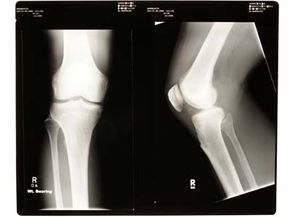
The kneecap begins to ossify, or harden into bone, during early childhood. Most medical references place the usual starting range between 3 and 6 years of age.
The process does not happen all at once. Small areas of bone form inside the cartilage. These areas slowly expand until much of the patella becomes bone.
A child may have a partly ossified kneecap for years. This is normal. The knee can work well while the patella contains both bone and cartilage.
When do babies develop kneecaps in the sense of a visible bone? Usually not during infancy. The bony kneecap becomes easier to see on an X-ray during the preschool years, but the exact age differs from child to child.
Do newborns have kneecaps?
Yes. Newborns have kneecaps, but the patella is mostly cartilage rather than hard bone.
This is why the kneecap may not show clearly on a standard X-ray of an infant. X-rays show mineralized bone best. Cartilage is much less visible on these images.
A common misunderstanding is that babies have no kneecaps at all. The more accurate explanation is that babies have cartilaginous kneecaps. The kneecap is present, but it has not finished turning into bone.
How does kneecap development affect crawling and walking?
Kneecap development does not need to be complete before a baby crawls or walks. Infants can use their knees normally with cartilage patellae.
During crawling, the kneecap helps the front of the knee move smoothly. During standing and walking, it helps the quadriceps muscle straighten the leg.
A baby’s first steps depend on many systems working together. These include:
• Muscle strength
• Balance and coordination
• Hip and ankle movement
• Nervous system development
• Vision and body awareness
The kneecap is one part of this system. It is not a sign of walking readiness by itself.
Parents sometimes feel a small, soft area over a baby’s knee and worry that something is missing. In most cases, this reflects normal cartilage and soft tissue. A routine pediatric exam can confirm that the knee feels and moves as expected.
Can you feel a baby’s kneecap?
You may feel the general shape of the patella, but it often feels softer and less distinct than an adult kneecap. Babies also have more soft tissue around the joint, which can make the kneecap harder to identify.
Do not press firmly on a baby’s knee to search for the kneecap. Gentle handling is enough. Normal diaper changes, bathing, crawling, and play do not require special knee care.
A useful practical lesson is to compare function, not just appearance. A baby who moves both legs, kicks normally, and bears weight when developmentally ready usually has reassuring knee function.
Contact a pediatric clinician if a baby has:
• A swollen or red knee
• Clear pain with movement
• One leg that does not move normally
• A knee that looks deformed
• A sudden change after an injury
• Fever along with joint swelling
These signs do not automatically mean a kneecap problem. They do mean the child should be assessed.
Can a baby be born without a kneecap?
True absence of the patella is rare. Some genetic conditions and limb development disorders can affect the kneecap, but this is not typical.
A baby with a serious kneecap or limb difference may have other findings, such as unusual leg shape, limited movement, or differences in the feet and hips. Doctors assess the whole limb rather than relying on the kneecap alone.
Some children also have a kneecap that is smaller, shaped differently, or develops later. These findings may be harmless or may occur with other orthopedic conditions. Imaging and a physical examination help determine what is happening.
The main limitation is that normal timing varies. A child who starts patella ossification earlier or later than a sibling is not necessarily experiencing a problem.
What can affect kneecap development?
Most of the timing is controlled by normal genetics and growth. Several factors may influence bone development in general, including nutrition, hormone health, and certain medical conditions.
Important influences include:
• Family growth patterns
• Premature birth in some cases
• Bone or mineral disorders
• Hormone conditions
• Genetic syndromes
• Significant nutritional deficiency
A balanced diet supports healthy bones, but supplements should not be given without medical advice. Babies need age appropriate nutrition, and vitamin D guidance may vary based on feeding method and local pediatric recommendations.
Normal play does not delay kneecap development. Crawling, walking, and climbing under safe supervision help build strength and coordination.
How doctors check a child’s kneecaps
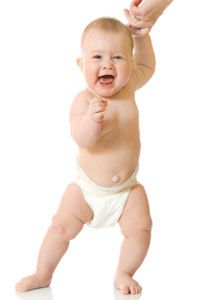
A pediatrician usually starts with a physical examination. The clinician checks leg movement, muscle tone, symmetry, swelling, alignment, and the child’s response to gentle motion.
Imaging is not needed just because a baby has a soft kneecap. Doctors may order an X-ray, ultrasound, or magnetic resonance imaging when symptoms or unusual findings suggest a concern.
Each test has limits:
• X-rays show bone well but do not show cartilage clearly.
• Ultrasound can show soft tissues and cartilage in young children.
• Magnetic resonance imaging gives detailed images but is usually reserved for specific concerns.
A normal scan does not always explain pain by itself. Doctors combine imaging with the child’s history and physical examination.
From a practical standpoint, one mistake to avoid is treating an image as the whole diagnosis. A child’s movement, comfort, and overall development matter just as much as a scan.
When should parents call a doctor?
Most differences in kneecap timing are harmless. Still, medical advice is important when the knee appears painful, swollen, unstable, or very different from the other side.
Call a pediatrician if:
• Your baby stops moving one leg
• The knee becomes hot, red, or swollen
• Your child cries whenever the leg moves
• The leg looks shorter or badly aligned
• Your child cannot bear weight after an injury
• A fever occurs with knee symptoms
• Walking becomes suddenly difficult
Do not wait for the kneecap to become hard before seeking care. Babies can have joint, muscle, tendon, or bone problems even when the patella is still made of cartilage.
Frequently Asked Questions
When do babies develop kneecaps?
Babies develop cartilage kneecaps before birth. The cartilage usually begins changing into hard bone between ages 3 and 6, although normal timing varies.
Are babies born without kneecaps?
No. Babies are born with patellae, but the kneecaps are mostly cartilage. Because cartilage is not easy to see on an X-ray, it can seem as though babies have no kneecaps.
When can a baby’s kneecap be seen on an X-ray?
The bony part of the kneecap often becomes visible on X-rays during the preschool years. Before then, the patella may be present but mostly invisible on a standard X-ray.
Does kneecap development affect when a baby walks?
No. A baby does not need a fully bony kneecap to crawl or walk. Early movement depends more on muscle strength, balance, coordination, and nervous system development.
Can parents feel a baby’s kneecap?
Parents may feel the general area of the kneecap, but it can feel soft and less defined than an adult patella. Avoid pressing on the knee, and ask a pediatrician if the joint seems painful or unusual.
Should delayed kneecap bone formation worry parents?
Not usually. The age when the patella begins to ossify can differ between healthy children. Concern is more likely when delayed development occurs with pain, weakness, unusual leg shape, or other developmental findings.
Conclusion
When do babies develop kneecaps? They have cartilage kneecaps before birth, while the hard bony kneecap usually begins forming between ages 3 and 6. This gradual change is normal and supports healthy knee growth.
Focus on how your baby moves, not on whether the kneecap feels hard. Give your child safe chances to move and play, and contact a pediatric professional if there is swelling, pain, limited movement, or a sudden change in function. Explore trusted pediatric resources or discuss your child’s development at the next checkup.